
An Exit That Hurts—and Why These Phones Still Matter
The best OnePlus phones are the models that combined near-flagship performance, clever software, and aggressive pricing to build a passionate community around so‑called flagship killer phones that punched above their weight and pushed the wider Android industry toward faster charging, cleaner interfaces, and better value. OnePlus built its reputation by undercutting rivals on price while still providing enough grunt to make its phones perform well in everyday use. That is exactly why its decision to leave North America and Europe feels like more than a routine corporate shuffle; it feels like losing the loudest voice arguing that premium phones did not need premium price tags. As OnePlus exits these regions, loyal fans now face a hard choice: cling to aging devices, import future models, or surrender to the very brands OnePlus once disrupted.
OnePlus One: The Original Flagship Killer
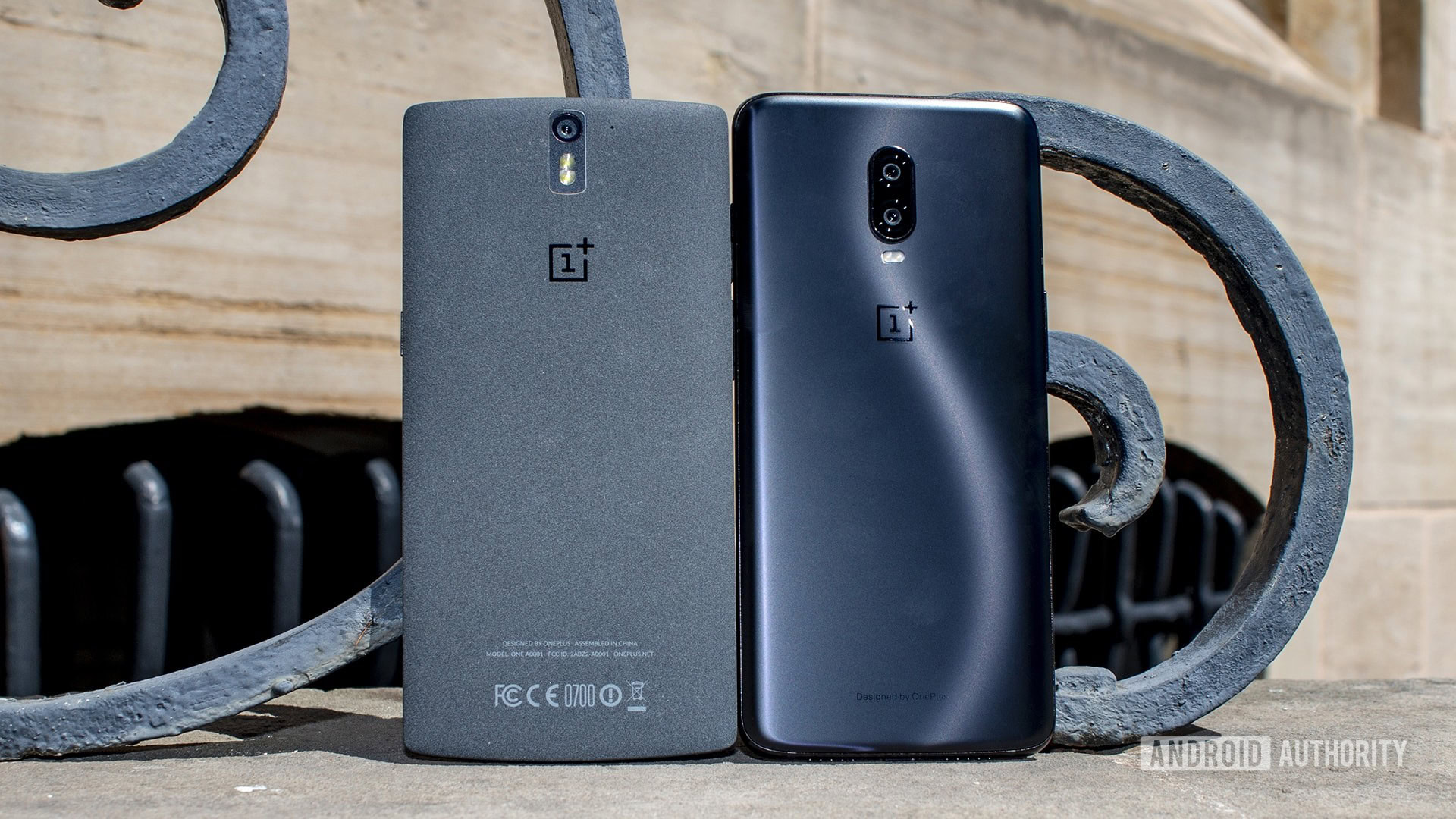
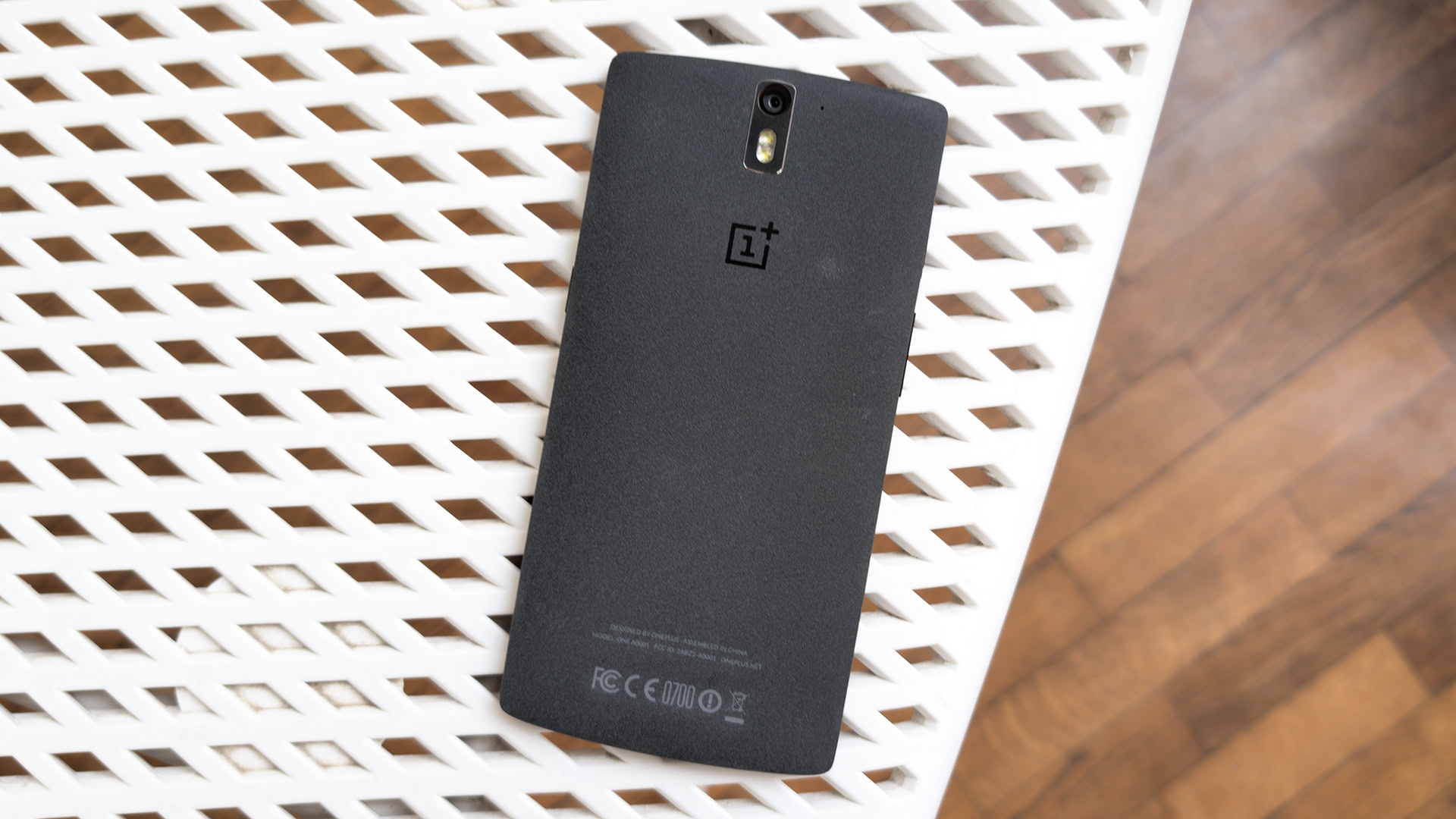
If you ask what made the best OnePlus phones special, you start with the OnePlus One. This phone coined the “flagship killer” moniker in 2014 by packing high-end specs for about USD 300 (approx. ₱16,800). It offered a 5.5‑inch display, a Qualcomm Snapdragon 801 processor, and a 13‑megapixel rear camera at a time when rival flagships cost more than twice as much. That was not a minor discount; it was a declaration of war on bloated pricing. The use of CyanogenMod delivered a bloat‑free, fast Android experience while many competitors were weighed down with unnecessary software. Of course, it was not perfect: the invite-only sales system felt like a contrived marketing ploy and stunts like the “Ladies First” contest aged badly. But as a statement of intent, no OnePlus device since has matched the shockwave the One sent through the industry.
OnePlus 3 and 3T: The Fast-Charging Turning Point
In any honest OnePlus phone rankings, the OnePlus 3 and 3T deserve a top spot for turning the company from cult favorite into serious contender. After the misstep of the OnePlus 2, these models delivered the first taste of Dash Charge, later known as Warp Charge and then SuperVOOC, which could refill about 60% of the battery in 30 minutes. That single feature changed user expectations for how quickly a phone should recharge and helped popularize fast charging in North America. The OnePlus 3 paired this with a Snapdragon 820, ample RAM, a sleek metal body, and a fast fingerprint scanner, while the 3T added a stronger processor, bigger battery, and better selfie camera for a modest price bump. They stuck to the brand’s ethos of strong hardware at mid‑range pricing and set a pace many rivals scrambled to match.
OnePlus 7 Pro: Peak Ambition and International Frustration
The OnePlus 7 Pro is the phone where OnePlus looked the established giants in the eye and refused to blink. Its pop‑up selfie camera enabled a borderless display without notches or punch‑holes, and it arrived in a year crowded with heavy-hitting flagships yet still held its own. The absence of an IP rating and wireless charging would have been dealbreakers at higher prices, but they were easier to forgive at its USD 669 (approx. ₱37,500) tag. More telling, however, is how OnePlus handled regional features. Some of its fastest charging speeds and even water‑resistance ratings were limited to specific carrier versions and markets, while others missed out entirely. That pattern—its boldest ideas being gated behind geography—became a quiet source of resentment. The 7 Pro showed how close OnePlus could get to perfection when it swung for the fences, and how fragmented its ambition could feel in practice.
Open, 13, and the Legacy Fans Must Decide What to Do With
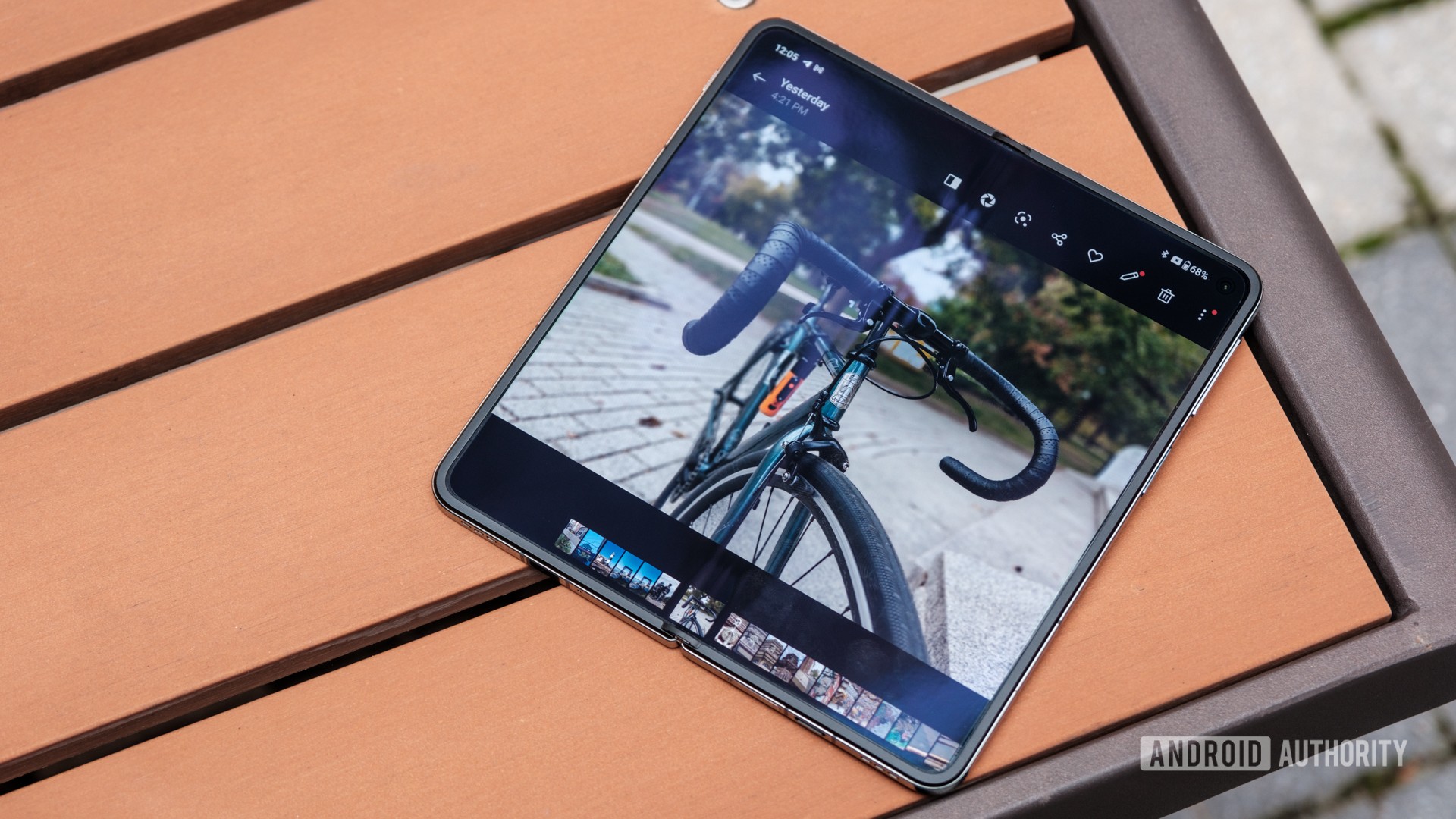
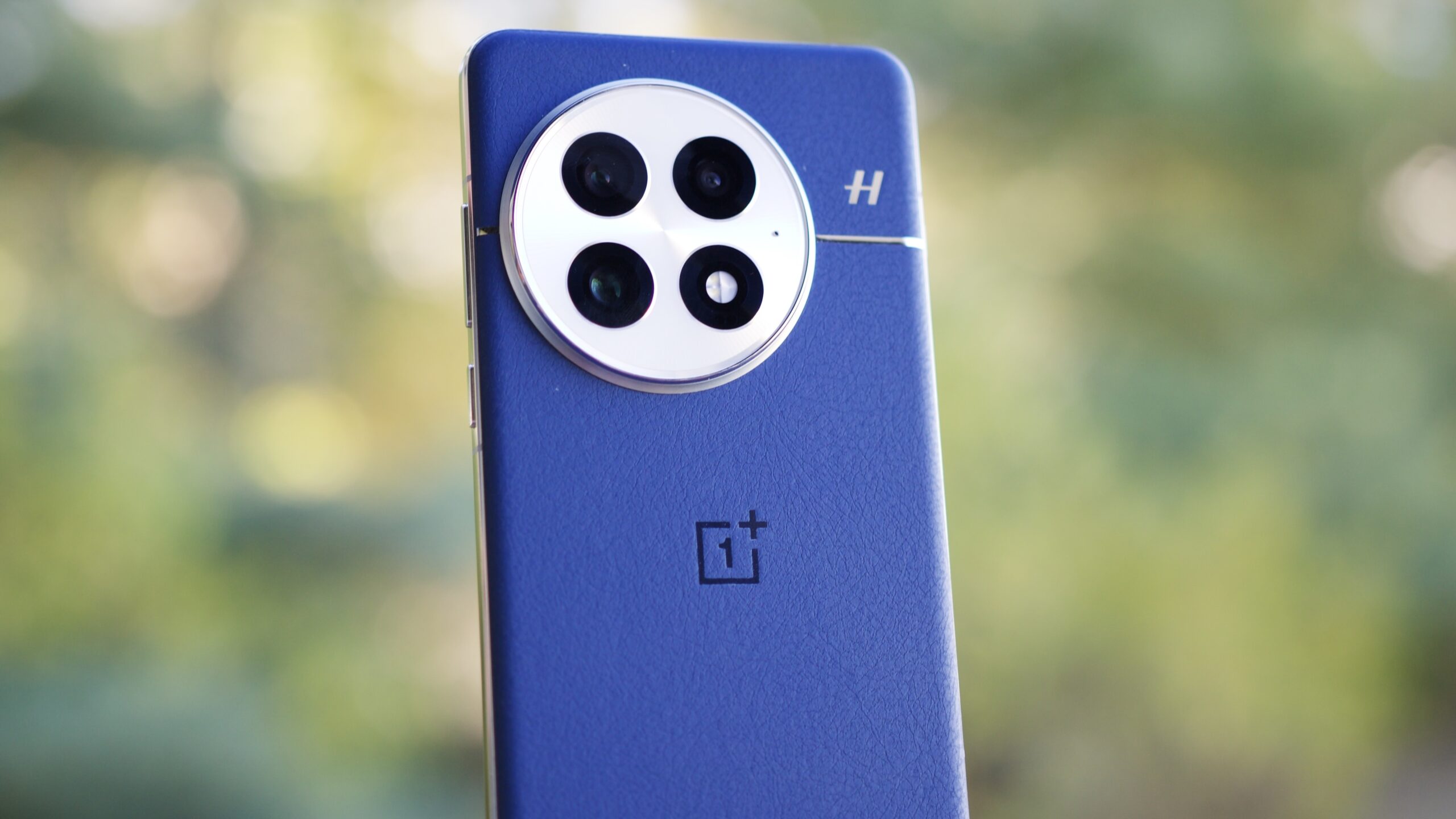
Even in its final chapter in these markets, OnePlus did not coast. Recent rankings of the best OnePlus phones put the OnePlus Open near the very top, highlighting a foldable that proved the brand could compete in cutting‑edge form factors, even if it lacked wireless charging, carried only an IPX4 rating, and missed some expected software tricks. The same lists crowned the OnePlus 13 number one, a sign that OnePlus entered its regional exit still producing class‑leading hardware rather than fading away. Meanwhile, its first watch stumbled with poor tracking and connectivity, a reminder that not every experiment worked. According to one long‑time reviewer, OnePlus built its name on strong hardware at lower prices than premium rivals—and that is exactly the legacy fans must weigh now. With the OnePlus market exit underway, those loyal users can either chase imports and nostalgia or accept that the flagship killer era, in their region at least, has come to an end.