
Muse Image in Three Days: From Launch to Backlash
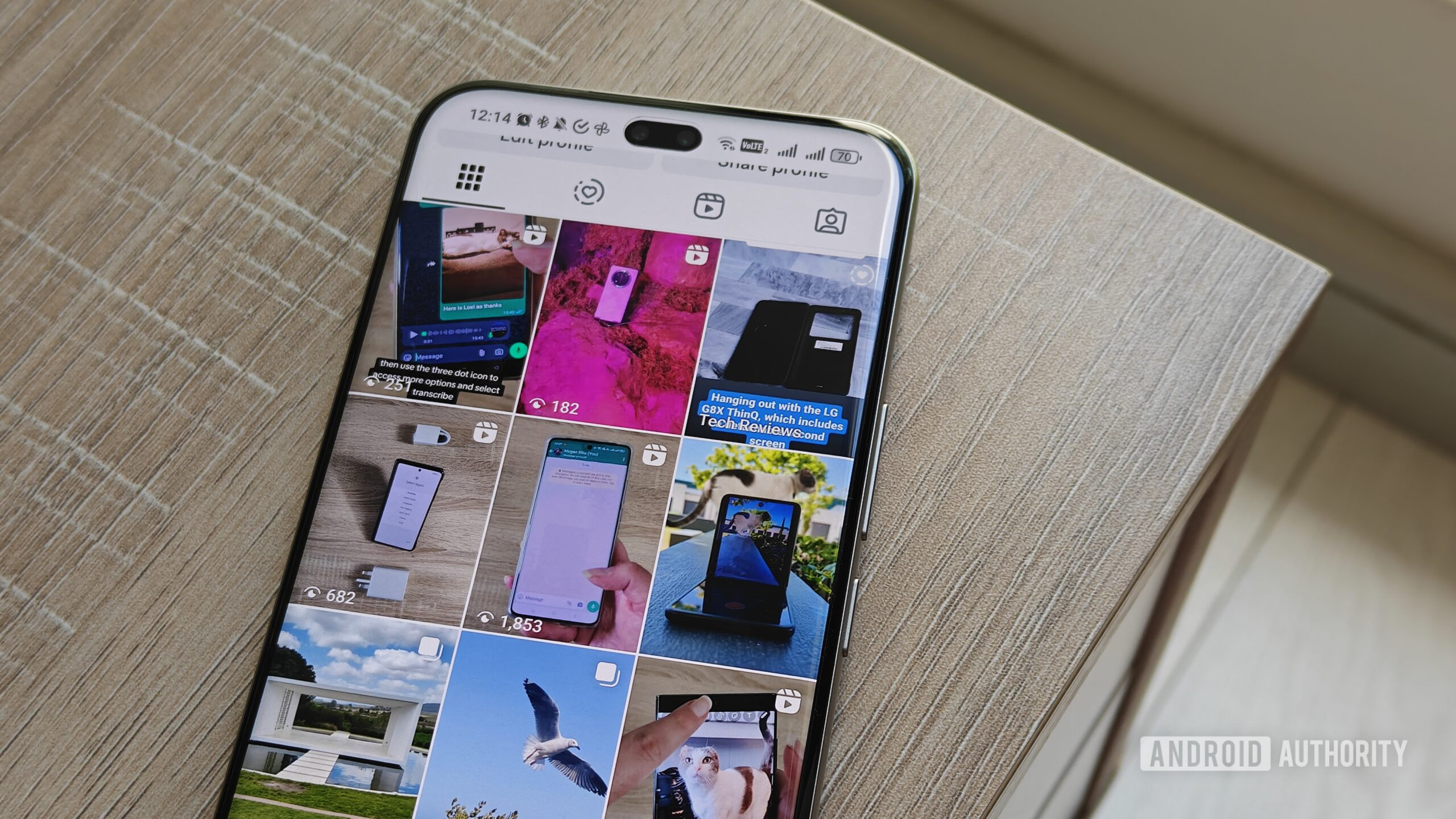
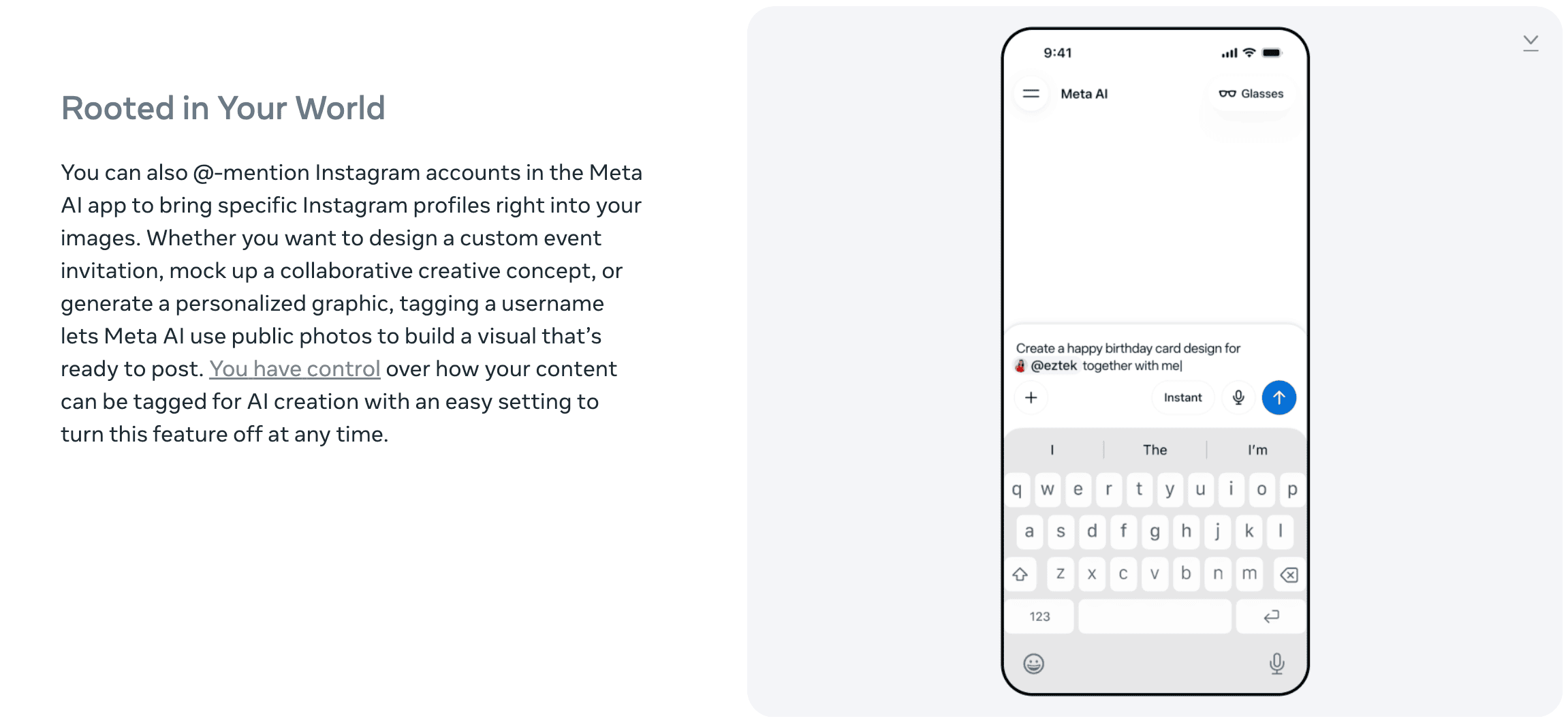
Instagram Muse Image AI was an image generation feature that let people tag public Instagram accounts so Meta’s AI could pull those users’ photos into new AI-created pictures, raising urgent questions about consent, privacy, and control of personal images in social media platforms. Meta launched Muse Image on July 7 as the first image model from its Meta Superintelligence Labs, rolling it out through the Meta AI app, Instagram Stories, and WhatsApp in select markets, with plans to extend it to Facebook, Messenger, and advertiser tools. The controversial twist: users could @‑mention any public Instagram account and have the AI scrape that person’s photos into AI image generation photos without consent or notification. Within three days, after intense user unrest, Meta removed this part of the Instagram Muse Image AI system, admitting the feature “missed the mark.”
Why Meta’s AI Photo Scraping Felt Like a Betrayal
The core problem with Meta AI photo scraping on Instagram was not the technology; it was the presumption of consent. All public profiles for users over 18 were opted in by default, and people had to dig through Instagram privacy settings to switch it off. They were never alerted if their photos had been used as a reference inside Muse Image. That meant anyone could feed your portfolio, your wedding shots, or your selfies into AI image generation photos and turn them into unknown creations. Public pressure exploded for a reason. Public does not mean free-for-all training data. Privacy advocates called the tool “the latest sign AI companies see people's images and data as raw material to be exploited,” a quote that captures why users felt their trust had been traded for experimental AI features.
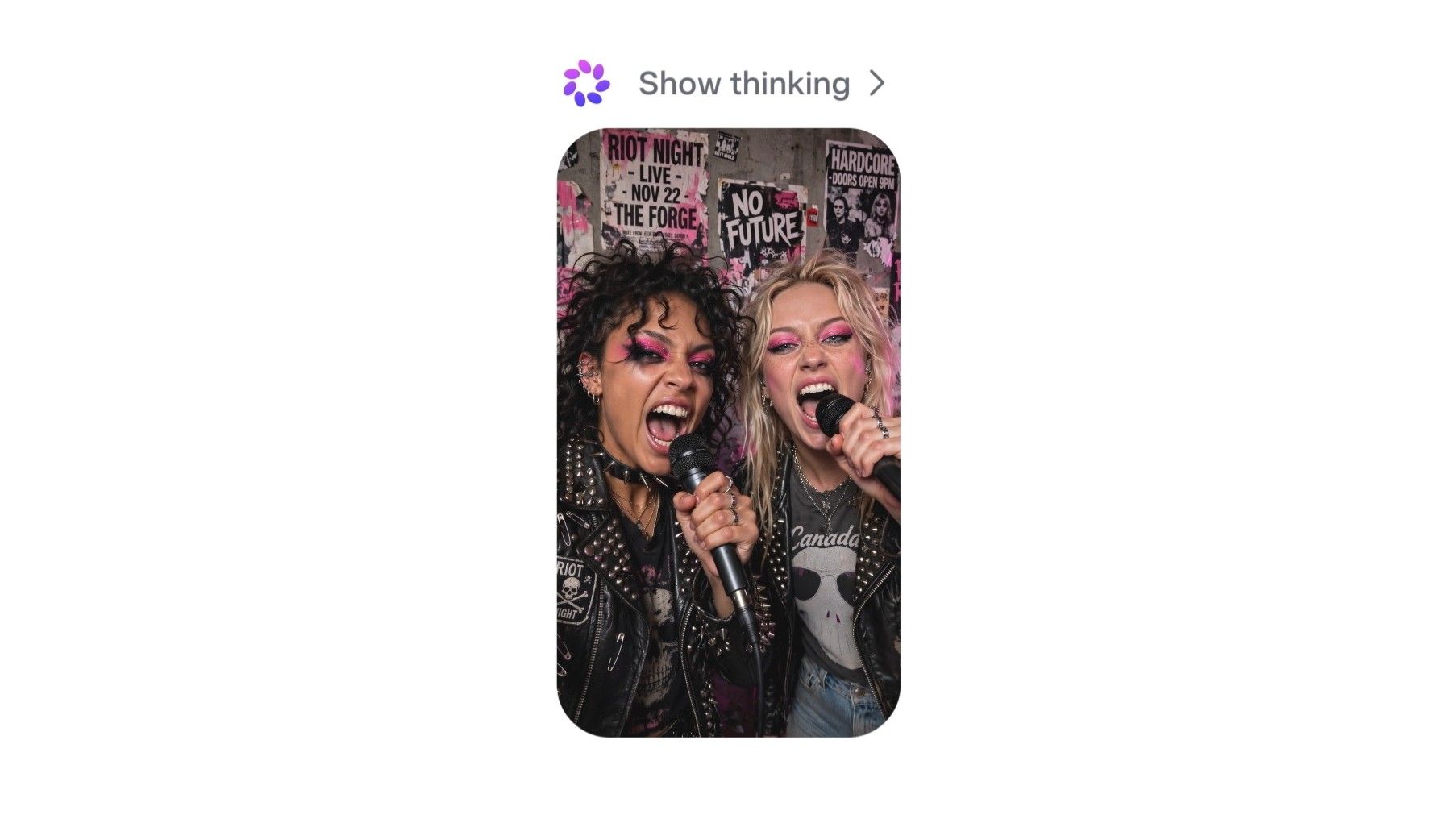
Creatives’ Likeness Isn’t ‘Reference Material’
For photographers, models, and influencers, Instagram profiles are not hobby scrapbooks; they are portfolios, brands, and sometimes the backbone of a livelihood. Muse Image treated that work as optional seasoning for Meta’s AI. The tool let anyone @‑mention a public account so the AI could reuse their posted photos, including profile pictures, as the basis for generated images. Actors’ union SAG‑AFTRA urged members and all Instagram users to opt out, warning that “Meta now lets anyone use your Instagram photos in AI images without your consent” and calling anything short of clear opt‑in “unacceptable.” Working photographers were told, indirectly, to either accept AI reuse or go private, even though public accounts are the lifeblood of their reach and income. Many creatives have already spent years building a distinctive visual identity and do not want generative AI reshaping—or diluting—that style without permission.
How Public Outrage Forced a Rare AI U‑Turn
Meta’s reversal shows public pressure can still move tech giants, especially when unions, privacy advocates, and everyday users push in the same direction. The backlash came fast from Hollywood, as SAG‑AFTRA told members to opt out and urged people to “take action to protect your likeness.” Privacy groups hammered the idea that users’ images were being treated as raw AI training material. According to one report, Meta has been “pushed to remove Muse Image's capabilities in its AI chatbot on Instagram following user unrest,” and the company now says it is “discontinuing” the feature. Another outlet noted that Meta “listened to feedback and removed the feature just days after announcing it alongside Muse Image,” choosing removal rather than slow tweaks. Yet the broader Muse Image tool remains, and Meta still faces a $1.4 trillion legal challenge over alleged deceptive data practices.
Locking Down Your Photos: Instagram Settings That Matter Now
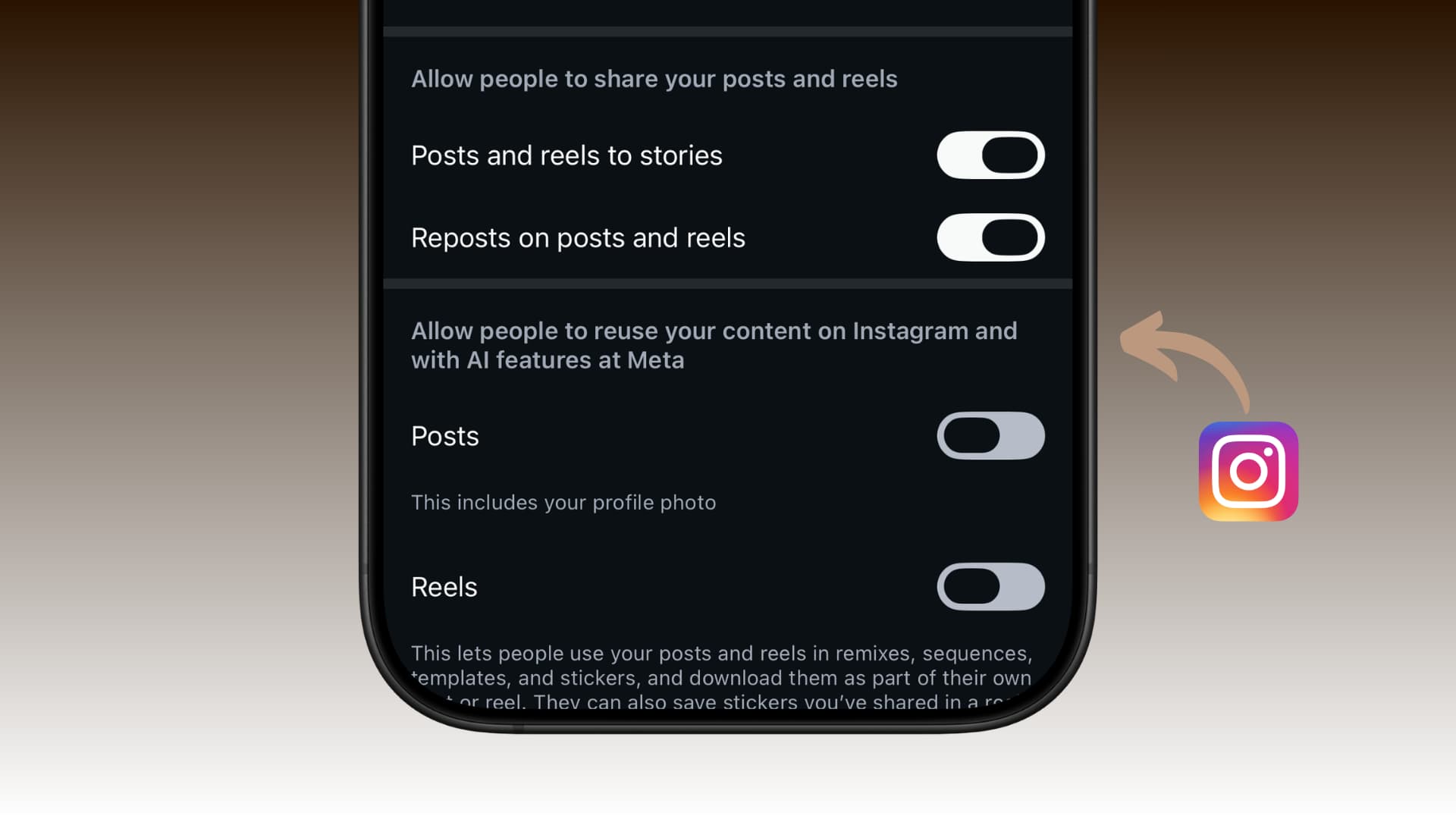
The lesson is simple: do not wait for platforms to protect you. Use the tools that exist. If you do not want others—or Instagram Muse Image AI—to reuse your photos for AI image generation photos, you can opt out. In the Instagram app, open your profile, tap the menu, then find the “Sharing and reuse” section. There, scroll to “Allow people to reuse your content on Instagram and with AI features at Meta” and turn off the switches for Posts and Reels; other people will no longer be able to feed your photos into Muse Image. Private accounts are currently excluded from this AI reuse, so setting your account to Private adds another layer of protection if public reach is not essential to you. But for anyone who needs public visibility, mastering these Instagram privacy settings is now as important as mastering your camera.