
Immersive Navigation: A Defined Shift in How Google Maps Looks and Feels
Immersive Navigation in Google Maps is a major redesign of the driving interface that introduces more detailed, context-rich maps, new visual elements such as transparent bridges and clearer lane markers, and AI-assisted guidance to make the on-screen experience and spoken directions more tailored to real-world driving conditions during active navigation. This refresh is not a minor skin change; it is described as the biggest update Google Maps has seen in about a decade, especially for city and urban driving maps. The redesign has been slowly rolling out since March 2026, arriving first for a small group of users and now expanding more broadly to both mobile and Android Auto, though many drivers still have the old look for now.
What’s Actually Different in the New Google Maps Interface
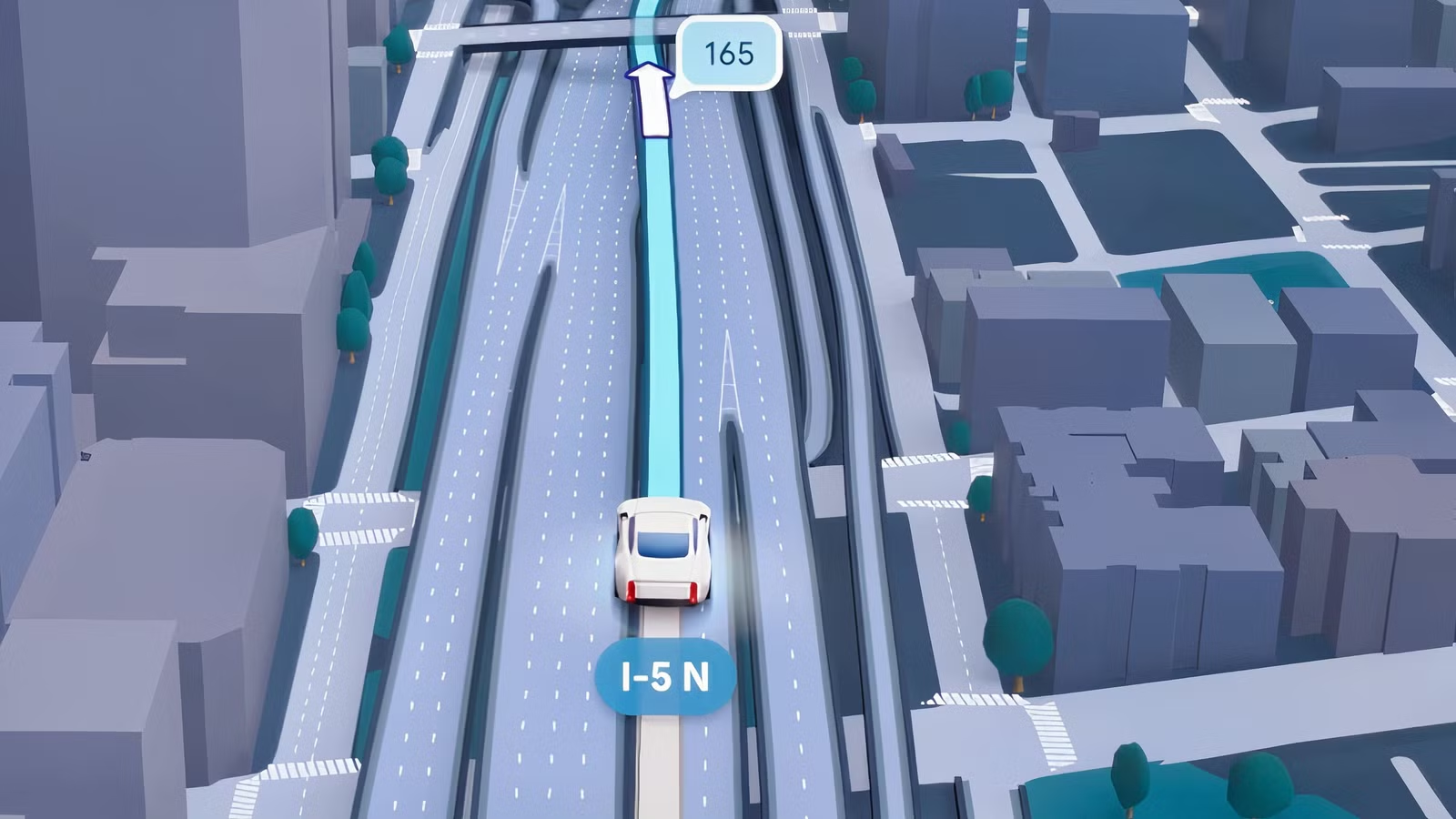
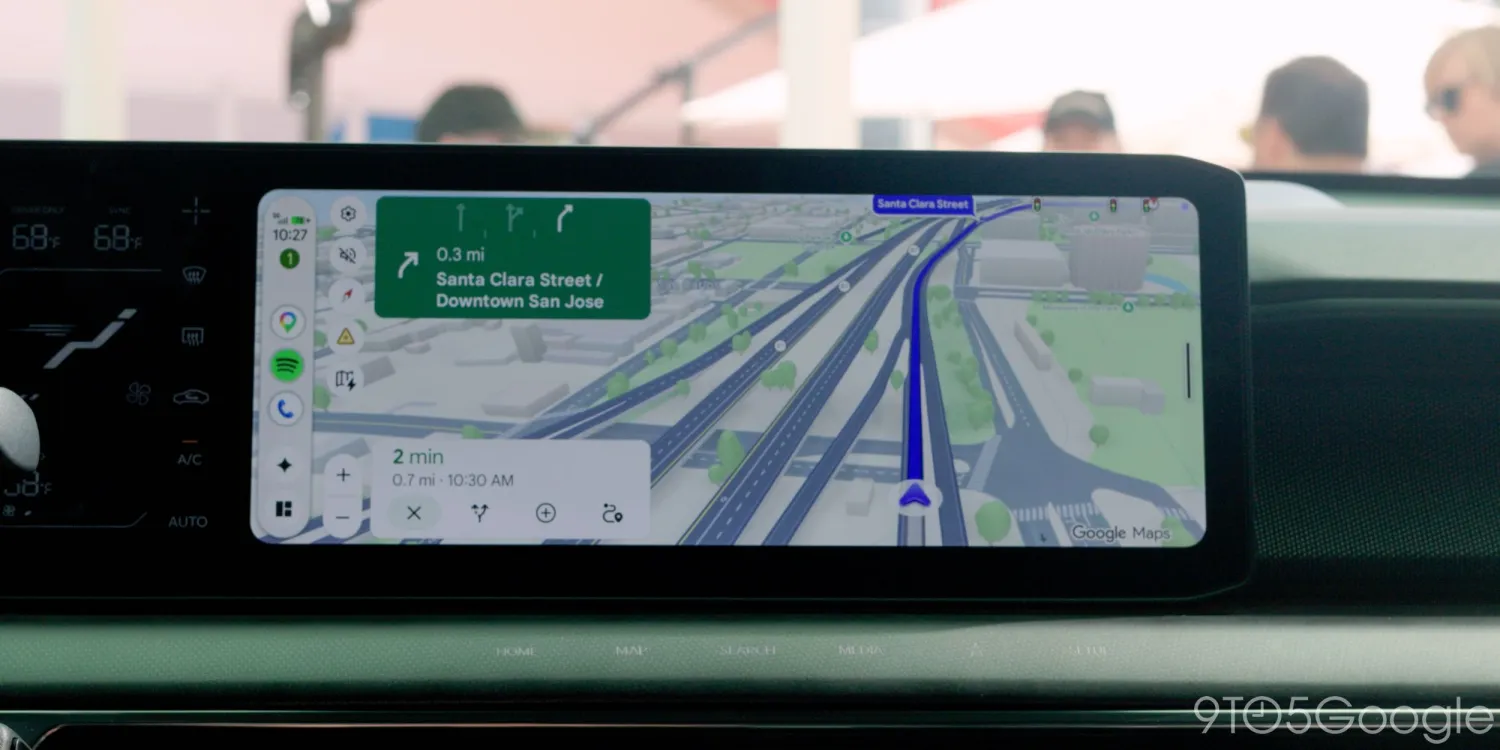
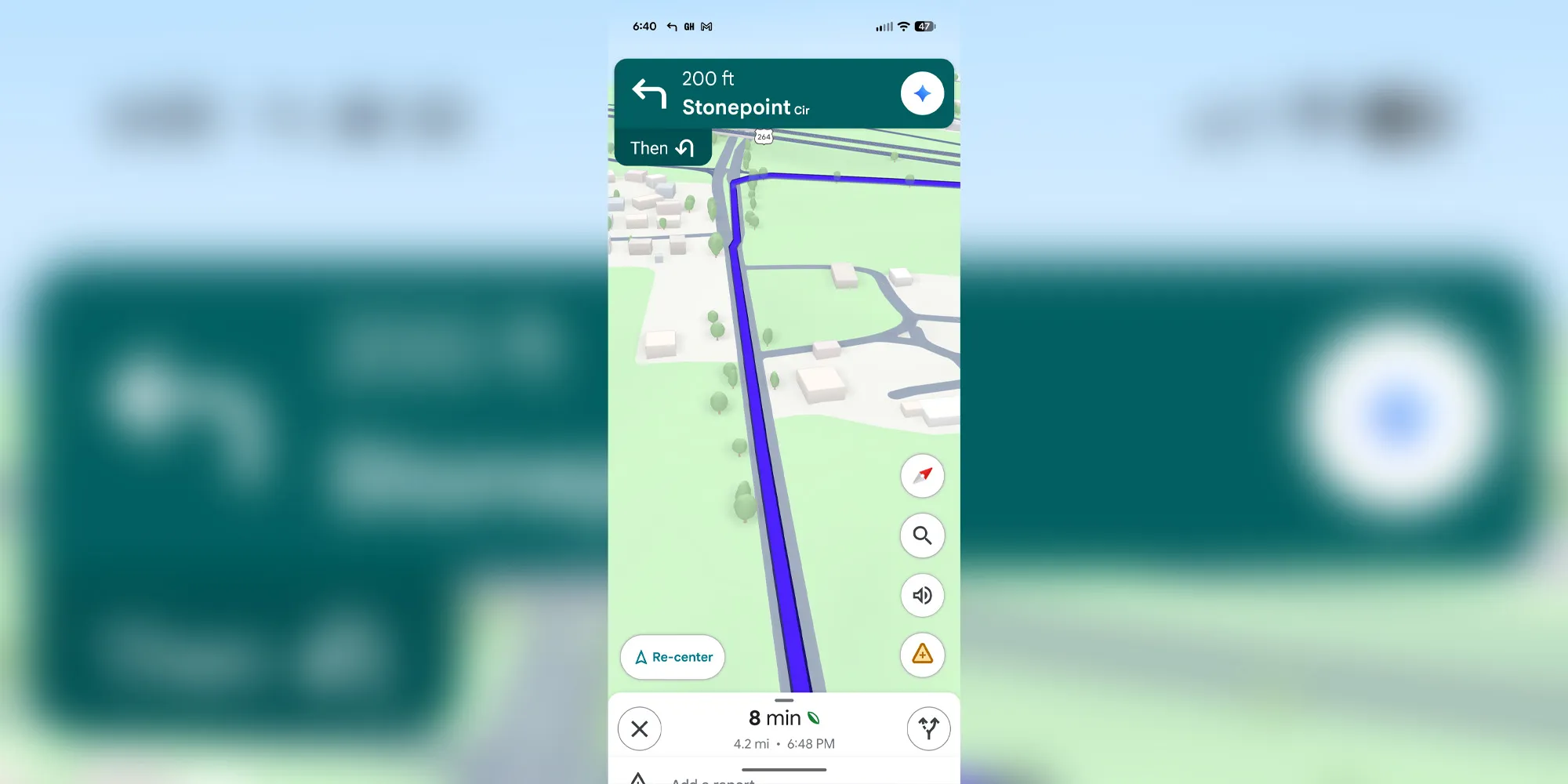
This Google Maps redesign is not about cosmetic flair; it is about changing what drivers see at a glance. Immersive Navigation brings much more specific navigation maps, which are especially noticeable in dense city and urban areas where lane decisions and complex intersections matter. Users who have the update can spot it immediately: bridges render as transparent structures, the car indicator has a new look, and lane markers appear more prominent to highlight the correct path. A visible Gemini icon now appears on the phone version, hinting at the AI models operating behind the scenes to support directions and context. While these UI changes are front and center, they arrive alongside new behavior: the app uses real-time traffic information to provide more context for routes and help drivers notice better alternate options while they are already on the road.
AI-Powered Guidance: Why Google Is Reworking Navigation Now
The Immersive Navigation update is a clear statement that Google Maps is meant to be more than a static route line. The redesign ties into broader AI efforts in the app, including Ask Maps, which uses Gemini models to provide AI-powered directions and richer assistance while navigating. Those same Gemini models work in the background to analyze real-time traffic information and local routes, then surface more contextual suggestions such as faster alternatives or clearer explanations of complex junctions. According to one source, Immersive Navigation also uses AI for natural language voice guidance and analysis of nearby landmarks, making spoken instructions feel less robotic and more like a local guide. This combination—smarter guidance plus a more detailed visual layout—signals Google’s belief that navigation needs to evolve from passively following arrows to actively understanding what is happening on the road around you.
Android Auto Navigation: Where Drivers First Notice the Change
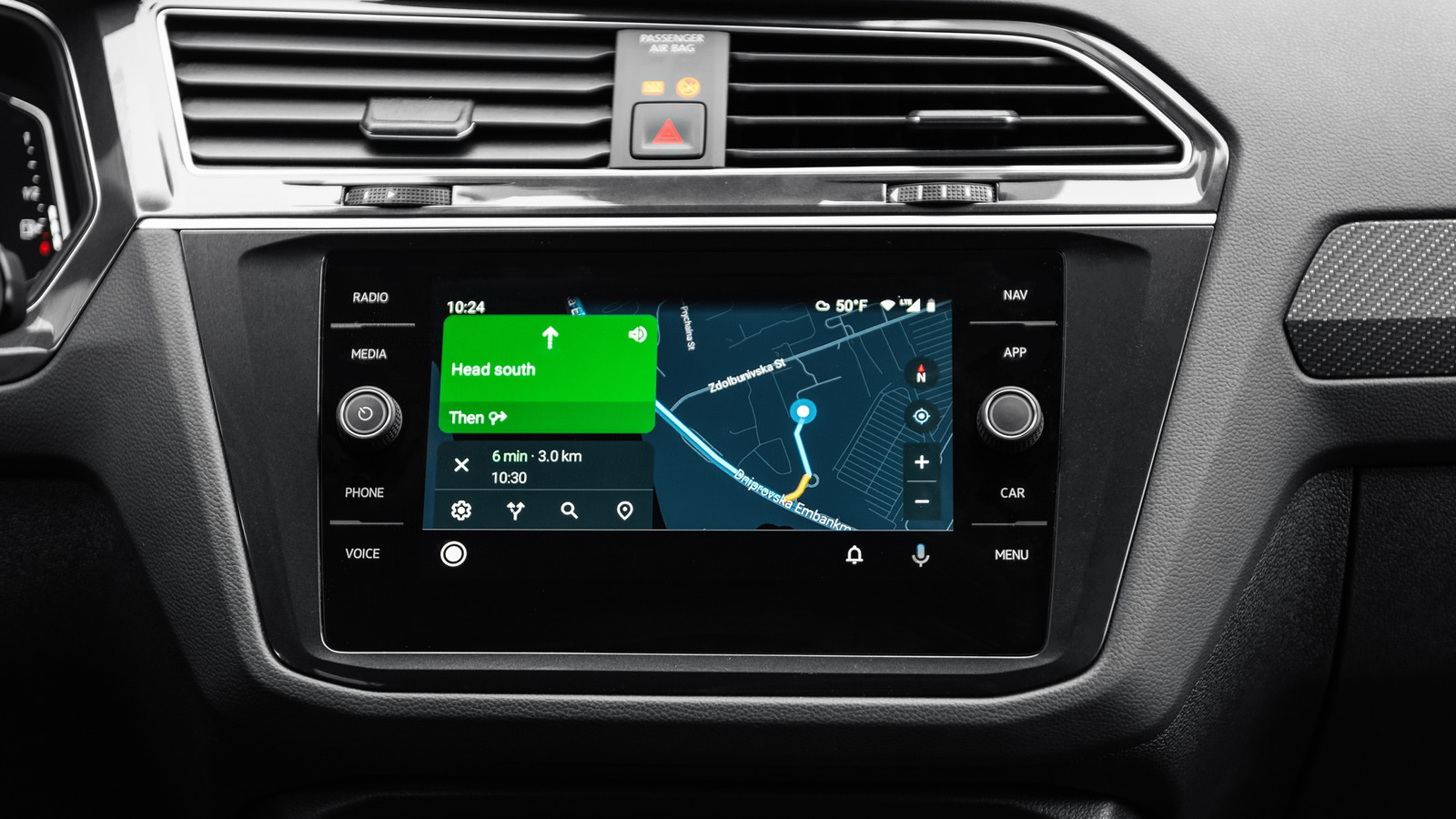
If you drive with Android Auto, you might spot Immersive Navigation before you ever see it on your phone. Early reports of the new interface have surfaced from Android Auto users who discovered the design live in their vehicles, describing the updated car icon and clearer lane visuals. Others have reported seeing the changes through built-in car systems that rely on Android Auto, even if they have not yet captured screenshots. This matters because the car dashboard is where design decisions are tested against reality: can you distinguish lanes at a glance, read upcoming turns without squinting, and understand complex overpasses from a quick look? The staggered rollout mirrors what mobile users are experiencing, with some drivers getting the new Android Auto navigation weeks or months before others. In practice, it means passengers might still see the “old” Maps on their phones while the head unit shows something entirely new.
A Slow Rollout Means Your Maps May Not Change Yet
Despite the scale of the Immersive Navigation update, Google is not flipping a global switch overnight. The feature has been rolling out slowly since March 2026, beginning with a tiny initial audience and expanding "over the coming months" as more reports of the redesign surface. Availability is staged by both device and region: per Google’s announcement, the new design should currently appear only for some users on Android, Android Auto, Google built-in systems, and iOS/CarPlay, and only in certain markets. Even within those boundaries, the rollout is uneven—some users receive the update far earlier than others, and there is no reliable way to force activation or speed things up on your device. The practical takeaway is straightforward but frustrating: if your Google Maps interface has not changed yet, you can update the app and watch for the new Gemini icon and transparent bridges, but otherwise you have to wait.