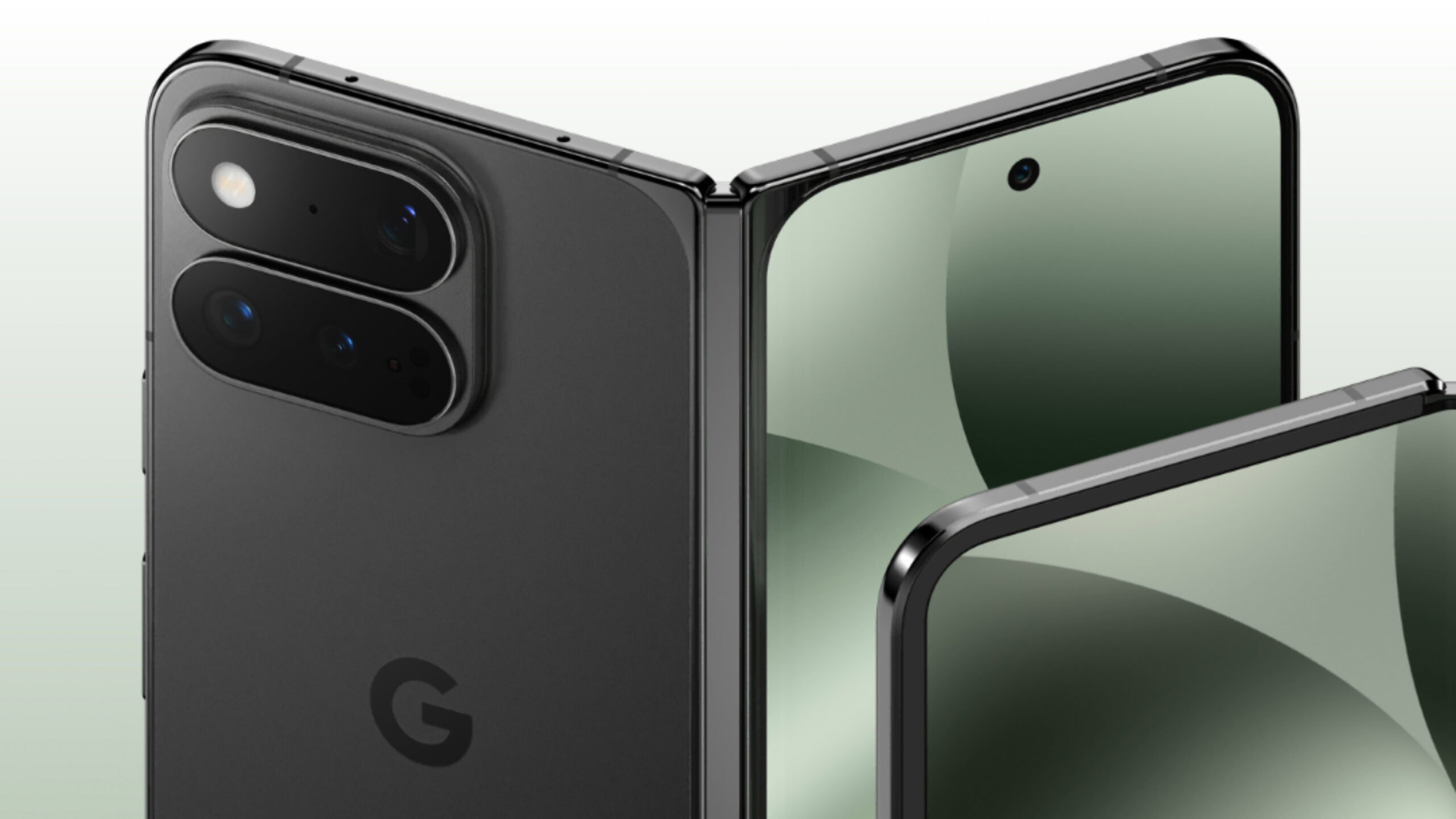

Pixel 11 Pro Fold vs the field: where it stands before launch
The Pixel 11 Pro Fold comparison with the Galaxy Z Fold 7 and Motorola Razr Fold centers on whether Google’s next foldable can fix six clear weaknesses in weight, battery, software, display, cameras, and overall performance to become a credible flagship alternative in a maturing foldable market.
If you want the safest bet in foldables today, the Galaxy Z Fold 7 and Razr Fold already feel finished and refined, while the Pixel 11 Pro Fold is still a promise built on leaks, FCC filings, and Google’s track record. The previous Pixel 10 Pro Fold looked good on paper, with a Tensor G5 chip, a 5,015mAh battery, faster 30W charging, magnetic Qi2 and even IP68 support, yet it felt outdated beside the Galaxy Z Fold 7 soon after launch. That gap has only widened now that Motorola’s Razr Fold has arrived as a powerful big-screen Razr Fold competitor. In this foldable phone comparison, the burden is on Google: the Pixel 11 Pro Fold must fix six specific flaws or stay a niche choice.
Design and weight: Google’s heaviest problem
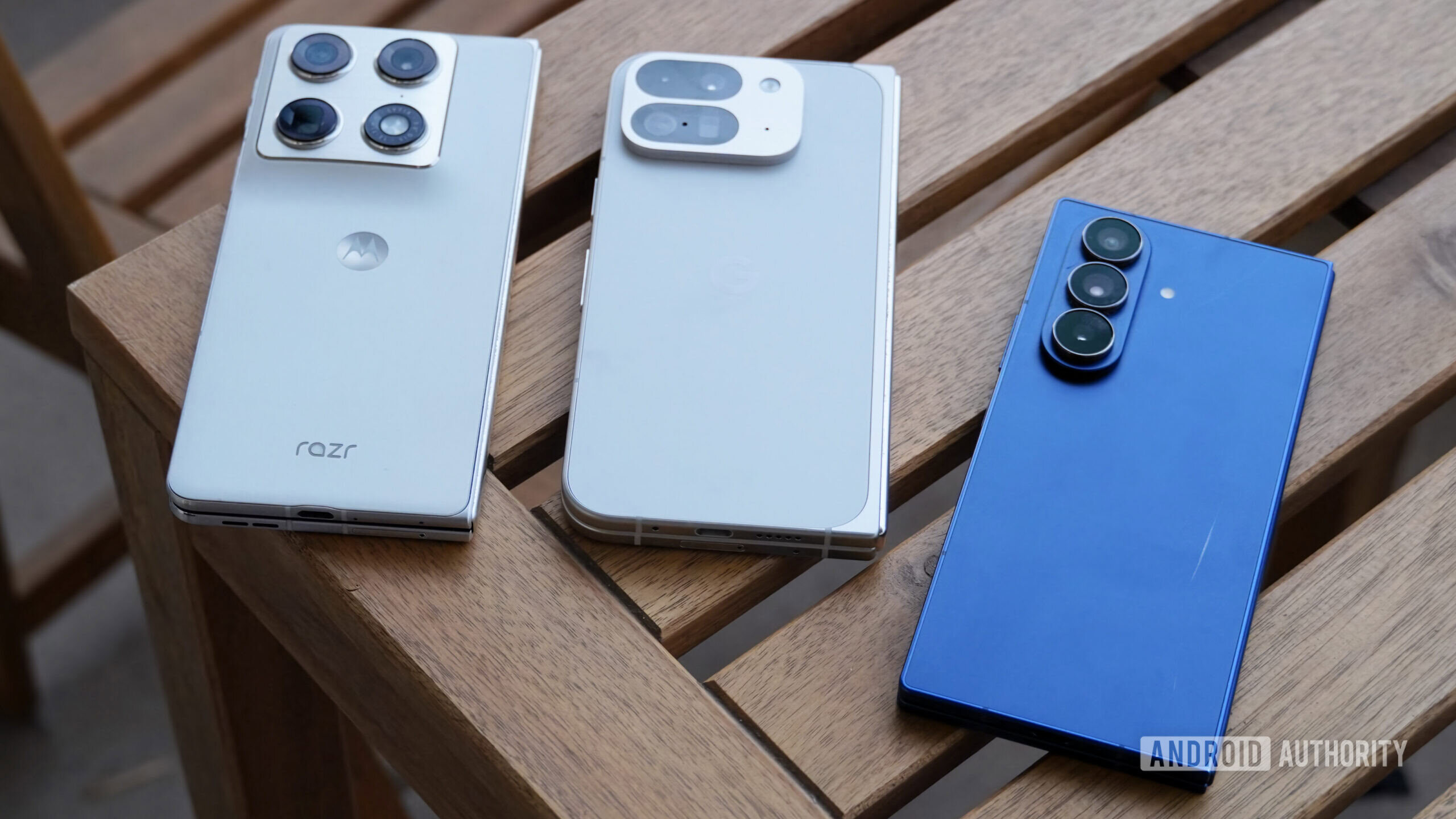
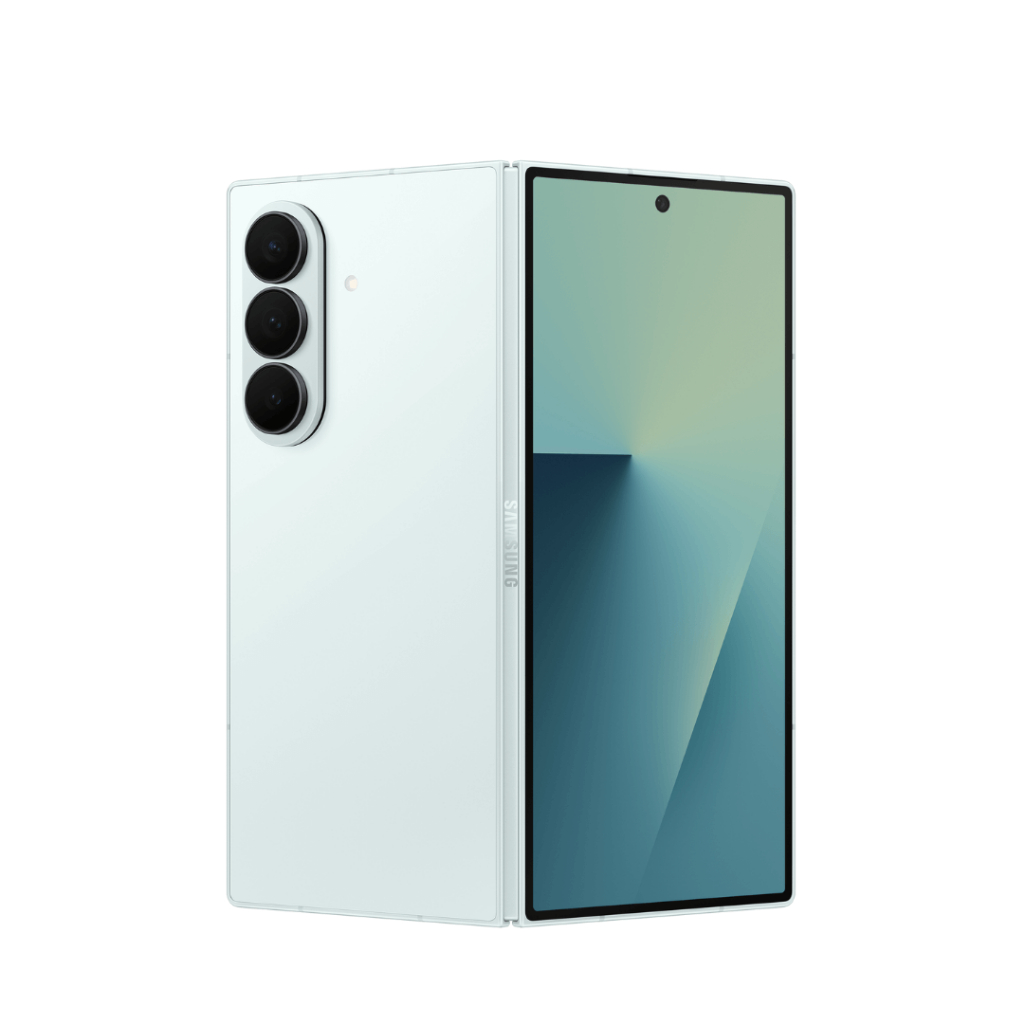
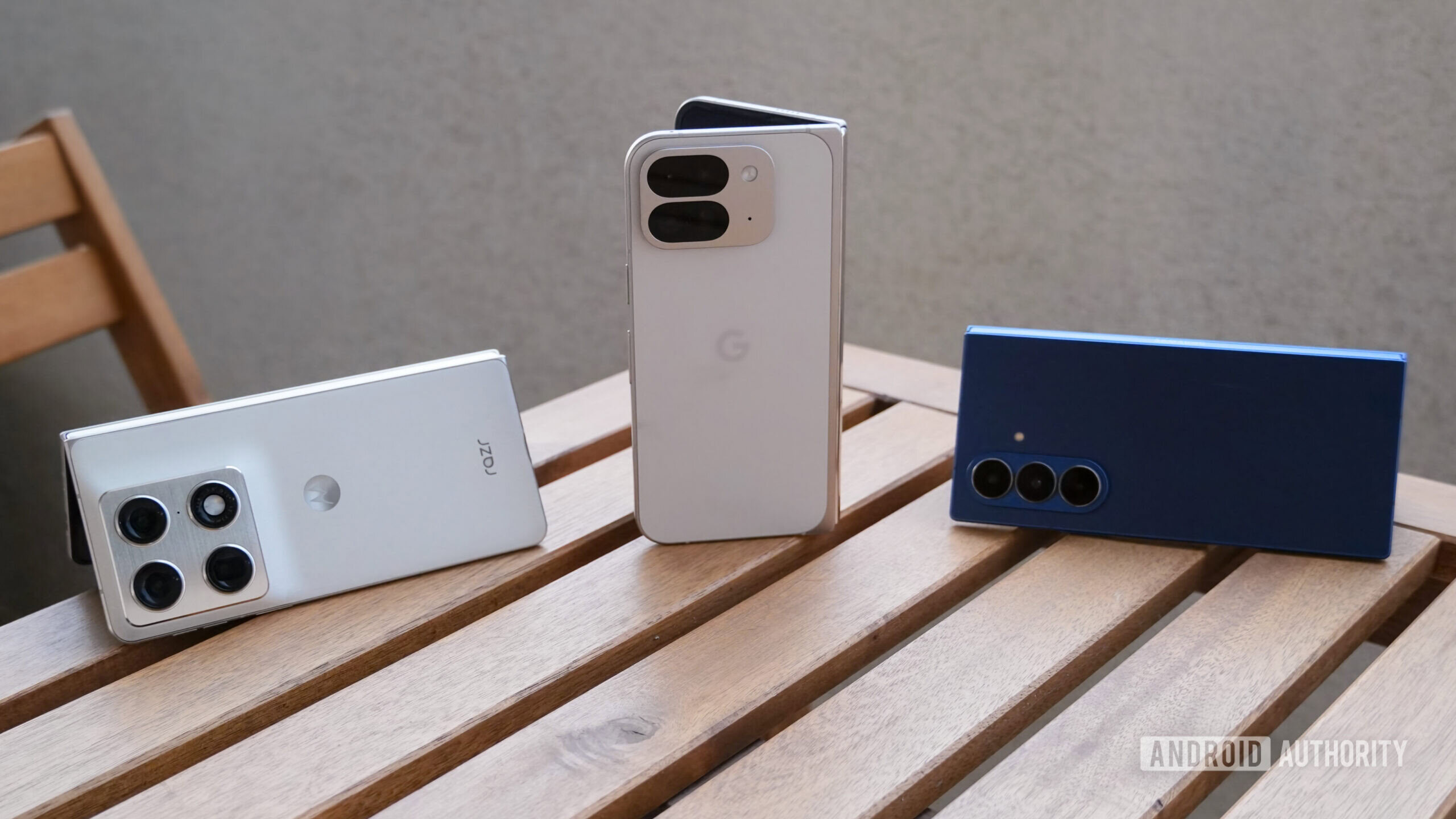
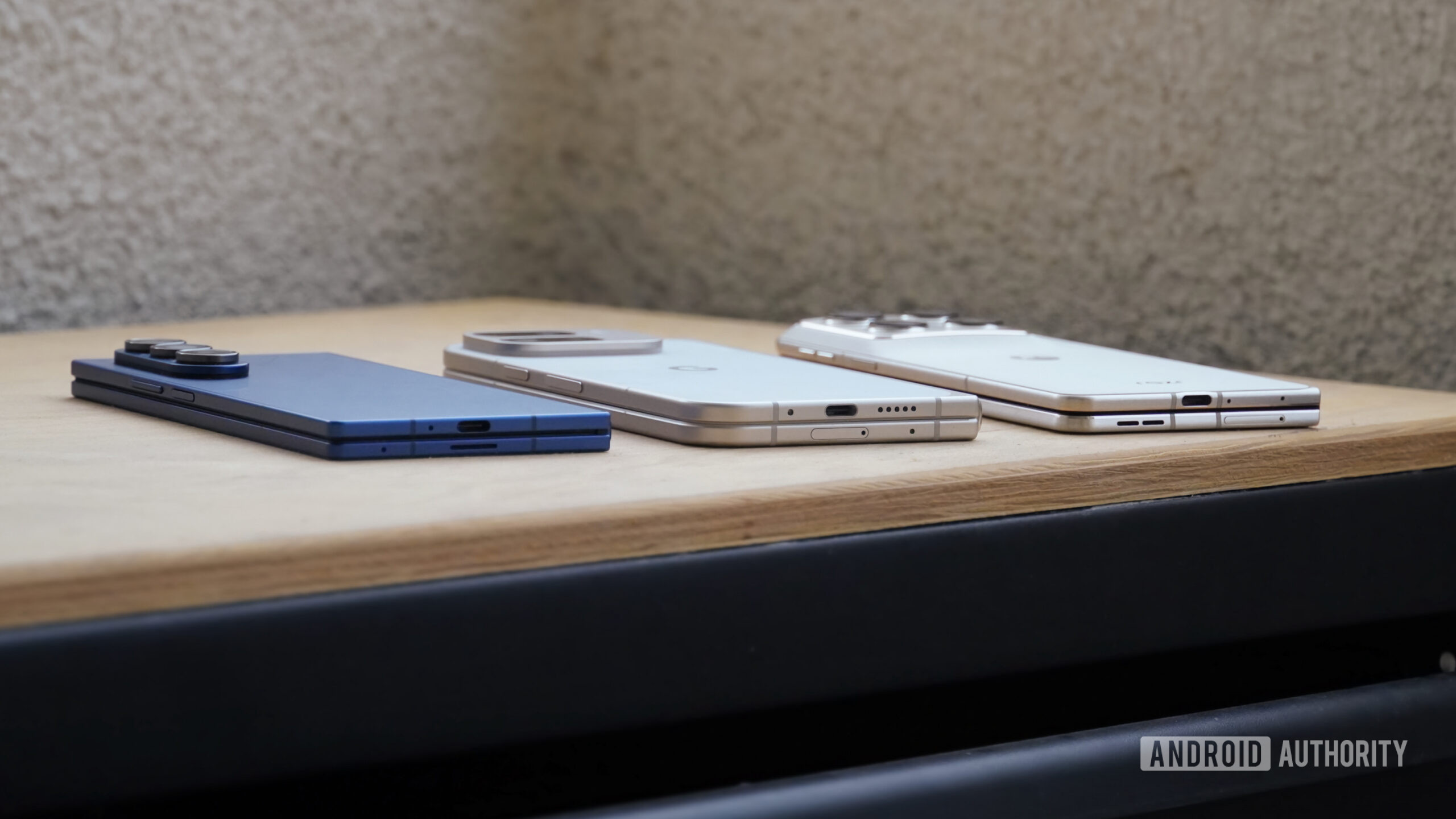
Design is where the Pixel 10 Pro Fold most clearly trailed Samsung and Motorola, and where Pixel 11 Pro Fold upgrades are most urgent. The Pixel 10 Pro Fold weighs 258g, which is one gram more than the Pixel 9 Pro Fold and a full 15g heavier than the Razr Fold at 243g. It is also a huge 43g heavier than the Galaxy Z Fold 7, which weighs 215g. That weight makes it feel closer to a bulky slab than a futuristic folding device. Thickness is less extreme but still behind both rivals, and shaving even a millimeter to match or beat Motorola would make daily use far more comfortable. If the Pixel 11 Pro Fold does not slim down meaningfully, it will appeal only to buyers who value Google’s software and features above comfort in the hand and pocket.
| Spec | Pixel 10 Pro Fold (baseline) | Key rivals (Galaxy Z Fold 7 / Razr Fold) |
|---|---|---|
| Weight | 258g (heaviest of the three) | 215g (Z Fold 7) / 243g (Razr Fold) |
| Notable design elements | Qi2 magnets, larger battery but thicker and heavier | Lighter, thinner designs that feel more modern in hand |
For buyers, this means: choose Samsung or Motorola if you want a foldable that disappears in your bag, and only consider the Pixel 11 Pro Fold if Google proves it has finally treated weight as a top design priority. According to one reviewer, “If there’s one spec Google should focus on for the Pixel 11 Pro Fold, it’s the foldable’s weight.”
Battery, charging, and screens: Razr Fold sets the pace
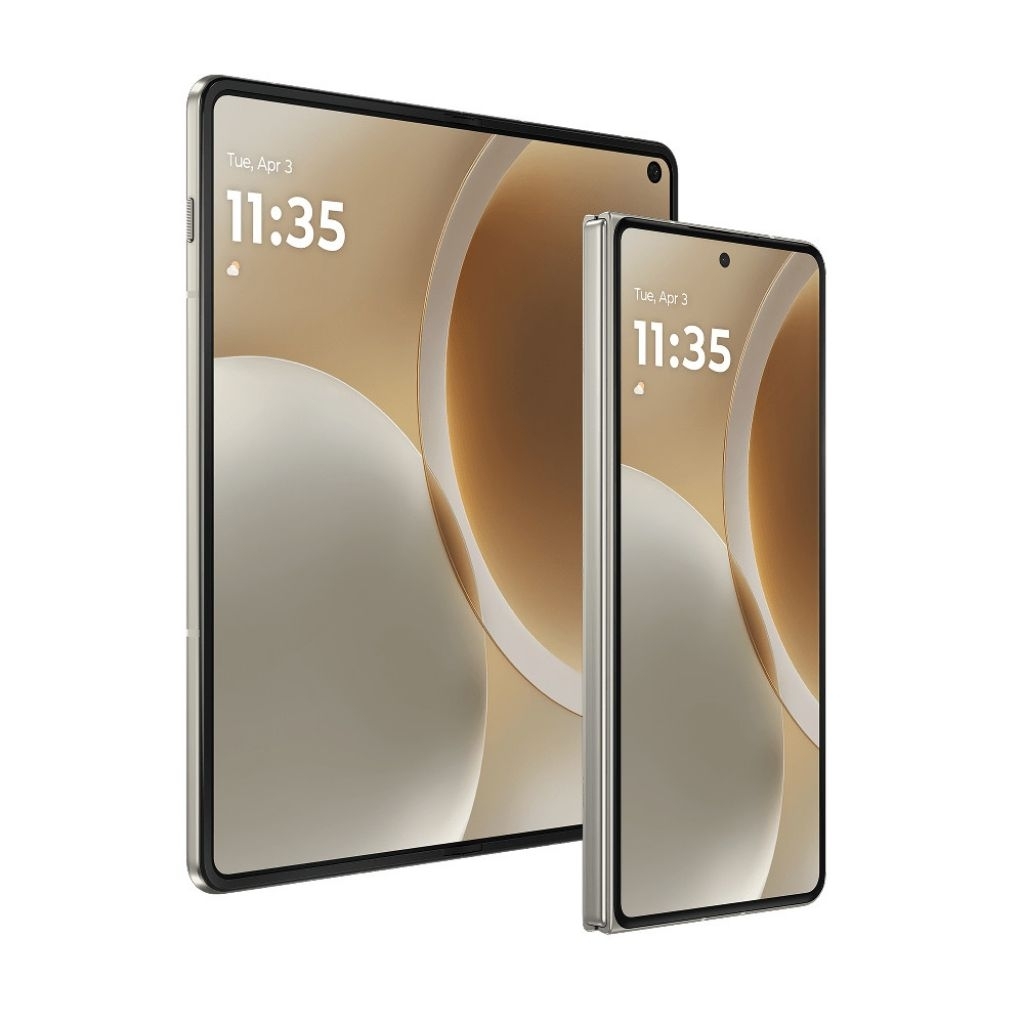
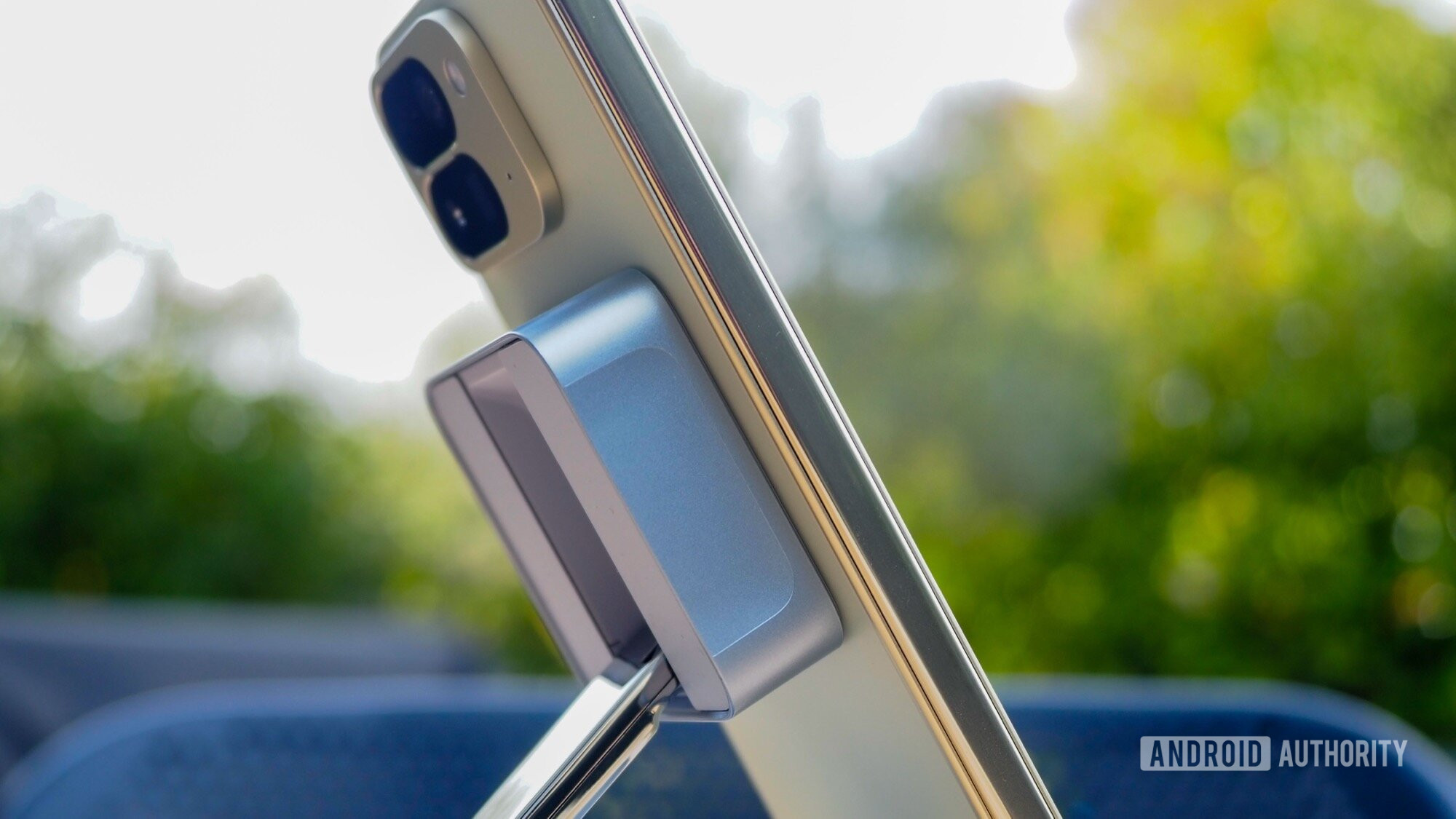
On power and endurance, the Pixel 10 Pro Fold beat the Galaxy Z Fold 7 in raw battery capacity and charging speed, and its magnetic Pixelsnap support added convenience. The Galaxy Z Fold 7’s 4,400mAh battery has been a recurring weakness, especially with heavy main display use. Google’s 5,015mAh cell and 30W wired charging were enough when Samsung was the only big rival. That changed when Motorola’s Razr Fold arrived with silicon‑carbon battery tech, a massive 6,000mAh battery and up to 80W wired charging, setting “a new standard for US foldables.” Now, Pixel 11 Pro Fold upgrades must include faster wired charging and ideally another bump in capacity if Google wants to keep up. Otherwise, the Razr Fold remains the obvious choice for users who live on their main screen all day.
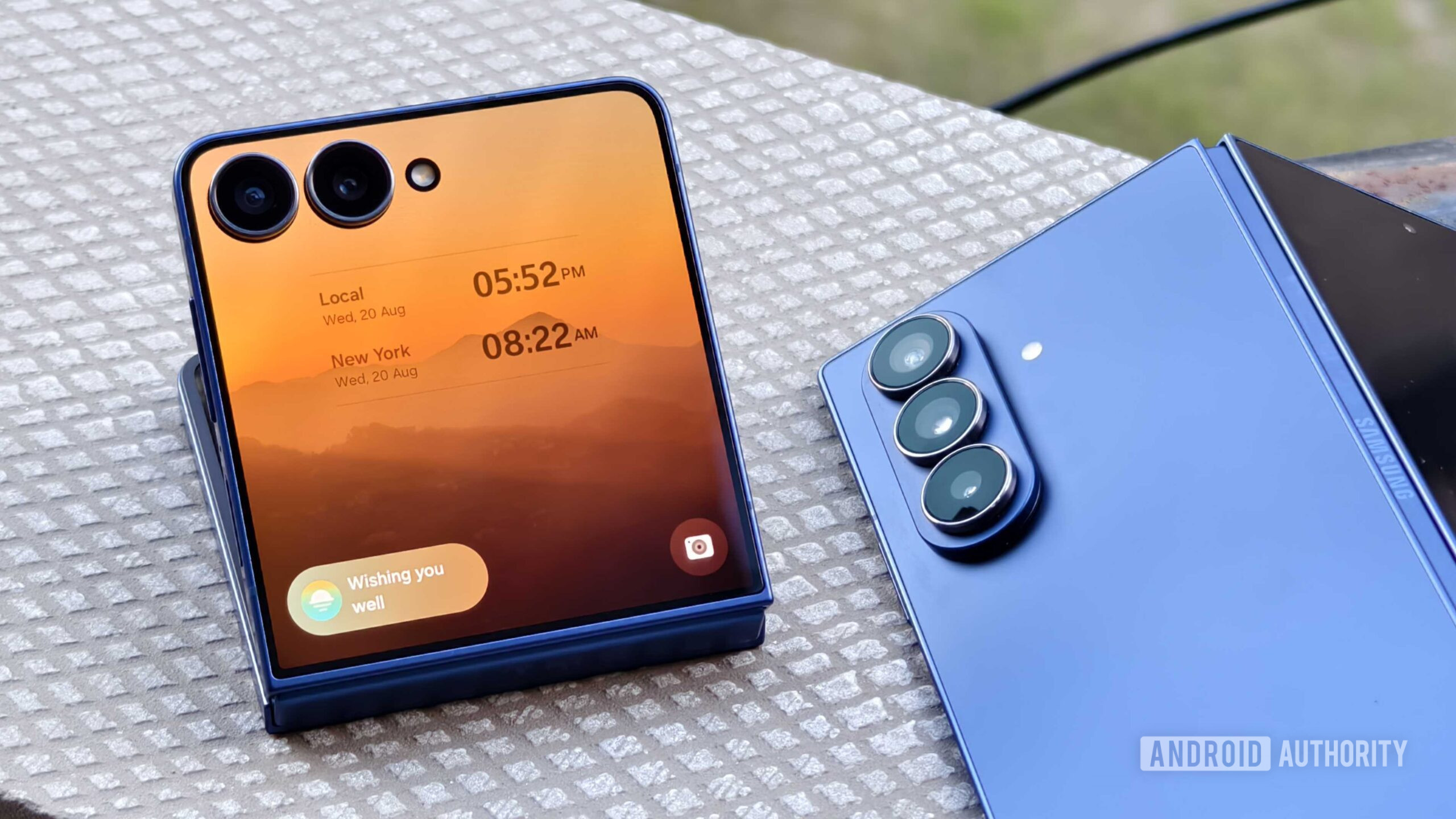
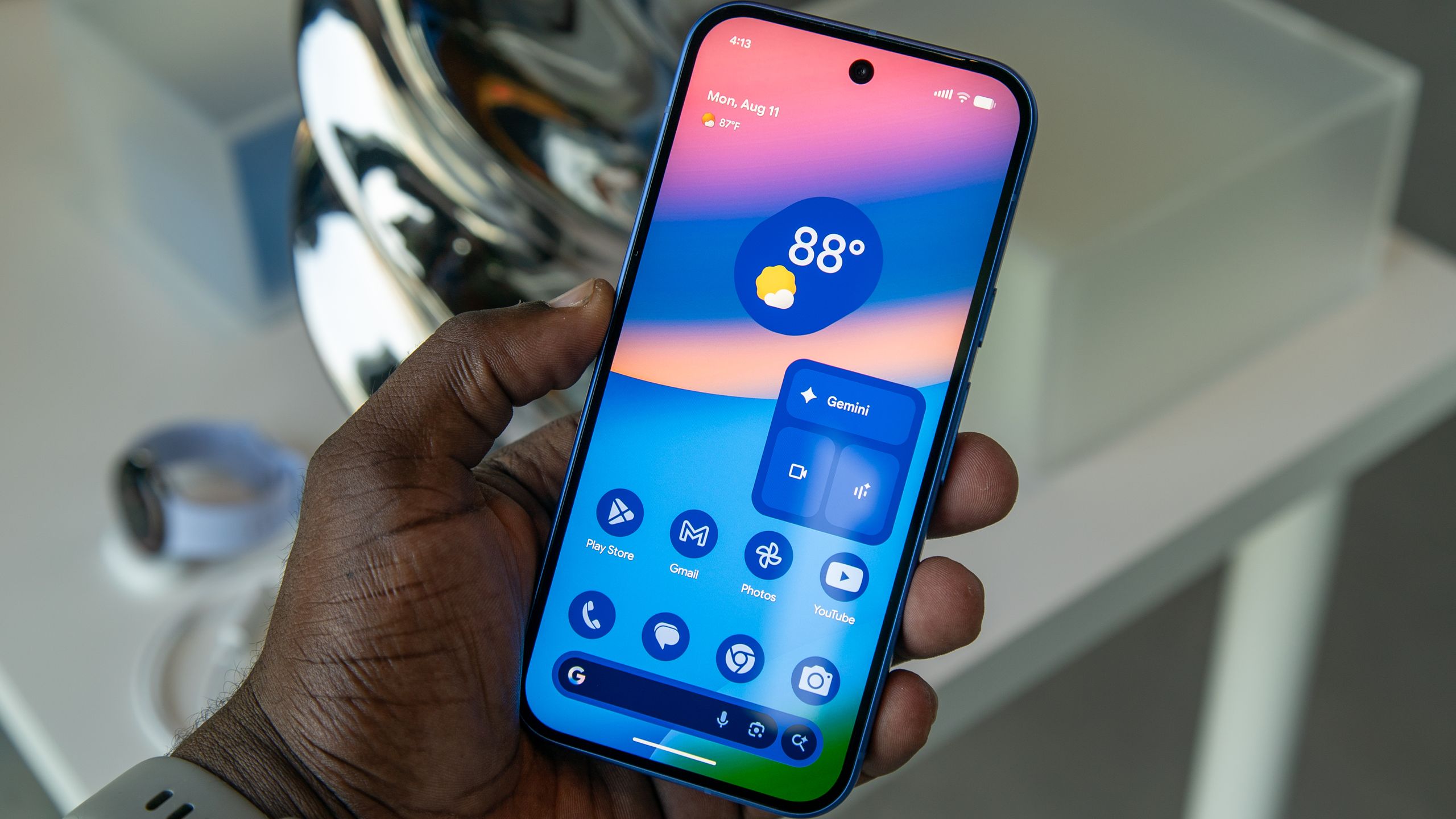
Display hardware is another weak point. The Pixel 9 Pro Fold and 10 Pro Fold cover screens were once charming, but their strong curves and thick‑looking bezels now feel dated next to the sleeker Galaxy Z Fold 7 and Razr Fold. The Pixel 10 Pro Fold’s outer OLED supports 120Hz but lacks LTPO, so it cannot vary refresh rate and limits always‑on display to black backgrounds. Rumors suggest the Pixel 11 Pro Fold could ship with a 1,080×2,342 outer OLED at 60–120Hz and a 2,076×2,160 inner OLED at 1–120Hz. To close the gap, Google needs slimmer bezels, a flatter cover display that looks modern, and true variable refresh on both panels. If you care about the screen looking as advanced as it feels, Samsung and Motorola still lead unless Google executes here.
Cameras, software, and performance: what Pixel must fix
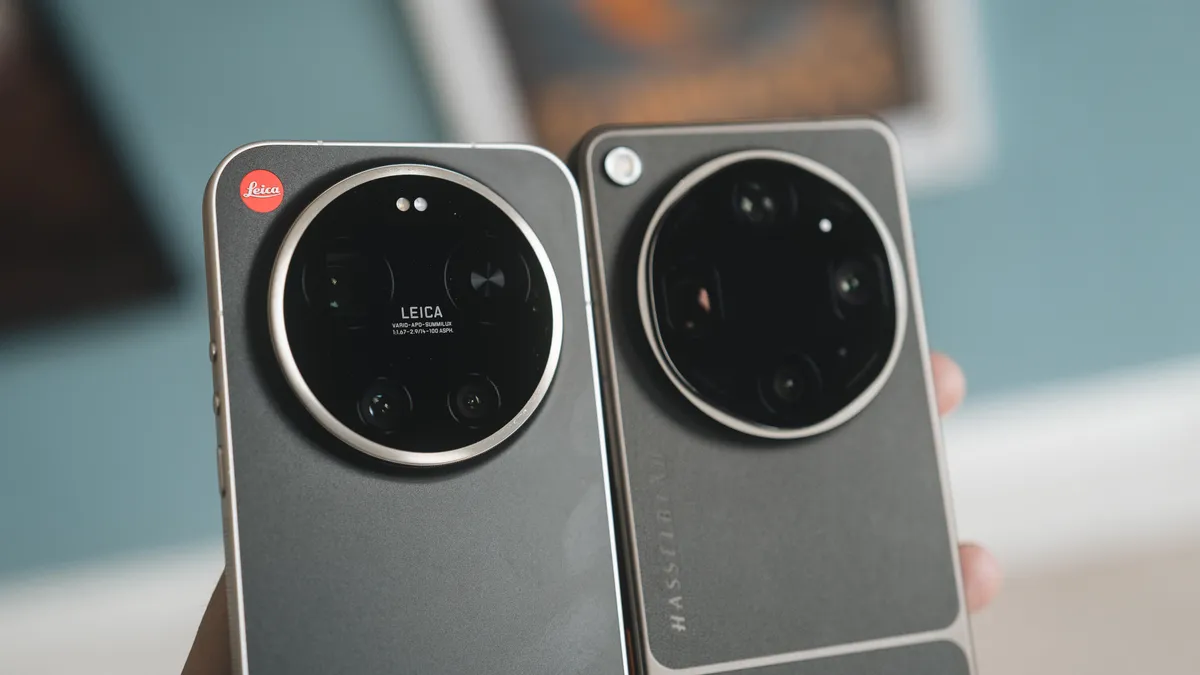
The Pixel 10 Pro Fold reused the Pixel 9 Pro Fold’s triple rear camera setup: a 48MP main sensor, 10.8MP 5x telephoto, and 10.5MP ultrawide. While the main camera holds up, the telephoto and ultrawide feel dated alongside the Galaxy Z Fold 7’s 200MP main camera and the Razr Fold’s 50MP shooter, both part of aggressively tuned camera systems. Pixel phones were once known for their camera prowess, and the Pixel 11 Pro Fold should lean back into that identity. A sharper telephoto, better ultrawide, and refined inner‑screen selfie camera are table stakes if Google wants creators and camera enthusiasts to choose its foldable over Samsung’s or Motorola’s. Otherwise, the Pixel line loses one of its traditional advantages.
Software and performance are equally critical. Multitasking is where foldables earn their premium, yet Google’s foldable software reportedly lags behind rivals, with weaker multitasking features than those found on Motorola’s Hello UI or Samsung’s pop‑up and multi‑window tools. One reviewer argues that Pixel foldables cannot compete unless the Pixel 11 Pro Fold adds major multitasking upgrades and borrows the best ideas from other brands. Performance matters more on a foldable, where gaming and heavy app use are common, and Pixels “aren’t cutting it” today. FCC listings confirm the next foldable supports Bluetooth LE, LTE, Ultra‑wideband, NFC, and Thread, and is hearing‑aid compatible, which is encouraging for connectivity. But unless Google couples that with stronger processing and smarter multitasking, the Galaxy Z Fold 7 vs Pixel contrast will still favor Samsung for power users, while the Razr Fold could “eat the Pixel 11 Pro Fold’s lunch” across the board.
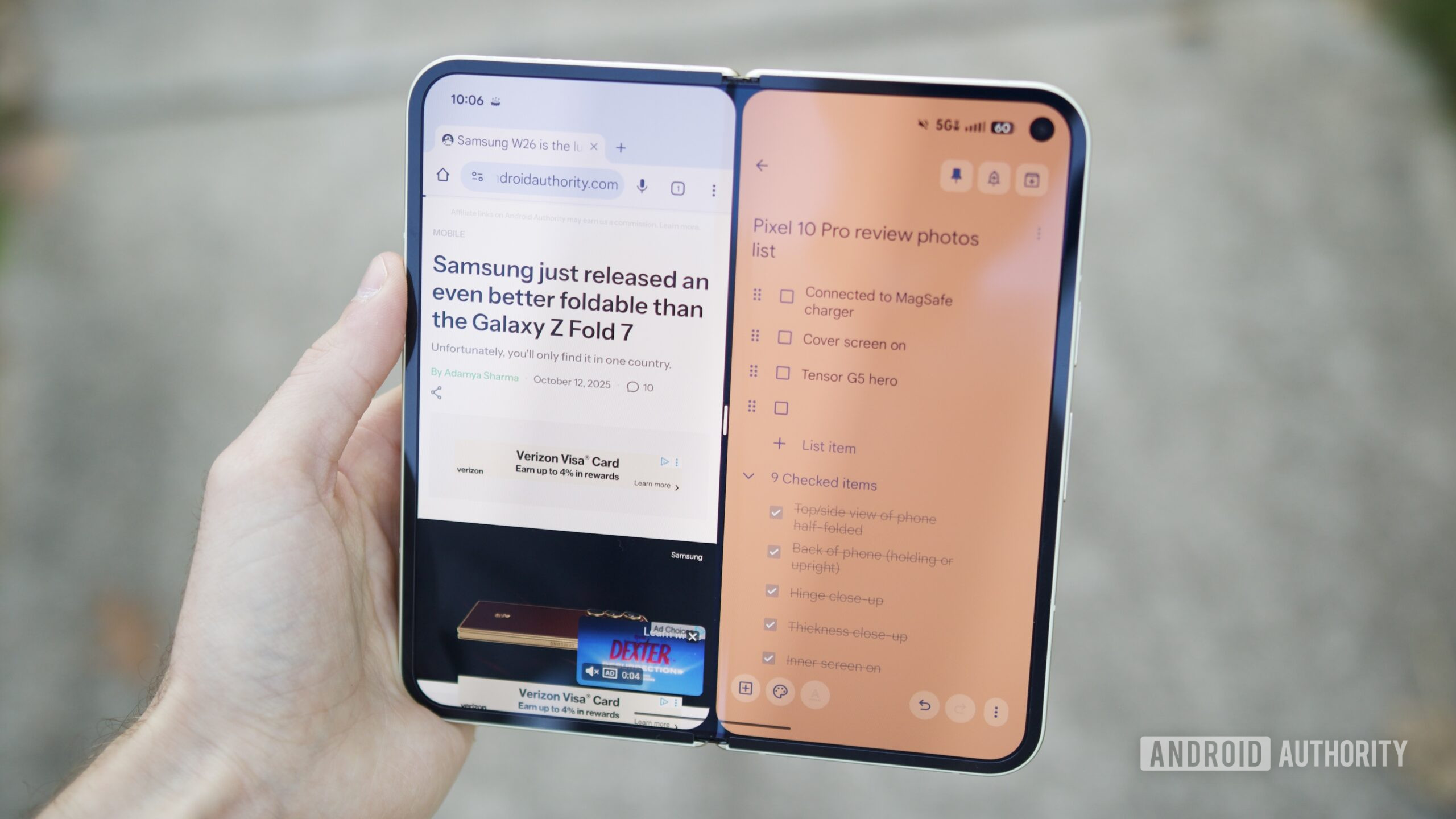
Buy if / Skip if
- Buy the Galaxy Z Fold 7 if you want a lighter, established foldable with strong performance and mature multitasking tools today.
- Skip the Galaxy Z Fold 7 if battery life on the main display is your top concern, as its 4,400mAh capacity continues to feel limited.
- Buy the Razr Fold if you prioritize battery life and fast charging, since its 6,000mAh cell and up to 80W wired charging set the new standard.
- Skip the Razr Fold if you need magnetic wireless charging or are deeply invested in Google’s Pixel‑specific software features.
- Buy the Pixel 11 Pro Fold if Google proves it has cut weight, improved multitasking, sharpened the cameras, and upgraded both displays compared to the Pixel 10 Pro Fold.
- Skip the Pixel 11 Pro Fold if launch reviews show only minor changes in weight, cameras, and software, because Samsung and Motorola will still offer the more complete foldable experience.