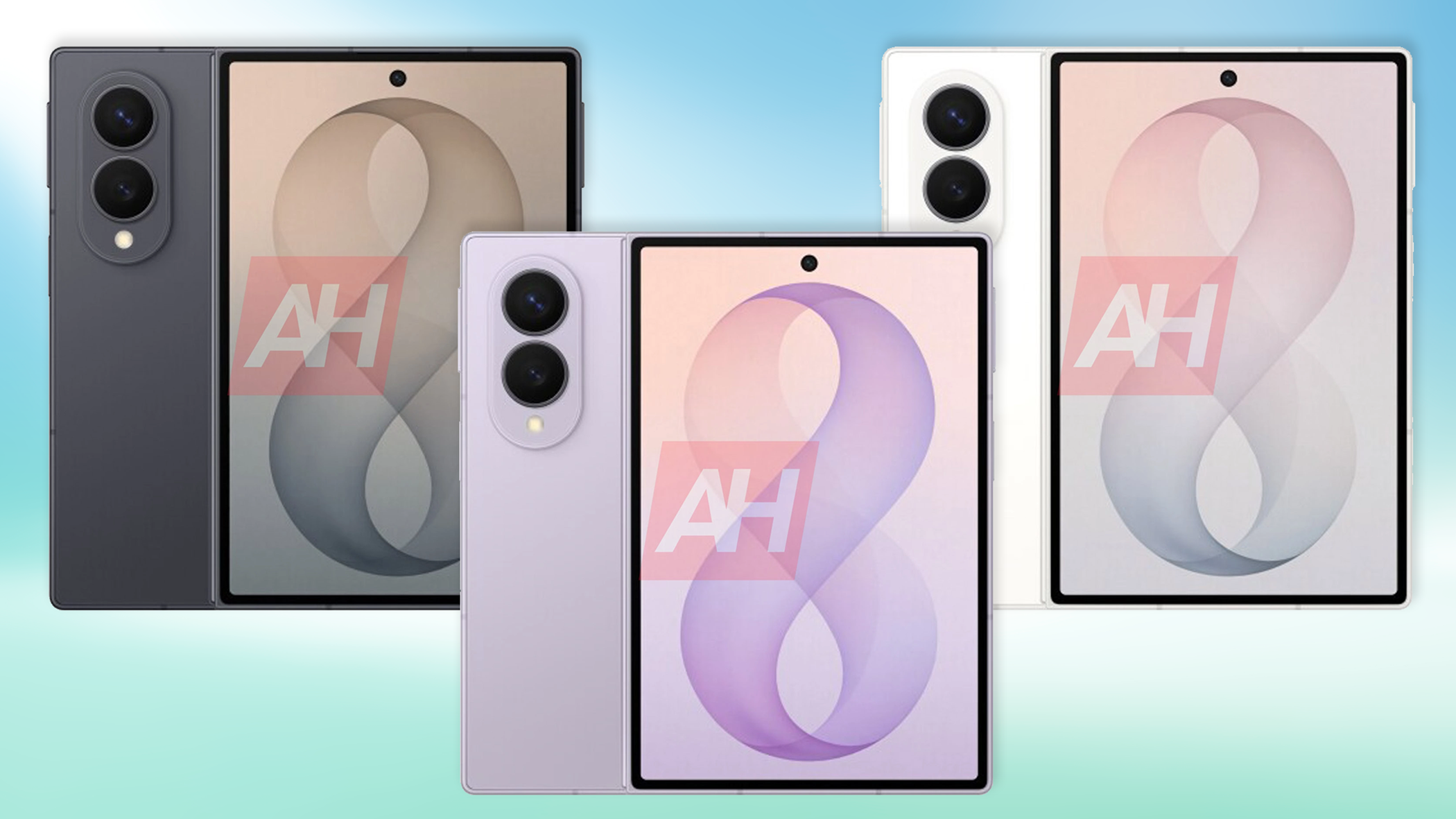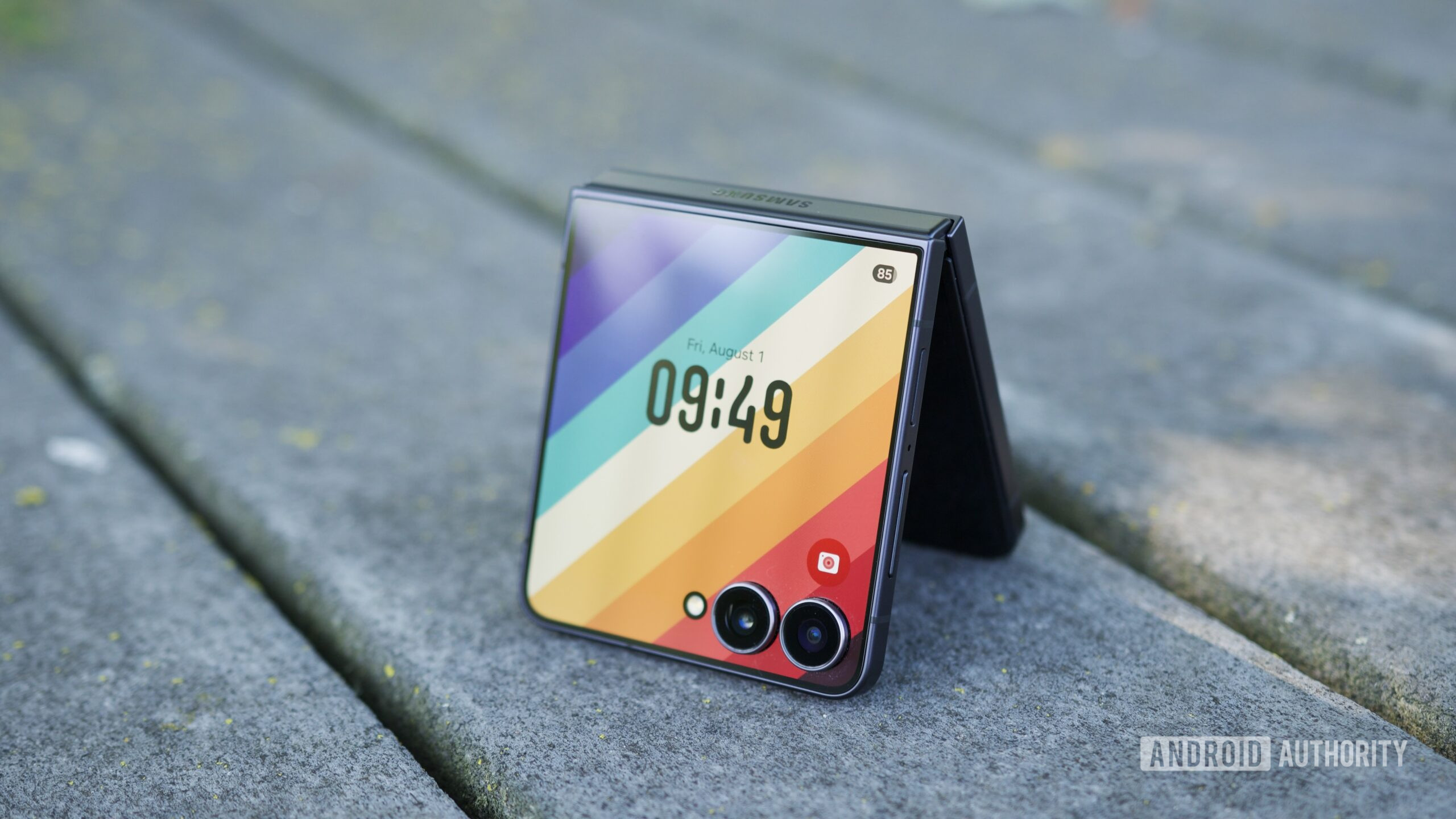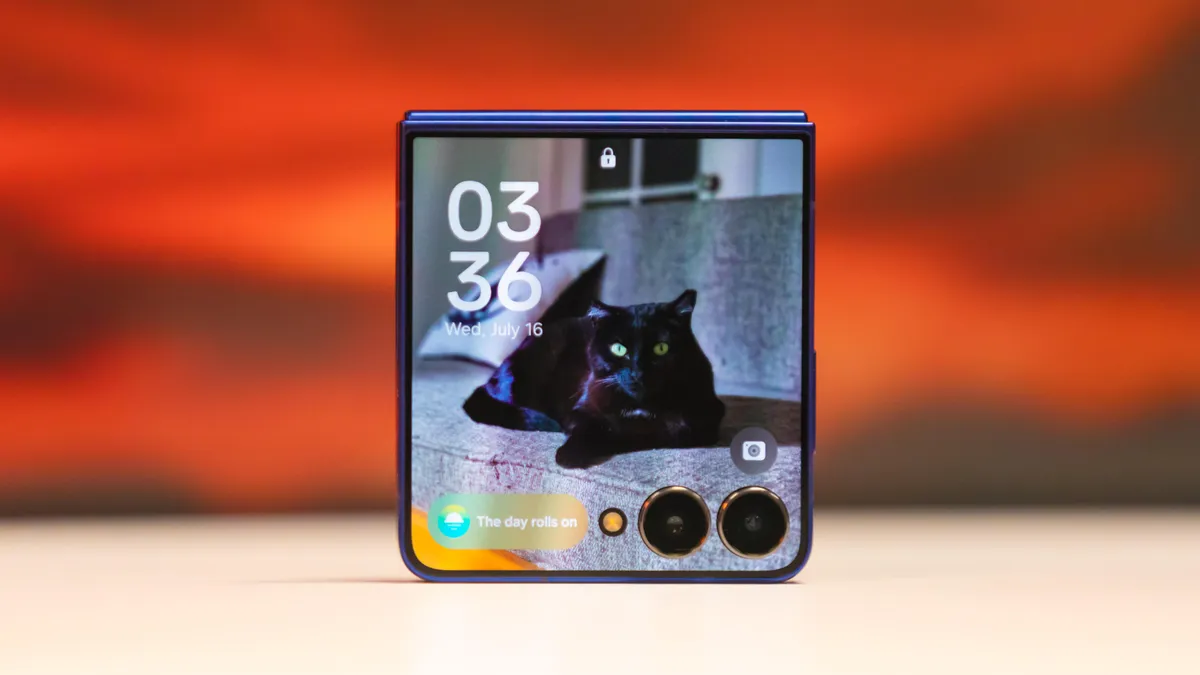

From Foldable Gimmick to Crease-Controlled Screen
Samsung’s new stress-spreading OLED technology for foldable phones is an engineering approach that combines a titanium support layer with micro‑perforated structures to distribute bending stress across the display, sharply reducing the visible foldable screen crease and making flexible panels behave more like conventional glass slabs in daily use.
For seven generations, Samsung’s foldables carried the same visual confession: a trench down the middle of the main screen that you had to tolerate or avoid entirely. That compromise has defined public perception of the category more than any clever hinge demo. A foldable could be thin, bright and polished, yet one glance at the foldable screen crease told you it was a prototype made permanent. Samsung’s latest creaseless display engineering is the first serious attempt to flip that narrative from “ignore the flaw” to “enjoy the form factor.” The company is not killing physics; it is finally designing around it.
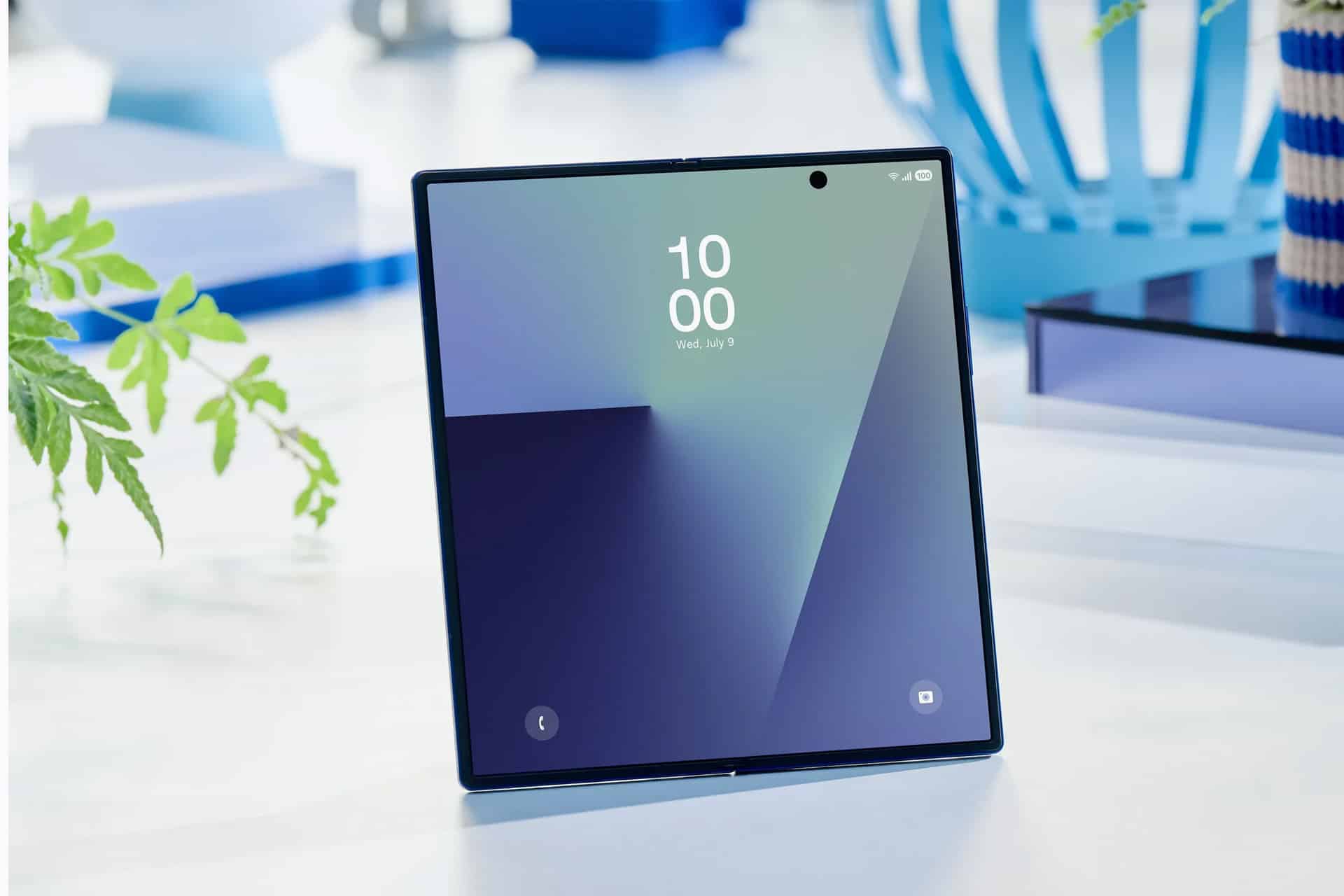
The Engineering Trick: Spread the Stress, Hide the Line
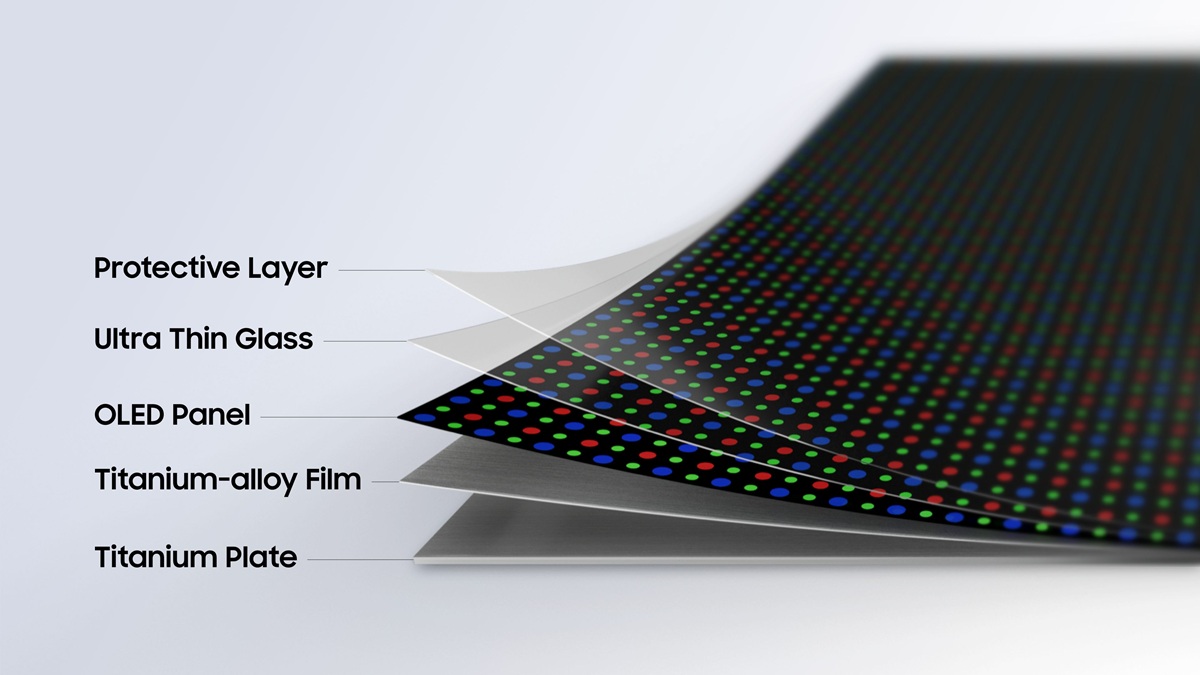
The crease exists because repeated folding concentrates mechanical stress along a single, brutal line in the OLED stack. Over time, that pressure deforms the layers and creates the familiar groove on book‑style foldables and flip phones. Samsung’s answer is deceptively simple: stop treating the fold as a hinge pin and start treating it as an area. The new panel uses tiny laser‑drilled micro perforations to spread folding stress across a wider zone instead of forcing the bend into one narrow point. That micro‑perforated layer gives the display more ways to flex, producing a smoother curve and less visible deformation where the screen folds.
Underneath, Samsung swaps the usual carbon fiber‑reinforced plastic support plate for Flex Titanium, a titanium‑based structure that is lighter, stronger and better suited to ultra‑thin foldables. Traditionally, CFRP has reinforced flexible OLED panels, but titanium can hold its shape while taking less space, giving the OLED stack a more stable, compact backbone. The company also pairs this with a new OLED process aimed at improving flexibility and foldable phone durability, continuing the long march from the fragile original Fold to something users can open and close without a second thought.

Why This Makes Foldables Feel Like Normal Phones
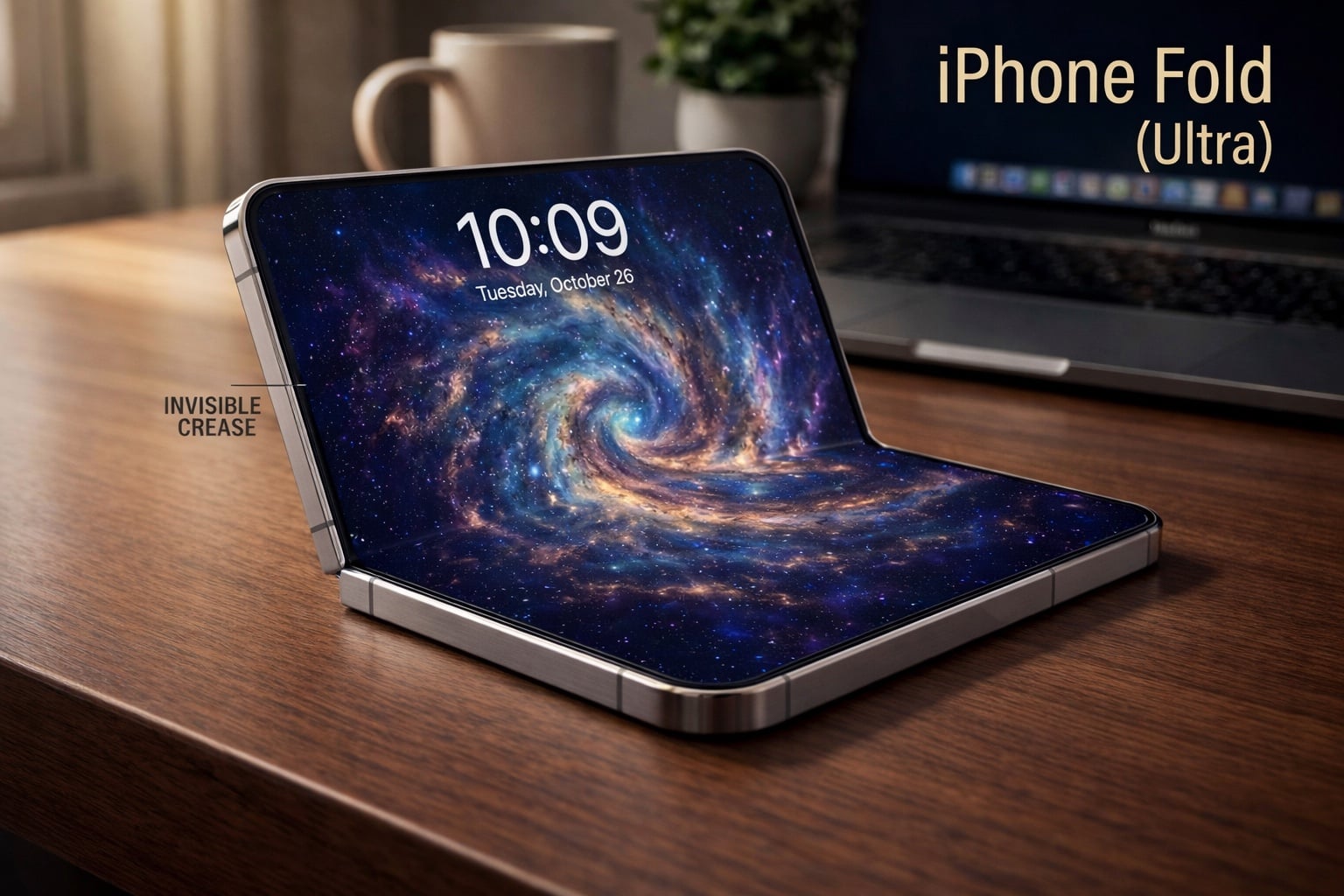
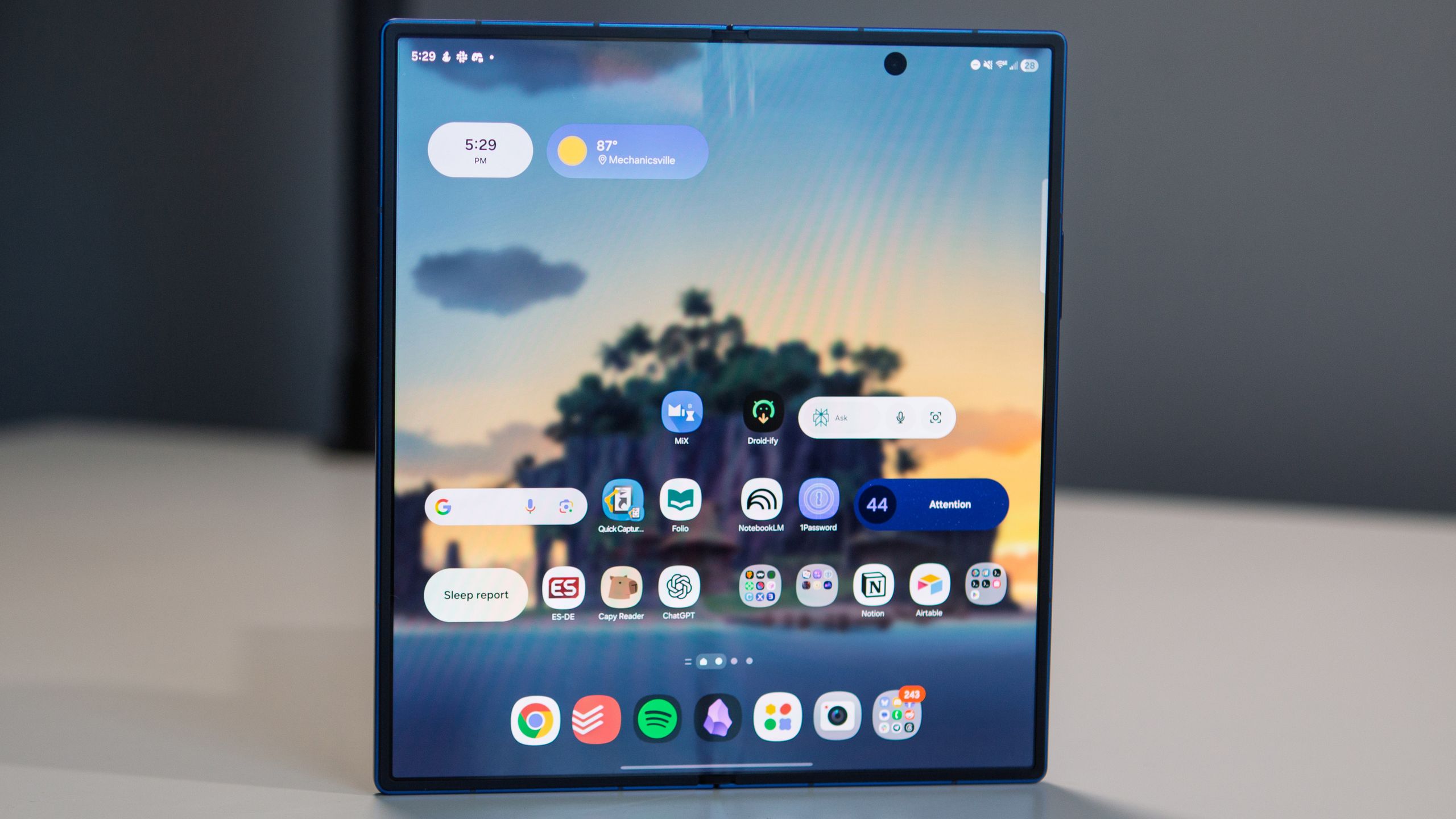
The real win is not an engineering trophy; it is how the screen feels and looks. Samsung’s creaseless displays move foldables closer to the promise they have chased for years: a large inner screen that no longer reminds you, every time you look at it, that it bends in half. A visible crease makes a premium foldable feel less premium. A nearly invisible crease changes the conversation from “can you live with the flaw?” to “do you want a pocket‑sized tablet?” A creaseless display is therefore not only a better screen; it is a more convincing foldable device.
This is where perception and physics intersect. Instead of defending the compromise, the device can sell the benefit: tablet‑like workspace, pocketable size, multitasking, reading, gaming, video and productivity without the feeling of a prototype. Personally, I’m all for anything that makes foldables thinner and tougher, because that’s what people actually notice after the novelty wears off. When the inner display no longer shouts “fragile” every time the light hits the seam, foldables start to compete with flat glass slabs on comfort, not just cleverness.
Hinge, Glass and Durability: Engineering Beyond the Buzzword
“Creaseless” needs a careful reading. In marketing, it suggests the crease is gone; in engineering reality, the panel still bends along a repeated axis. The hinge still matters. The glass, OLED stack, adhesives and protective layers still have to survive thousands of folds without visible damage. Samsung’s foldables have already improved durability dramatically since the first Galaxy Fold, but a creaseless panel must prove it can handle daily abuse before it is more than a trade‑show win. This is the familiar tightrope of foldable phone durability: every attempt to make the screen feel more like glass, or the hinge more forgiving, risks new weaknesses elsewhere.
The hinge evolution mirrors the display work. Early designs forced tight bends that worsened the foldable screen crease and increased stress on the OLED. Newer systems use wider, waterdrop‑style folding radii and improved support plates to reduce pressure on the stack. Samsung’s stress‑spreading OLED design sits on top of that progress. It does not replace the hinge; it complements it, making the physical act of folding less punishing to the pixels. The ambition is clear: a screen that feels like glass, folds like paper and survives like a normal phone. We are not there yet, but this is the most credible step toward that ideal so far.
Seven Years of Crease and the Competitive Stakes
For seven years and seven generations, Samsung left the foldable screen crease as the tax you paid for innovation. That long gap is why this shift matters so much now. The company claims to have completely re‑engineered the flexible screen to be almost crease‑free, far more durable and considerably thinner. In plain terms, it is admitting the old compromise was not good enough and using new materials and creaseless display engineering to fix it. A visible fold was acceptable when foldables were experiments. In a mature premium segment, it is a liability.
The stakes extend beyond one product line. According to industry reports discussed alongside Samsung’s display work, any future rival foldable that launches with a pronounced crease will look outdated the moment it arrives. That includes brands that may even buy panels from Samsung’s display arm. If Samsung can ship stress‑spreading OLED panels with titanium support at scale, it sets a new baseline for what a high‑end foldable must deliver. The foldable phone is finally starting to feel less like a science project and more like a shape‑shifting slab you could use for years without staring at its one big flaw.