
The uncomfortable truth about high resolution audio quality
High-resolution audio quality refers to digital music files encoded beyond standard CD quality—typically above 16-bit depth and 44.1kHz sample rate—with the promise of more detail, wider dynamic range, and extra high-frequency information that, in theory, should deliver a more lifelike and immersive listening experience to the human ear across capable playback systems. The uncomfortable truth is that for most listeners, those numbers are more marketing than miracle. Lossless audio streaming has made big bit-depth and sampling-rate figures a badge of status, but the key takeaway is blunt: CD-quality vs hi-res listening rarely produces an audible upgrade in real environments. When services push 24-bit/192kHz or even 32-bit/384kHz formats, they are chasing a spec sheet advantage rather than a genuine improvement you can hear.
CD quality vs hi-res: what the numbers actually mean
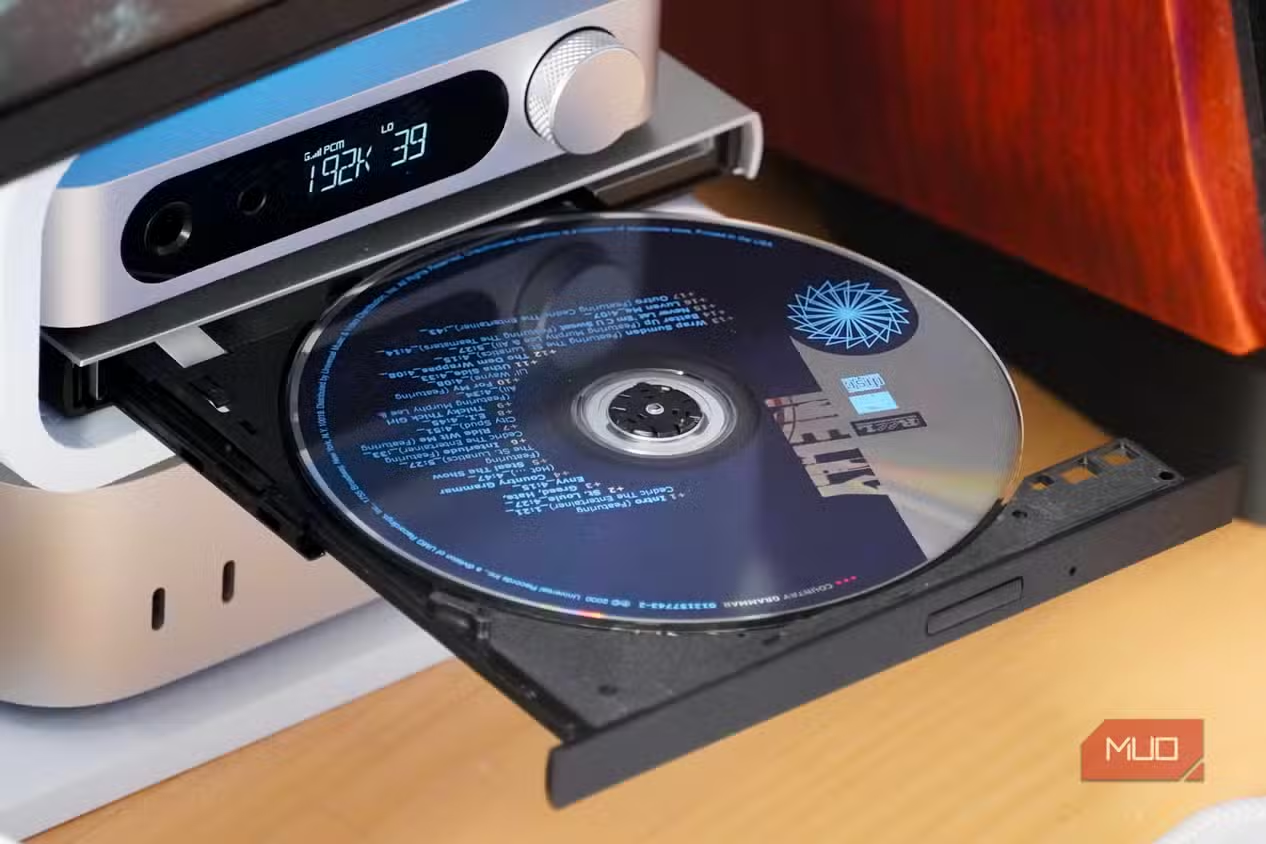
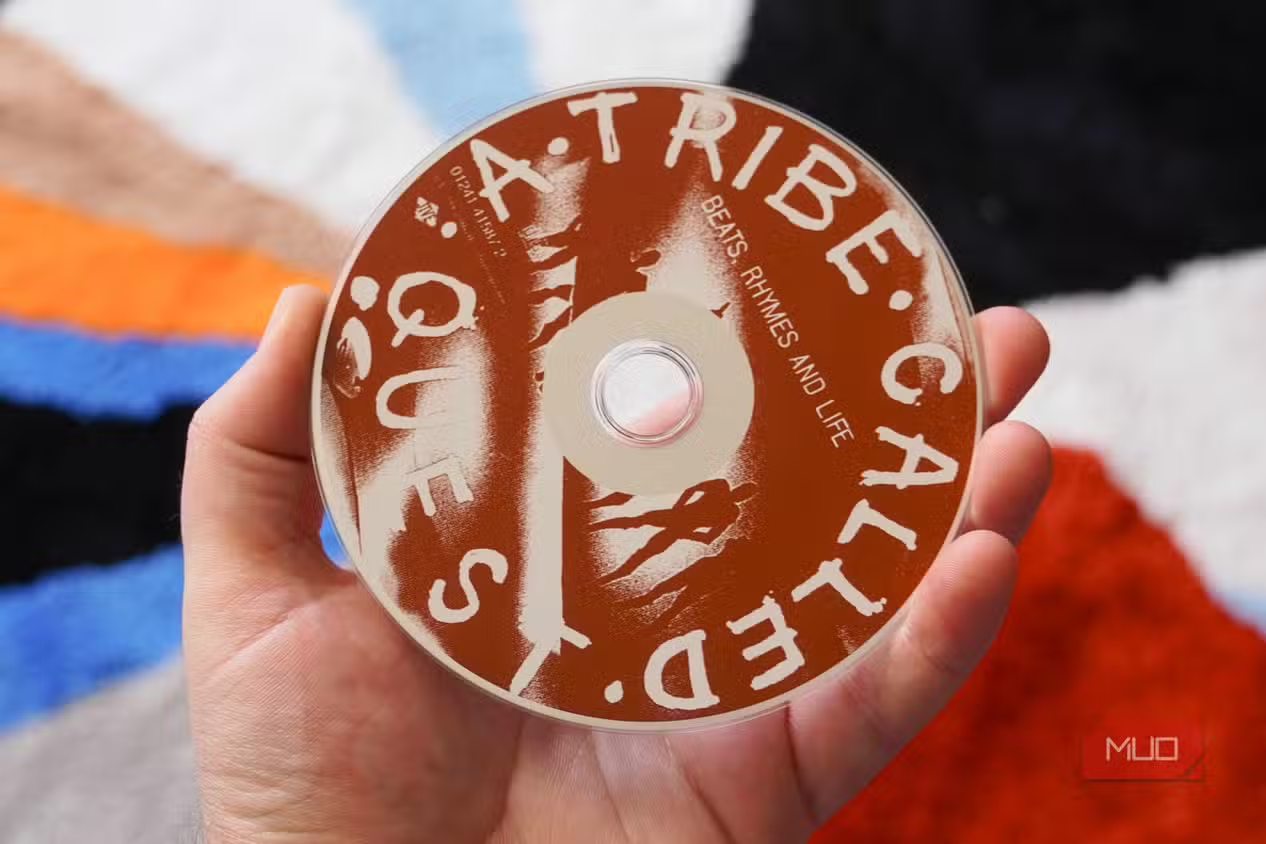
To understand why hi-res files underwhelm, you need to decode audio file resolution instead of worshipping it. The quality of audio files is described by bit depth and sample rate: in a CD-quality track, 16-bit depth sets dynamic range and noise floor, while a 44.1kHz sample rate defines how many times per second the waveform is captured. Lossless audio streaming typically uses this 16-bit/44.1kHz standard. Hi-res formats jump to 24-bit/192kHz, pushing bitrates near 4,000kbps and covering frequencies from 0Hz to 96kHz—far beyond human hearing. On paper, that sounds superior, but in practice you cannot hear those extra ultrasonic frequencies. According to Meyer and Moran, after a year of tests, even professional engineers and audiophiles could not reliably distinguish CD-quality vs hi-res files. Chasing higher specs here is like buying a car that can drive faster than any speed limit—you pay for potential you never use.
Human ears, real rooms, and the myth of limitless detail
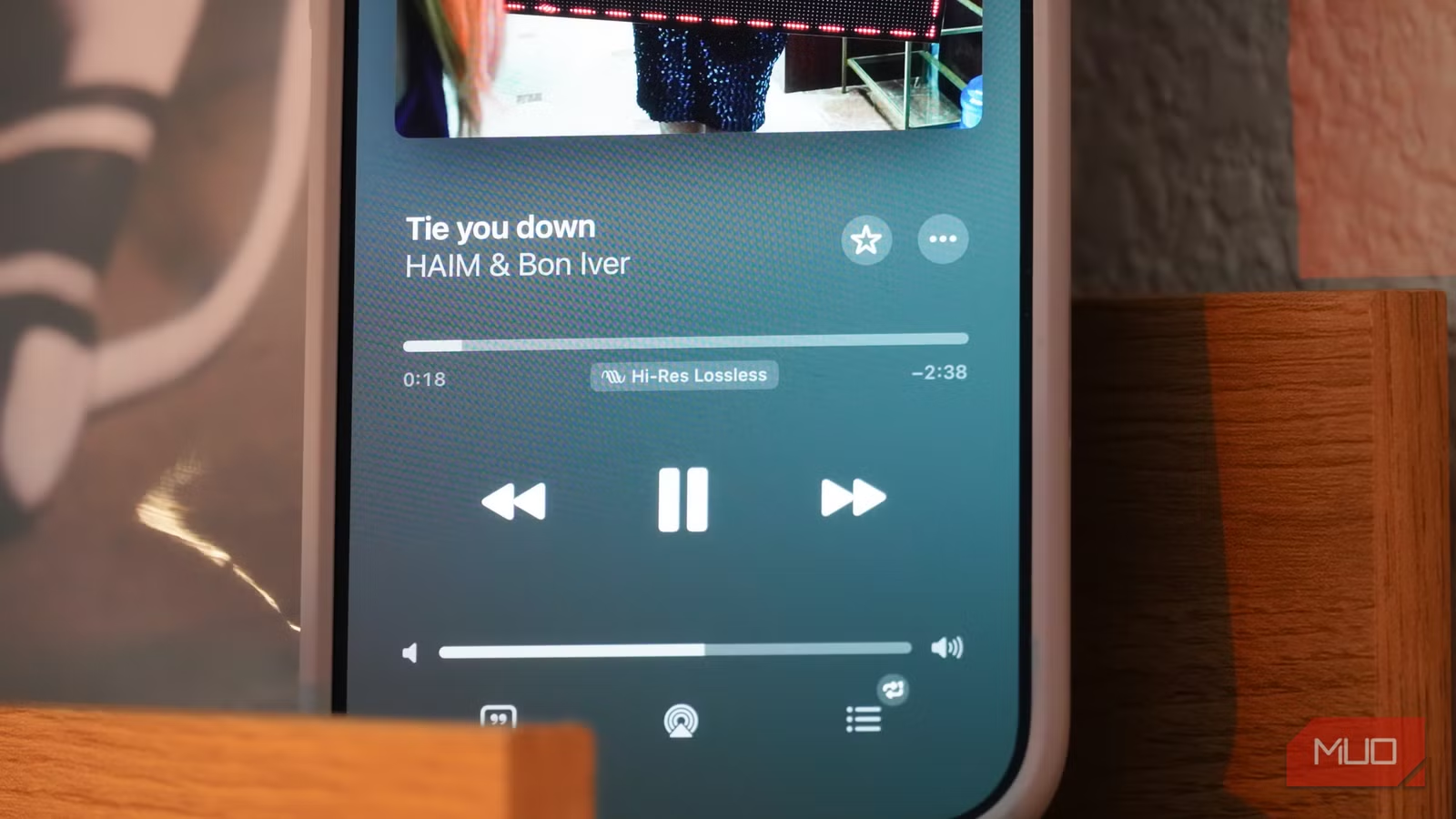
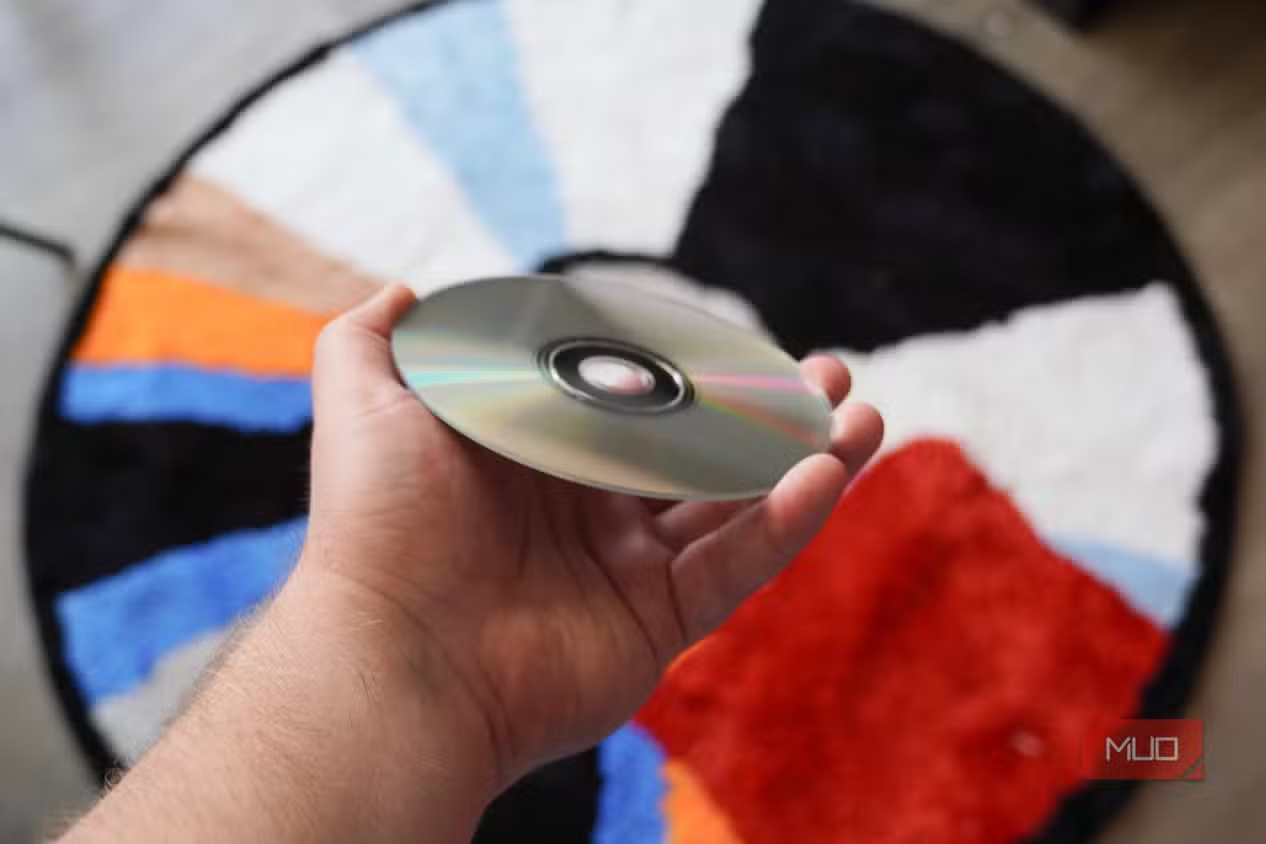
Hi-res marketing pretends your ears are lab instruments. They are not. Humans typically hear between 20Hz and 20kHz, and that upper limit shrinks with age even before noticeable hearing loss. A CD-quality file already contains more frequencies than you can perceive, so adding content up to 96kHz is functionally pointless for listening. Your environment further erodes any theoretical advantage; traffic noise, office chatter, and room reflections overwhelm subtleties in audio file resolution long before hi-res extras matter. If you are curious about your own limits, online high-frequency tests can quickly show where your hearing tops out. This is where the psychological side creeps in. Selecting the "hi-res lossless" toggle in an app feels like upgrading, but high-resolution lossless music streaming offers few practical benefits and is mostly a gimmick designed to impress, not to transform what you hear.
Lossless audio streaming, Bluetooth, and dongle DAC reality
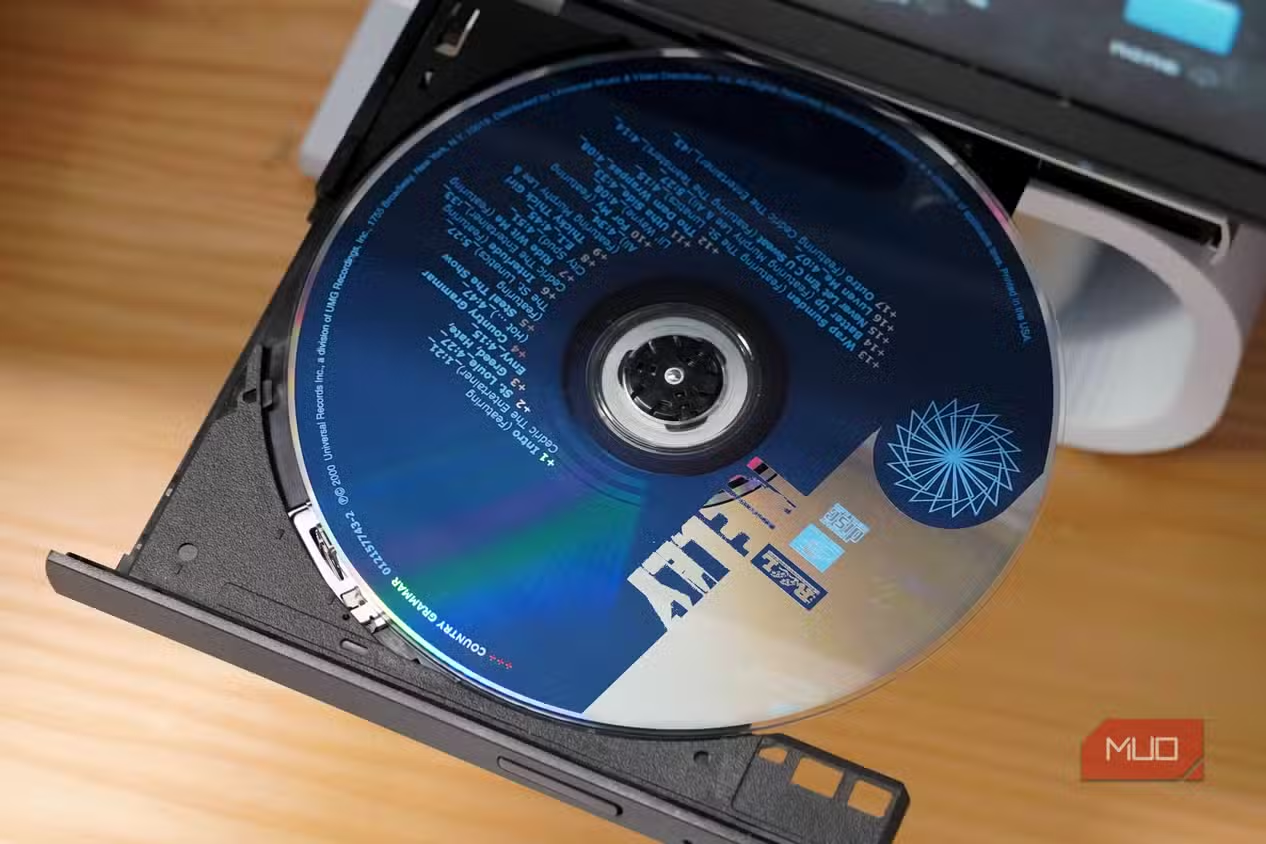
There is still value in lossless audio streaming—but it is easy to confuse useful lossless with wasteful hi-res. Every major service has a baseline lossy codec around AAC 256kbps, which is efficient and preserves the frequencies humans are most likely to hear. Moving from that tier to CD-quality lossless is worthwhile if you have decent headphones and a quiet space, because the file remains bit-perfect after compression. Beyond that, the chain matters more than the format. Use Bluetooth, and your audio is certainly compressed before it reaches your ears. Many Android phones also downsample high-resolution audio to 16-bit or 24-bit, 48kHz stereo PCM at the system level, meaning they cannot play hi-res files exactly as encoded. Smartphones can send bit-perfect audio over USB-C to an external DAC, which bypasses this resampling and can support up to 32-bit/384kHz playback with the right app and hardware. But the audible difference compared with your phone’s own wired output will usually be negligible.
What listeners should prioritize instead of chasing hi-res specs
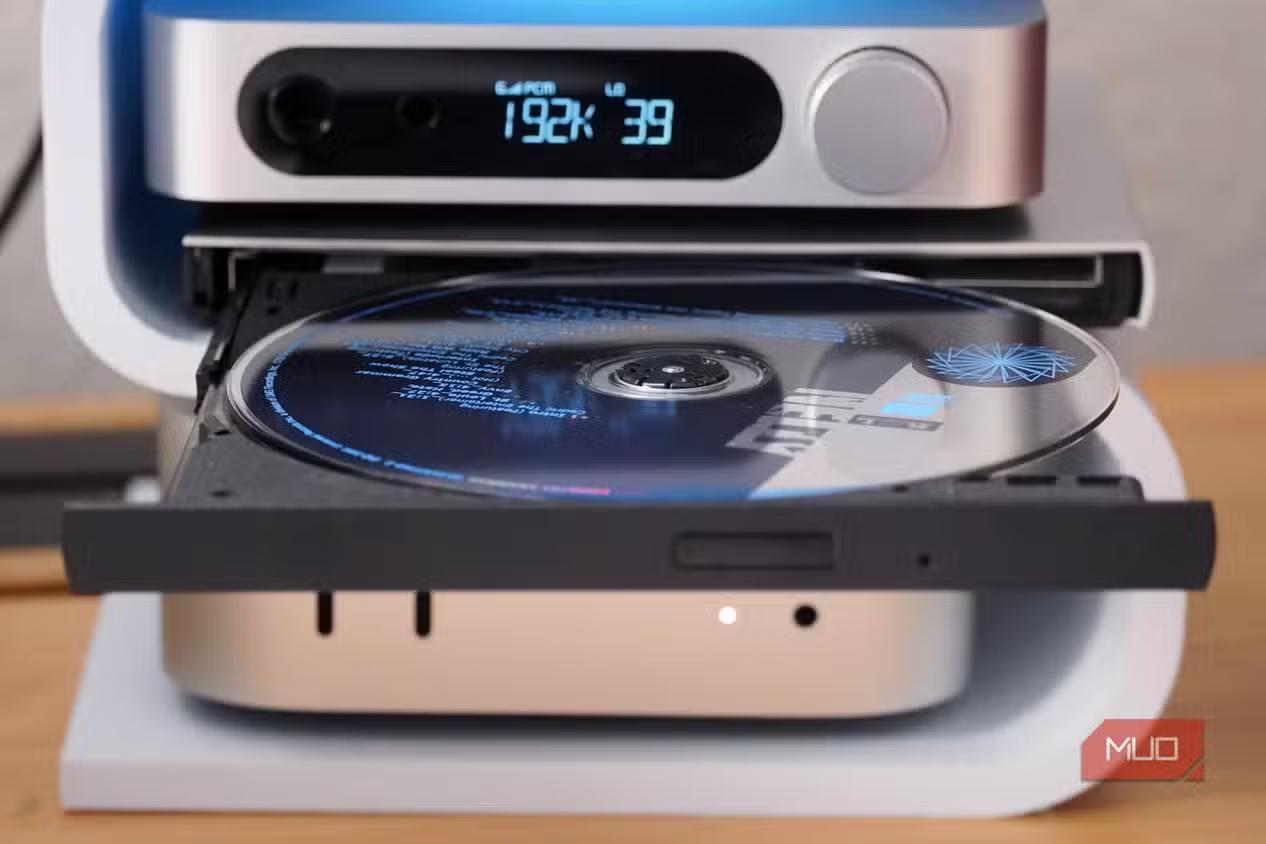
If you care about sound, stop treating high resolution audio quality as the pinnacle and start optimizing the basics. CD-quality lossless audio at 16-bit/44.1kHz is more than enough for almost everyone, and hi-res lossless audio is more of a marketing ploy than a guaranteed upgrade. By streaming or downloading hi-res lossless songs, you may waste bandwidth and storage without gaining audible benefits. For better listening, focus on the things that decide how your music sounds day to day. First, use a cable: wired audio avoids the lossy compression built into Bluetooth and lets you take advantage of standard lossless files and a solid DAC. Second, accept that there are downsides to hi-res streaming and other limitations to fix first. Invest in gear and setups that fit how and where you listen instead of chasing ever-higher sample rates. The smartest audio upgrade is not the biggest number—it is the change you can actually hear.