
VPNs Promise Privacy—Many Mobile Apps Deliver Leaks Instead
Virtual Private Network (VPN) apps are marketed as tools that protect user privacy by encrypting traffic, hiding identifying information, and preventing third parties from tracking online activity, but recent research into Android VPN safety shows that many popular mobile services introduce serious VPN security flaws that leak data, weaken encryption, and undermine the very VPN privacy risks they claim to solve.
The uncomfortable takeaway is clear: a large share of consumer VPN apps are not privacy products, they are data-exposure products dressed up in security language. A new automated testing framework, MVPNalyzer, examined 281 widely used Android VPN apps and found that many mobile VPNs do not work as advertised, with some leaking user data and failing at basic security tasks that any trustworthy provider should consider table stakes. If you assume your VPN “takes care of” mobile VPN protection by default, you are giving an unvetted app control over all your traffic and hoping its marketing copy is true.
What Michigan Researchers Exposed: Core VPN Security Flaws
The University of Michigan team built MVPNalyzer to audit mobile VPN behavior across multiple network layers and configuration files, and the findings are damning for Android VPN safety. Of the 281 popular Android VPN apps tested, 29 VPNs leaked DNS and browser traffic, defeating the purpose of a VPN because observers can still see which sites you visit. Over 20% of the VPNs transfer unencrypted content, and more than 60% fail to implement basic security hardening.
Worse, many apps increase VPN privacy risks instead of reducing them. The researchers found 61 VPNs transmitting traffic—including sensitive configuration files and geolocation data—unencrypted or outside the VPN tunnel, exposing users to surveillance and attacks. Analyses also showed 76 VPNs sending device-specific identifiers like the Advertising ID and other device data to third parties, enabling persistent tracking and fingerprinting that directly undermines their promises of anonymity. Among 108 apps with accessible configuration files, 107 misuse or ignore recommended VPN configuration and encryption standards, often relying on weak or outdated settings without proper authentication. When a product that sells privacy fails this many basics, users should treat its claims as suspect by default.
Mobile VPN Protection: What a Trustworthy App Should Be Doing
If so many mainstream apps fail, what does effective mobile VPN protection look like in practice? MVPNalyzer’s design offers a useful checklist. It tests whether apps properly tunnel all user traffic without leakage, use secure and reliable communication channels, apply hardened security configurations, avoid exfiltrating sensitive user or device information to third parties, and provide any protection against detection when they boast about being “unblockable.” That list amounts to the minimum bar for Android VPN safety, not a luxury feature set.
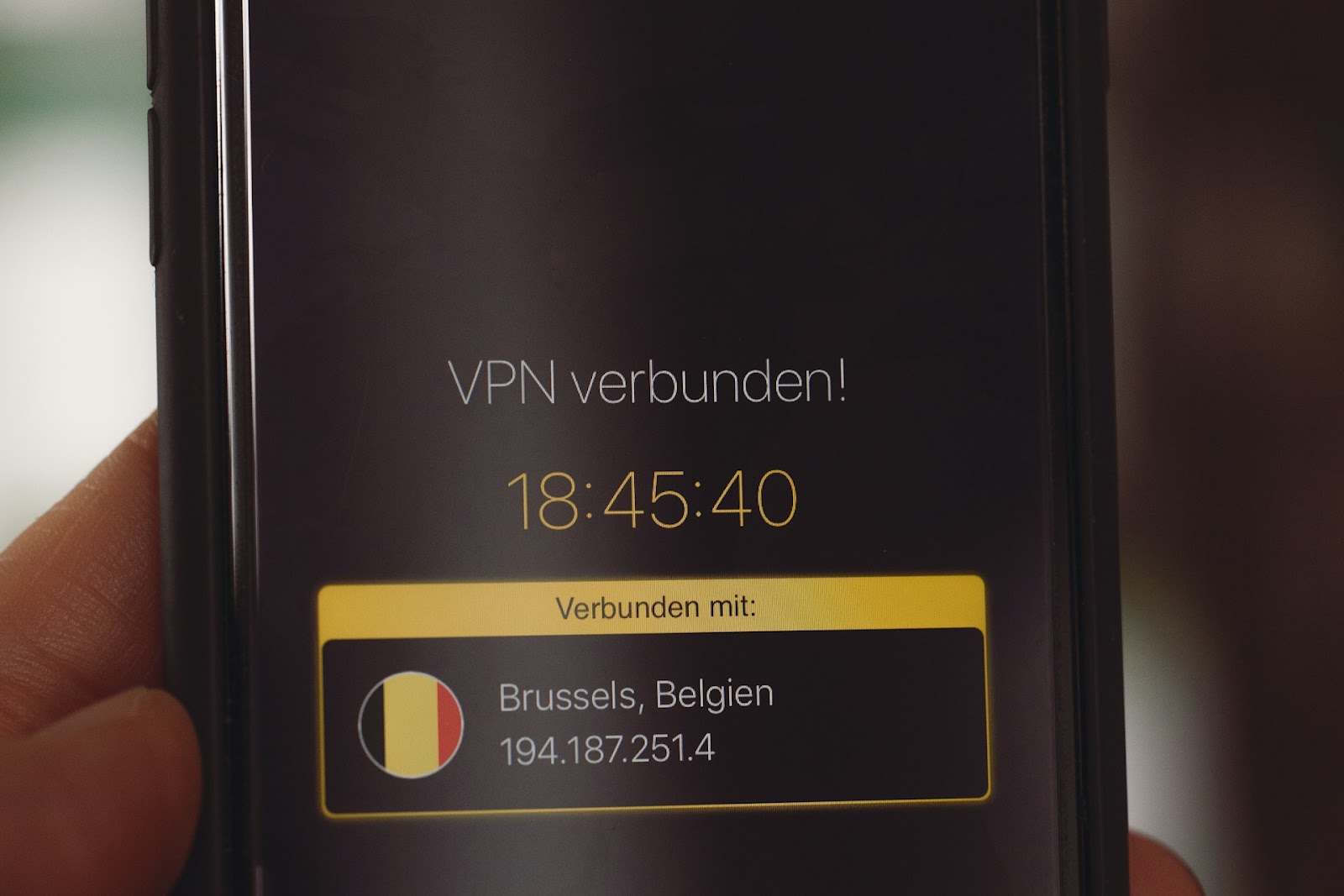
According to the University of Michigan researchers, “Many of the 281 popular Android VPN apps tested fail at basic security and some even leak user data, defeating the purpose of why a user downloaded a VPN in the first place.” This should reshape how users evaluate VPNs: claims about speed, fancy dashboards, or streaming access are meaningless if the app leaks DNS requests or ships your Advertising ID to a marketing broker. A trustworthy VPN must first prove it handles encryption, tunneling, and configuration correctly, then prove it avoids covert data sharing. Anything less is a consumer security risk dressed in a green “connected” badge.
NordVPN’s Anti-Scam Push Shows a Wider App Security Arms Race
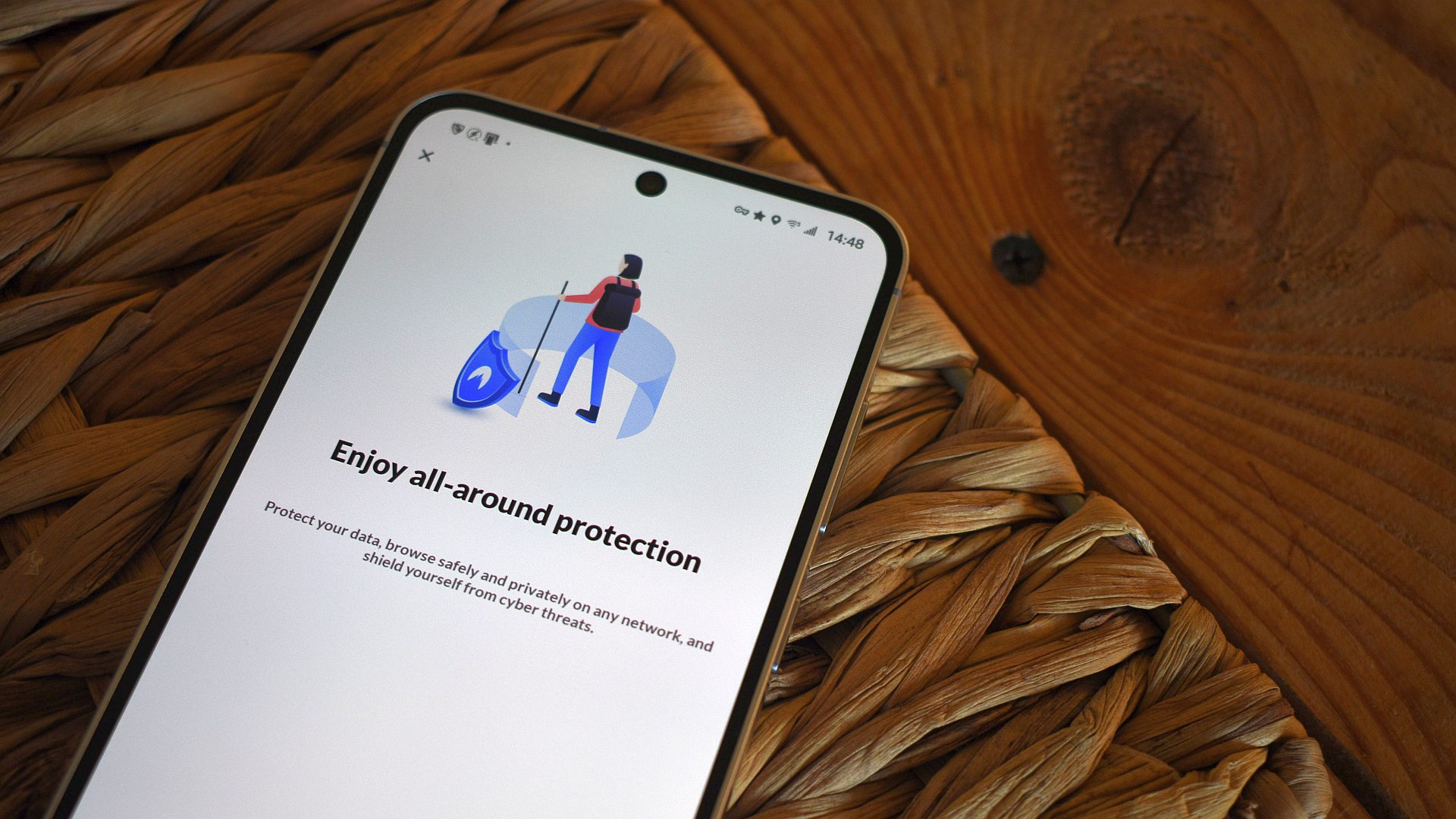
While many VPNs fail at the basics, some providers are racing to add more than traffic encryption. One well-known VPN app has expanded into broader scam and phishing defenses, including Dark Web monitoring and Scam Call Protection for subscribers. Its latest Android update introduces Message Protection, which scans messages from unknown senders for scam-related keywords, phone numbers linked to fraud, malicious URLs, phishing language patterns, and behavioral signals associated with social engineering attacks.
This feature does not delete messages automatically; it warns users about potential scams so they can avoid falling for them. At first glance, these additions may look like marketing fluff. In reality, they highlight a broader security arms race inside mobile apps: VPNs are no longer competing only on who can encrypt faster, but on who can offer a safer day-to-day mobile environment. However, extra protections like call or message scanning do not excuse failure on core VPN security flaws. A provider that cannot keep its tunnel sealed or its configuration hardened has no business expanding into anti-scam territory. Users should treat advanced features as a bonus after, not before, verifying that the app passes fundamental privacy checks.
How Users Should Respond: Stop Trusting Marketing, Start Vetting Apps
The Michigan findings are a warning shot to anyone who installed the first highly rated VPN in an app store and moved on. Many digital users rely on VPNs to combat security threats, letting an application view, intercept, and handle all user traffic in exchange for hiding identifying information from third parties. When that application leaks DNS, ships unencrypted content, or sends device identifiers to third parties, VPN privacy risks multiply instead of shrink. For end users, these findings show that not all VPNs are equally safe and that brand recognition does not equal security.
From an opinion standpoint, this ecosystem does not deserve blind trust. Users should treat every VPN app as guilty until proven careful. That means favoring services willing to submit to independent tools like MVPNalyzer, reading technical audits instead of ad copy, and demanding clear explanations of tunneling, encryption, logging, and data-sharing practices. Regulators and consumer protection agencies can use frameworks like MVPNalyzer to systematically identify risks and push minimum standards, while app developers should proactively audit their software and fix misconfigurations before shipping millions of installs. Until that pressure is applied, the safest move for users is skepticism: if an Android VPN cannot demonstrate strong protection, it should not be trusted with your traffic.