
Slideable Phones in One Sentence: A Screen That Quietly Grows
A Samsung slideable phone is a sliding screen smartphone that uses expandable display technology to roll out extra OLED panel from inside the chassis, turning a compact handset into a near-tablet without a hinge or visible fold and promising larger, cleaner visuals than today’s crease-prone foldable phone designs.
Samsung Display’s first-ever press day made one thing clear: the company thinks the future of big screens in your pocket is less about folding and more about sliding. Two slidable phone concepts and a near-zero-bezel OLED panel were presented as a direct answer to what comes after foldable screens, and that is a bold statement of intent rather than a quiet tech demo. In a market where buyers are already debating the next Galaxy Z Fold or a possible rival foldable phone, Samsung Display added a third, disruptive option to that decision: wait for a slideable phone that aims to fix what foldables still get wrong. That alone should make anyone who cares about design and durability sit up and pay attention.
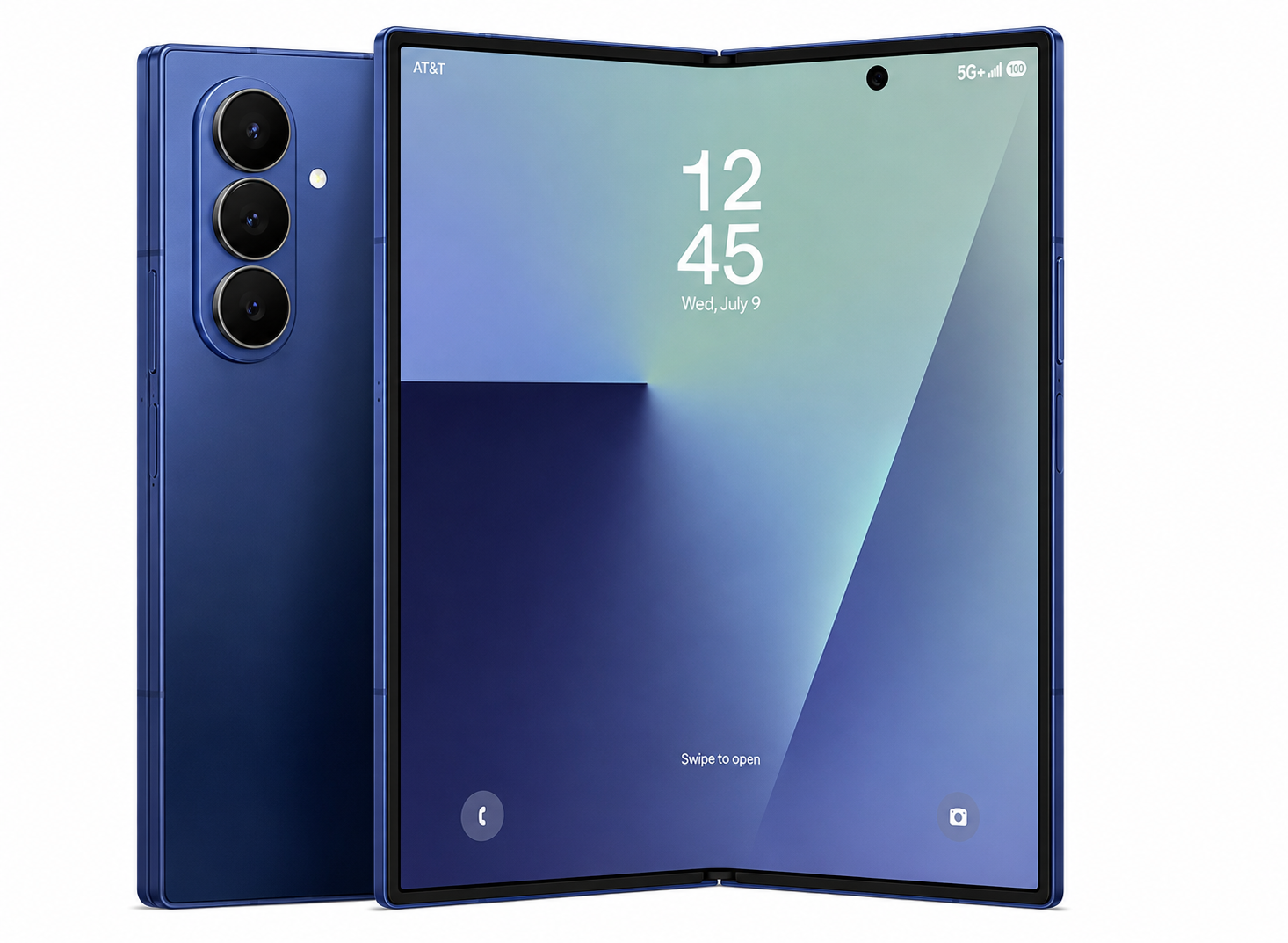
How Samsung’s Slideable Screen Smartphone Actually Works
The headline concept, Flex Slidable, looks like a normal compact slab with a 4.7‑inch display when closed, small enough to pocket without thought. Pulling one end causes a hidden section of the OLED panel to emerge from the housing, expanding the screen to 7.2 inches and pushing the device from phone-sized to near‑tablet territory with no hinge, no crease, and no fold line. Under the shell, the display rolls continuously around internal guide rollers, spreading mechanical stress over a longer arc instead of pounding a single bend point. That rolling motion is what lets the panel extend horizontally in a controlled way, and in future designs it will likely be driven by a button-triggered, motorized actuator rather than the slow manual pull seen in engineering demos. This is expandable display technology designed to feel like magic but backed by a complex rail system that has to work perfectly every time.
The second concept, Flex Hybrid, shows Samsung hedging its bets: one side of the panel folds while the other side slides, reaching the same 7.2‑inch target via a mix of hinge and rail mechanics. Two different types of mechanical stress hit neighboring parts of the same flexible OLED, a challenge neither pure foldable nor pure slidable engineering has had to solve alone. This hybrid idea may never ship in exactly this form, but it tells us how serious Samsung is about exploring every path to larger pocketable screens. In my view, this is less about showing off and more about collecting data on what fails, what survives 100,000 cycles, and ultimately what users will trust.
Why Slideable Is a Foldable Phone Alternative, Not a Gimmick
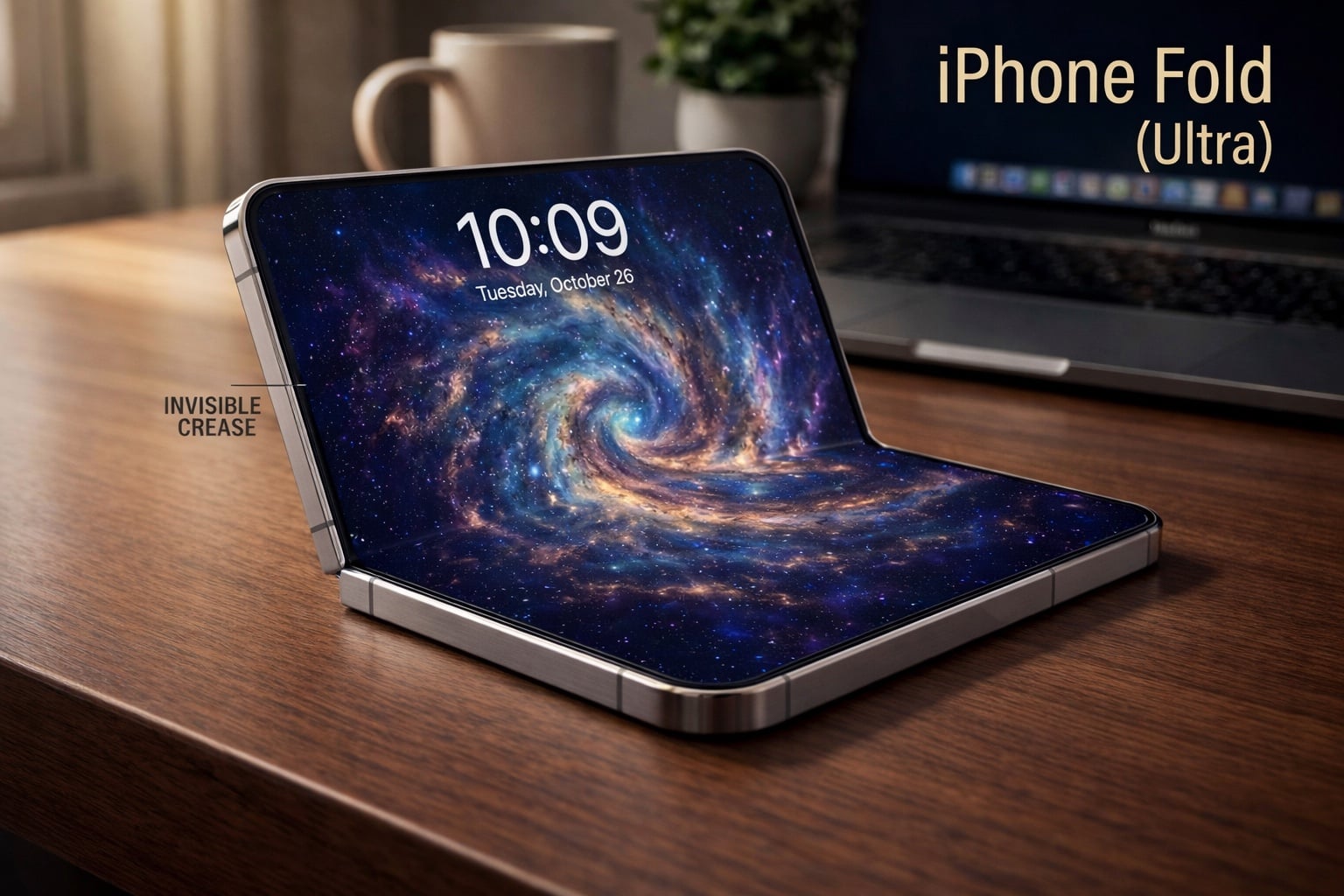
If you already use a foldable, you know its persistent flaw: the crease that sits in the middle of your screen, a permanent mark left after tens of thousands of open‑and‑close cycles. By design, a slideable phone avoids this. There is no single bend point where stress concentrates; instead, the panel rolls inside the device, so the classic fold line is structurally impossible. This matters more than aesthetics. Creases are not just ugly; they are a daily reminder that the most important part of your phone is under constant localized strain. A sliding screen smartphone attacks that problem by reshaping how the screen moves. The moving part is not a hinge — a passive joint around a fixed axis — but a motor‑driven rail system that pulls and retracts the display housing along a track. That makes the engineering harder, yet it directly targets the durability and visibility complaints owners have about folding mechanisms.
From a user’s perspective, this turns the slideable into a genuine foldable phone alternative. You still get the main benefit — phone that becomes near‑tablet — but you lose the most obvious pain points. No line down the middle during video calls or reading, no feeling that a hinge is one bad drop away from grinding. It is telling that Samsung describes these slidable concepts as an “entirely new category”, positioning them not as a niche experiment but as the next step in mainstream expandable display technology. For anyone weighing a Galaxy Z Fold or waiting out competitors, this third option — wait for a Samsung slideable phone — is now part of the buying calculus, and I think that will only grow louder as more people see the tech in motion.
Near-Zero Bezels: The Quiet Design Weapon Behind Slideables
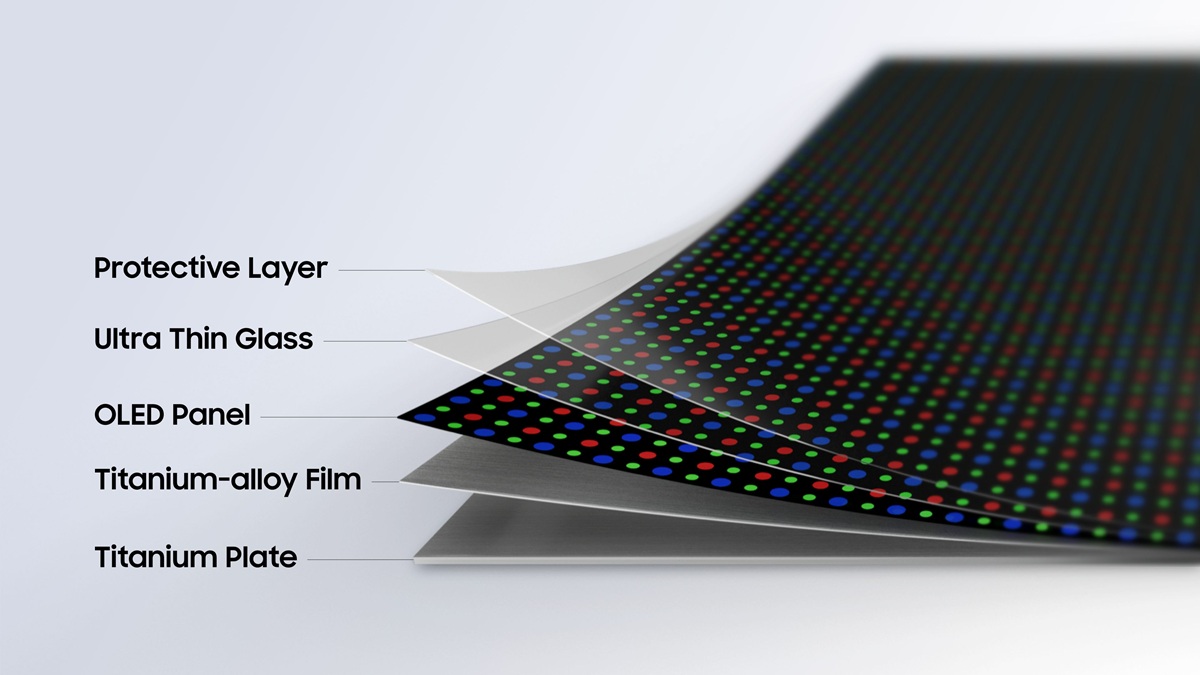
A sliding body alone does not guarantee a futuristic feel; the front-of-device framing does. That is where Samsung’s near‑zero‑bezel OLED panel comes in. At the same press day, the company showed a 6.8‑inch panel with a top border of 0.4mm and left, right, and bottom borders of 0.6mm, small enough that observers struggled to see where one screen ended and another began. The result is a 40% reduction in bezel width compared to phones currently on the market. In a slideable design, this edge-to-edge look is not cosmetic fluff. When a hidden section of screen rolls out, the illusion of a single continuous canvas depends on bezels being nearly invisible. Thick black borders would break that magic instantly. By moving the display driver IC away from the visible edge and bending the flexible substrate beneath the stack, Samsung frees up border space without sacrificing control over the pixels.
This is where I think Samsung’s long investment in on‑cell touch technology pays off. By integrating the touch sensing layer directly into the OLED rather than using a separate film, the company can route connection tails behind the scenes, not along the frame. Paired with a rolling mechanism, that design turns the phone into something closer to a living sheet of glass. For users, the practical upside is obvious: more immersive video, more comfortable reading on an extended display, and less visual clutter around content. When you pull a phone out of your pocket and expand it into near‑tablet territory without visible borders or lines, it stops feeling like a compromised hybrid and starts feeling like the default way a screen should behave.
Timelines, Trade-Offs, and What This Means for Your Next Phone
Here is the catch: all this promise comes with a long runway. Supply chain reports point to Samsung’s mobile division targeting the first half of 2028 for its first commercial slidable device, although a more recent claim suggests the rollable could arrive as soon as 2027, even preempting the next TriFold sequel. According to SamMobile, these timelines “could change and products can be delayed or even canceled for a variety of reasons,” a reminder that expandable display technology is still fragile at scale. Inside Samsung’s labs, foldables are hammered with up to 500,000 open‑and‑close cycles before the panels are certified, but no equivalent standard exists yet for the motorized rail systems a slideable phone depends on. As one Samsung Display executive put it, “from the engineer point of view there are many obstacles we have to overcome.”
So what does this mean for you? If you want a larger screen today, foldables remain the safe choice, and the Galaxy Z Fold line will not vanish overnight. But if your main hesitation has been crease visibility and long‑term hinge durability, the slideable approach speaks directly to those concerns: more screen, fewer scars. The technology is targeting users who want near‑tablet space without living with a permanent fold line or worrying about a mechanical joint they can see and feel. In my view, the most sensible path is this: buy a foldable now only if you need it, but keep an eye on Samsung’s sliding screen smartphone roadmap. When the first slidable phone finally arrives — whether in 2027 or 2028 — it will not just compete with the Galaxy Z Fold; it will challenge the idea that phones have to choose between compactness and real big‑screen comfort.