
Budget phones are collateral damage in the smartphone memory crisis
The budget phone shortage 2026 describes a sharp decline in production and availability of low-cost smartphones as rising DRAM and NAND prices, driven by surging AI memory demand, make entry-level models unprofitable and push manufacturers to prioritize higher-margin premium devices instead.
Global smartphone shipments have slumped to their lowest level since 2013, falling 11% year over year in the second quarter of 2026 as memory-chip shortages pushed up prices and crushed demand. This is not a normal downturn; it is a structural shock. The same DRAM and NAND chips that power phones now feed AI data centers, and memory suppliers are chasing those richer margins by diverting capacity away from mobile. Users are paying for it twice: with fewer affordable smartphone options and with new devices that cost more yet offer less progress over last year’s models. Cheap phones are not “taking a break”; they are being pushed off the market by a supply chain that has declared them expendable.
How AI’s memory boom is starving the low end
The heart of this smartphone memory crisis is not in your pocket but in AI data centers. Booming demand for computing hardware has increased competition for DRAM and NAND, the memory chips that sit inside everything from graphics processors to smartphones. Memory suppliers have responded by shifting more production toward higher-margin AI demand, which has pushed up component prices for phone makers across the board.
For budget smartphones, the result is brutal. One industry research director notes that memory costs have surged nearly 300% compared with last year and now account for more than 65% of the bill of materials for budget devices. When one component eats two-thirds of your costs and its price nearly triples, the math stops working. As one report puts it, “For cheaper phones, memory can account for up to 60% of the cost, so when prices rise, these phones either get more expensive or just aren’t worth making.” Entry-level phones now cost over 50% more than they did last year, pushing many buyers out of the new-phone market entirely.

Manufacturers are abandoning low margins and chasing premiums
Faced with soaring memory costs, manufacturers are making a clear choice: sacrifice volume at the low end to protect profits at the top. Analysts report that this is the second consecutive quarter of shipment declines, driven primarily by the memory chip supply crisis that has raised component costs and caused shortages. With memory now such a large share of production costs, makers of budget phones have far less room to absorb price hikes than premium brands.
The response has been deliberate. Industry reports say this cost surge is pushing companies to favor profit-rich premium models over entry-level devices that once carried their volume. One major vendor has intentionally scaled down low-end shipments, pivoting to higher price tiers to protect margins, a playbook others are likely to copy. Another analysis notes that budget manufacturers are trimming low-margin models and leaning further into refurbished and previous-generation devices to retain budget-conscious buyers. In plain terms, cheap phones are disappearing because companies have decided they are not worth making when AI memory demand phones offer suppliers better returns.

Market power is concentrating at the top
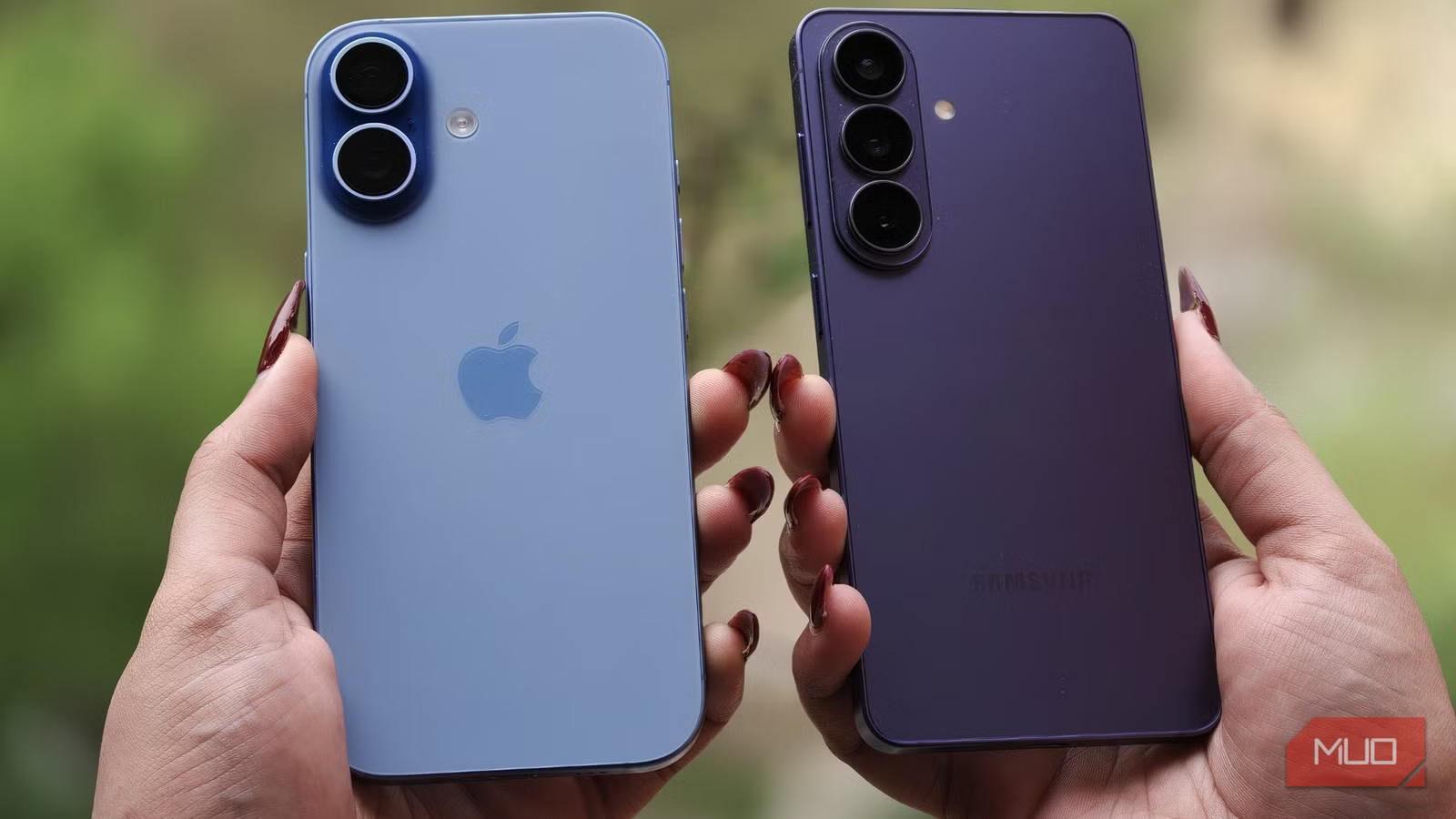
The budget phone shortage is not hitting all brands equally. While many vendors are cutting shipments, a few giants are turning the crisis into consolidation. One research firm notes that global smartphone shipments fell 11% in Q2 2026 to the lowest level since 2013, yet Apple and Samsung moved in the opposite direction. Samsung reclaimed the top spot with a 24% market share and increased shipments by 4%, while Apple hit a record 20% share with shipments up 3% on strong demand for premium iPhones.
Another dataset shows worldwide shipments at 277.5 million units in Q2 2026, down 6.7% year over year, with Xiaomi suffering the steepest fall after deliberately cutting low-end volumes, while Samsung, Apple and Huawei posted growth, widening the gap with the rest of the field. These brands benefit from financing, carrier contracts and brand loyalty that blunt higher prices, while smaller players living on thin margins in the sub‑$200 segment see their business model implode. The smartphone memory crisis is accelerating market consolidation, and once the low-cost competition is gone, the incentives to bring back truly cheap phones will be weak.
Refurbished phones rise as first-time buyers lose choices
For ordinary users, the impact is already visible. Analysts report that as memory costs rise, consumers are holding on to devices longer, putting off upgrades or trading down to prior-generation models instead of buying new. Some are increasingly turning to the pre-owned market rather than purchasing new handsets, a trend that helped produce the weakest second-quarter smartphone shipments in over a decade. One report bluntly states: “For the average user, it means one thing: cheap, powerful phones are on pause for now.”
Affordable smartphone options have not vanished; they have shifted. Research suggests that budget-focused manufacturers will trim low-margin models and lean further into refurbished and previous-generation devices to keep price-sensitive buyers in their ecosystems. Advice to buyers is clear: if you want a deal, you may need to go refurbished or second-hand—and you should check battery health, confirm a factory reset, and look for a warranty or return window. Yet this is a poor substitute for new budget devices, especially for first-time buyers now facing entry-level phones that cost over 50% more than last year. As long as AI keeps hogging the memory supply, the path of least resistance for manufacturers is to keep pushing consumers upmarket.
Looking ahead, the picture is not comforting. One research house expects global smartphone shipments to drop around 14% for the full year and warns that the memory shortage could drag on until 2027. Another forecasts a recovery only around 2028–2029, once new upgrade cycles arrive and memory prices stabilize. Until then, cheap phones disappearing is not a temporary glitch but the new normal, and buyers need to adjust by valuing longevity, considering refurbished options, and resisting the pressure to overspend on features they do not need.