
Galaxy Unpacked 2026: A Turning Point for Foldables, Not Just a Refresh
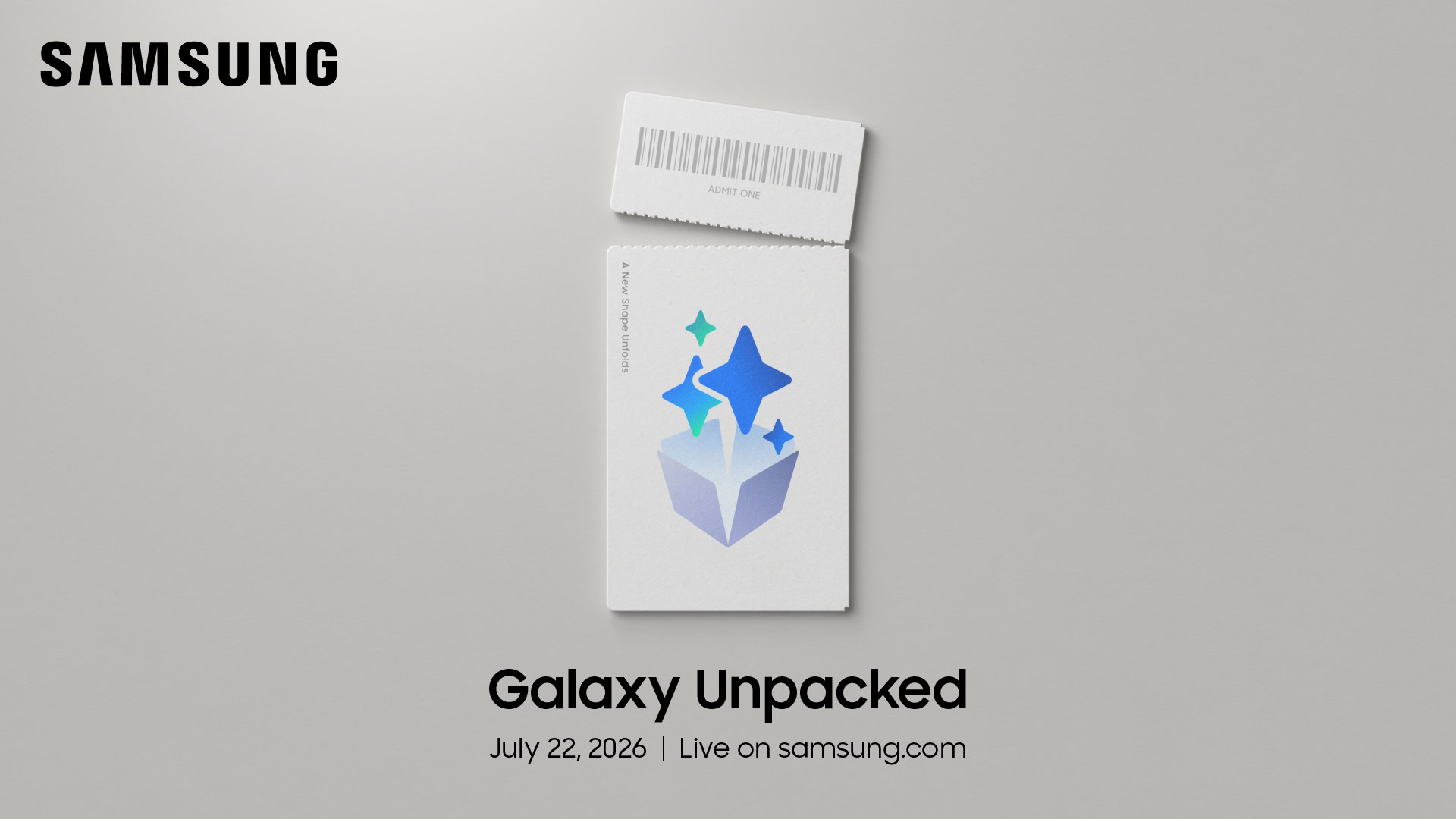
Galaxy Unpacked 2026 is Samsung’s mid‑year hardware event where the company introduces its latest Samsung foldable phones, Samsung wearables and experimental AI devices, positioning the Galaxy Z Fold and Flip lines as the core of its mobile strategy rather than niche curiosities. The key takeaway this time is clear: Samsung wants to make foldables and AI‑driven accessories feel like the obvious next step in everyday mobile computing, not a luxury sideshow. Hosting the event in London on July 22 and livestreaming it worldwide under the slogan “A New Shape Unfolds” signals ambition that goes beyond spec bumps. With a wider book‑style Galaxy Z Fold 8, a distinct Fold 8 Ultra, the Galaxy Z Flip 8 and next‑gen Galaxy Watch 9 series all set to appear, this Unpacked is about form factors and intelligence converging, and it will either validate seven generations of foldable experimentation or expose their limits.
Flex Titanium: Samsung’s Bid to Solve the Foldable Crease Problem
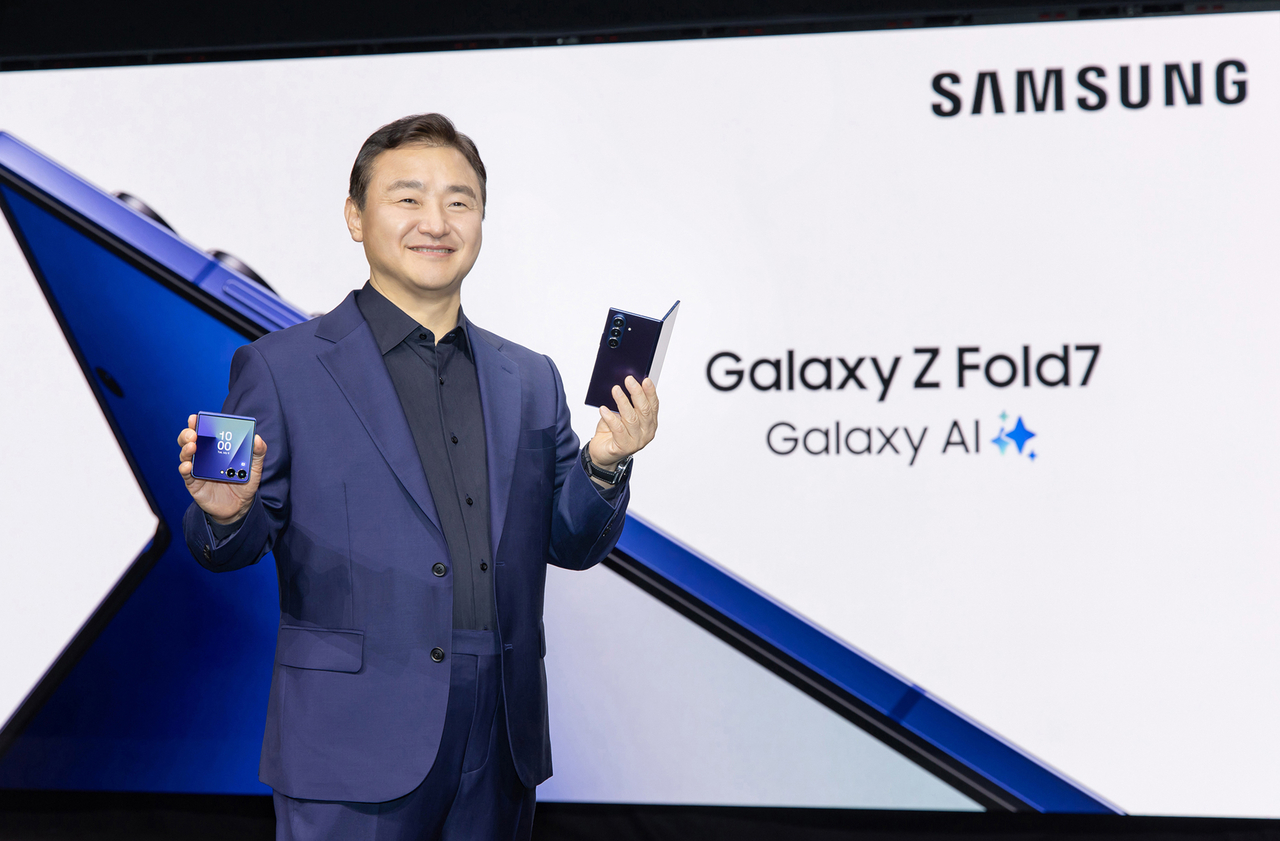
If there is one innovation that could redefine Samsung foldable phones, it is the new Flex Titanium display structure. For years, the visible crease and long‑term durability have been the biggest reasons mainstream users hesitate to buy a Galaxy Z Fold. Flex Titanium tackles both by replacing the usual polymer film under the OLED with a titanium‑alloy film, backed by a redesigned titanium plate. That alloy film is said to have roughly 20 times the rigidity of the old material, which should cut down deformation from constant folding and reduce the center crease. Thinning the film to around one‑third the thickness of a human hair and shrinking micro‑holes in the hinge area is clever engineering, but more importantly, it shows Samsung finally treating the crease as a reputation issue, not a cost of doing business. If Flex Titanium works as promised, it turns the Galaxy Z Fold 8 and its Ultra sibling into confidence‑building devices rather than technology demos.

Wider Galaxy Z Fold 8, Ultra Model and the Price Reality Check
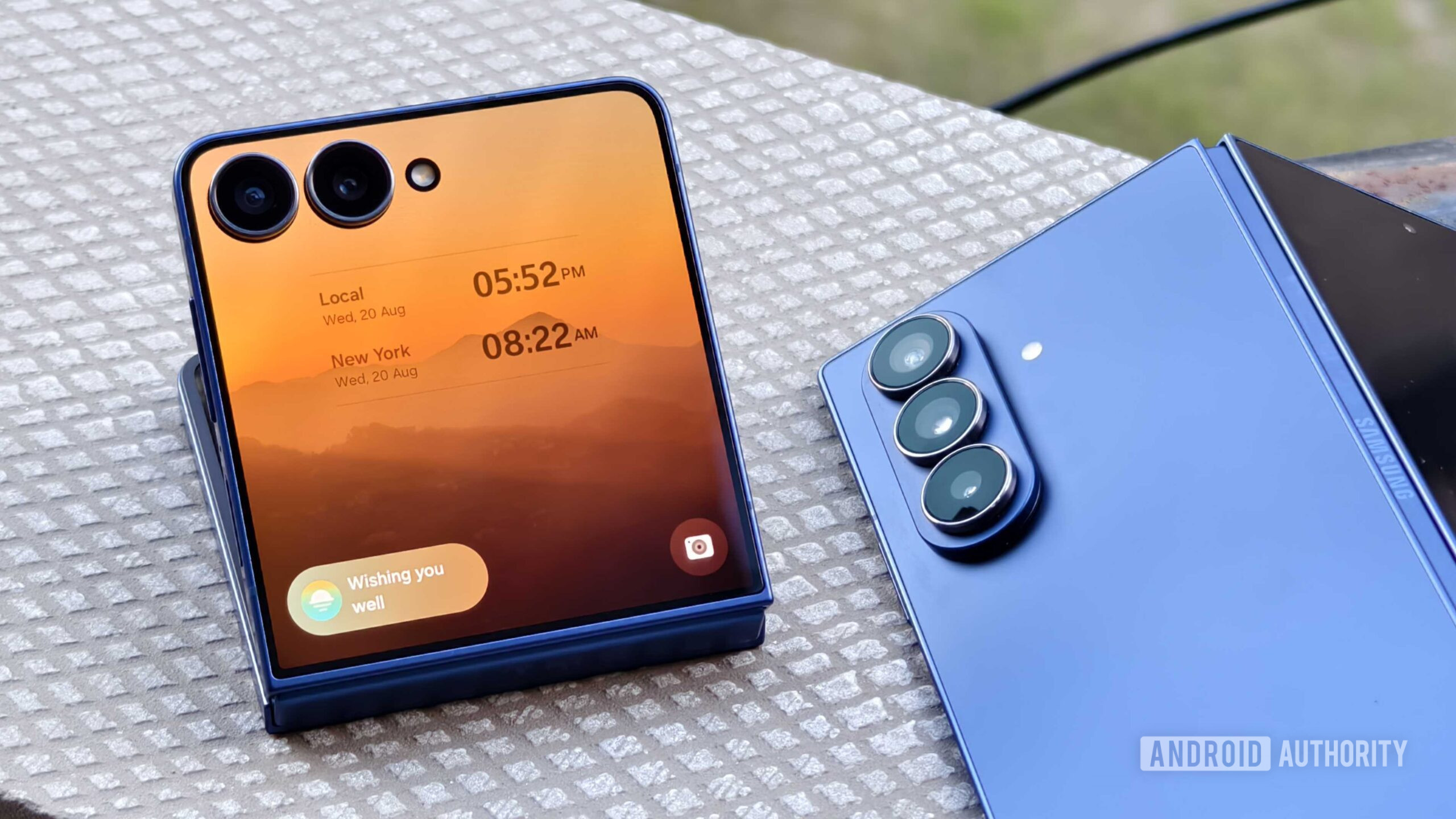
The wider Galaxy Z Fold 8 is Samsung’s boldest hardware bet since the first Fold: a shorter, passport‑style device that opens to something closer to a 4:3 aspect ratio. This should finally make the cover screen feel like a normal phone and the inside more like a tablet for reading, video and multitasking, but it will only pay off if Samsung’s software layouts and Galaxy AI tools are tuned for the new canvas instead of lazily stretched. Parallel to this, Samsung is carving the book‑style lineup into the standard wide Fold 8 and a taller Galaxy Z Fold 8 Ultra, which carries forward the classic design while pushing display size, cameras, battery and productivity features upmarket. Prices, however, are the uncomfortable side of innovation: leaks suggest the wide Fold 8 will start around USD 1,899 (approx. ₱110,000), with rising European and Australian price tiers and noticeable increases over previous generations. Foldables already depend on expensive OLED panels and complex hinges, so every new structural trick like Flex Titanium comes with a bill.
Samsung Wearables and AI Glasses: From Tracking You to Guiding You
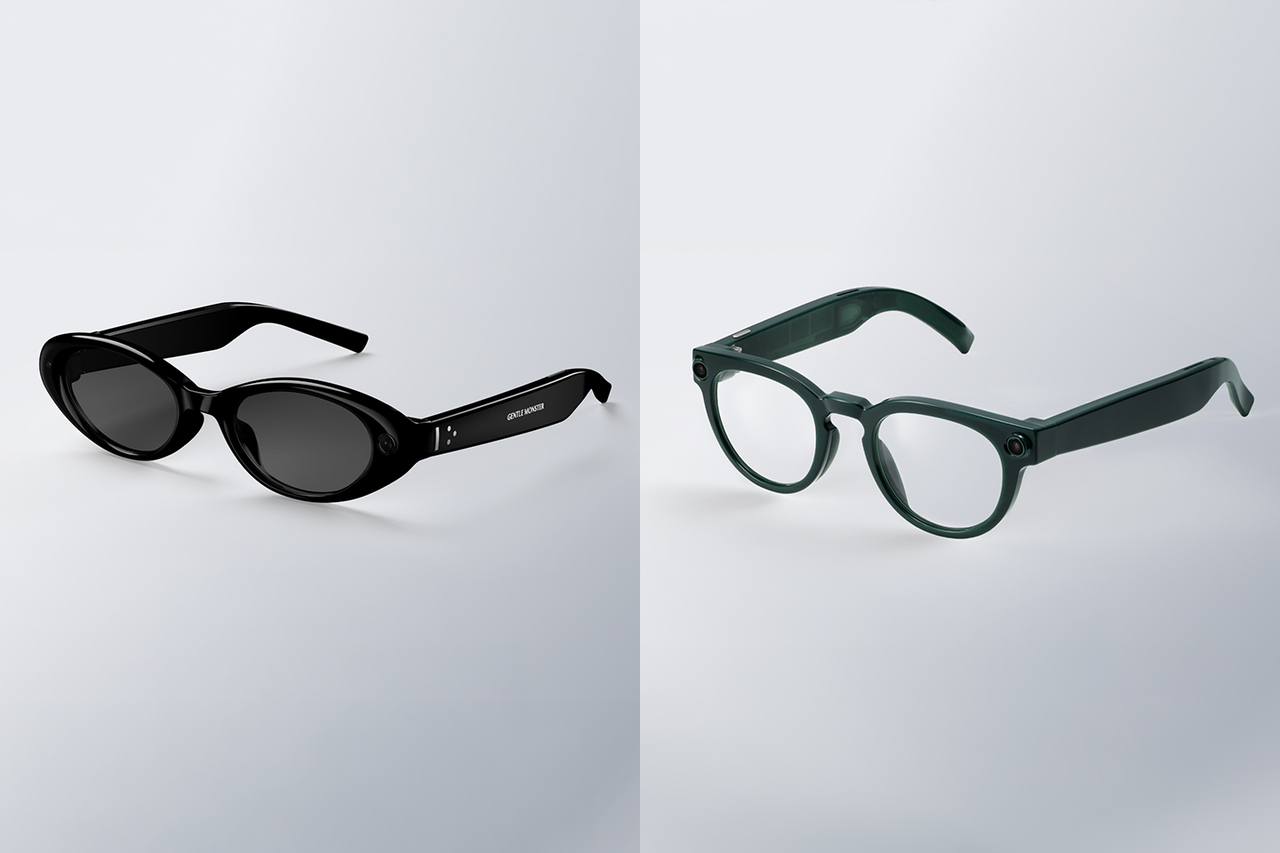
The foldables may grab headlines, but the most interesting long‑term move could be how Samsung wearables and AI glasses are evolving into active companions. The Galaxy Watch 9 series and Galaxy Watch Ultra 2 are expected to shift from merely tracking health metrics to interpreting your condition and suggesting actions, with the Ultra model aimed at outdoor and endurance users who want bigger batteries, brighter displays and more storage rather than fashion flair. At the same time, Samsung is preparing to talk more about its first AI‑powered smart glasses, built with Google on Android XR and Gemini and designed with familiar eyewear brands. These glasses are not just another display; they hint at a world where Galaxy AI escapes the phone and becomes part of what you wear and see daily. Details on pricing, specs and even the final “Galaxy Glasses” name are still missing, but the direction is obvious: Samsung wants an ecosystem where watches, glasses and foldables share context and intelligence.
Flex Titanium Colors, Competition and Why This Unpacked Matters
Even the leaked Samsung.com‑exclusive Flex Titanium colors tell a story about who these devices are for. A Pistachio option for the Galaxy Z Fold 8 and Mint for the Galaxy Z Flip 8, plus a darker Violet Green for the Fold 8 Ultra, signal that Samsung wants foldables to feel personal and expressive, not only like corporate productivity tools. This matters because rivals in China are rapidly expanding their foldable portfolios, and a first foldable iPhone is widely expected to land with a similar wide book‑style design later this year. In that context, Galaxy Unpacked 2026 is less a routine launch and more a test of whether seven generations of iteration have finally made foldables ready for the mainstream. Pricing will be a barrier, and Flex Titanium will need to prove itself in real pockets and bags, not just in marketing renders. But if Samsung can combine a better shape, fewer creases and smarter wearables and glasses, this Unpacked could mark the moment Galaxy Z Fold stops being the future and starts feeling like the present.