
Pixel 11: From Value Hero to Full-Priced Flagship
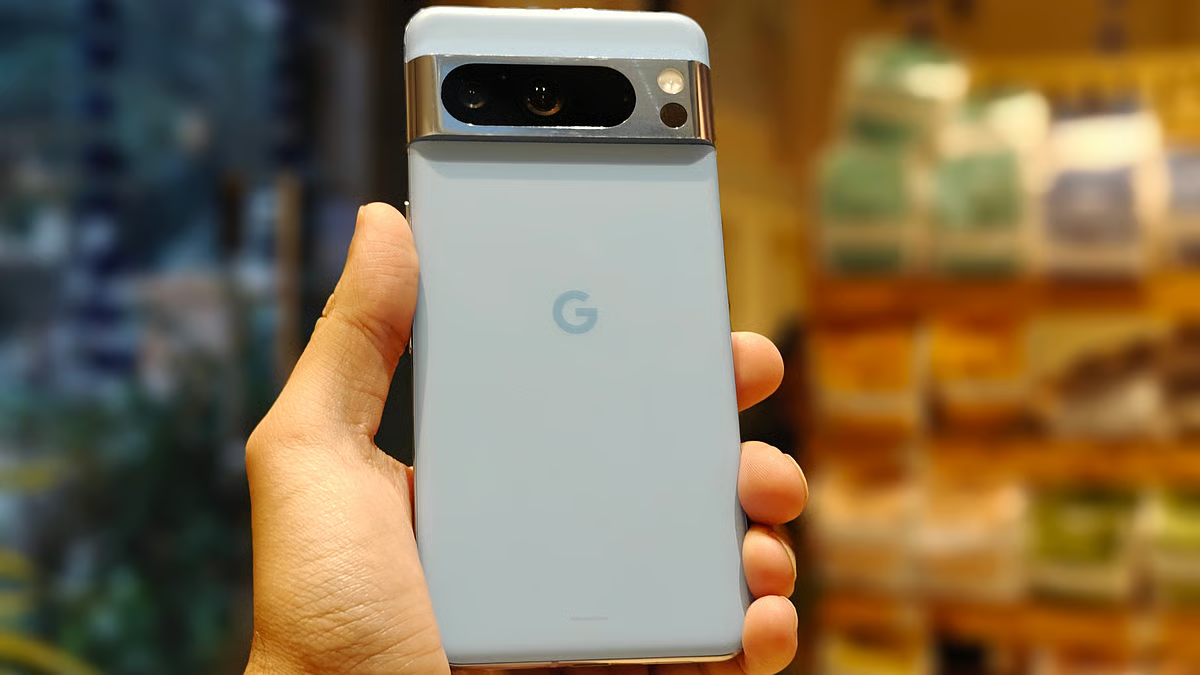
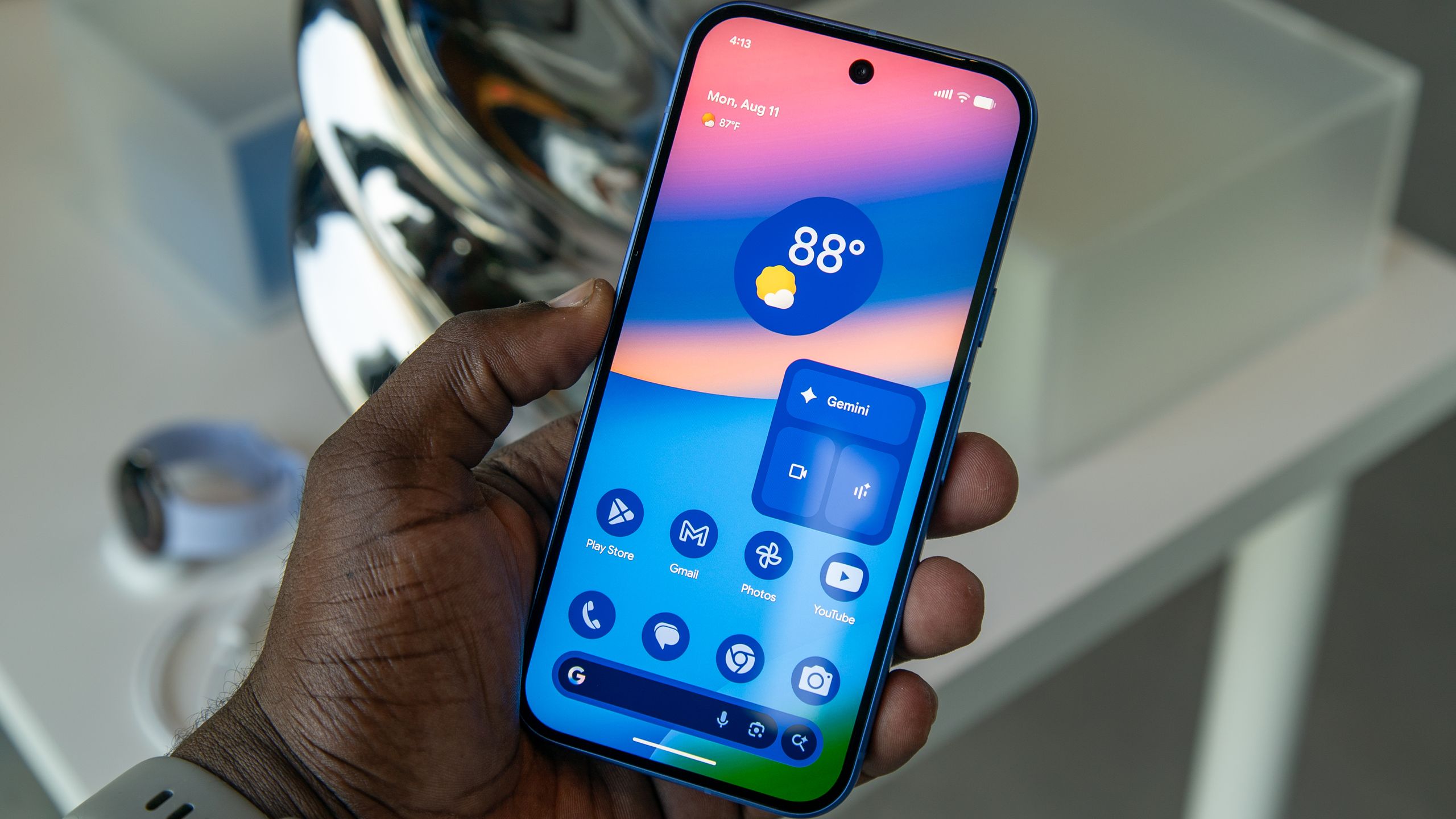
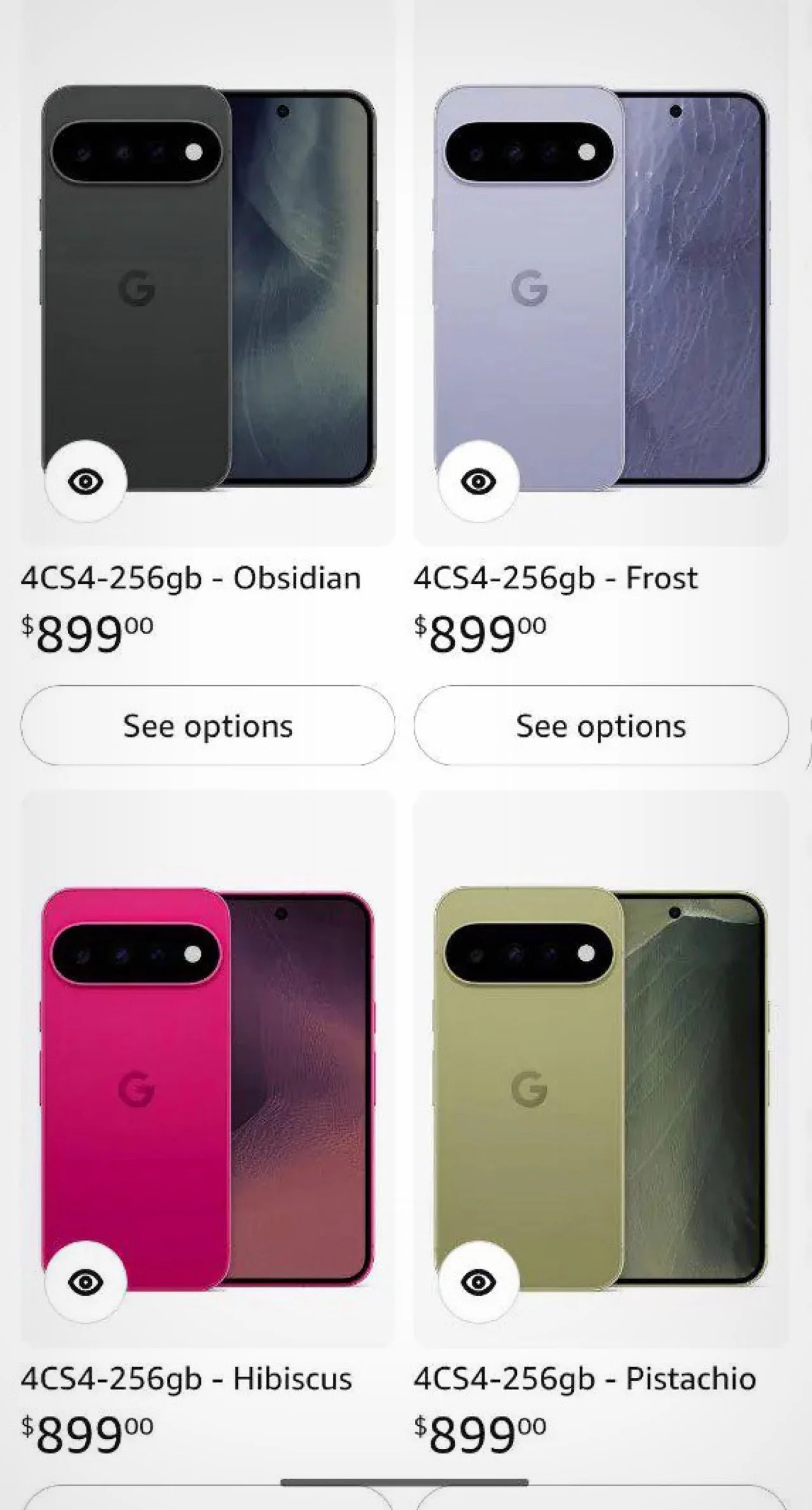
The Pixel 11 price increase refers to leaked Amazon listings that show Google’s next flagship phone line abandoning its budget-friendly roots and adopting premium pricing, with 256GB as the new minimum storage tier to support intensive on-device AI features while removing the cheaper 128GB entry option. The key takeaway is blunt: Google is done positioning Pixel as the bargain alternative to iPhone and Galaxy. Deleted retailer listings show the base Pixel 11 starting at USD 899 (approx. ₱50,300) for 256GB, USD 100 (approx. ₱5,600) more than the iPhone 17’s USD 799 (approx. ₱44,700) entry price. An Apple flagship launching cheaper than a Pixel is described as “a collector's item”, a sharp reversal of the story Google has told for a decade. The move does not just add storage; it raises the barrier to entry and signals a deliberate change in Google’s smartphone pricing strategy.
Amazon’s Leak Exposes a Fully Premium Lineup
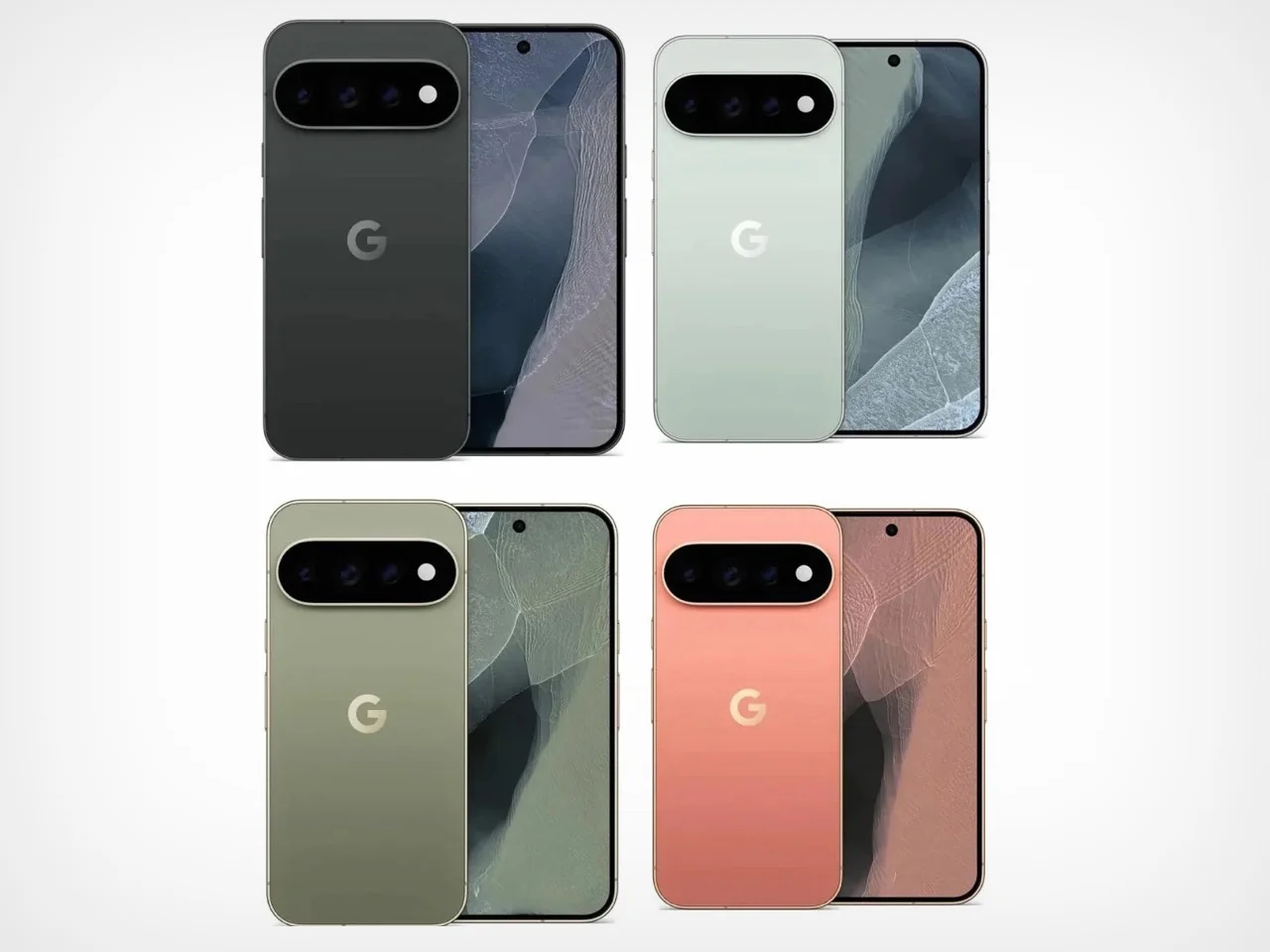
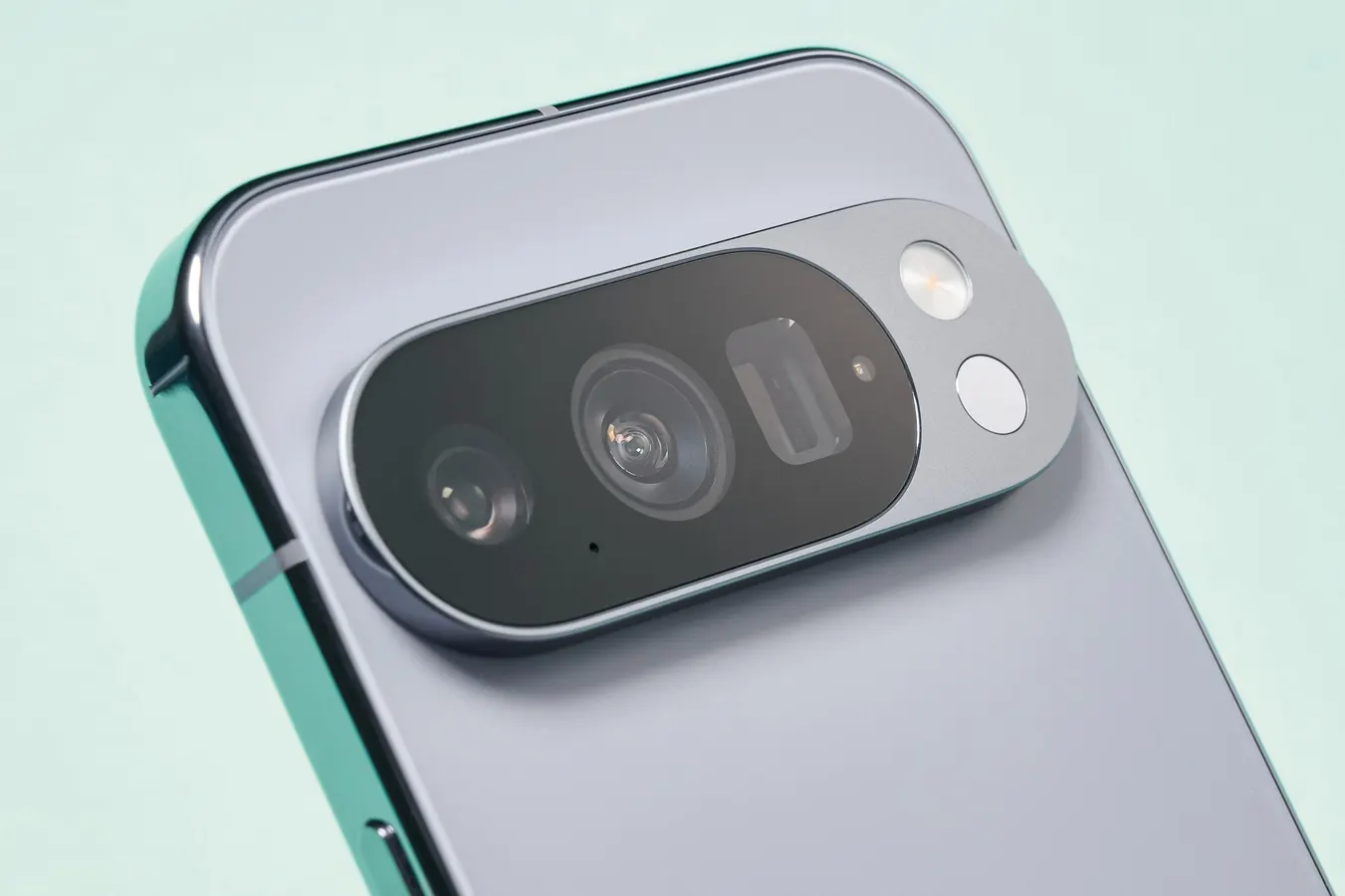
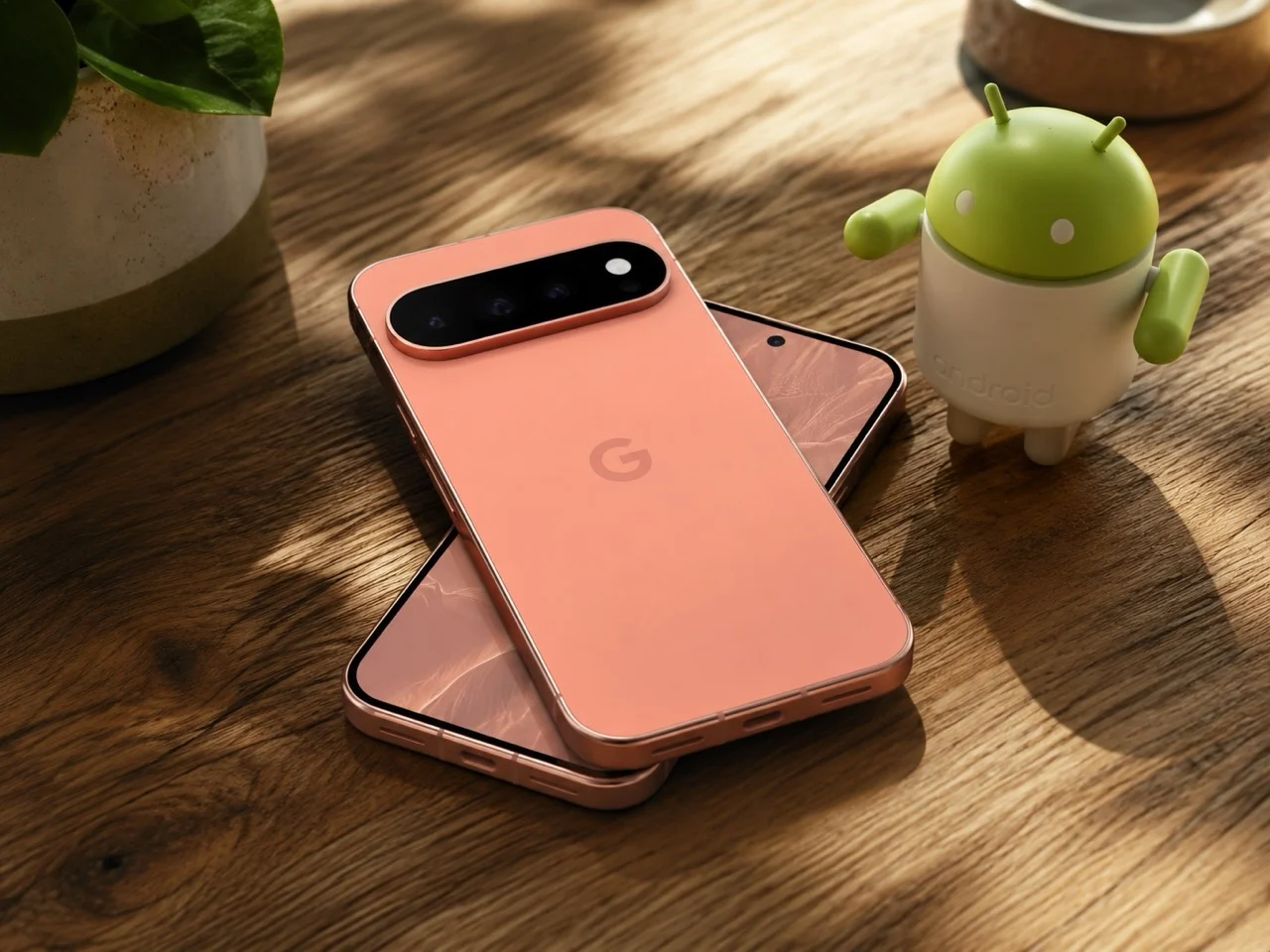
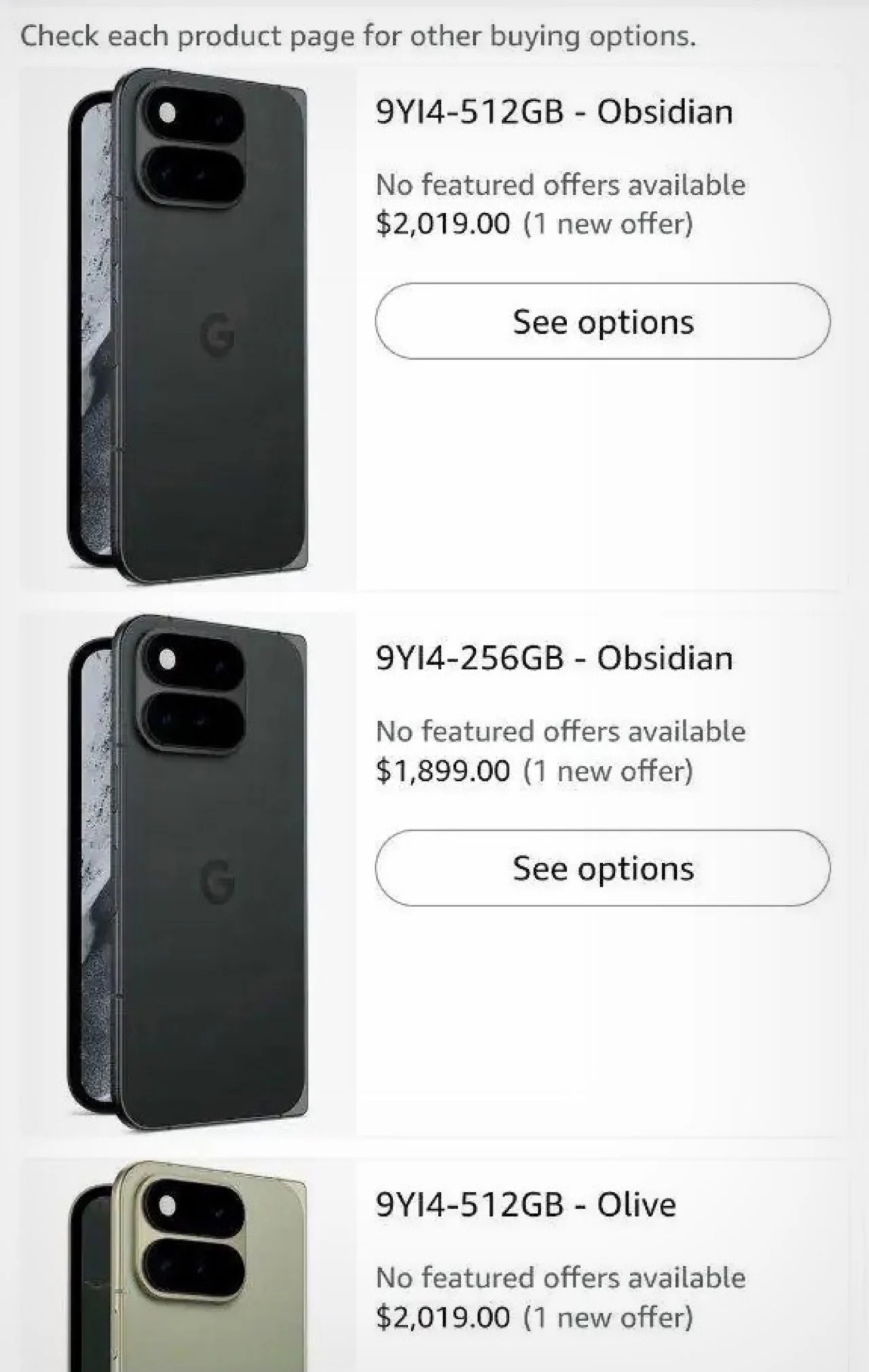
The Amazon leak did more than spoil a single headline price; it exposed a full Pixel 11 range priced like a traditional top-tier flagship family. The base Pixel 11 appears in Obsidian, Frost, Hibiscus, and Pistachio, locked to 256GB at USD 899 (approx. ₱50,300). A 512GB variant was spotted at USD 1,019 (approx. ₱57,000), confirming that the longstanding 128GB entry tier is gone. Above that, the Pixel 11 Pro reportedly starts at USD 1,099 (approx. ₱61,500) for 256GB, rising to USD 1,449 (approx. ₱81,100) for 1TB. The bigger Pixel 11 Pro XL is tipped to begin at USD 1,299 (approx. ₱72,800) for 256GB with 12GB RAM, with its 512GB and 1TB versions costing USD 1,419 (approx. ₱79,400) and USD 1,649 (approx. ₱92,500). At the top sits the Pixel 11 Pro Fold, opening at USD 1,899 (approx. ₱106,300) and climbing to USD 2,249 (approx. ₱126,000) for 1TB. These flagship phone costs “would have seemed audacious five years ago”, especially in the context of the broader economy and a continuing RAM shortage.
Why Google Is Raising Prices Now
Google is not hiking Pixel 11 prices in a vacuum. Memory and component costs are rising across the industry, putting pressure on all flagship phone makers. Higher Galaxy S26 prices and expectations of a more expensive Galaxy Z Fold 8 are framed as early signs that the RAM crisis has claimed another victim: Google’s Pixel 11. Google is also making 256GB the new baseline storage tier across the Pixel 11 family, a change described as overdue given how aggressively on-device AI eats into storage headroom. Until now, Google has treated Pixel hardware less as a profit engine and more as a way to place its AI and services in more hands, giving it unusual freedom to absorb lower margins. The question is whether that cushion still exists when supply costs are rising for everyone, and when Google is trying to sell an AI-forward story around Gemini Intelligence that demands more RAM and storage. According to one report, we will “only really answer” how aggressive Google is being by tracking what it charges once discounts start to hit.
From Budget Differentiator to AI-First Premium Strategy
For most of the last decade, the main reason to buy a Google phone has been its comparatively low price and standout camera. Apple has largely caught up on camera quality; removing the price advantage forces Google to find a new pitch. The company is clearly lining up Gemini Intelligence, its agentic AI suite, as that argument. The claim is that a Pixel 11 can carry out multi-step tasks across apps—reading emails, drafting replies, updating calendars, managing purchases—without the user tapping through each step. Seen through that lens, the Pixel 11 price increase is not a mistake; it is a bet that buyers will pay more for phones that feel like capable assistants, not just faster rectangles. But the Pro lineup’s RAM choices cut across that story. The 256GB Pixel 11 Pro is tipped to ship with 12GB RAM, while the 512GB and 1TB versions hold 16GB, unlike the previous generation where every Pro configuration included 16GB. That makes the cheapest Pro the most memory-limited in a cycle defined by AI features that depend on local RAM headroom, which sends a strange signal to power users.
What the New Pricing Means for Ordinary Buyers
For ordinary buyers, the practical impact is simple and harsh: the budget-friendly Pixel entry point is gone. With the base Pixel 11 starting at USD 899 (approx. ₱50,300) and no cheaper 128GB option, first-time smartphone buyers who once chose Pixel for its value will face a much higher barrier to entry. An Apple flagship now undercuts Pixel on launch pricing, “a real problem for Google's pitch” because it erases the clearest differentiation from iPhone and Galaxy lineups. There are compensations: more generous storage, competitive color options such as Obsidian, Frost, Hibiscus, and Pistachio, and the promise of AI features that may be limited to the latest Samsung and Google phones. A new Pixel Tag tracker hints at a broader ecosystem forming around the phones rather than accessories as an afterthought. Still, these are benefits for buyers who can already afford premium flagships. The move pushes Pixel into the same financial bracket as its rivals, leaving price-sensitive users to wait for discounts or settle for older hardware. The conclusion is clear: Pixel is no longer the cheap ticket into Google’s world; it is the full-priced front row.