
The end of OxygenOS: a streamlined strategy that strips identity
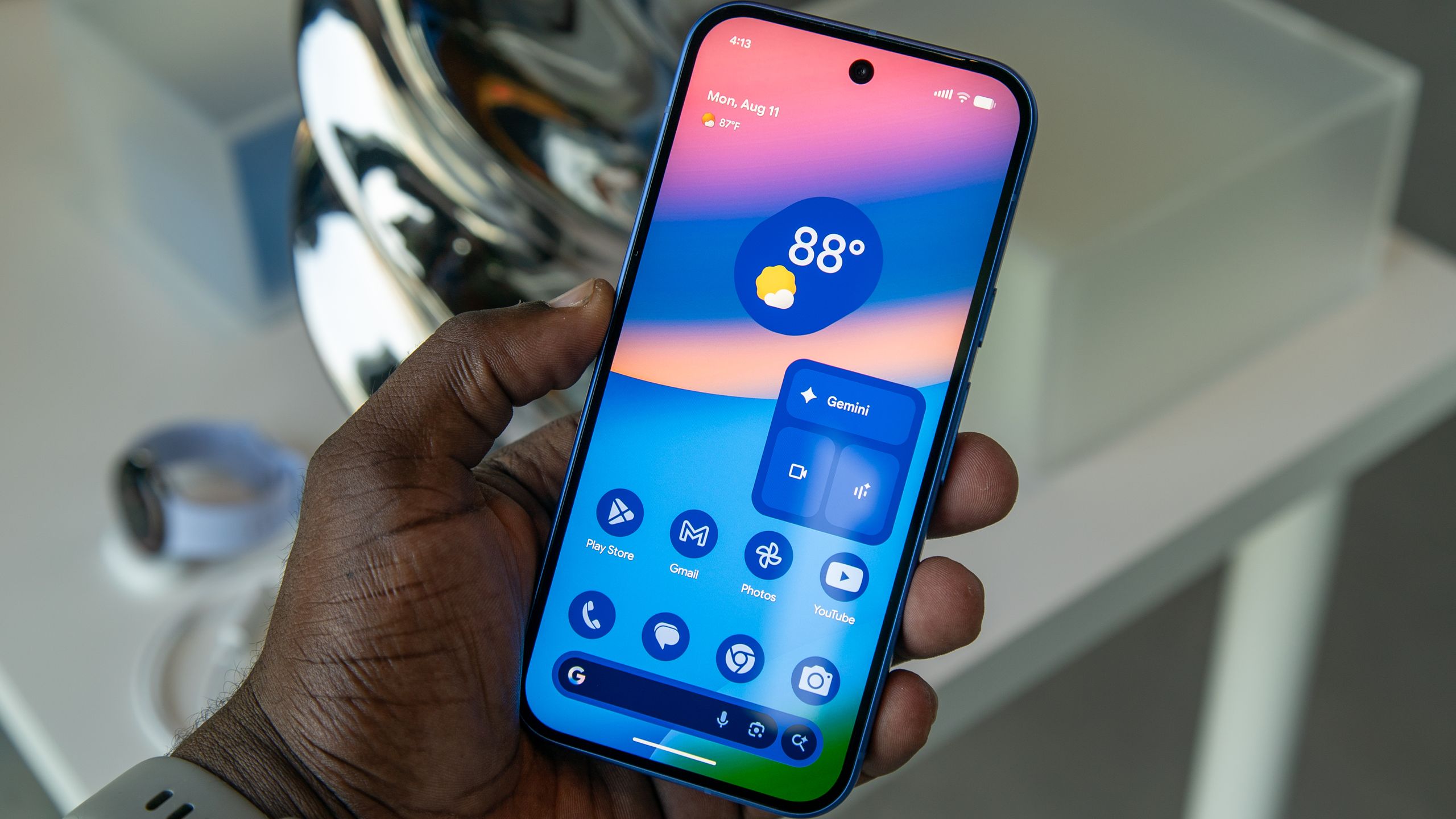
The OnePlus ColorOS transition is the company’s move to completely replace its OxygenOS Android skin with its parent brand Oppo’s ColorOS on all future phones and eligible existing devices, alongside stopping new product launches in key Western markets as part of a wider business restructuring. This is not a cosmetic tweak; it is the end of the software that defined OnePlus for a decade. OnePlus has confirmed that OxygenOS will be phased out and future devices will ship with ColorOS 17, based on Android 17, while current users can opt in when that update arrives. At the same time, it will cease operations in the US and Europe, meaning no new phones will be sold there going forward. The company frames this as a "proactive global strategy adjustment," but from a user’s perspective, it looks like consolidation at the expense of choice and character.
OxygenOS vs ColorOS: from clean Android to loud iOS-inspired skin
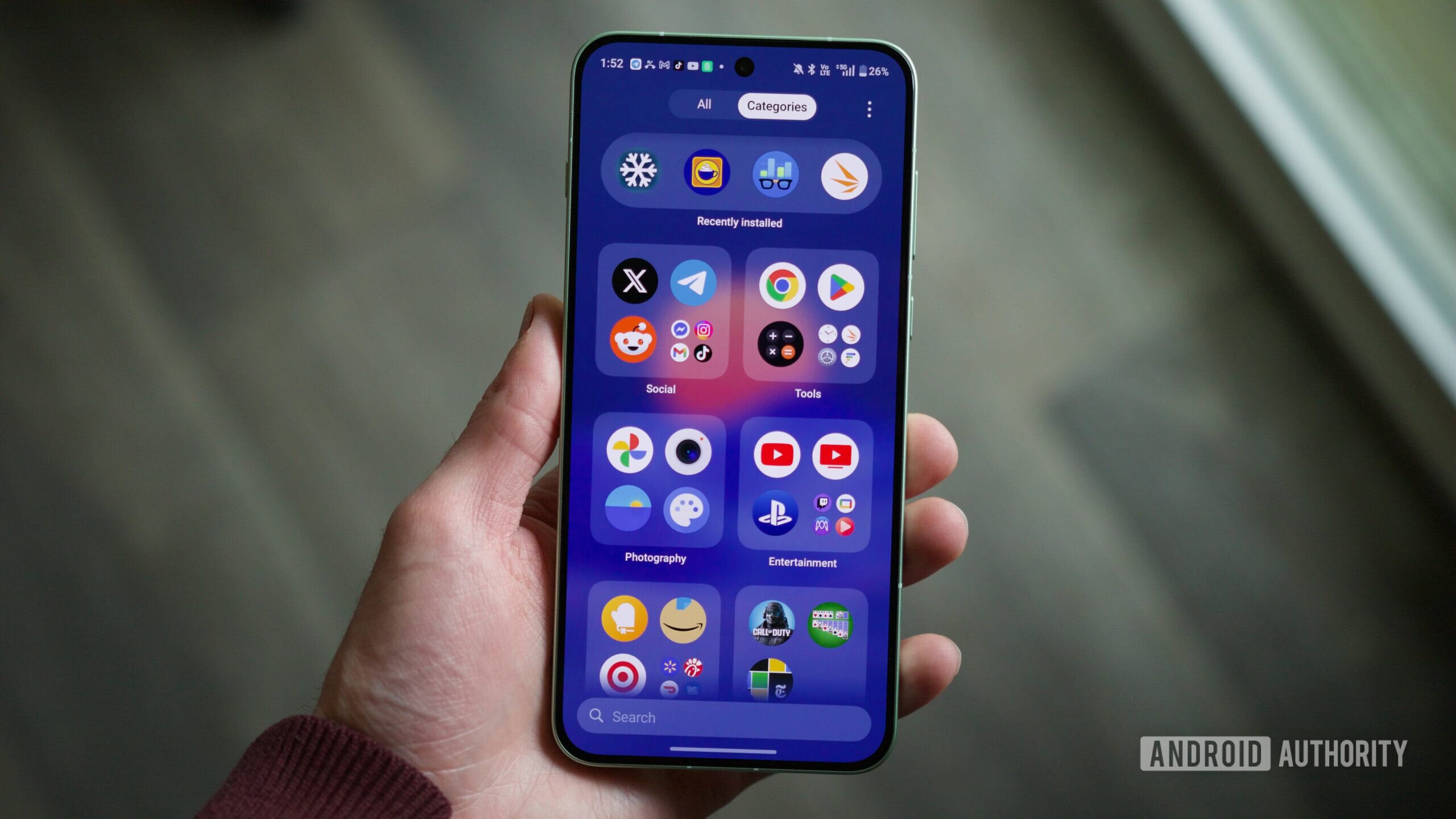
OxygenOS vs ColorOS has long been a proxy debate about what Android should feel like. OxygenOS built its reputation on a clean, less‑cluttered interface, simple colors, and fluid animations that stayed close to Google’s vision of Android. ColorOS, by contrast, leans into eye‑searing iOS‑like visuals, more aggressive translucency effects, and a heavier "Liquid Glass" aesthetic. The two skins now share the same codebase, and OnePlus devices in China already run ColorOS, which is why the company claims the transition will "streamline software development" and make updates more stable and future‑ready. In practice, though, shared code has already meant OxygenOS picking up slower animations and design clutter from ColorOS. As the final merger arrives with Android 17‑based ColorOS 17 later this year or early next year, users should expect more OxygenOS‑exclusive touches to disappear, leaving a unified but blander Android experience.
ColorOS and the bloat problem OnePlus users never asked for
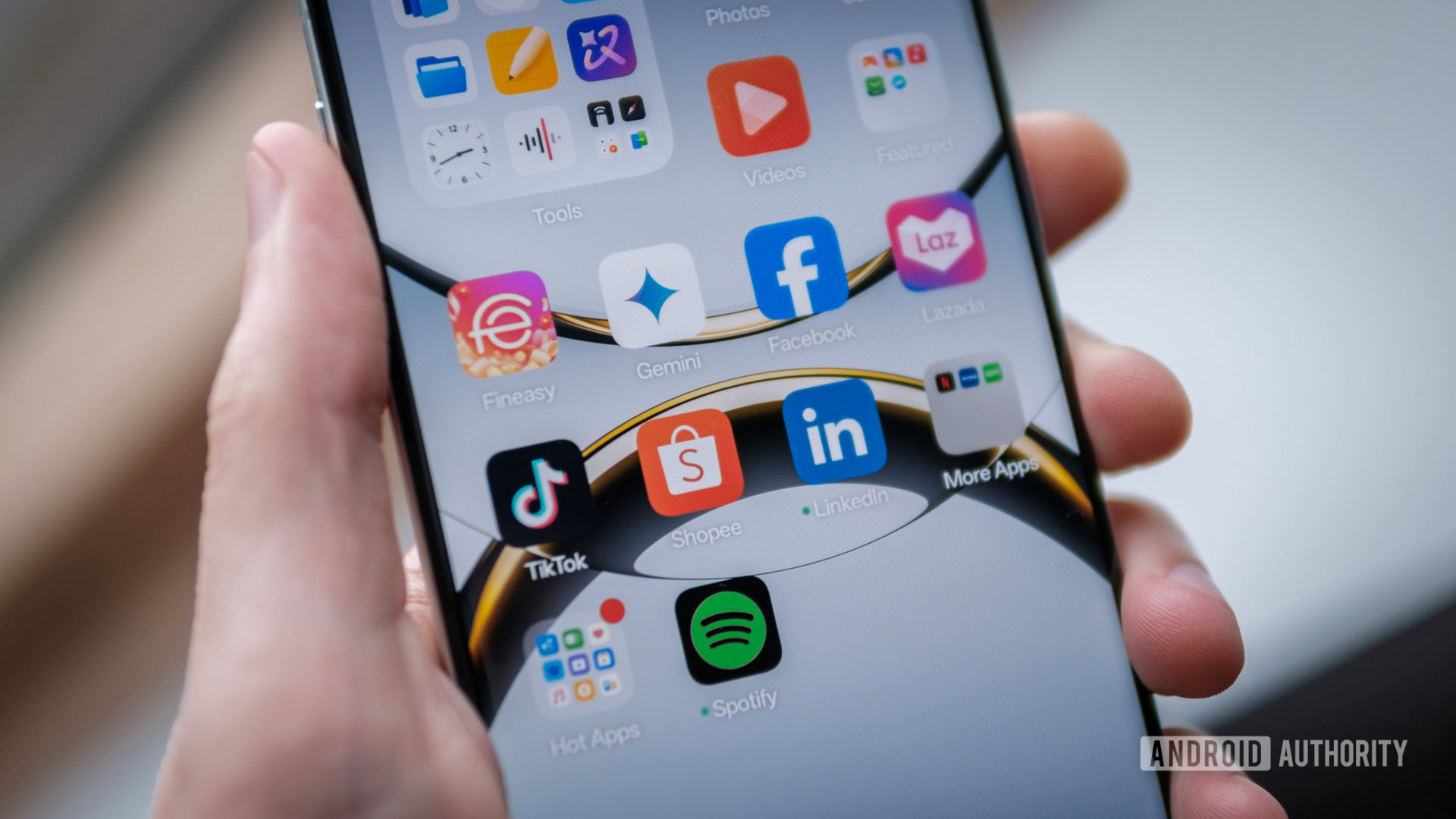
The harshest part of the OnePlus ColorOS transition is the bloatware culture it brings with it. ColorOS on Oppo phones routinely ships with pre‑installed apps like "App Market" and "Game Center," which are gateways to Oppo’s own store full of knockoff Android apps and games. On premium Oppo devices, that bloatware list often expands to Amazon, Booking.com, Facebook, Instagram, LinkedIn, Netflix, and more, varying by region but always longer than what long‑time OnePlus users are used to. You can uninstall many of these and mute their notifications, but you cannot remove the app store itself, even with Android debloat tools. On top of this sits a pushy, enabled‑by‑default lockscreen magazine feature that effectively shows ads disguised as content. "While ColorOS gained useful features from OxygenOS, the latter got saddled with bloatware, slower animations, and eye‑searing iOS‑like visuals," one analysis notes, capturing why enthusiasts dread what comes next.
What users lose: features, updates, and a slogan that meant something
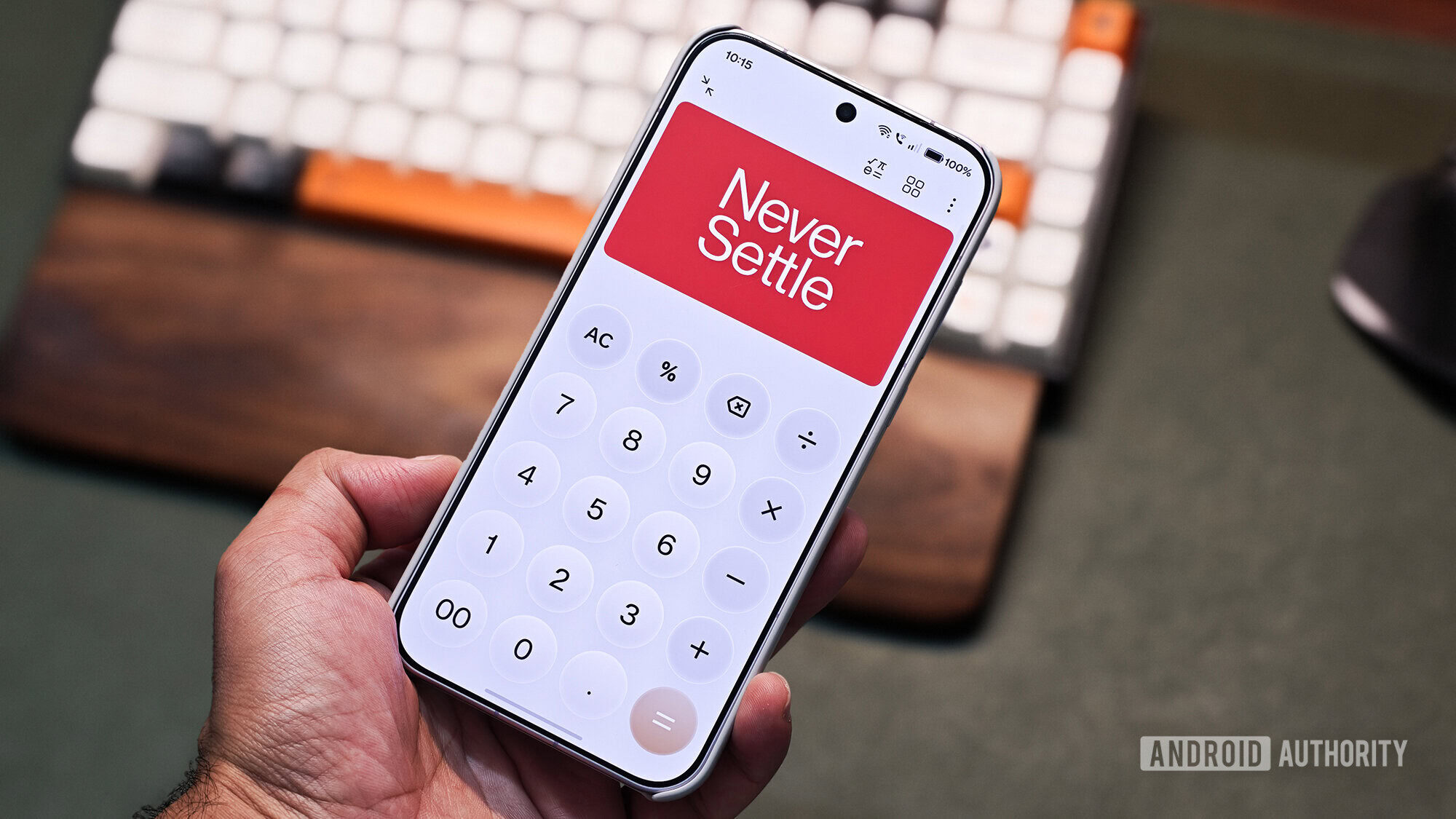
Beyond aesthetics, users will lose OxygenOS‑specific features and familiar behavior. Although the interfaces are now largely identical under the hood, a number of OxygenOS‑exclusive touches are expected to be removed as ColorOS rolls out. These include OnePlus’s subtler, more Android‑like take on the iPhone‑style Control Center and options to reduce blur effects, which many found more bearable than ColorOS’s flashier approach. Long‑standing users already miss older, more flexible launcher customization; the Shelf feature, once prized for quick widgets, has been sidelined and weighed down with ads, showing how OxygenOS has been drifting toward ColorOS for years. Even tiny details like the "Never Settle" calculator Easter egg are set to vanish, symbolizing how the slogan itself dies with OxygenOS. According to a recent poll of 2,811 users, 57% believe Oppo is actively trying to ruin OnePlus, while only 9% think it has improved the brand. That sentiment should worry anyone who still cares about OnePlus’s promise.
Market exit and the shrinking space for enthusiast Android
The OnePlus market exit in North America and Europe compounds the software disappointment with a hard reality: fewer choices for people who want enthusiast‑friendly Android phones. OnePlus has confirmed that, as part of its global strategy adjustment, no new devices will be launched in these regions going forward. Support for existing users will continue only in line with warranty obligations and consumer protection laws, which is the bare minimum rather than a sign of long‑term commitment. OxygenOS has been sharing a codebase with ColorOS since 2021 and OnePlus frames the full switch as a way to accelerate updates and keep software reliable. But when an Android OS comparison is reduced to "pick whichever ColorOS‑based brand you like," the space for alternative philosophies shrinks. This transition might make business sense amid Oppo’s broader restructuring that also involves Realme, which is ending plans for its own skin, Realme UI. For users who valued OnePlus’s old identity, it feels less like progress and more like surrender.