


Apple’s vapor chamber push: cooling as the new battleground
Apple’s ramp-up of vapor chamber cooling systems for the iPhone 18 Pro, a foldable iPhone Ultra, and a future anniversary model is a strategic shift that makes thermal management, not raw specs, the defining contest in premium smartphones. Apple has “significantly increased its total orders for vapor chambers,” with a Chinese leaker tying the spike to its first foldable iPhone and a twentieth-anniversary device. That alone should end the illusion that thin phones can keep getting faster without serious cooling engineering. This is not a minor supply tweak: Apple is reportedly preparing around 10 million units of the foldable iPhone, up from 7–8 million, and about 70 million iPhone 18 Pro and Pro Max units are also in the pipeline. In other words, vapor chamber cooling is moving from exotic add-on to core iPhone 18 cooling technology.

Vapor chambers reveal a harder truth about iPhone performance
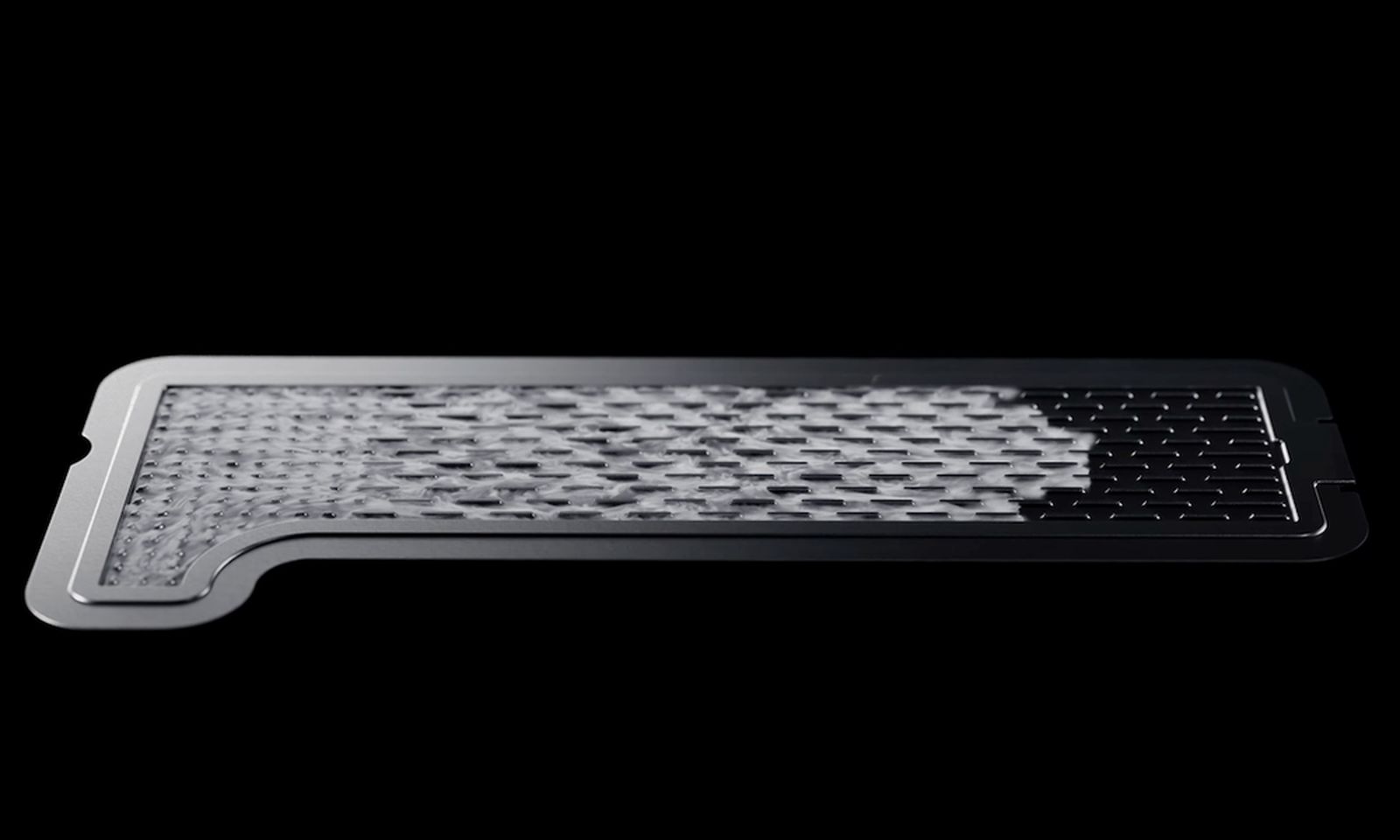
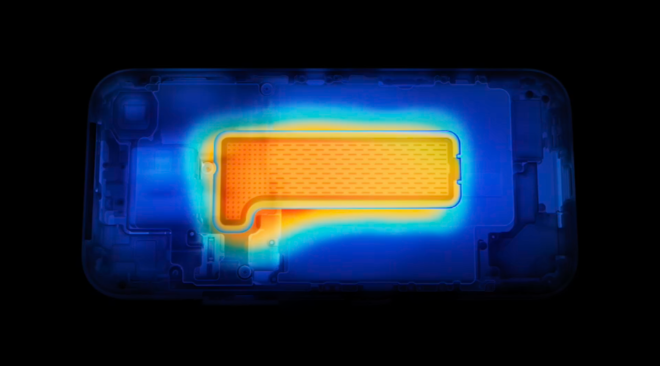
Vapor chamber cooling systems are not fashion accessories; they are what you deploy when standard heat pipes and graphite pads are no longer enough. Apple first introduced its own vapor chamber into the iPhone 17 Pro line, using a small amount of deionized water to carry heat away from the A-series chip and spread it through the aluminum frame, helping sustain performance without thermal throttling. Now, leaks point to a “huge” vapor chamber in the iPhone 18 Pro that extends to the top of the phone, a clear sign that heavier-duty iPhone thermal management is being baked into the chassis. The implication is uncomfortable: Apple expects future chips and workloads to generate so much heat that only an expansive vapor chamber can keep them in check. That is less about bragging rights and more about acknowledging that thin, sealed rectangles are edging toward their thermal limits.
Foldable iPhone design: when form factor attacks the heat budget
The foldable iPhone Ultra is where Apple’s thermal gamble becomes unavoidable. The book-style device, expected to debut alongside the iPhone 18 Pro lineup, is the first in line for these expanded vapor chamber orders. Apple has reportedly instructed suppliers to prepare around 10 million units of the foldable iPhone, up from earlier projections of 7–8 million, a clear sign of confidence in both demand and manufacturability. Yet the foldable form factor fights against cooling by design: its thin internal structure and limited space create unique heat dissipation challenges that traditional solutions struggle to solve. The device is expected to ship with a 7.8-inch inner display, a 5.5-inch cover screen, and an A20 chip, plus a Touch ID power button. Those specs may excite, but they also underline why Apple is “going all out” on thermal engineering for this foldable iPhone design.
The twentieth-anniversary iPhone and the long arc of cooling
Apple’s increased vapor chamber orders are not a one-off patch for a single risky product; they extend into the planned twentieth-anniversary iPhone models as well. A Chinese leaker ties these same components to a future device with an edge-to-edge display and glass that curves around all four sides for a nearly borderless look. That kind of enclosure leaves less room for conventional heat spreading and puts more pressure on internal thermal architecture. Two anniversary models are expected in sizes similar to the iPhone 18 Pro and Pro Max, meaning Apple is effectively standardizing this advanced iPhone thermal management scheme across its top tier. When the industrial design leans toward all-glass, ultra-thin silhouettes, the only way to avoid performance cliffs is to invest in industrial-strength cooling. This is where vapor chambers stop being optional and start being structural.
Conclusion: cooling is Apple’s next design constraint
The mounting evidence is clear: Apple’s surge in vapor chamber orders is not about chasing spec sheet headlines; it is about confronting the heat reality of modern phones. From a “huge” vapor chamber in the iPhone 18 Pro to “impressive” vapor chamber cooling in the foldable iPhone Ultra, Apple is quietly admitting that its ambitions for processing power and radical designs outstrip what old cooling methods can support. The company is gunning for around 10 million foldables and some 70 million Pro units, and those numbers alone prove this is a platform-level shift, not an experiment. The takeaway is blunt: in the next wave of iPhones, heat is no longer a side effect. It is the design constraint, and vapor chambers are Apple’s chosen way to live with it.