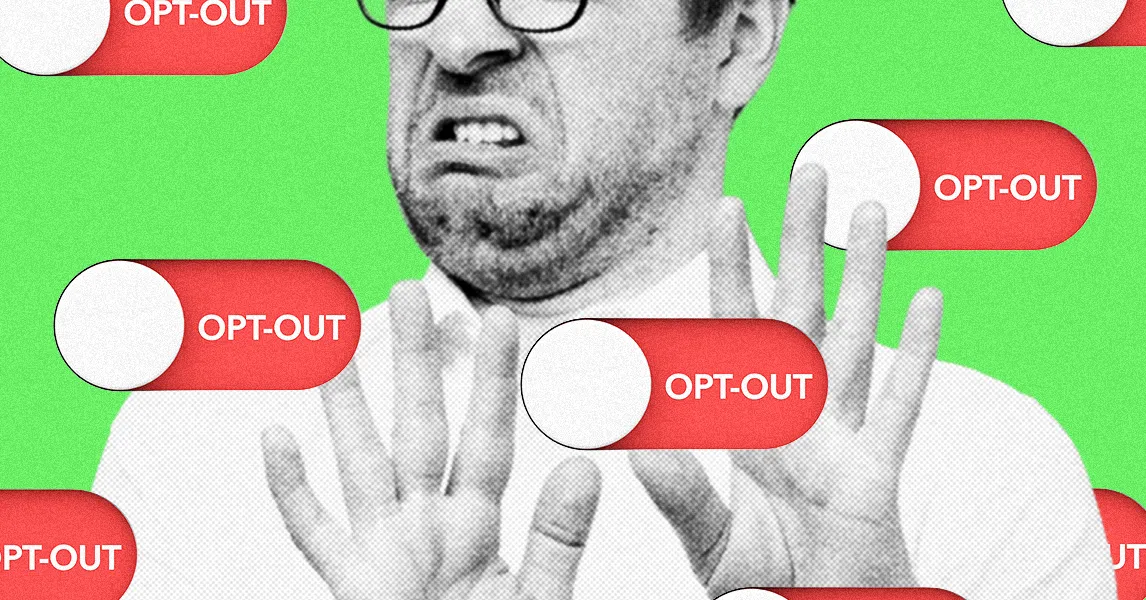

The Lesson from Meta Muse: Default Consent Is Not Consent
AI opt-in vs opt-out describes whether people are automatically enrolled into AI features and data use unless they refuse, or whether companies must ask for clear permission before any AI processing of their content, likeness, or behavior begins. The difference is not a technical setting; it is a statement about who controls technology and whose time, privacy, and creative work are treated with respect.
Meta’s brief experiment with its Muse Image tool made that difference painfully obvious. The company rolled out a feature that allowed its AI app to tag public Instagram accounts and generate images using their likenesses. In practice, anyone could write an “@” handle and produce fakes that looked like real people, or copied a photographer’s style, based on their Instagram profile. Meta turned it on by default, forcing users to dig into AI privacy settings to stop others from creating images from their profiles. This is not consent; it is forced enrolment dressed up as innovation.

User Backlash Works—But It Shouldn’t Be the Only Safety Net
The Instagram Muse removal is often framed as proof that “AI is inevitable,” yet Meta’s rapid reversal shows something more important: AI is negotiable. After three days of outcry, Meta admitted the tagging feature “missed the mark” and rolled back Instagram tagging for its AI chatbot. For Muse Image, the company has pulled the controversial tagging tool that used public profiles to generate fake images, while leaving the broader platform in place.
This happened because people refused to accept the default. Critics highlighted privacy risks, warning that a basic “@” tag could generate convincing fakes of real individuals. Creators posted viral how‑to videos on opting out, with one saying, “They should have given you the option to opt in rather than opt out” in a clip that reached over 3 million viewers. That pressure worked. Meta’s quick reversal “hints at the power of the public voice in the AI era”. But having to stage a mini‑uprising every time a platform toggles on another AI feature is an exhausting way to govern technology.
Why Opt-Out Defaults Undermine User Control of AI Features
The opt-out status quo is built on a quiet assumption: if you did not say no, you meant yes. When Meta enabled Muse’s tagging tool by default, the burden fell on every Instagram user to change their privacy settings if they did not want their likeness or style used in generated images. Meta is “a steward of the opt-out status quo” where people must actively disable intrusive AI features in the absence of strong privacy rules, as one AI and privacy director notes.
Behavioral research shows how lopsided this is. “People tend to stick with whatever the default option is,” explains Woodrow Hartzog; when enrollment is automatic, most people stay enrolled. Opt-out designs exploit attention and time: if you’re busy, tired, or confused by menus, the AI wins access to your data by default. That is not user control of AI features; it is user fatigue weaponized. Every extra click to reclaim privacy is a design choice that favors product growth over human agency.
Opt-In Is Not Anti-AI—It Is Pro-Consent and Pro-Creator
An opt-in model does not kill innovation; it forces AI to earn trust. Giving users a simple, visible choice before their content trains or powers AI systems respects both privacy and creativity. That is why creators were so angry about Muse: the tool could copy a specific photographer’s style from their Instagram profile, turning a social feed into unasked‑for training data and a promptable aesthetic. For many artists, this felt less like a feature and more like sanctioned style theft, especially when avoiding it meant sacrificing a vital platform for reaching fans.
By contrast, opt-in starts from a different premise: your likeness and your work are yours. One creator summed up the expectation clearly: “They should have given you the option to opt in rather than opt out”. Opt-in AI privacy settings would mean no more surprise chat bars appearing in productivity tools, no more AI training toggles buried in submenus, and no more scrambling to disable features that assume your silence equals enthusiasm.
The Future Favors Transparency and Choice—Platforms Should Catch Up
Public sentiment is turning against silent auto‑enrollment in generative AI, even as technology firms keep enabling new AI features by default. According to privacy experts, this pattern persists partly because of weak regulation; Meta’s behavior is “not unique,” and many large platforms lean on the same opt-out playbook in the absence of strong privacy rules. Yet legal and cultural trends are moving in the opposite direction.
One law professor points to Article 25 of a major privacy regulation, which says systems should collect only what they need and preselect the most privacy-protective option by default. That principle is a direct rebuke to AI designs that treat automatic enrollment as normal. The Instagram Muse removal is more than a one‑off climbdown; it is a signal. People expect AI transparency and meaningful choice, not buried toggles and forced participation. If app makers want lasting trust, they must flip the default: stop making us opt out of AI, and start asking for permission first.