
The Real Cost of Saying Goodbye to Physical Games
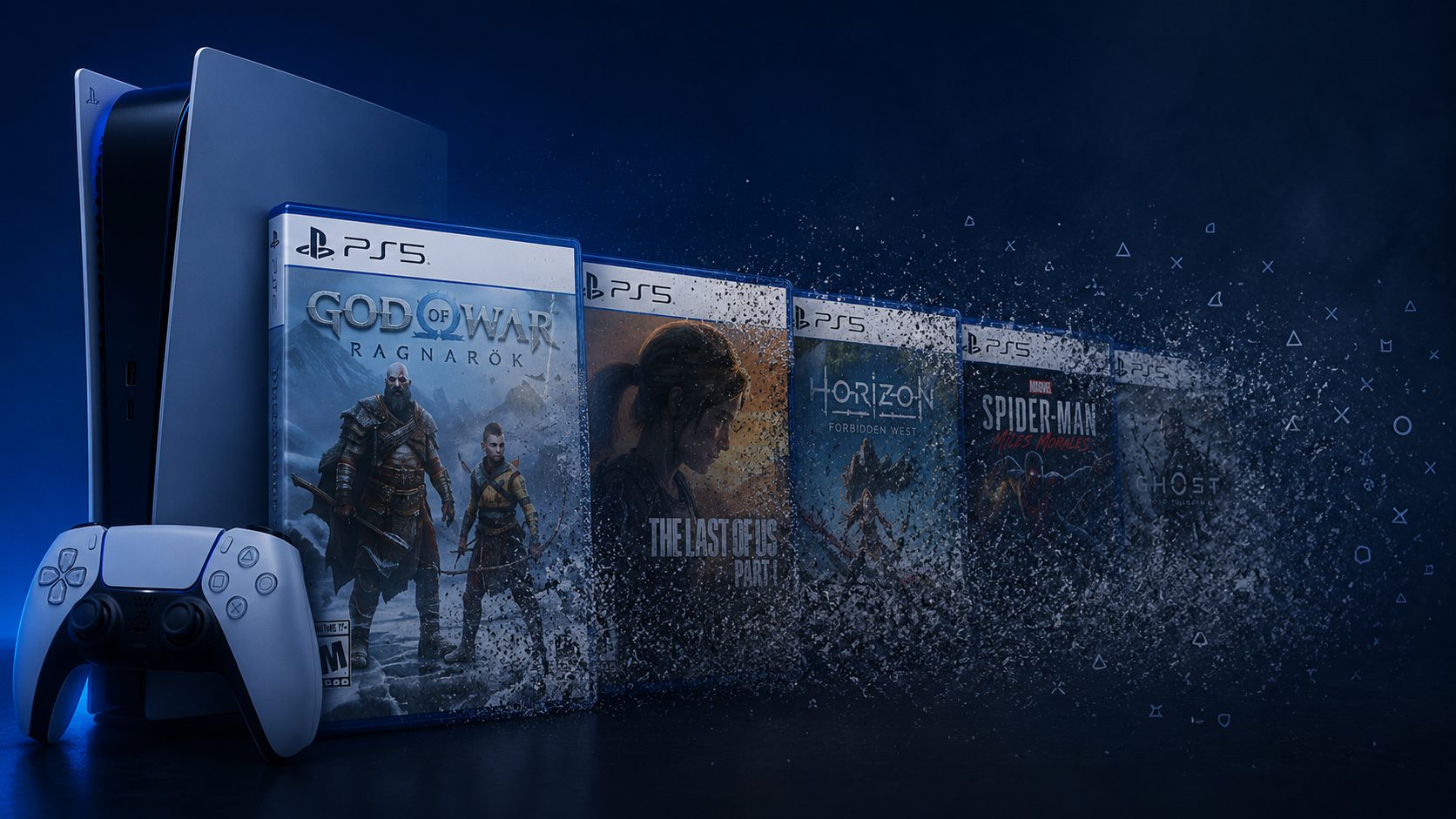
The end of physical game discs means the disappearance of competitive pricing, second-hand sales, and retail discounts that routinely keep physical game prices 40–90% below digital storefront listings, leaving platform owners free to charge higher average prices and control every aspect of game pricing trends with almost no market resistance. That is the uncomfortable core of the digital vs physical games debate: the shift is sold as convenience, but it is powered by the chance to extract more money from every player over time. Sony has confirmed that starting January 2028, new PlayStation releases will be digital-only, turning the cheaper option into a historical footnote. If you care about your gaming budget, you should treat this as a warning, not a minor technical update.
How Physical Discs Keep Prices 40–90% Lower
For years, physical game prices have quietly protected players from the worst instincts of platform-owned stores. A recent pricing analysis of 16 PlayStation 5 titles showed that the PlayStation Store was almost always more expensive than retail, and that on any given day you were statistically more likely to find a game cheaper at retail than in the digital store. This pattern is backed up by stark examples. During an Amazon sale, Lost Soul Aside sold for USD 9.99 (approx. ₱580) on disc while the PlayStation Store listed the same game at USD 39.59 (approx. ₱2,300), four times more for the digital file. Metal Gear Solid Delta: Snake Eater has been around USD 25 (approx. ₱1,450) physically versus USD 42 (approx. ₱2,430) digitally, a 40–45% premium. According to price-tracking data, physical discs routinely undercut digital by 40–75%, with extreme cases approaching 90%.
Why Sony Is Pushing Digital-Only—and Why It Matters
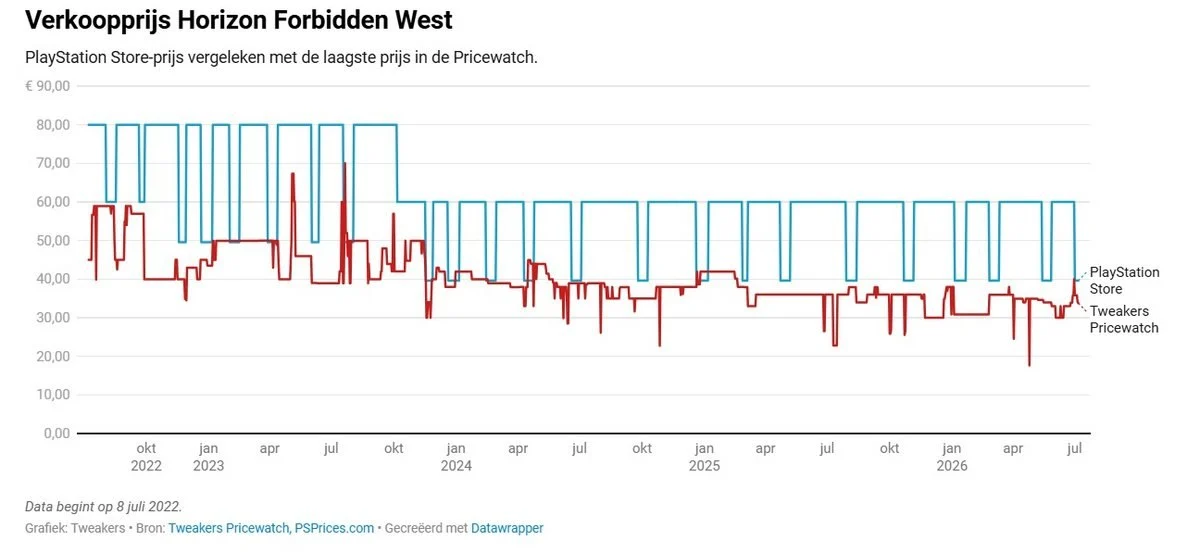
Sony calls the move to digital-only a “natural evolution,” pointing to the fact that by Q4 FY2025 around 85% of full-game sales on PS4 and PS5 were already digital. Industry watchers at major developer conferences have noted broader shifts in how games are distributed, and Sony is framing this as following consumer behavior rather than steering it. But the remaining physical buyers are not a rounding error; they are the budget-conscious players, parents, and people whose connections make large downloads painful. They are also the ones who benefit the most from aggressive PlayStation disc pricing at retail. Pricewatch data shows that competition among stores consistently drives down disc prices, while every first-party title on the PlayStation Store tends to snap back to its full launch price whenever it is not on sale, regardless of age. Removing discs removes that competitive pressure and hands pricing power to the platform.
The Collapse of Retail Competition and the Used-Game Escape Valve
The reason physical undercuts digital is not a happy accident; it is structural. Retailers fight for shelf space and pay for unsold inventory, so they cut prices and keep them low to move stock. Digital stores work like walled gardens, closer to an app store: Sony and publishers set prices and only change them during curated sales. Pricewatch, which aggregates offers from many retailers, shows how that competition leads to cheaper PlayStation disc pricing over time. In one region, three years after launch, physical copies of certain titles often fall below 40 AUD while digital prices stay around 60–70 AUD. On top of that, the used-game market is an “escape valve”: trade three old discs and you might fund most of a new release. When discs vanish, that math disappears. Ending physical discs ends the second-hand market entirely, forcing everyone into first-party digital stores where, on average, they will pay more than they did with retail and used options available.
A Digital-Only Future Means Higher Average Prices—Unless Players Push Back
The direction of game pricing trends is clear: as discs disappear, platform holders consolidate control and average prices rise. One report bluntly notes that once physical disc production ends, the pricing of all games on a platform will sit under the control of the companies that own those storefronts. Another analysis warns, “Going full digital can mean the games on the PlayStation Store are more expensive than if you were to buy it physically.” If Xbox follows Sony’s path, this will not be a PlayStation-only issue; it will be a multi-platform reality where digital vs physical games no longer exists as a meaningful choice. Tools like digital sale trackers can help you time purchases, but they cannot recreate a USD 9.99 (approx. ₱580) disc that drops permanently or a second-hand copy that costs a fraction of launch price. The PS5 is almost certainly the last console where a disc drive can save you serious money—so use it while you still can, and start demanding better digital pricing before the physical safety net disappears.
![PlayStation PS5 Elden Ring [R2]](https://img.milik.ai/product/2026/07/18/fc5a8fde-d709-4308-a3c6-132485ae5cd2.png)