
The big shift: Android’s AI brain is no longer Gemini-only
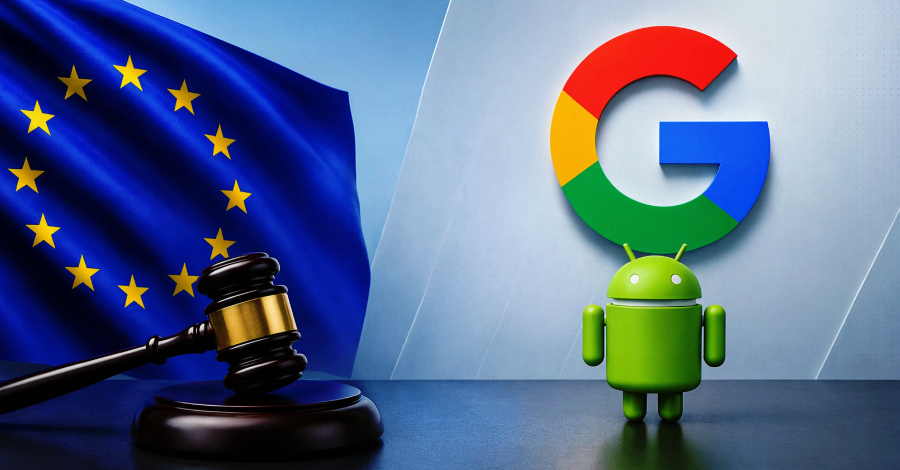
The European Commission’s latest Digital Markets Act enforcement forces Google to open 11 key Android features—including microphone, camera, on‑screen content, and wake‑word access—to rival AI assistants on the same terms as its Gemini assistant, while also requiring Google to share anonymised search data with eligible search providers and AI chatbots under regulated conditions. This is not a minor tweak; it rewires who can plug directly into Android’s neural core. The decision, adopted on 16 July as a binding specification under the EU digital markets act, follows proceedings opened in January and targets an operating system that powers around 60% of mobile users in Europe. In effect, regulators are saying: if Android is the gateway to mobile AI, Google cannot be the only one holding the keys.
What exactly is opening up—and when
The ruling compels Google to give rival AI assistants Android access equivalent to Gemini’s: the camera, microphone, on‑screen content, wake‑word triggers even when the display is off, and the power to control other apps in the background by imitating taps and typing. In total, 11 operating system features are covered, split between five restricted capabilities and six that any third party can use without certification. Ambient data—continuous microphone input, system audio, camera, screen contents, location, and motion sensors—sits in the open category, gated only by the light‑weight consent prompts Google uses for its own AI. Most measures must arrive in Android 18 by 1 August 2027, while concurrent listening by multiple assistants waits for Android 19 and slips to 1 August 2028. These timelines define the runway for both Google DMA compliance and its rivals’ product roadmaps.
How EU Android AI access will change your daily phone use
For users, this ruling is about practical control: you will be able to activate your preferred AI assistant via voice commands, then have it send messages, book services, or pull contextual information across apps, not just inside Google’s ecosystem. Once the changes land, Android users are likely to see a selection screen much like the browser-choice prompt in the bloc; pick an assistant and you will be able to wake it with a hotword and unleash “agentic actions” across the device. Behind the scenes, by August 2027 a certified or user‑approved assistant will be able to open apps on a virtual display, read their screens, and click through them while you do something else. This is powerful—and opinionated designers should admit it will make assistants less optional and more like operating systems on top of Android. You will not just talk to your phone; third‑party AI will operate it for you.
Search data sharing: a new knowledge base for rival AI assistants
The second half of the ruling attacks Google’s dominance in search, which also feeds its AI. The Commission now requires Google to share anonymised search query, click, and ranking data with eligible third‑party search engines and AI chatbots that perform online search, for a cost‑based fee. In the Commission’s words, the measures are intended to expand consumer choice and prevent Google’s advantages in Android and search from limiting competition in AI services. Google must start data sharing by January 2027, with methods of anonymisation checked by an independent third party, and recipients are banned from using the data for general‑purpose AI training, advertising, or consumer profiling. One quotable takeaway is: “The decisions apply established DMA interoperability and data‑access rules directly to the emerging AI market.” If rival AI assistants Android developers want to compete with Gemini, this data is their new training ground for better retrieval and grounded answers.
Competition win or privacy gamble?
This decision is both a bold correction and a calculated gamble. Regulators fear that without EU digital markets act enforcement, Google could use its dominant mobile OS to box out competitors in AI assistants and search. By forcing EU Android AI access, they lower barriers created by control over operating systems and data, and they escalate DMA enforcement without yet issuing fines. But the privacy and security questions are real. Ambient access means assistants can continuously tap microphones, cameras, screen content, and location under lighter consent prompts than regular apps receive. Google’s own president of global affairs argues the measures “risk undermining vital privacy and security guardrails for millions of Europeans” and could weaken device security. The Commission counters that consent, isolation, encryption, and certification requirements will protect users. In my view, the balance hinges on execution: open ecosystems beat walled gardens, but only if regulators keep pushing for transparent permissions, visible indicators, and independent audits of every assistant that plugs into Android’s most sensitive hardware.