
Dolby Atmos: Object-Based Magic Meets Living-Room Reality
Dolby Atmos is an object-based surround audio format that encodes sounds as individual objects with positional metadata instead of fixed channels, allowing a playback system to render them anywhere in three-dimensional space and adapt the mix from a compact soundbar to a 64-speaker cinema. In theory, that means helicopter blades above your head, rain around you and music wrapping the listener in a bubble of sound. In practice, most households never hear this full effect. Enthusiasts build surround systems specifically to enjoy Atmos every day and are pleased with the results when everything is set up correctly. But this is exactly where the gap opens: the format’s marketing focuses on cinematic immersion, while consumer hardware, room layouts and rushed installations deliver a watered-down version that leaves many wondering why Dolby Atmos sounds spectacular in demos yet underwhelming at home.
Home Theater Setup Mistakes that Kill Dolby Atmos Quality
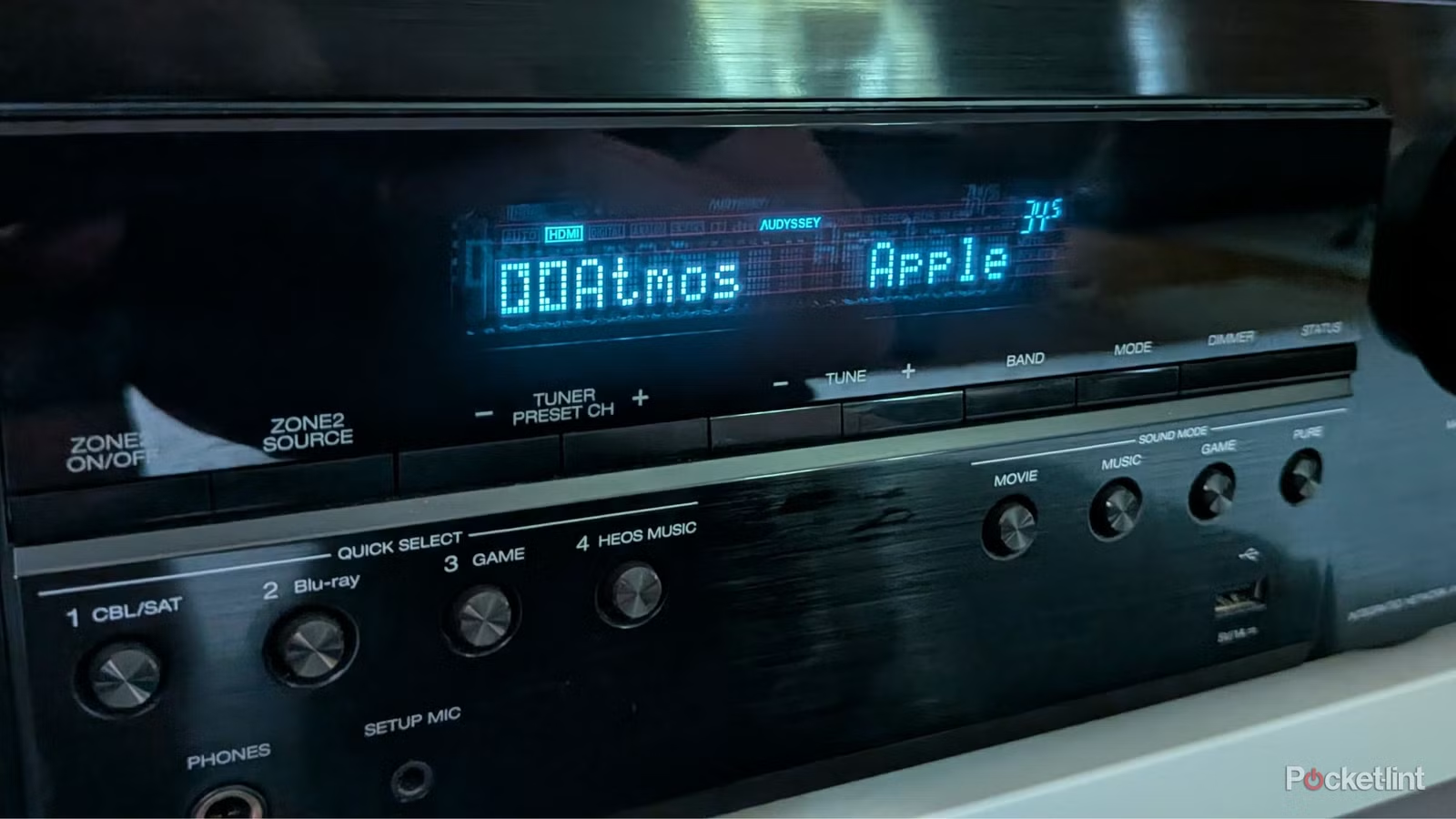
The harsh truth is that many home theater setup mistakes sabotage Dolby Atmos quality long before the signal reaches your ears. People slide speakers a few inches to “fix” something, not realizing they’ve broken the room calibration that aligned levels and timing for their listening positions. Once a microphone-guided tool has tuned your system, moving a speaker without recalibrating means the soundstage no longer lines up and one channel may suddenly feel too loud, too quiet or detached. Consumers also mismatch front speakers, assuming any center channel will work with their left and right pair. It will work electrically, but mismatched timbre and tonal differences stop the front soundstage from blending, which is fatal for seamless object panning. Add in height speakers pointed at the wrong spot, incorrect distances in the AVR, and cramped furniture placement, and the sophisticated Atmos renderer is trying to paint a 3D picture on a crooked canvas.
Spatial Audio Myths and the Limits of Single Wireless Speakers
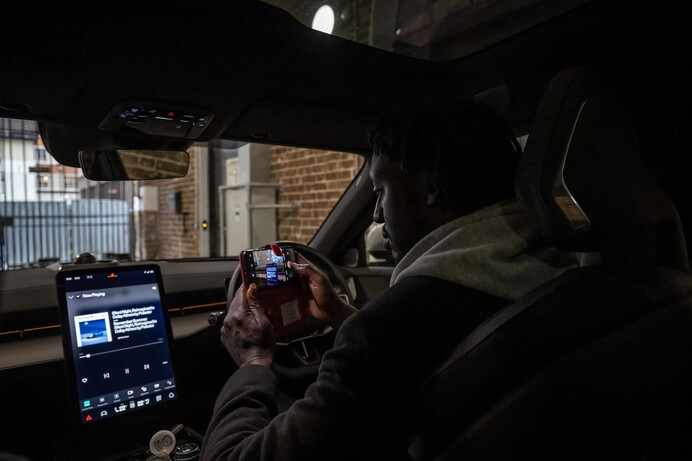
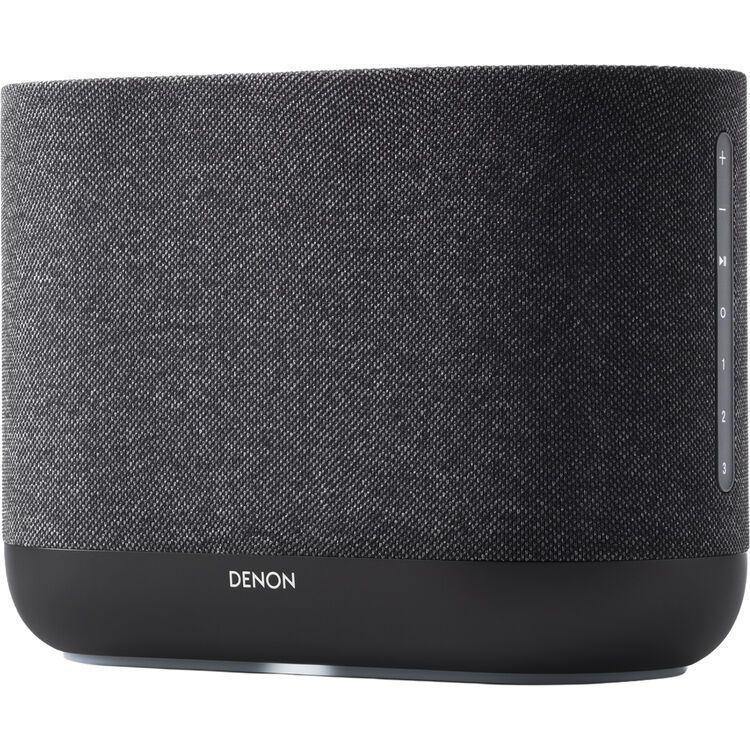
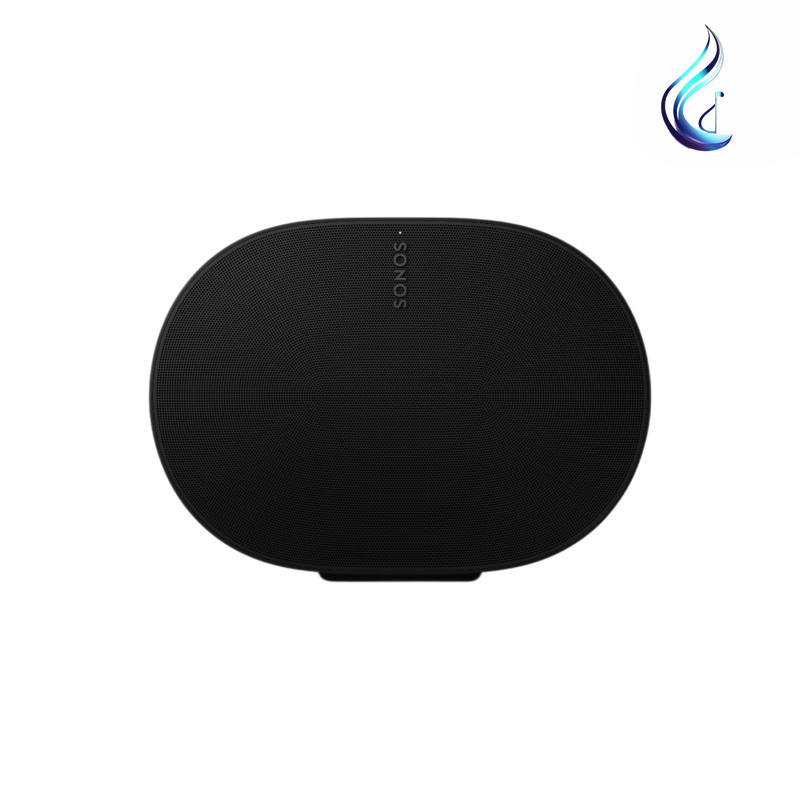
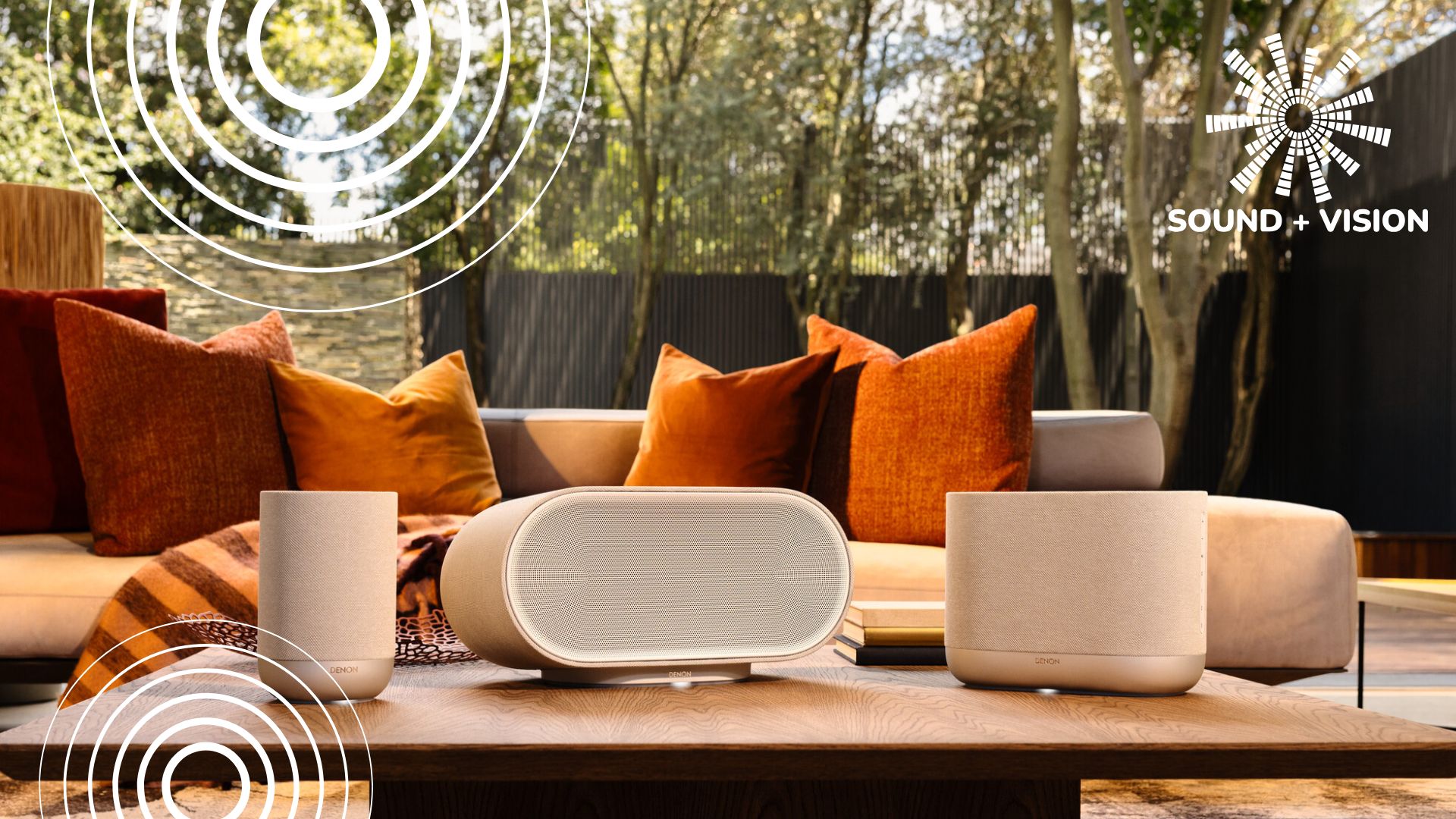
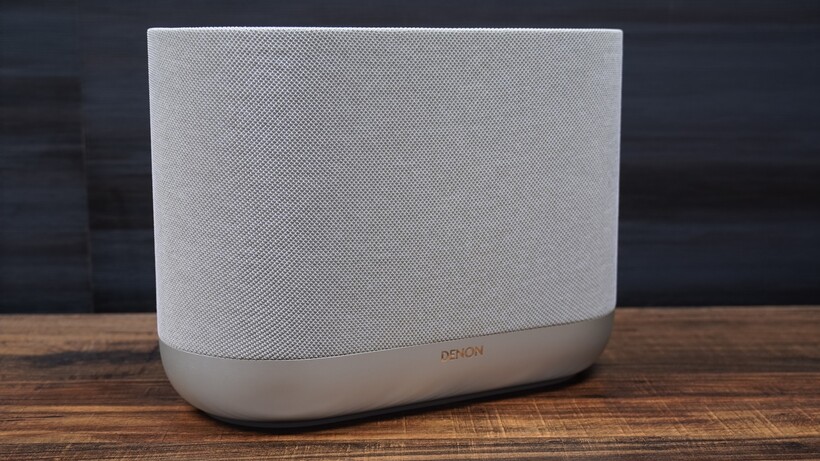
Marketing has trained listeners to expect “immersive” spatial audio from single wireless speakers, but that promise collides with physics. Proper Dolby Atmos immersion depends on having sound in front, behind, above and to the sides, with speakers all around the listener. When engineers place instruments, vocals and reverb in a good Atmos music mix, a decades-old track can feel newly alive, with convincing depth and positioning. Yet devices like the Denon Home 400 or Sonos Era 300 are trying to conjure that multi-directional field from one source, and experienced listeners describe the effect as unconvincing. Without Atmos, these speakers can create a soundstage wider and taller than the cabinet; with Atmos tracks, the widened field often sounds thinner and less natural than in a car or dedicated room. As one review put it, “Spatial audio is a mixed bag of quality, with some tracks great and others middling.” The myth is that any Atmos badge equals immersion; the reality is that single-box wireless solutions are an intentional compromise.
Google’s $300 Spatial Audio System: Atmos-Like, Not Atmos-Certified
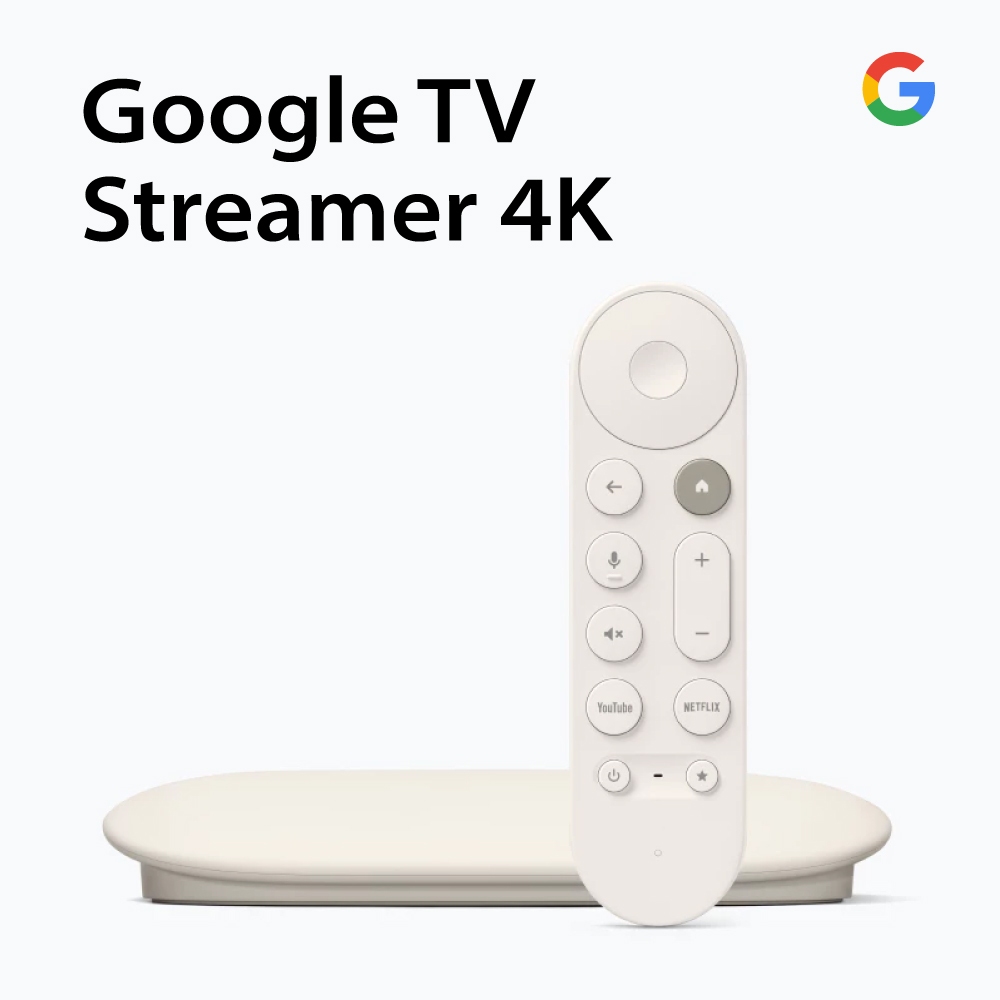
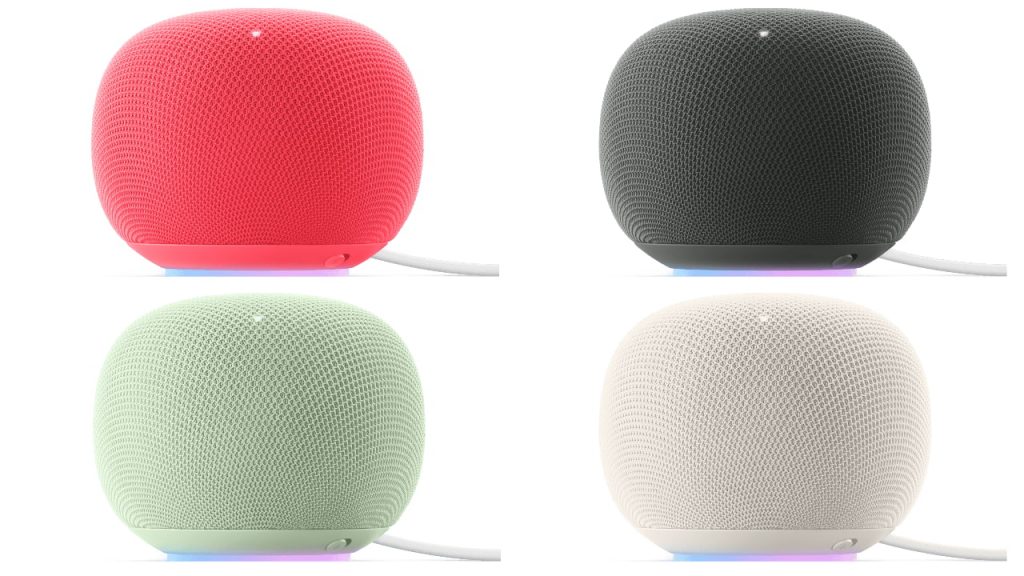
The latest example of spatial audio hype is the pairing of Google’s TV streamer with two Home Speakers. Two compact units, each using a single 58mm full-range driver, connect wirelessly to become the television’s primary audio system. A stereo pair costs USD 199.98 (approx. ₱11,200), while adding the streamer brings the full two-speaker setup to USD 299.97 (approx. ₱16,800), undercutting many soundbars. Google lets you assign left and right channels, input distances, and activate Spatial Audio that simulates surround and makes sound seem to arrive from multiple directions rather than only conventional stereo. However, reporting around Dolby Atmos support has become muddled. The streamer itself confirms Atmos support, and the speakers confirm Spatial Audio processing, but Google does not say the pair is an officially supported Atmos playback system. There is no dedicated center, subwoofer, rear or height driver, and until Google explicitly confirms the rendering path, calling this combination a Dolby Atmos system goes beyond the documented facts.
Realistic Expectations: What Atmos Can and Cannot Do at Home
When Atmos works in a treated room or well-equipped car, spatial audio can be stunning, with music surrounding you like a studio bubble. But consumers now have access to a huge trove of immersive tracks on major streaming services, and not all mixes use the extra object information well. Some engineer choices lead to effortless immersion; others leave songs sounding hollow or gimmicky. Upscaling non-Atmos content to fill every speaker can help, yet even fans admit not everything they watch is encoded in Dolby Atmos. Mid-range systems often lack enough speakers or careful setup to reveal the format’s strengths, so expectations built on showroom demos exceed what a typical living room can deliver. True Atmos immersion requires a specific hardware configuration with speakers all around, height channels and consistent tonal matching, which many users are unwilling or unable to invest in. The sensible stance is this: enjoy Dolby Atmos as an enhancement, but stop expecting a wireless pair or casual home theater to recreate the calibrated magic of a cinema.