
A Forced Opening: From Walled Garden to Shared Infrastructure
Google’s forced open ecosystem is a regulatory-driven shift in which Android’s system-level access and Google Search’s behavioral data, once tightly controlled by Google, must be shared with competing assistants and search services under detailed interoperability rules, turning the company’s core mobile infrastructure into a platform its rivals can build on. Regulators have ordered Google to open up more access to Android and Search to allow competitors, as part of two measures designed to ensure compliance with the Digital Markets Act. This is not about another fine; it is about prying open the pipes that feed Google’s dominance. For users and developers, it signals more choice, more complexity, and a power shift from a single gatekeeper to a contested, multipolar ecosystem.

EU Android Interoperability Rules: Breaking Google’s Grip on the Device
The EU Android interoperability rules strike at the heart of how Google controls mobile entry points. One binding decision orders the Android system to open system-level access to third‑party AI assistants, giving ChatGPT and similar tools treatment equal to Google’s own Gemini. Today, only Gemini can chain together wake words, screen context, and app control into seamless flows. Under the new rules, that exclusivity disappears. The EU compiled a list of 11 system functions that must be opened with “free and effective interoperability,” including custom wake words, long‑press Home activation, screen and device context reading, system‑level model invocation, proxy screen interaction, and background execution. This is an explicit dismantling of Google’s gatekeeping over Android’s most powerful hooks. Regulators see AI assistants as a competitive layer that Google cannot monopolize, and they are writing that view directly into the operating system’s rulebook.

Search Data Access for Competitors: Giving Away the Crown Jewels
If Android access is the body, search feedback is the brain—and regulators are now forcing Google to share it. A second binding decision mandates that ranking signals, search queries, and click and browsing data will be anonymized and opened to qualified competitors starting in January 2027. Regulators have long criticised Google’s near‑90% share of the European search market; now they are attacking the data advantage that upholds it. Third‑party search engines will gain access to the user behavior signals that Google Search collects, under a “fair, reasonable, and non‑discriminatory” pricing framework. One quotable summary from the sources captures the stakes: “Search data determines whether AI can understand what users want, and Android permissions determine whether it can fully execute the task.” Every antitrust fine over the past two decades only collected interest from Google; this time, regulators are targeting the principal.
What Changes for Users and Developers in the Mobile App Ecosystem
For ordinary users, the most obvious change will be how they talk to their phones. Once the rules take effect, a user reading a flight confirmation email can say a custom wake word, have ChatGPT activate, read the arrival time, open maps, launch a ride‑hailing app, and pre‑fill the airport and hotel addresses—without leaving the email or manually opening apps. That chain of actions, once exclusive to Google’s assistant layer, becomes available to rivals. The European Commission has said it wants users to have more choices to set their preferred AI assistant and to improve privacy. Developers will see new surface areas: they can plug into system‑level AI, multiple concurrent assistants, and shared search feedback. But choice brings fragmentation. Different assistants may favour different search providers, different ranking models, and different privacy defaults, making the mobile app ecosystem more diverse, but also more inconsistent across devices and services.
The Broader Power Shift: Google’s Dominance Under Siege
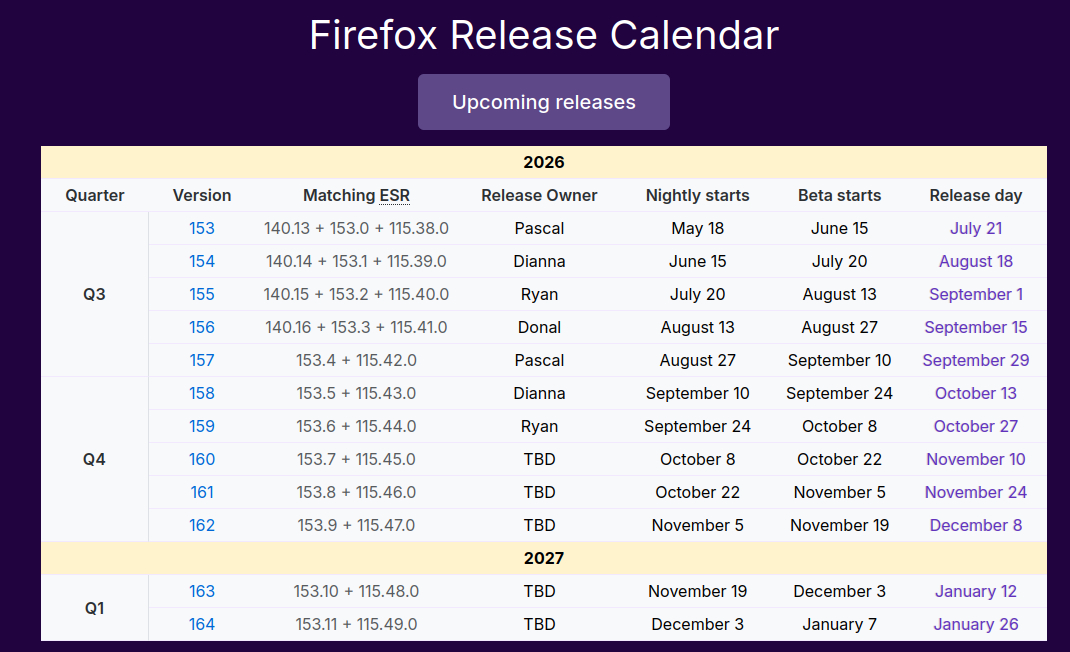
This forced opening marks an unprecedented challenge to Google’s position in mobile services. Alphabet’s annual revenue has passed $400 billion, with search contributing around $224.5 billion—more than half. Under the new regime, non‑compliance could trigger fines up to 10% of global annual revenue, with the possibility of doubling for repeat violations, putting tens of billions on the line. Meanwhile, any new capability added to Gemini must be opened to third parties on the same day, blocking Google from regaining its lead through quiet system updates. The beneficiary list extends beyond OpenAI to include Claude, Perplexity, and regional AI ventures. At the same time, the wider AI landscape is heating up: Apple is suing OpenAI over alleged trade secret theft, claiming its nascent hardware business rests on “misappropriated” technology, while OpenAI pushes hardware like the Codex Micro at USD 230 (approx. ₱12,880). This is not a simple Google‑versus‑the‑world story; it is a wholesale reshaping of who controls mobile intelligence, from system software to AI models and devices. Users can expect new features to reach them faster in browsers and assistants, much like Mozilla’s move to a 2‑week release cycle from when Firefox 155 ships on September 1, 2026. The conclusion is clear: regulators have turned Google’s own infrastructure into the battlefield on which its dominance will be contested.