
Handheld gaming PCs in 2026: what this comparison covers
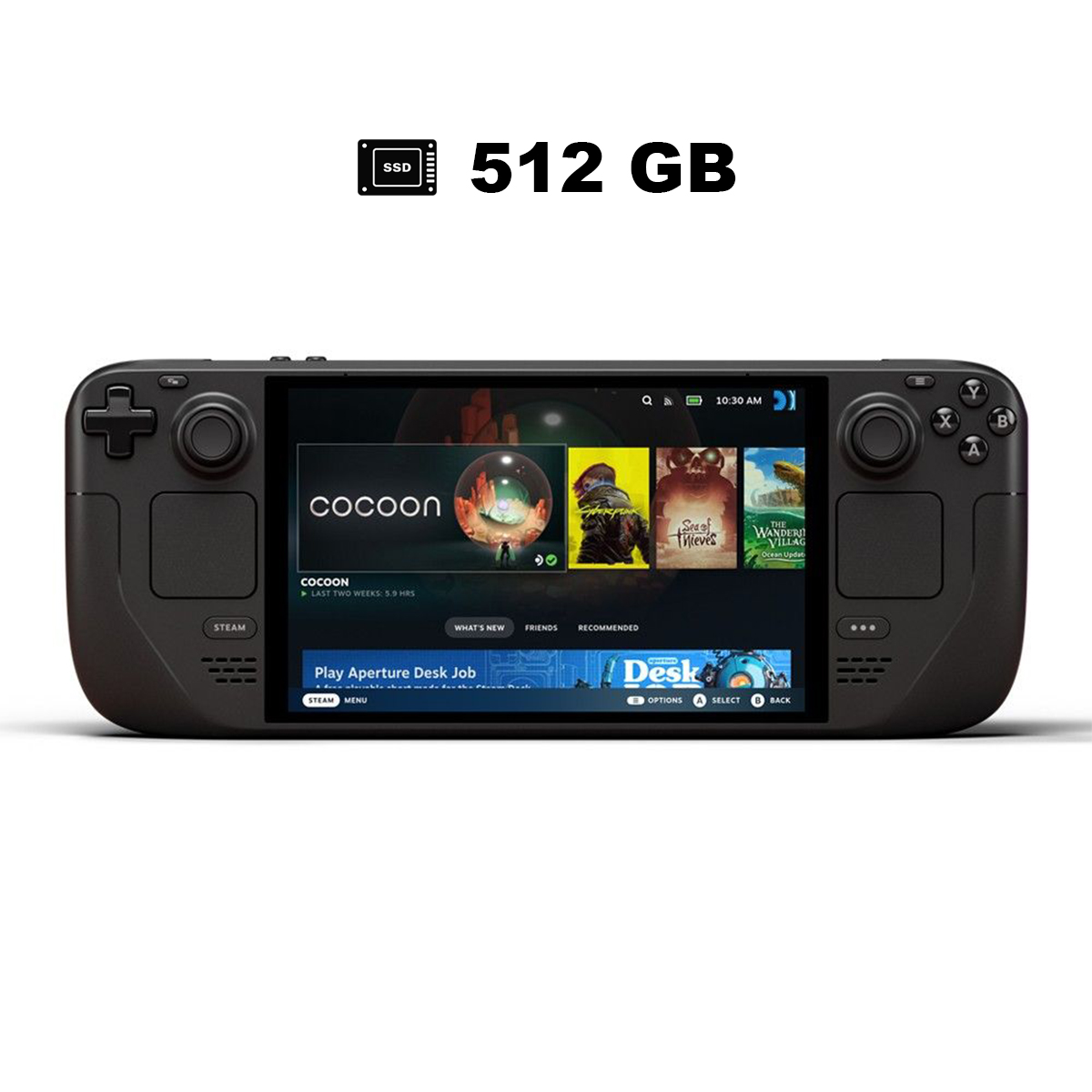
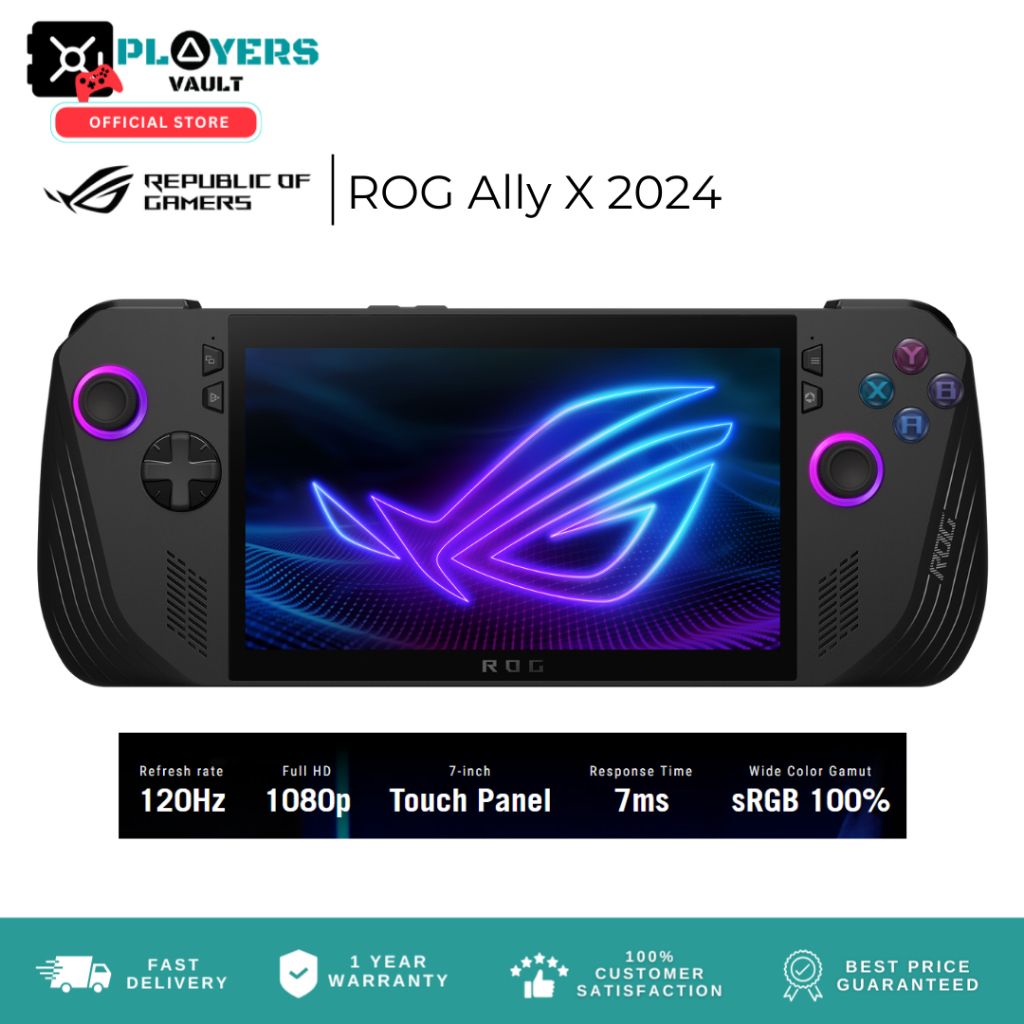
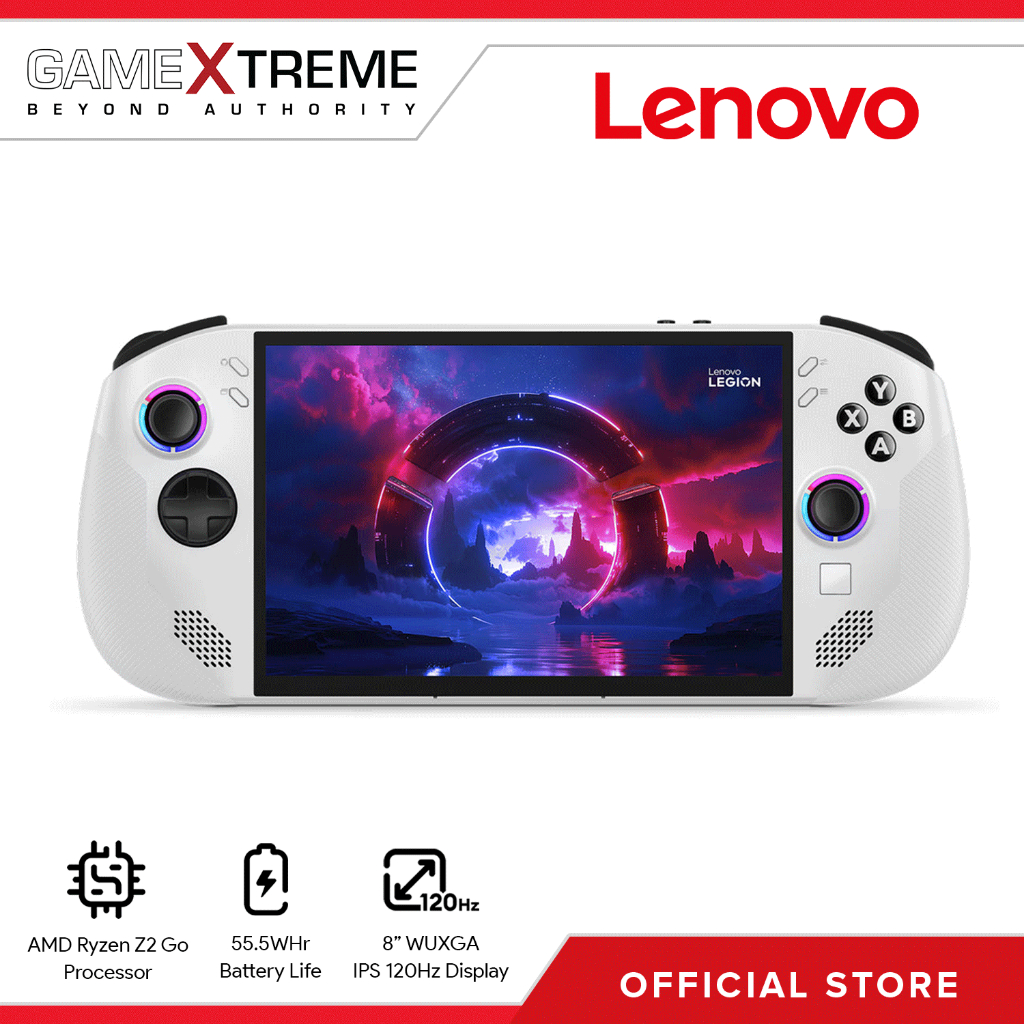
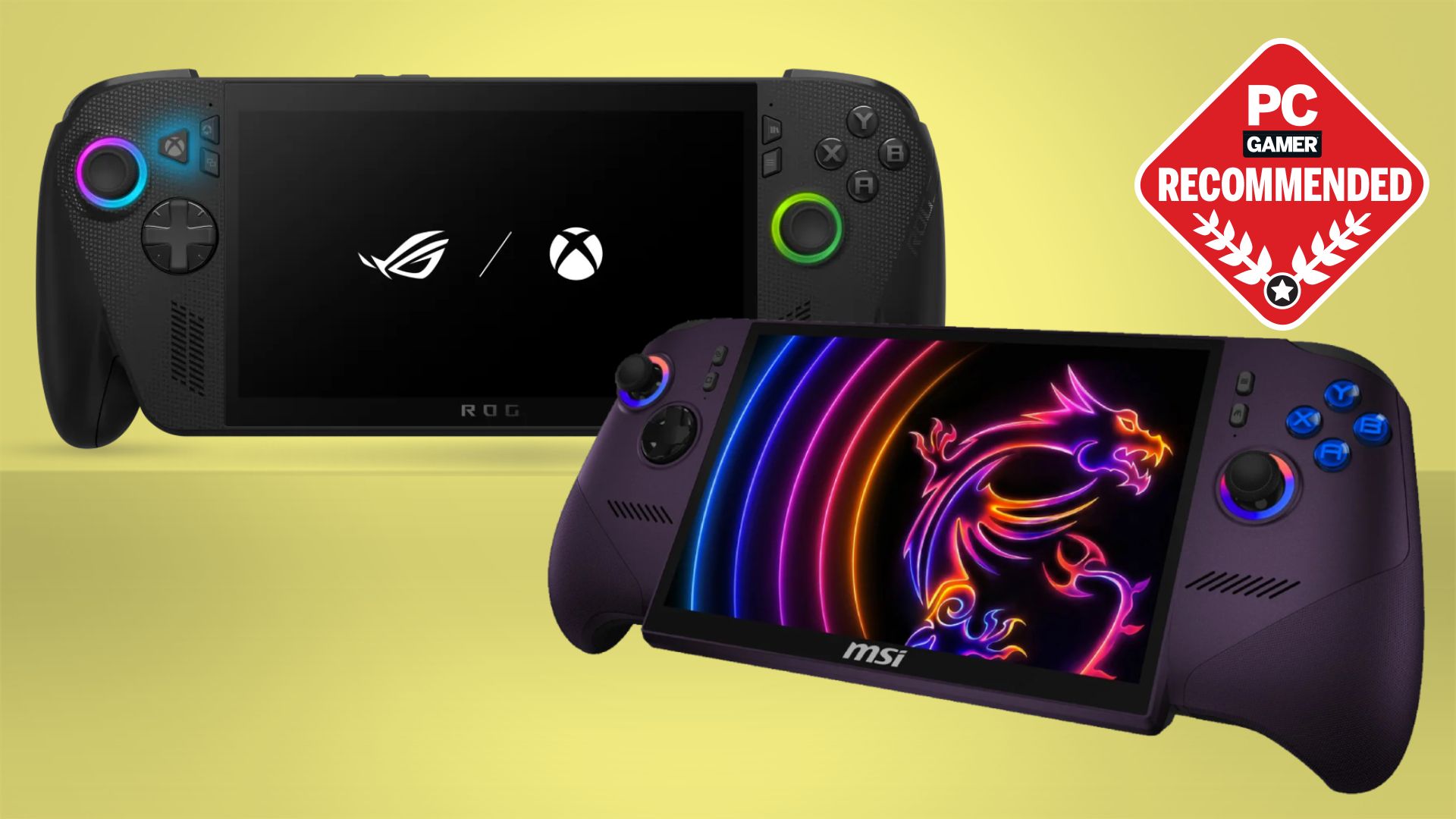
A handheld gaming PC comparison looks at performance, battery life, display quality, software, and price across portable gaming devices to help buyers decide which machine best fits their budget, preferred game libraries, and typical play sessions at home or on the go. In 2026, that choice often comes down to Steam Deck vs ROG Ally and Lenovo’s Legion Go S, three different ideas of what the best handheld gaming console should be. In short: the new, pricier Steam Deck OLED suits players who live in Steam and value polished console‑like simplicity; ASUS’s ROG Xbox Ally X is the balanced choice for Windows and Xbox Game Pass fans; and Lenovo’s Legion Go S slots in as a flexible, slightly smaller alternative that lets you pick SteamOS or Windows depending on how PC‑like you want the experience to feel.
| Spec | Steam Deck OLED | ROG Xbox Ally X |
|---|---|---|
| Operating system at launch | SteamOS (Linux‑based) | Windows 11 with Xbox full‑screen interface |
| Storefront focus | Steam built in | Xbox app and Game Pass Ultimate bundle |
| Launch timing | November 16, 2023 | October 16, 2025 |
| Included subscription | None mentioned | Three months of Xbox Game Pass Ultimate |
| Baseline positioning | Valve’s default handheld answer | Best overall handheld in 2026 according to PC Gamer |
Performance, battery life, and thermal behavior
All three contenders are built around modern AMD mobile silicon, but they lean into that hardware differently. ASUS’s ROG Xbox Ally X is framed by PC Gamer as “the best handheld gaming PC overall” thanks to its AMD Ryzen Z2 Extreme processor, Radeon 890M graphics, 24 GB of fast LPDDR5X‑8000 memory, and 1 TB of storage, which together give it a performance edge for demanding games while keeping a comfortable chassis. The Steam Deck OLED, meanwhile, remains tuned around Valve’s own SteamOS stack, prioritizing efficiency and console‑style stability over chasing the highest frame rates in every title. Lenovo’s Legion Go S splits the difference: it launched first as a Windows 11 handheld, then as the first non‑Valve machine preloaded with SteamOS, so it can be turned into either a flexible mini‑PC or a focused Steam handheld. For battery life and thermals, SteamOS tends to favor lower overhead and steadier performance under load, while Windows devices offer more power settings but demand more manual tweaking.
Display experience, software ecosystems, and game libraries
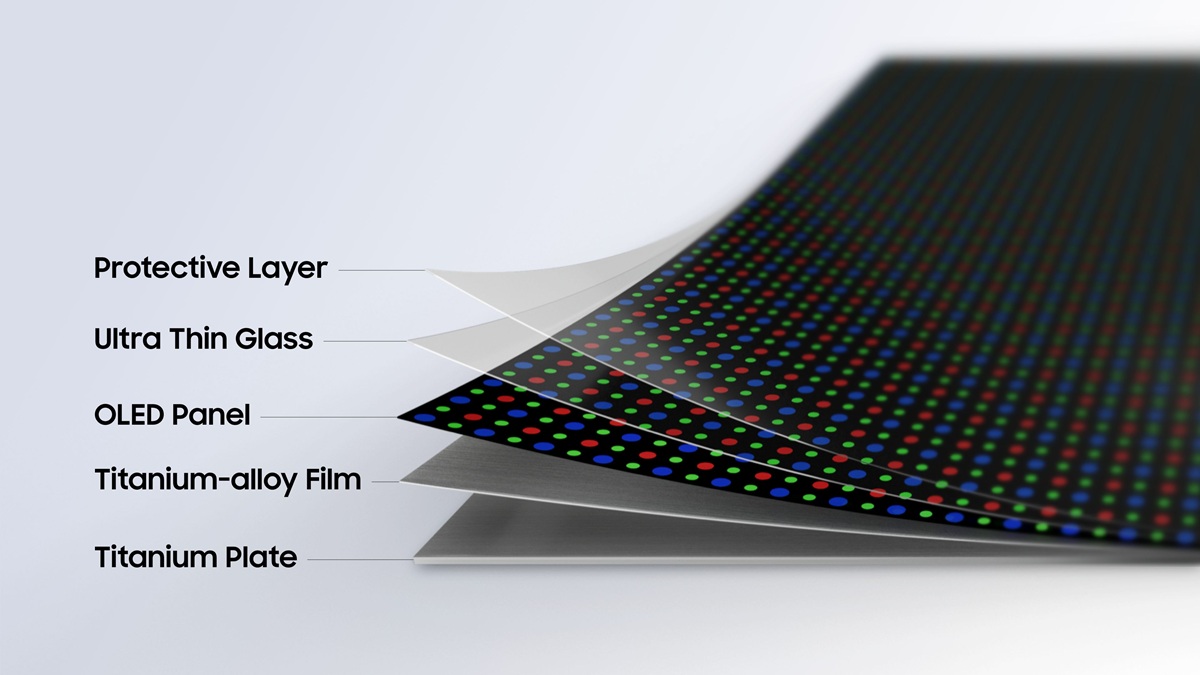
Screen choice and software are where these portable gaming devices diverge sharply. Valve’s Steam Deck OLED leans on an OLED panel, giving deeper blacks and richer contrast than typical IPS LCDs, which matters if you play story‑heavy games or titles with dark scenes. The ROG Xbox Ally X uses a 7‑inch display tied tightly into Windows 11 and an Xbox‑centric interface, making it feel like a portable Xbox and PC in one; it ships with three months of Xbox Game Pass Ultimate, which immediately broadens your library through cloud and local downloads. Lenovo’s Legion Go S centers on an 8‑inch display and comes in both Windows and SteamOS flavors, so you can prioritize either broad PC compatibility or Valve’s curated “Deck Verified” experience. According to Tech Insider, Lenovo’s SteamOS version is “the first non‑Valve device to ship with Valve’s operating system pre‑installed,” which makes it a compelling middle path if you like SteamOS but want hardware from a different brand.
Pricing pressure, value, and who each handheld is for
Component prices have reshaped value across the handheld market. Valve raised Steam Deck prices by up to USD 300 (approx. ₱16,800) on May 27, 2026, citing memory and logistics costs, which pushes the OLED model into a premium tier despite its earlier reputation as the default affordable option. By contrast, PC Gamer notes that the ROG Xbox Ally X has “somehow held on to its MSRP while its rivals have soared off into the stratosphere,” turning it into the strongest all‑round deal if you want high performance without paying a steep premium. The Legion Go S, especially in its SteamOS configuration highlighted in PC Gamer’s video coverage, is pitched as the best handheld for players who want flexibility and a familiar Valve‑style software layer on non‑Valve hardware. In practice, budget‑sensitive buyers who value raw performance and Game Pass will gravitate toward the Ally X, Steam‑centric users who prize OLED visuals and polish will accept the Deck’s higher cost, and tinkerers or hybrid PC gamers may prefer the Legion Go S.
Buy if / Skip if
- Buy the Steam Deck OLED if you live in Steam, want console-like simplicity, and care more about OLED image quality than chasing maximum FPS.
- Skip the Steam Deck OLED if the price hike makes you wary and you’d rather put your money toward higher raw performance or broader Windows compatibility.
- Buy the ROG Xbox Ally X if you want the best handheld gaming PC overall, with strong performance, Windows 11, and Xbox Game Pass deeply integrated.
- Skip the ROG Xbox Ally X if you dislike Windows maintenance on a small screen or prefer a streamlined, console-style interface over a full PC environment.
- Buy the Legion Go S if you want an 8-inch handheld that can run either Windows 11 or SteamOS and like the idea of a non-Valve device with Valve’s OS.
- Skip the Legion Go S if you want a single, highly polished ecosystem out of the box rather than juggling two possible operating systems or vendor updates.