
Hair Thinning Is Common, But It Doesn’t Have to Be Inevitable
Hair thinning is a progressive reduction in hair density and strand thickness caused by disrupted growth cycles, follicle shrinkage or shedding that outpaces regrowth over time, and while it is widespread and often age-related, many cases can be slowed or partly reversed through targeted scalp care, medical treatment and lifestyle changes when addressed early. Hair loss is widespread, affecting about 80% of men and 50% of women, yet dermatologists are clear that you should not assume nothing can be done. A combination of medications, in-office therapies and healthy habits can often slow hair thinning — and sometimes even reverse some of it. The mistake is waiting until hair is visibly sparse. Think of your hair like a garden: it is much easier to preserve healthy growth than to rebuild once large “bald patches” appear.

Scalp-First: Why Dandruff and Inflammation Matter for Regrowth
If you want to reverse hair thinning, start where hair lives: the scalp. Scalp irritation and inflammation can disrupt the normal hair growth cycle by pushing hairs prematurely into the shedding phase, weakening the surrounding environment and making strands easier to lose. Dandruff, or seborrheic dermatitis, is a prime example. It is common and the hair loss linked to it is usually temporary, but the inflammation and constant scratching create mechanical trauma and follicular stress that slow regrowth. Treating underlying scalp conditions is not cosmetic; it is a core hair thinning treatment. Dermatologists recommend medicated shampoos with ingredients such as ketoconazole, zinc pyrithione, selenium sulfide or salicylic acid to control yeast and scale, and they stress consistent use. Growth factor serums may help, but scalp disease—flakes, redness, pain—must be treated first to support healthy regrowth.
Microbiome-Friendly Scalp Care and Everyday Habits That Stop Loss Naturally
Dermatologists increasingly favor a scalp-health hair growth strategy: balance the microbiome, reduce inflammation and build a supportive environment before chasing miracle serums. Healthy hair grows from a healthy scalp; keeping it clean, treating dandruff or irritation and following good hair care practices create the best conditions for follicles to thrive. This is also how you stop hair loss naturally. Your hair is made of protein, and your body needs enough protein plus vitamins and minerals to build strong strands. A balanced eating pattern rich in lean protein, fruits, vegetables, whole grains, healthy fats, and foods providing iron, zinc and vitamins A, B, C, D and E feeds follicles from the inside. Stress management matters too: increased cortisol can disrupt the hair cycle and contribute to follicle dysregulation. Add gentle styling, less heat, and avoid harsh products that inflame the scalp—small daily choices compound over years.
Proven Medical Treatments: When to Add Minoxidil, Finasteride and Therapies
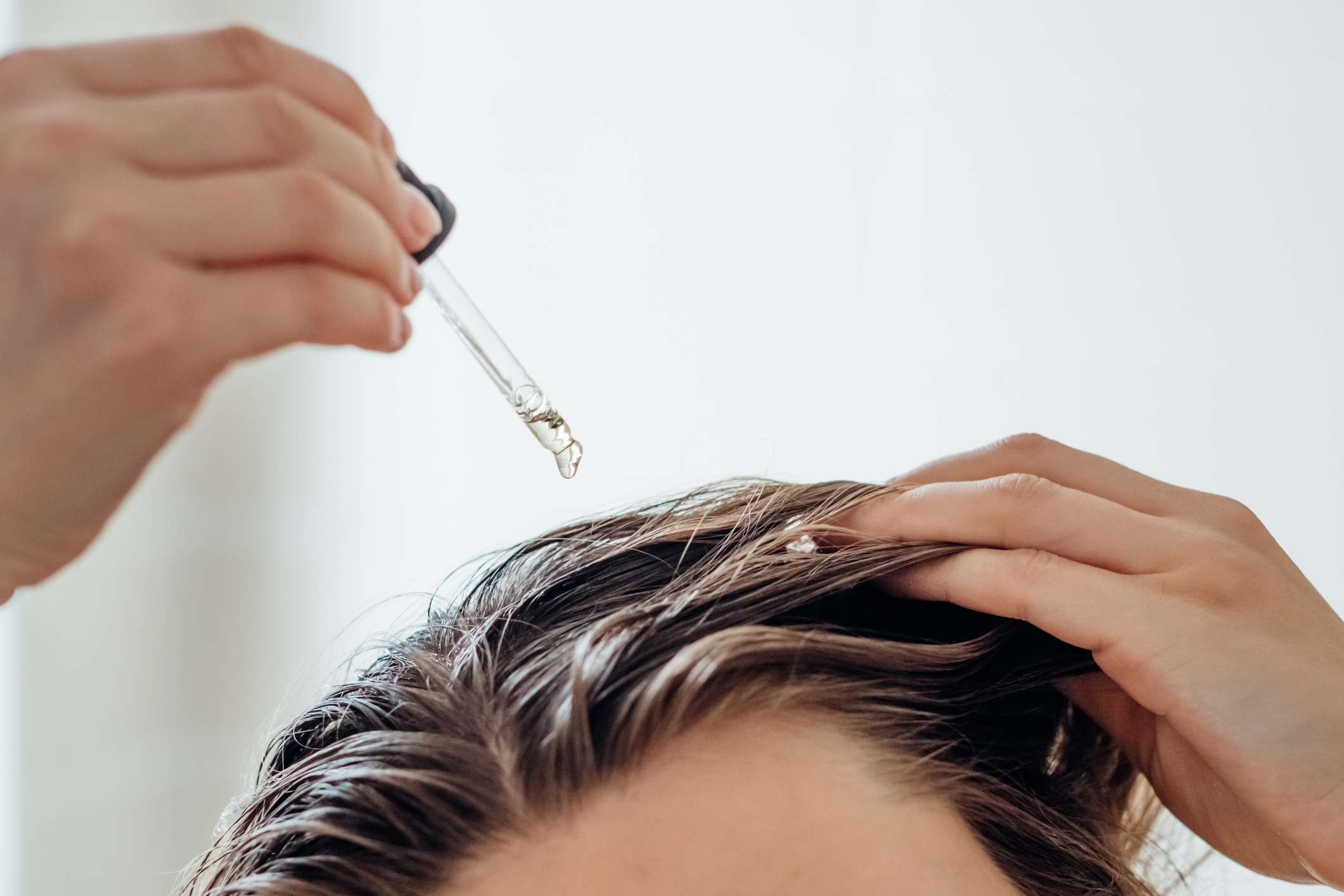
Lifestyle and scalp care set the foundation, but many people need medical hair thinning treatment to preserve density. Dermatologists often start with medications that halt loss and may reverse hair thinning. Topical minoxidil helps stimulate hair growth and can slow further thinning, especially when started early and used consistently. Some people use oral minoxidil when topical formulas are hard to tolerate or apply. Finasteride, more common in male-pattern baldness, lowers dihydrotestosterone (DHT), the hormone that shrinks hair follicles. Many patients use both: minoxidil to help hair grow, finasteride to address why follicles are shrinking. In-office or at-home add-ons like red light devices and platelet-rich plasma injections can further support hair restoration, but they work best as additions to medications, not replacements. The theme is consistent: start early, be realistic, and commit to long-term, layered care.
Act Early, Focus on the Scalp, and Play the Long Game
Reversing hair thinning is not about chasing a single magic product; it is about protecting follicles before they reach a point of no return. Non-scarring causes of hair loss—including dandruff-related shedding, hormonal patterns, autoimmune conditions and telogen effluvium—can be reversible when inflammation is addressed and the hair cycle is supported. Scarring hair loss, where follicles are replaced by fibrotic tissue, is a different story and highlights why speed matters. Dermatologists emphasize intervening as soon as scalp symptoms or thinning appear, not when the problem becomes dramatic. A realistic plan blends scalp-first care, nutrition, stress management, and evidence-backed treatments tailored by a professional. The payoff: while you may not restore a teenager’s hairline, you can often slow loss to a crawl and reclaim fullness that once felt gone for good.