
Creaseless Foldable Display: The Moment Foldables Stop Looking Compromised
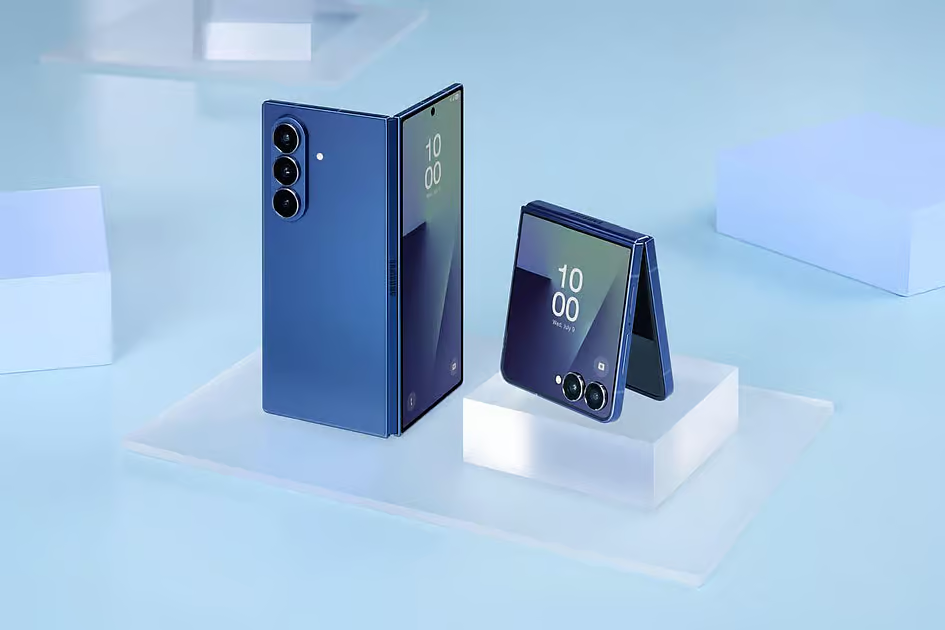
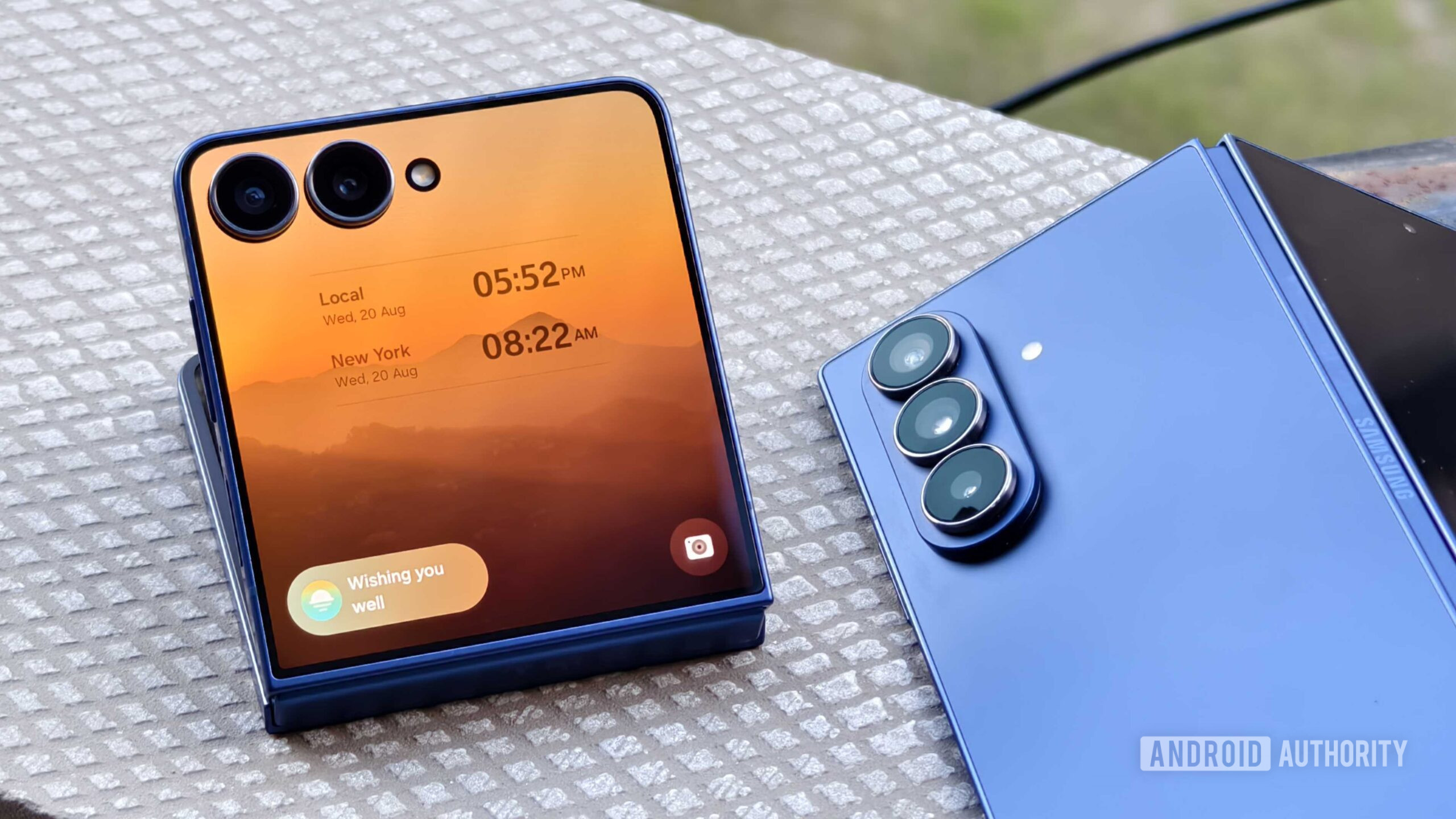
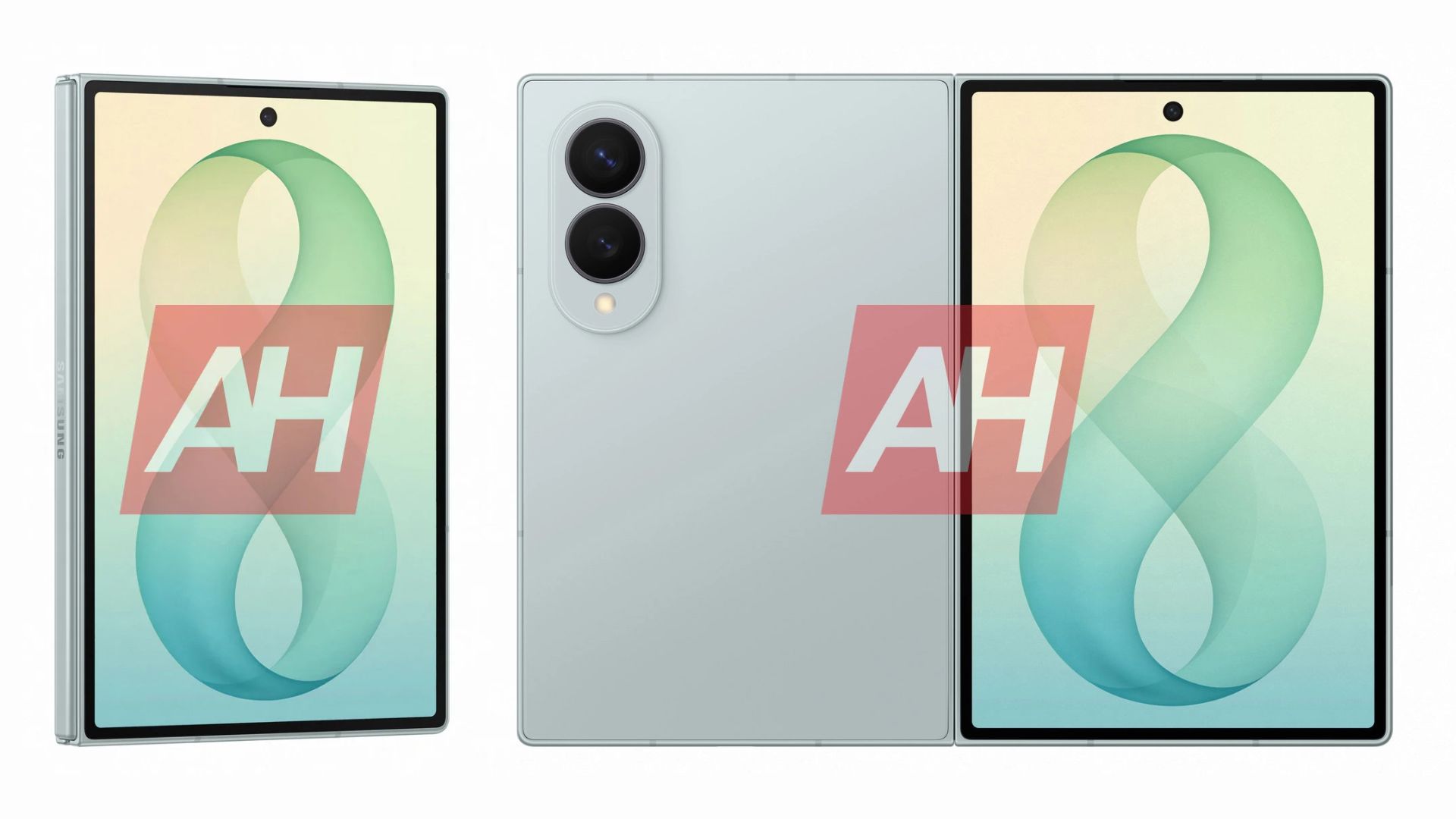
A creaseless foldable display is a flexible screen that can be folded thousands of times while keeping the folding line almost invisible, so the device feels and looks like a continuous, premium panel rather than a compromised prototype version of a tablet squeezed into a phone form factor. At Galaxy Unpacked in London on July 22, Samsung will unveil the Galaxy Z Fold 8 lineup and the Flip 8, with the Galaxy Z Fold 8 Ultra positioned as the phone that finally tames the crease and pushes foldable phone technology toward mainstream maturity. This is not a small tweak; it attacks the most visible flaw of foldables, the distracting ridge across the middle of the display. If the Ultra’s “virtually no visible crease” inner screen performs outside of controlled demos, foldables stop feeling like a compromise and start feeling like a logical next step for big-screen phones.
Flex Titanium: Seven Years of Iteration Condensed into a Film
Samsung’s new Flex Titanium system is the clearest evidence that long‑term engineering work, not sudden inspiration, is what moves foldable phone technology forward. Inside the display stack, a titanium alloy film now sits between the OLED panel and the backplate, replacing the older plastic layer with a material said to be twenty times more rigid and rolled down to a fraction of a human hair’s thickness. This is paired with an upgraded titanium plate and hinge geometry designed to distribute folding stress more evenly, which in turn minimizes the crease while allowing the body to stay thin. The wide Fold model’s cover UTG is thickened to around 60μm, over 30% more than before, further cutting crease visibility and improving resistance to shocks. In other words, Samsung is using cold, precise materials engineering to solve what was always a mechanical problem, and it is doing so after seven years of iteration since the first Galaxy Fold launched in 2019.
Galaxy Z Fold 8 Wide vs Ultra: Form Factor Maturity Meets Flagship Ambition
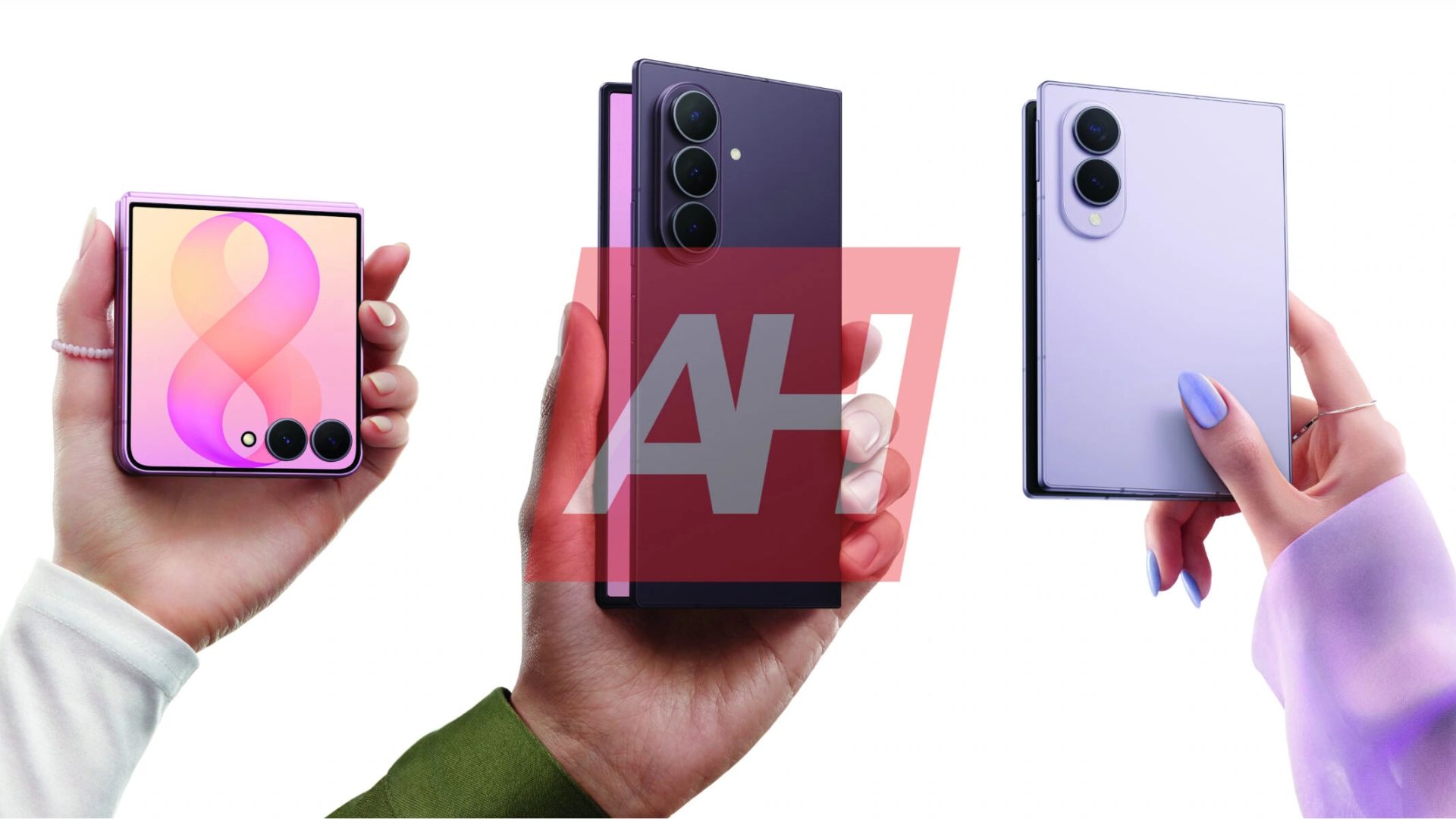
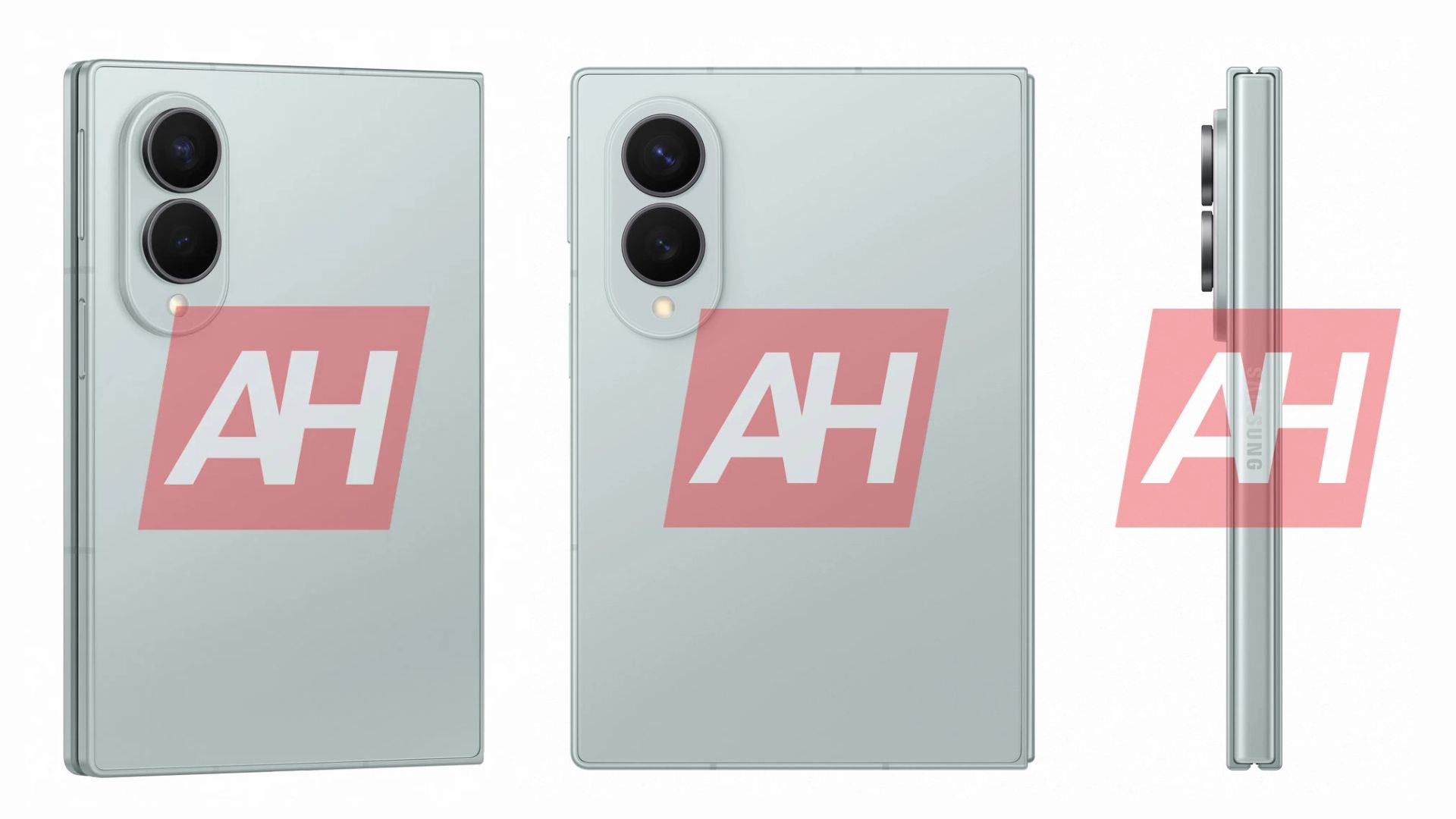
Splitting the Fold line into the Galaxy Z Fold 8 and the Galaxy Z Fold 8 Ultra is Samsung’s strongest signal that foldables are now a proper tiered product family, not a single experimental halo device. The standard Fold 8 adopts a wider, shorter “passport‑style” design with a 5.5‑inch 16:10 cover display and a 7.6‑inch inner screen at 4:3, finally making the outer display feel like a normal phone where thumb‑typing is comfortable instead of cramped. The Ultra, meanwhile, keeps an 8‑inch LTPO OLED inner panel at QHD+ with high brightness and a 3:2 aspect ratio, then layers flagship‑grade specs on top: up to 1TB storage, 16GB RAM, a 5,000mAh battery, and that headline 200MP main camera. This two‑track strategy mirrors traditional slab flagships and openly chases the same top‑tier audience, rather than treating foldables as niche toys for early adopters.
Crease, Camera, and Cost: Can Ultra Compete with Flat Flagships?
The Galaxy Z Fold 8 Ultra’s biggest gamble is simple: charge serious flagship money and promise no trade‑offs. European pricing is expected to start at 2,199 euros, while the US price is tipped at USD 2,099 (approx. ₱121,500), making it the first Fold series phone to cross roughly 3 million won. For that, Samsung offers a creaseless foldable display, its most advanced hinge and materials package yet, and a camera system led by a 200MP main sensor, backed by telephoto and ultra‑wide units aimed squarely at traditional high‑end slabs. On paper, this undercuts the old criticism that foldables are all compromise and no value. In practice, everyday users will care less about titanium films and more about whether the inner screen stays smooth after months of use, whether the hinge remains tight, and whether photos match what they expect from non‑folding flagships. If the Ultra clears those bars, its high price stops looking indulgent and starts looking like a logical premium choice.
From Experiment to Everyday: What Samsung’s Foldable Push Means Next
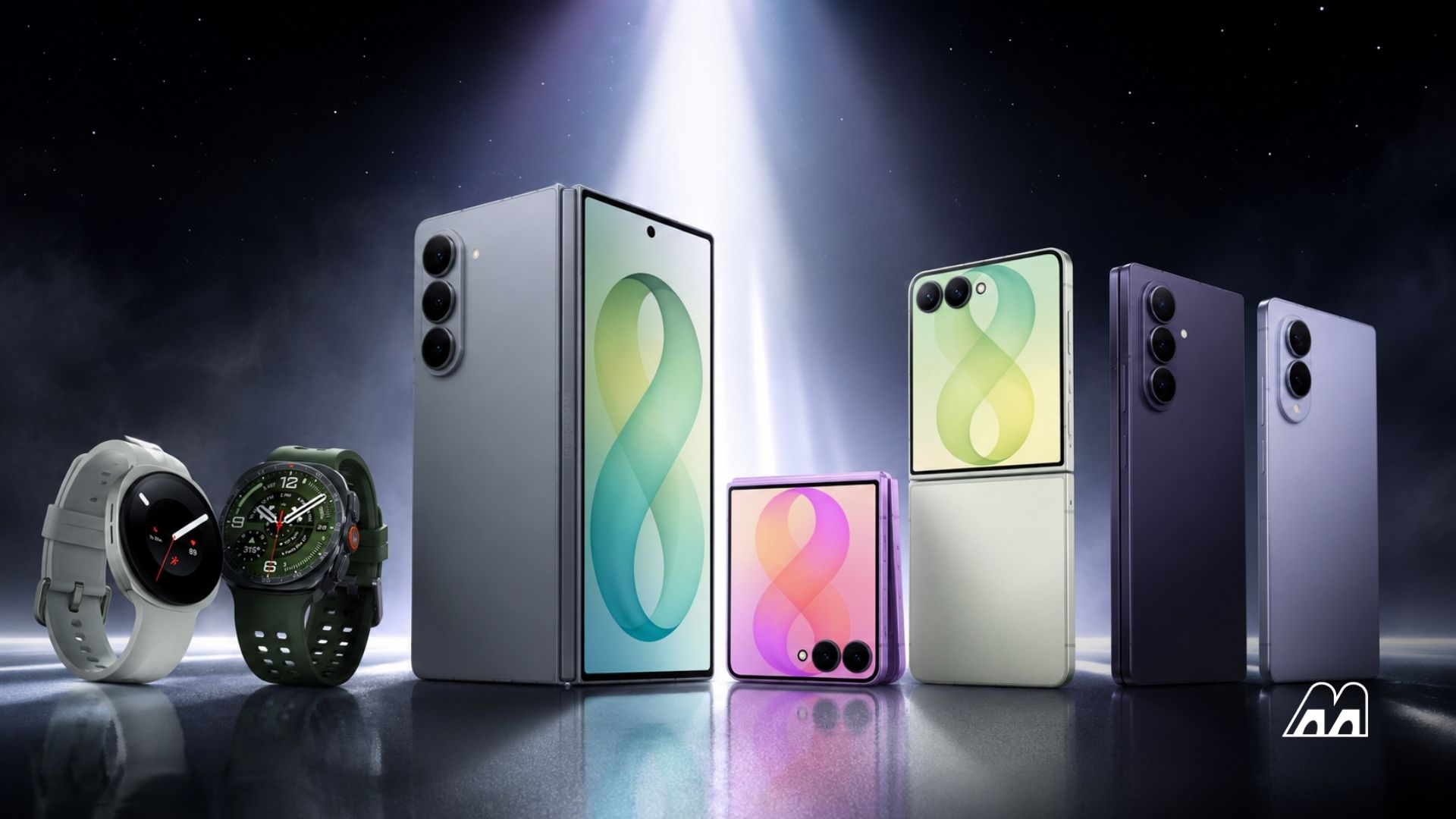
Samsung has spent years turning foldables from fragile novelties into water‑resistant, thinner, stronger devices with more reliable hinges. Now it wants to declare foldables “no longer an experiment” and use the Galaxy Z Fold 8 and Fold 8 Ultra as proof that it can stay ahead while Motorola, Honor, Google and an incoming rival from Apple intensify the pressure. At the same Unpacked event, the Galaxy Z Flip 8 arrives as a more conservative update with a higher starting price of 1,299 euros for 256GB, a move that risks losing some casual buyers drawn to cheaper flips from other brands. The broader question is whether Samsung’s years of refinement and new Flex Titanium displays, tied closer to its AI efforts, can turn large‑screen foldables into default productivity devices rather than tech curiosities. If the Galaxy Z Fold 8 Ultra’s creaseless experience holds up in the wild, the answer may finally be yes.