
The Big Shift: Android’s AI Assistant Lock-In Is Ending
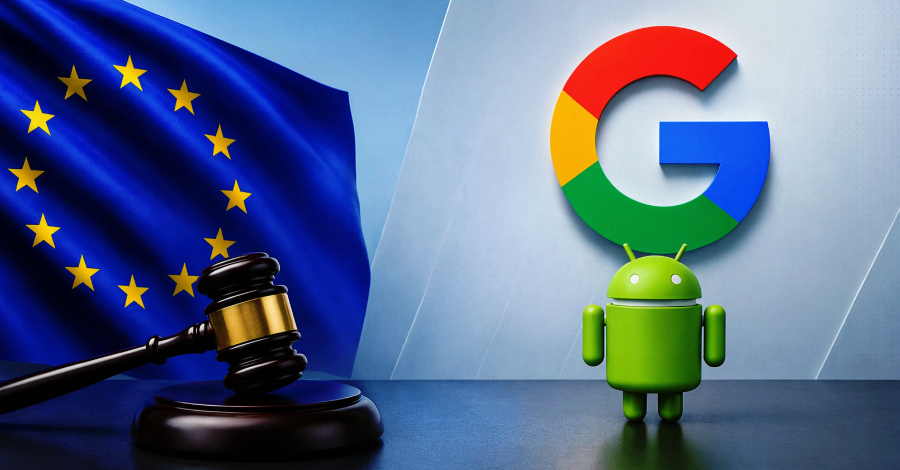
The new EU Google ruling under the Digital Markets Act is a binding decision that forces Google to give rival Android AI assistants equal system-level access to 11 operating-system features and to share anonymized search data with eligible competitors, aiming to reduce its dominance and expand user choice in AI-powered services. This is not a cosmetic tweak; it attacks the structural advantage that Gemini has enjoyed inside Android. For years, Android’s default assistant has been glued to core functions—mic, camera, on-screen content, and deep system integration—while third-party AI assistants have lived as second-class apps. Now Brussels is saying: if Android carries about 60% of mobile users in this market, those users deserve real options, not a pre-baked winner. The deadline is set for August 2027, with most changes due in Android 18, which gives Google nearly three years to rebuild how assistance works on your phone.
What Google Must Open: From Microphone to System Controls
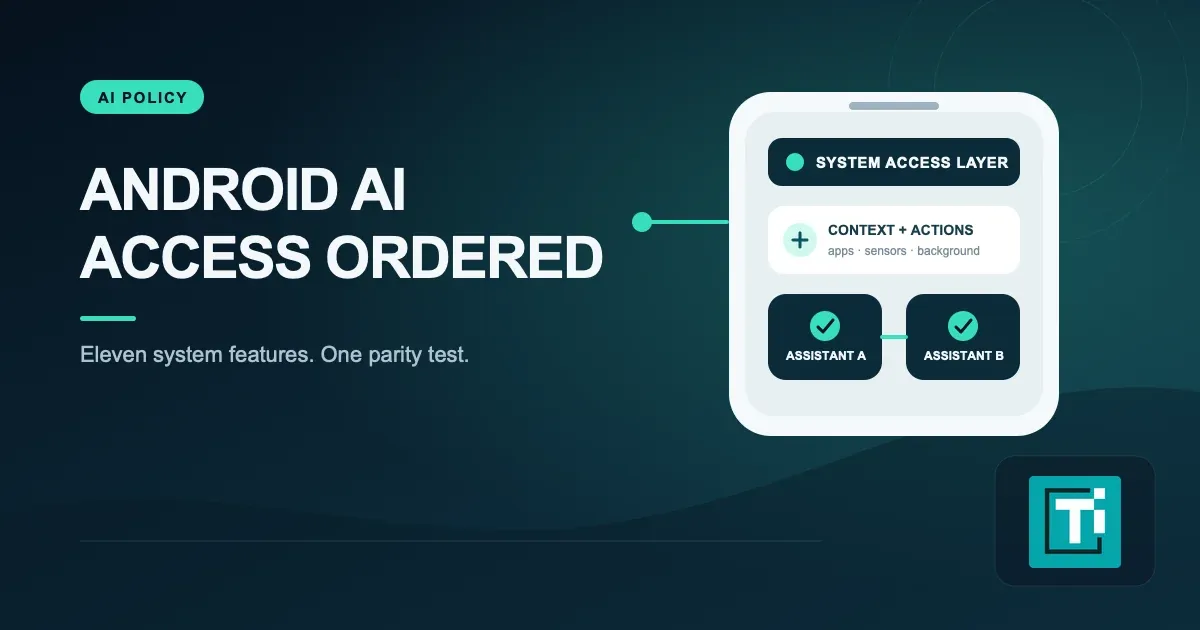
The heart of the decision is simple: if Gemini can reach a feature, qualified rivals must be able to reach it too. The Commission ordered Google to give third-party AI access to the camera, microphone, whatever is on screen, wake-word detection that works with the display off, and the ability to drive other apps in the background by imitating taps and typing. In total, 11 Android features are covered, grouped into invocation, context, actions, and resources. Five are treated as restricted—centralized on-device data, context-aware intelligence, structured app integrations, screen automation, and deep system integration—and may require certification. Certification is a fair demand, because these hooks let an assistant read messages, place calls, manipulate Gmail, Calendar, Drive, Maps, YouTube, and Messages. But the other six—ambient data, always-on hotword detection, long-press invoke, on-device models, third-party model implementation, background execution—must be open to all user-installed apps, without Google picking and choosing the use case.
How Your Daily Experience With Android AI Assistants Will Change
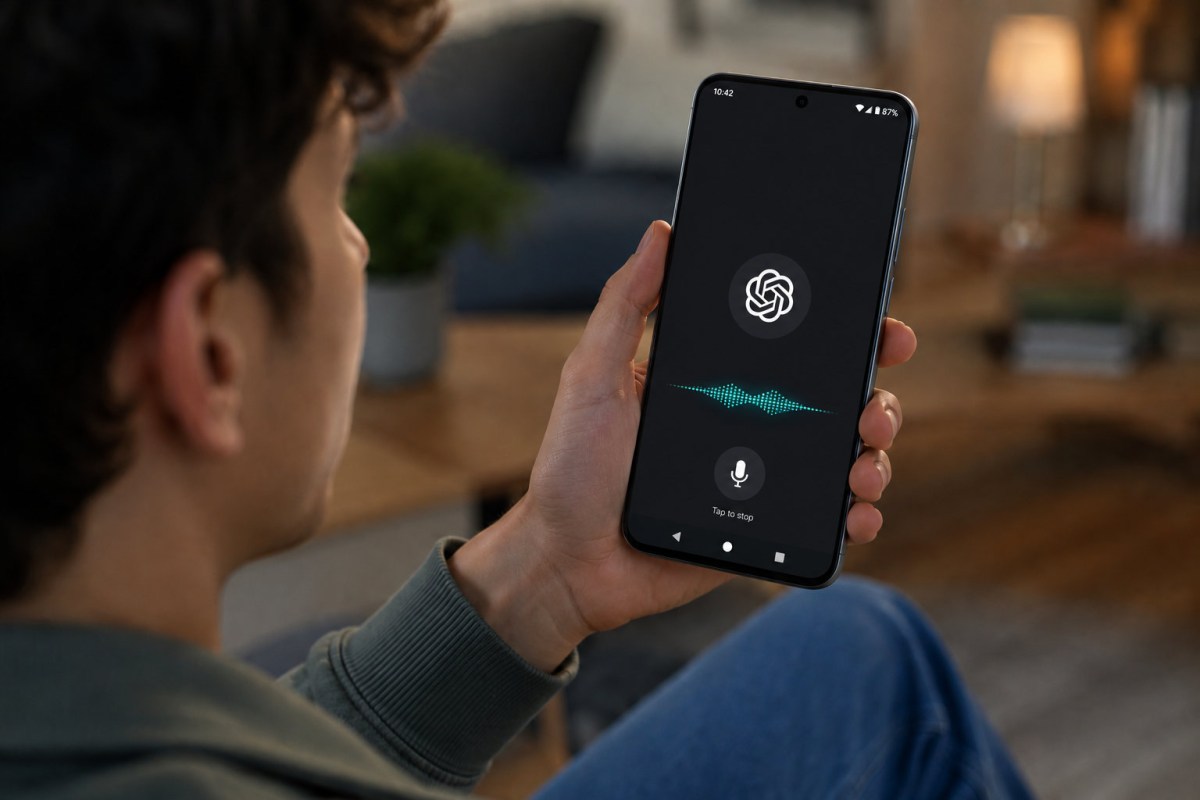
For ordinary users, this ruling is about turning AI assistants from locked-in branding into a real choice. Today, 60% of Android users in this market judge third-party AI assistants less attractive than Gemini because they lack the same capabilities. Under the new rules, when you set a rival assistant as default, it should be able to respond to a wake word, even with the screen off, pull in ambient mic and camera input, and see what’s on screen to act on it. That means booking a taxi, suggesting replies in chat apps, or telling you about a recently visited place from your location history becomes table stakes, not a Gemini-only privilege. Users will be able to activate their preferred AI assistant by voice and have it perform tasks across apps—sending messages, booking services, retrieving contextual information—under the same consent and privacy prompts that apply to Google’s own services. In short, an assistant you install should feel like part of the phone, not a bolt-on bot you occasionally visit.
Search Data Sharing: Fuel for Rival AI and Search Engines
The second half of the decision is easy to miss but strategically bigger: Google must hand anonymized search query, click, and ranking data to eligible third-party search engines and AI chatbots that provide search, for a cost-based fee. According to the Commission, this data is the same type Google uses to optimize its own search service, and recipients may use it to improve retrieval and ground AI-generated answers in current online information. They are explicitly barred from using it to train general-purpose AI models or for ads and consumer profiling, and Google does not have to share its algorithms. Importantly, the anonymization uses a multi-layered method designed with internal and external privacy experts, and Google can withhold data if sharing with a specific party would pose serious cybersecurity or data-protection risks. Google must publish draft eligibility terms by February 1, 2027, finalize them by May 1, and begin accepting applications on that date, turning this data pipe into a regulated resource rather than a voluntary favor.

Winners, Losers, and the Long Game to 2027 and Beyond
This ruling does not magically crown a new champion; it removes artificial handicaps. The Commission said its goal is to expand consumer choice and stop Google’s strength in Android and search from closing off competition in AI services. Gemini will still enjoy Google’s distribution and integration, but the advantage that comes from privileged access to Android itself is what Brussels is trying to strip away. The real test will be whether rival assistants can match Gemini on task reliability, latency, resource parity, and permission friction, not simply whether an API exists. For developers, third-party AI access to on-device models, ambient sensors, and background execution is an invitation to build assistants that respond faster, protect privacy better, and integrate more imaginatively. For users, concurrent voice activation for multiple assistants is promised with Android 19 by August 2028, meaning you could one day say different wake words to trigger different services. If Google drags its feet, the Commission keeps full power to open non-compliance cases and impose fines later. In practice, this is the moment when Android AI assistants stop being a Gemini default and start becoming a competitive marketplace.