

Apple’s Foldable iPhone Is No Longer Theory
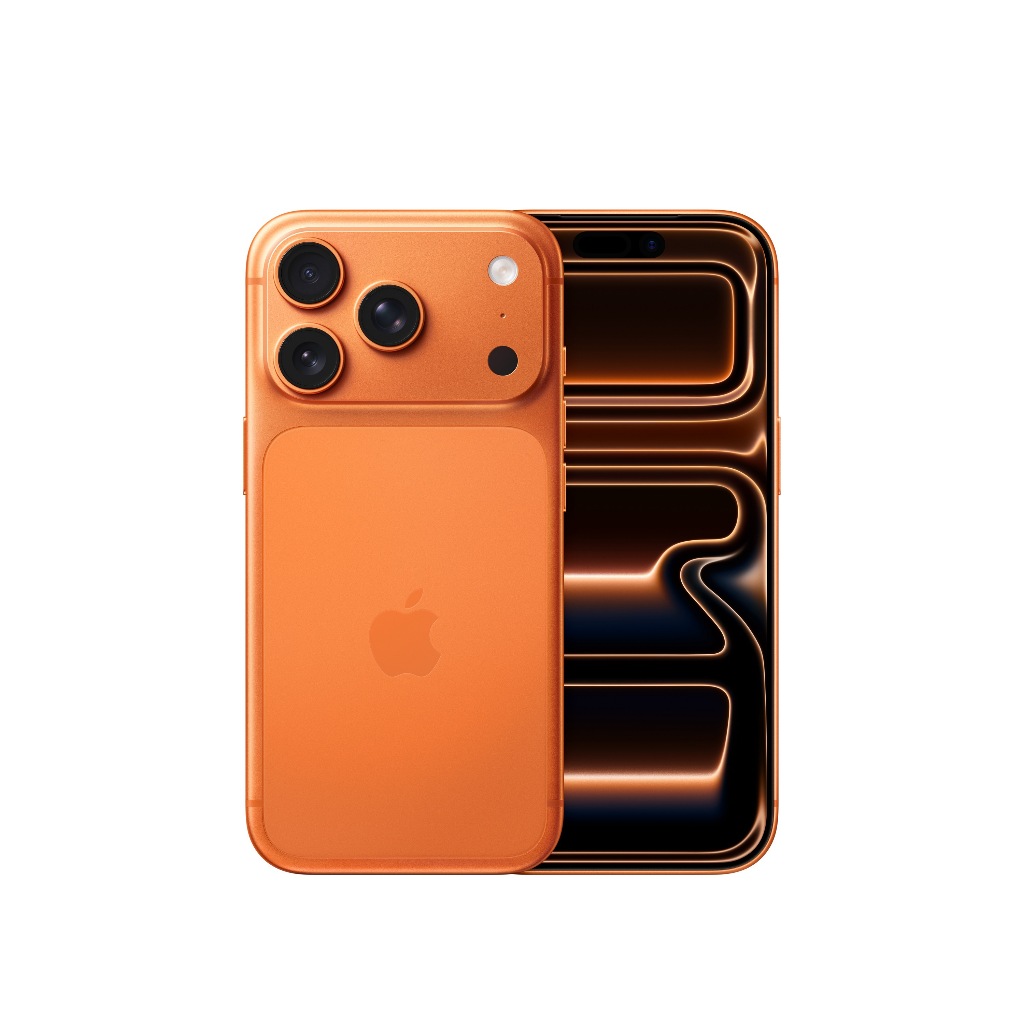
The Apple foldable iPhone is an upcoming iPhone model that uses foldable display technology, a complex liquid metal hinge and new cooling components, and is now moving from design to mass production in preparation for large-scale launch.
The key takeaway is clear: Apple is not testing the waters with a niche gadget; it is gearing up for a mainstream foldable iPhone. Every July, Apple’s manufacturing cycle enters mass production, and that “biological clock” now includes foldable phone production lines. The company has raised its production preparation target for foldable iPhones to about 10 million units, up nearly 30% from the widely expected 7–8 million. That is not a vanity run; that is a serious market grab. At the same time, supply chain sources say mass production has started for a vapor chamber cooling system designed as a key part of this flexible iPhone. Together, these moves mark the moment the foldable iPhone shifted from rumor to industrial reality.

Why 10 Million Units Changes the Launch Conversation
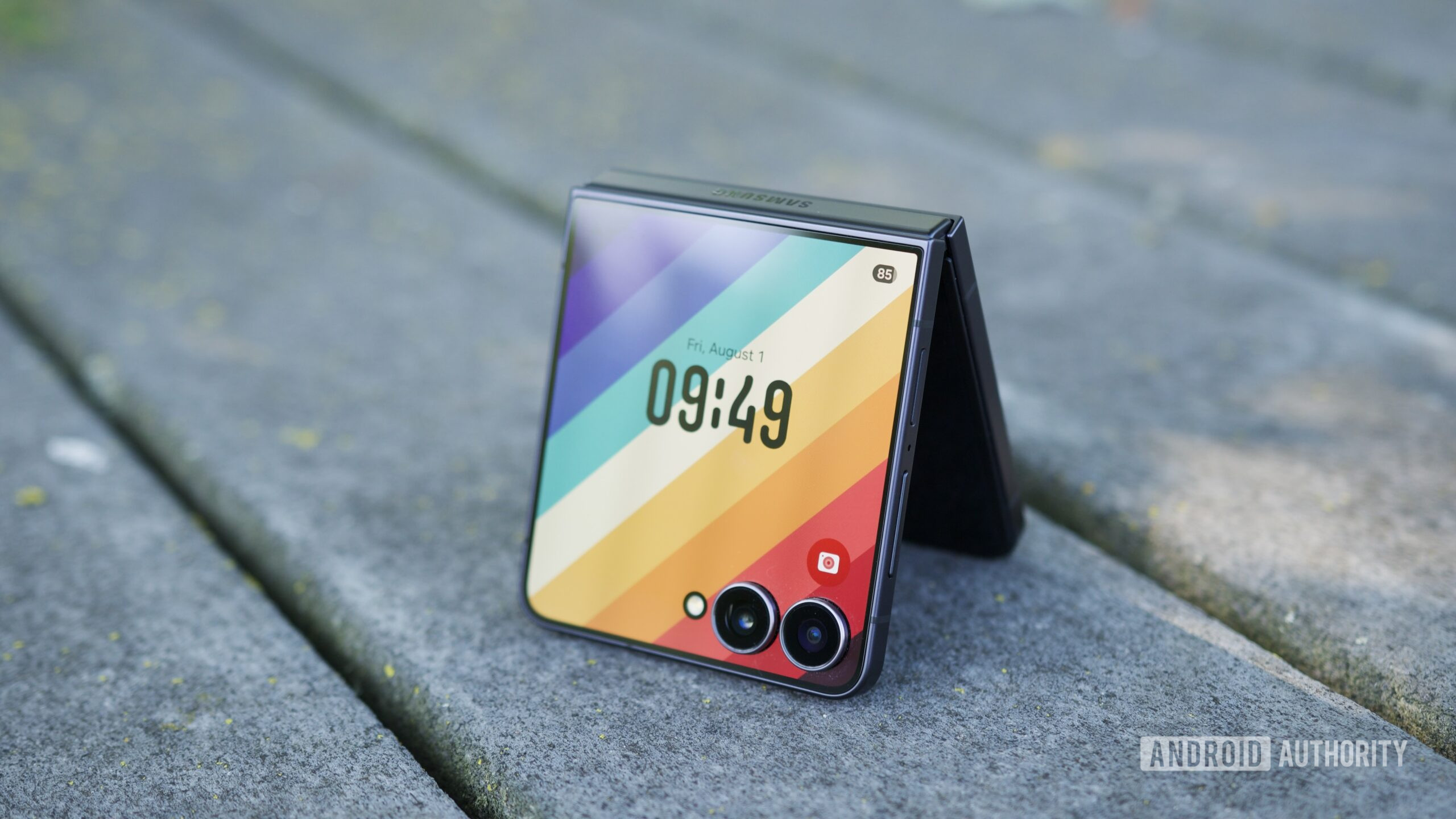
A 10 million-unit target exposes Apple’s true intent: it wants to own a huge slice of the early foldable market, not lurk at the edges. According to one analysis, based on this stocking goal Apple is trying to take roughly half of the 2025 foldable display market with a single generation of devices. That is an aggressive stance against the likes of Samsung Galaxy Z Fold and Google Pixel Fold in the premium segment, where pricing and specifications already assume power users. It also means Apple must bet that customers who ignored Android foldables will reconsider once an Apple logo is attached.
Component orders confirm that this is more than marketing bravado: Apple has already placed orders for an initial batch of 7–8 million units, with Foxconn as the exclusive assembler and Samsung Display as the exclusive panel supplier. Meanwhile, workers are lining up for Foxconn jobs “with the punctuality of migratory birds”, as large-scale recruitment ramps up for assembly, flexible cables, cameras and displays. That influx of labor is what turns slide decks into hardware on store shelves.
The Engineering Tax: Hinges, Creases and Cooling
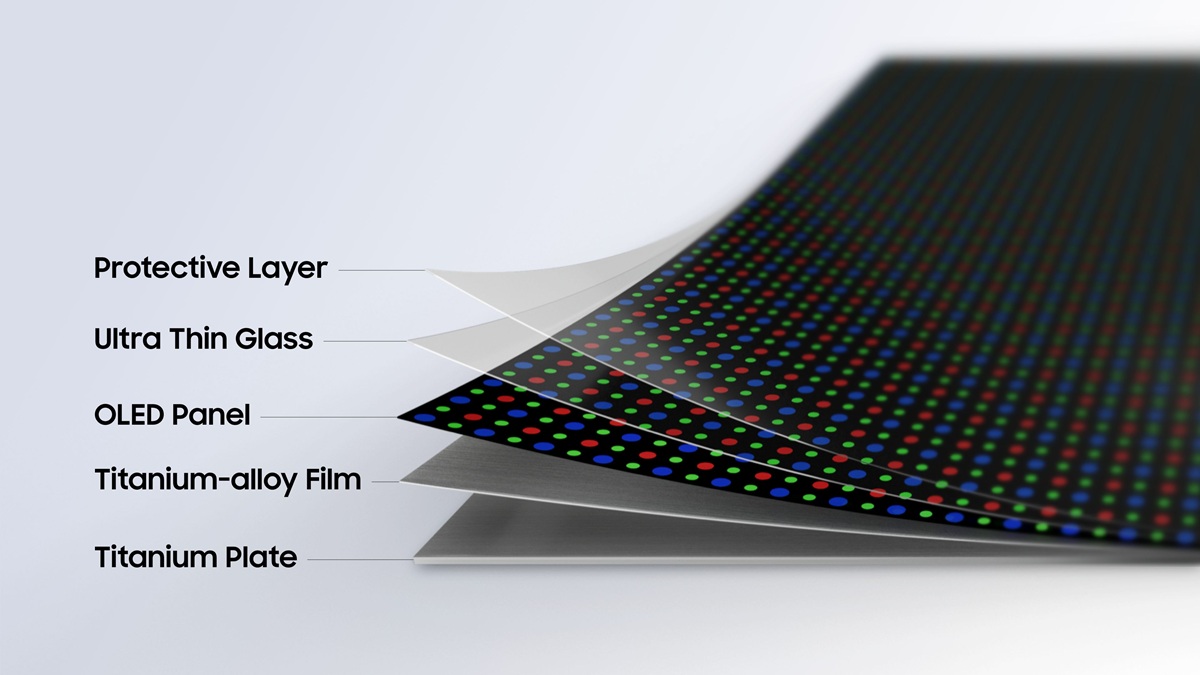
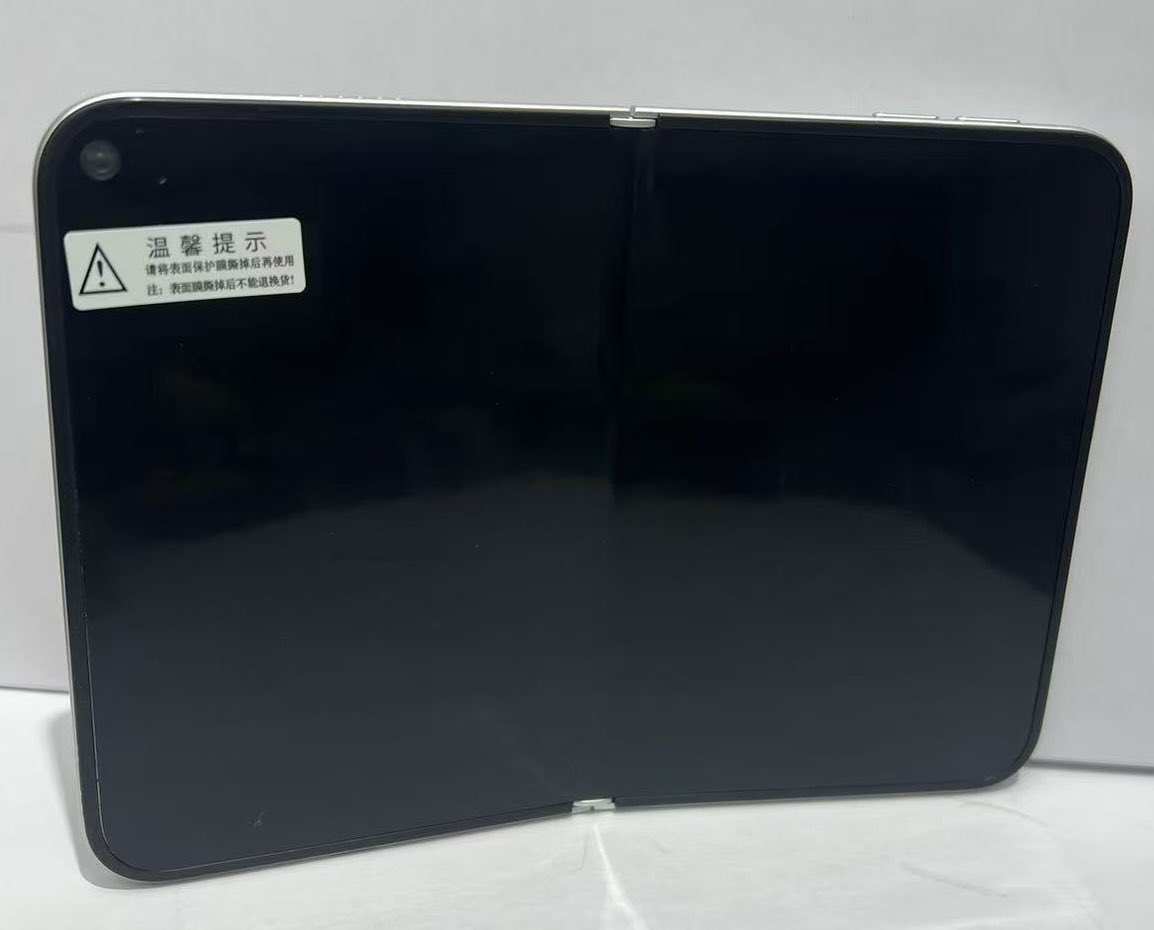
If Apple is slow, it will not be for lack of demand, but because physics is fighting back. To reach a “nearly crease-free” foldable display, Apple is said to be using a liquid metal (amorphous alloy) hinge that is 2.5 times stronger than titanium alloys yet very difficult to process. The current mass-production yield for these liquid metal hinges is around 65%, a brutal bottleneck when you are aiming for tens of millions of units. The design itself is ambitious: a horizontal book-style inward fold, about 4.5 mm thick unfolded and roughly 9.2 mm when closed. That slimness leaves little room for error—or for heat.
This is where the vapor chamber cooling system comes in. Supply chain information says mass production of this cooling module, already used in iPhone 17 Pro but even more vital here, has started for the foldable iPhone. The foldable’s extremely thin body offers far less space for traditional cooling, so the vapor chamber must quietly solve the thermal problem without adding bulk. On the assembly lines, complex tasks are broken into standardized steps for workers, but yield for the new overall structure is still in a ramp-up phase. That gap between elegant design and stubborn yield numbers will decide how many people actually get the phone in its first months.
Timeline Tension: 2025 Launch or 2026 Reality?
The million-unit question is no longer “if” but “when.” Some supply chain chatter says the foldable iPhone is being intensively prepared for a launch this fall alongside the iPhone 18 series, which would match Apple’s usual September event cadence. There is even analysis suggesting an iPhone X-style rollout: announced on stage in September, but with limited availability afterward and supply constraints stretching to year-end. In that scenario, only small-volume shipments would appear after the autumn launch, with large-scale deliveries pushed into the fourth quarter.
However, more cautious voices argue the real volume story starts later. One well-known analyst estimates foldable iPhone assembly shipments in the second half of 2026 at around 7–8 million units, with a mere 500,000 to 1 million units in the third quarter—only about 10% of that half-year total. That forecast effectively “pours cold water” on the idea of an easy 2025 mass launch. The truth likely sits between these views: a high-profile reveal and ultra-limited quantities first, followed by a steadier ramp as hinge yields and cooling module supply catch up.
What It Means for Buyers and the Foldable Market
For ordinary users, the consequence of all this ambition plus engineering pain is simple: expect hype, scarcity and high expectations for quality. The foldable iPhone is projected to be a core variable in the foldable market, with one forecast giving Apple about 29% of foldable panel procurement share in its first full year, versus a projected 31% for Samsung and around 24% for Huawei. Apple will not instantly “take over” rivals, but it will shift the fight toward larger, more expensive foldables with fewer creases and higher reliability.
Yet even with a 10 million-unit ambition, one analysis warns that early supply could still feel tight, with more than a 20-fold difference between potential demand and initial supply almost guaranteeing shortages at launch. Ordinary buyers may see long wait times, staggered regional rollouts and persistent stock gaps—echoing the iPhone X era. Meanwhile, on the factory floor, young workers queue for interviews and overtime because, for them, the “foldable display challenge” is less about creases and more about pay. The foldable iPhone will not just test Apple’s design; it will test whether its industrial machine can align ambition, technology and availability on a global stage.