
The Core Question: Integrated DAP or Modular Stack?
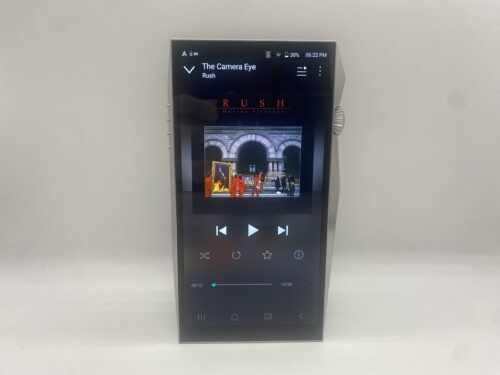
A portable digital audio player and a modular DAC amp hybrid stack are two competing ways to build an audiophile portable player, trading all‑in‑one simplicity against flexible, cable‑linked components tuned for higher customization and potential upgrade paths on the move. For listeners chasing studio-grade mobility, the key question is not which sounds perfect on paper, but which architecture fits how you actually listen. An integrated hi-res audio player like the Astell & Kern SP4000T pulls transport, DAC, and amplification into one sculpted block of stainless steel, with Android, streaming apps, and a quad-tube system tuned as a single ecosystem. Portable DAC/amp units like the iFi iDSD GR 2 and Chord Mojo 2 split that chain into modules, connected to your phone or laptop, and aim their innovation at conversion quality, wireless options, and compact power instead.
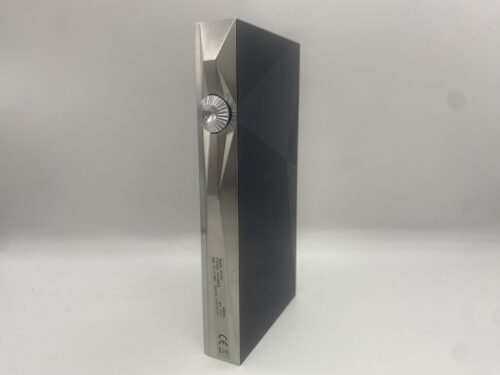
SP4000T: When a DAP Becomes the Whole System
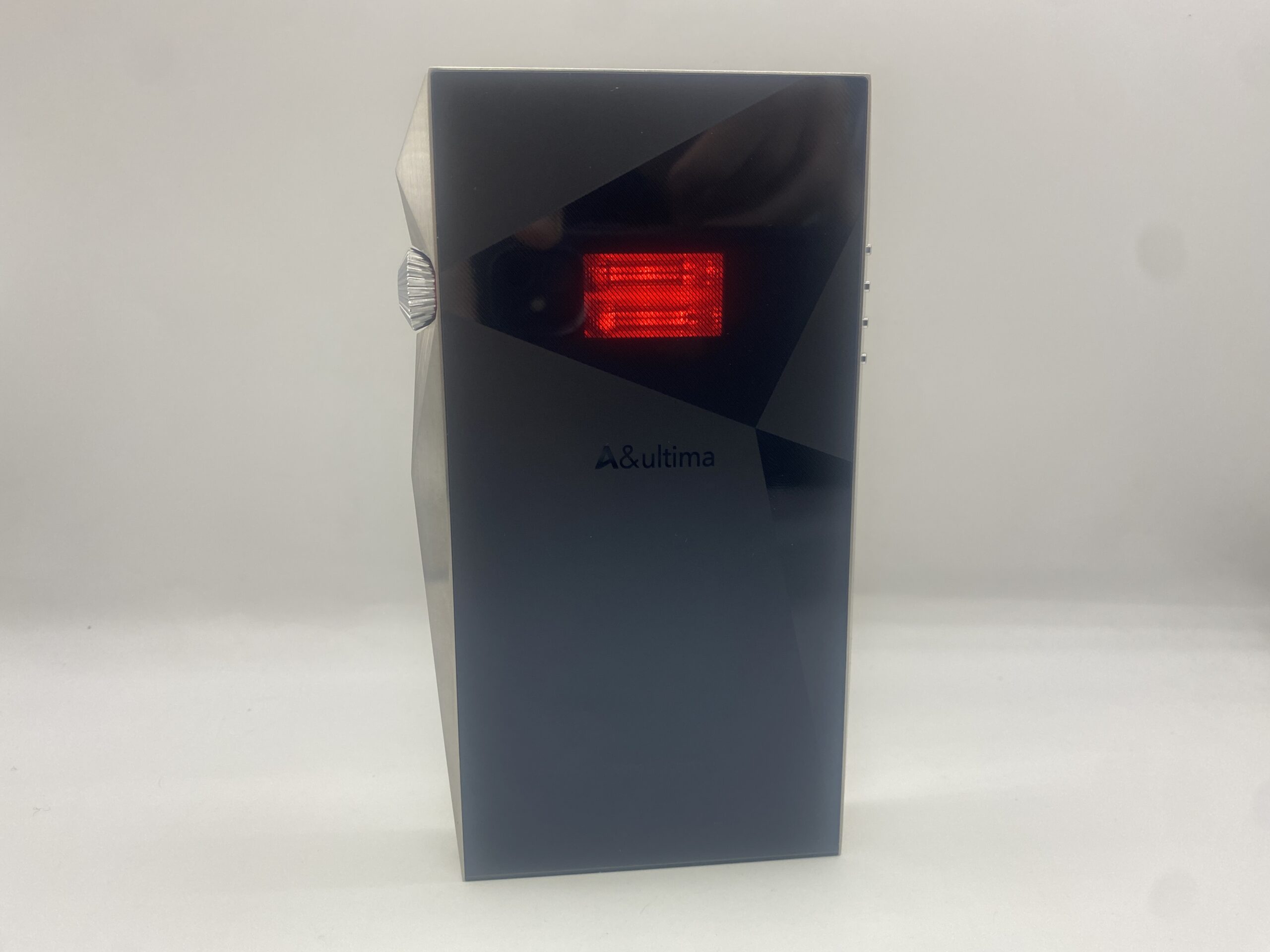
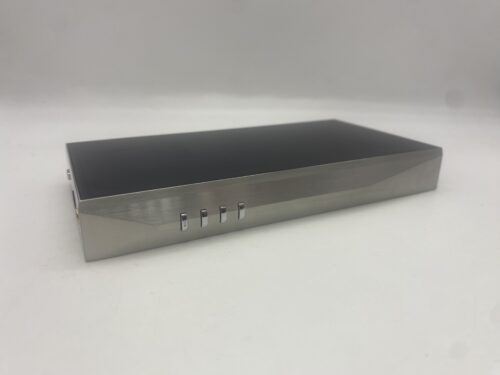
The SP4000T’s main argument is simple: carry one device, not a nest of dongles. It integrates all audio processing—from Android-based playback and app streaming to DAC and amplification—inside a single, geometrically cut stainless-steel body with a distinctive illuminated volume wheel. Its first-of-its-kind quad tube configuration using four Raytheon JAN6418 vacuum tubes anchors the "T" concept, supported by triple-tube modes (Triode, Pentode, Ultra Linear) and a triple amp system that lets you select OP amp, tube amp, or hybrid with a tap. In other words, the tuning options that modular fans chase with separate boxes are baked into this hi-res audio player’s internal architecture. You get a cohesive, studio-aimed voice that can be nudged warmer or more precise without changing hardware, and 10 hours of playback without enhancement features keeps it viable for long sessions.
Of course, integration has limits. The SP4000T’s metal build is luxurious but not pocket-friendly; even its own reviewer questions portability beyond “moving around the room”. Battery life is solid, but charging to full takes about five hours, which is described as “slightly inconvenient but entirely understandable for a device so technologically dense”. There are also operational quirks: switching between OP and tube modes can create a loud pop if you do not lower volume first. These are the sorts of behaviors audiophiles tolerate for tubes on a desk, not in turbulence at 30,000 feet. Yet for many, this portable DAP comparison starts and ends with a feeling: the SP4000T behaves less like a smartphone accessory and more like a self-contained instrument, a digital object that strives to feel analog in both interface and sound.
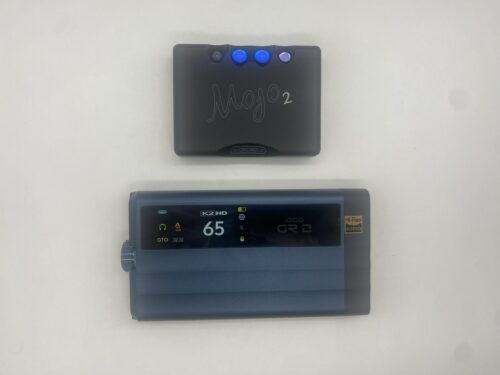
iDSD GR 2 and Mojo 2: Flexible, Fiddly DAC/Amp Hybrids
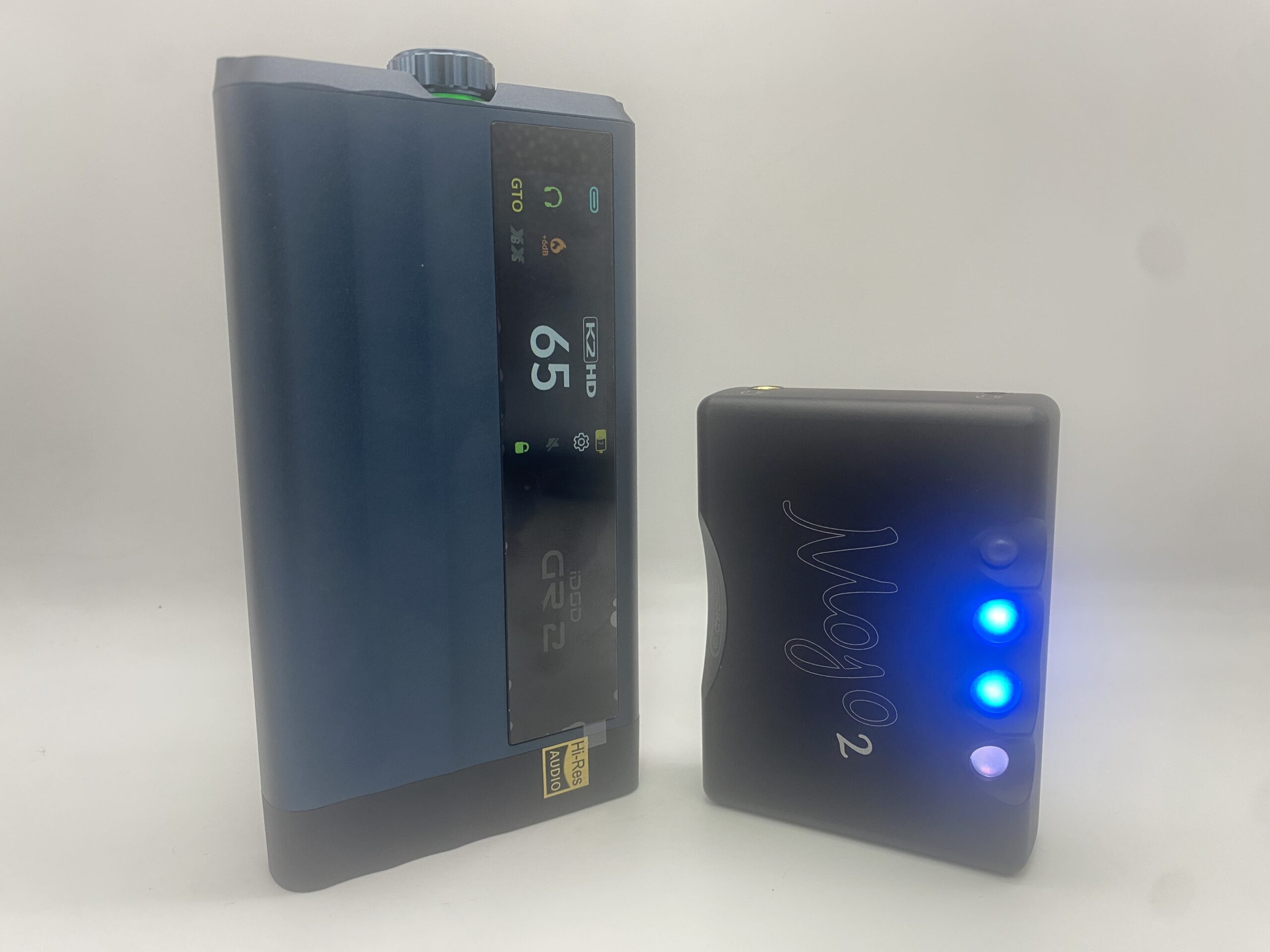
Where the SP4000T says “one box to rule them all,” DAC amp hybrid stacks say “build exactly what you want.” The iFi iDSD GR 2 evolves the xDSD Gryphon line into a more feature-packed portable DAC/amp, while the Chord Mojo 2 focuses on a compact, plug-and-play philosophy that many purists love. The GR 2 is larger but counters with Bluetooth 5.4, wide codec support, and Burr-Brown PCM1795 conversion, which keeps wireless listening from feeling like an afterthought. It layers on gain switches plus XBass and XSpace controls to reshape low-end weight and perceived soundstage; some will enjoy the control, others might hear these “X” modes as artificial color rather than reference tuning. The Mojo 2, by contrast, strips away the extras and communicates through four glowing spheres handling volume, EQ, and status—deliberately minimalist, yet inviting.
The downside of this flexibility is physical and financial clutter. Even though the Mojo 2 is significantly smaller than the GR 2, achieving Bluetooth requires an additional module, which raises its already higher price and forces you to carry extra hardware and cables. The GR 2’s sturdier frame inspires confidence, but its reliance on a touchscreen means one bad drop could compromise key functions, potentially pushing you into the companion app to keep using it. Both have respectable battery systems—roughly seven hours for GR 2 and eight for Mojo 2, with smart charging to prolong cell life—but compared to an all-in-one audiophile portable player, the stack demands more management. In this portable DAP comparison, modular DAC/amps win on upgrade potential but lose points on elegance; your phone becomes both your source and your risk of distraction.
Price-to-Performance and Real-World Trade-Offs
When you chase maximum sound in a compact form, price-to-performance is no longer about numbers on a spec sheet; it is about how much complexity you accept for the final result. The SP4000T is described as a "home run" for someone "looking to swing for the audio fences as far as price is concerned". You pay for the luxury chassis, the innovative tube architecture, and the sense that everything—from OS to analog stage—has been tuned to work together. In return, you avoid the cable salad and pairing quirks of modular systems, and you gain a hi-res audio player that can be the center of your listening life, not just an attachment. For many, that convenience is the ultimate performance metric: less friction means more listening, more often, and more consistently at a high level.
On the modular side, the value story splits. “If you want a feature rich, highly polished Bluetooth device, the GR 2 will have a lot to offer. However, if you want colossal audio feel in a concise package, the Mojo 2 endures as a fantastic option”. The catch: the Mojo 2’s higher price is pushed further up if you want Bluetooth, thanks to the necessary module. Modular gear also ages differently; you can swap phones or transport sources without touching your DAC/amp, and you can stack or unstack as needs change. That is customization power the SP4000T cannot match. Yet the trade-off is clear: you gain flexibility but sacrifice the tightly integrated sound-shaping that Astell & Kern baked into the SP4000T’s tubes, amps, and UI to present a single, coherent voicing.
So Which Architecture Delivers “Studio-Grade” Mobility?
If your idea of studio-grade mobility is a consistent, reference-quality rig that behaves the same way everywhere, the SP4000T’s integrated design is the more convincing answer. Its Android core, native streaming, and triple amp and triple-tube system turn this audiophile portable player into a self-sufficient hub that encourages long, focused sessions rather than constant tinkering. Its weaknesses—heft, long charge time, and the pop when toggling tube modes—are real caveats, shared with many tube-forward designs that trade convenience for character. But they are contained inside one device, without extra modules to juggle. By contrast, DAC amp hybrid stacks like the iDSD GR 2 and Mojo 2 shine when you value modularity and the freedom to reconfigure your chain over time.
The more your listening depends on a phone and you like to experiment—switching between sources, enabling Bluetooth one day and wired the next—the modular route feels right. The GR 2 courts the tweaker with touch-driven controls, app support, and sound-enhancing modes, while the Mojo 2 appeals to the purist who wants strong performance in a compact shell, even if Bluetooth requires extra hardware. In the end, this portable DAP comparison is less about which is “better” and more about which friction you are willing to live with. If you hate stacks and want a hi-res audio player that looks and sounds like a purpose-built instrument, the SP4000T is the bold choice. If you see your rig as a living, swappable ecosystem, DAC/amp hybrids remain the smarter long game.