
One Crisis, Two Playbooks: Why Huawei and Samsung Are Moving Apart
The smartphone memory chip crisis is a surge in RAM and flash component costs that is squeezing device makers’ profit margins, forcing them to choose between cutting production, raising prices, or chasing volume at thinner margins as they try to protect market share and long‑term positioning. This pressure is now splitting major smartphone brands into opposing camps. On one side, Huawei plans to increase smartphone shipments by around 20% this year, aiming to sell more than 60 million devices despite higher memory prices. On the other, Samsung’s mobile division risks reporting its first‑ever quarterly loss, even with strong Galaxy S26 sales, because memory chips now eat a far larger slice of every premium phone’s bill of materials. The key story is not demand, but how differently these two giants are choosing to face the same cost storm.
Huawei Bets on Volume and Market Share Amid Rising Component Costs
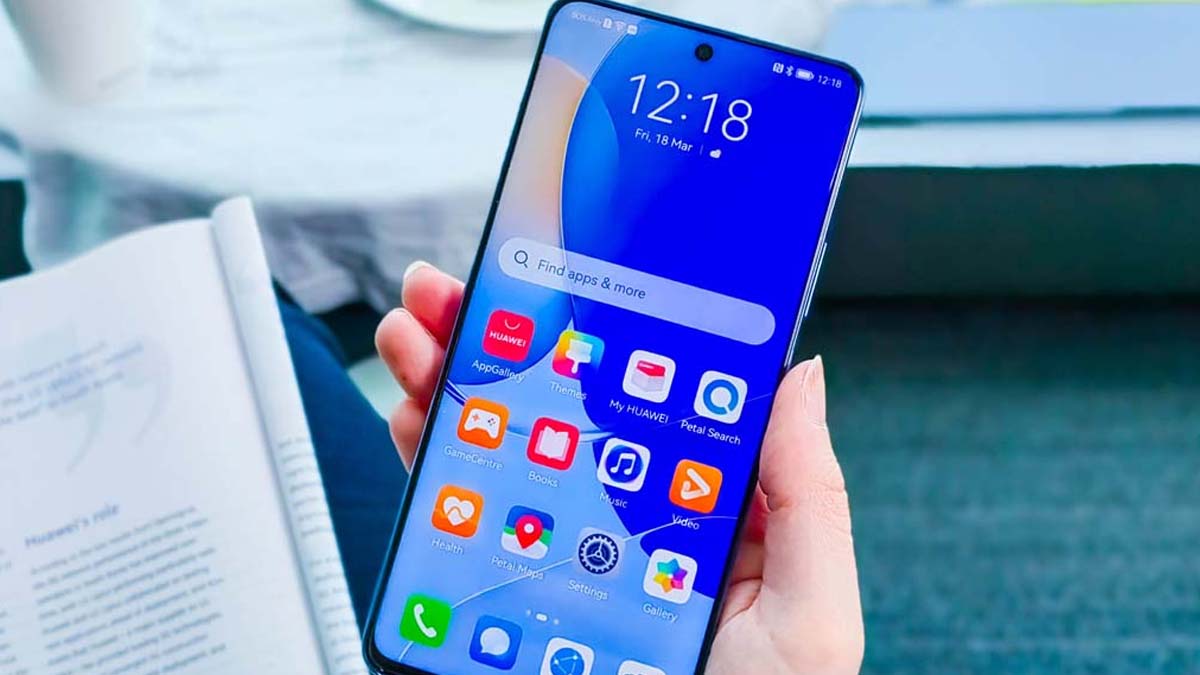
Huawei’s response to the smartphone memory chip crisis is aggressive: increase shipments rather than retreat. The company plans to boost smartphone shipments by more than 20% and aims to sell over 60 million units, even as memory and other component prices climb. That decision runs counter to rivals that have cut planned shipments by 15–30% in the face of shortages and higher costs. Huawei is ramping up both chip and phone production, clearly betting that market share captured during a supply shock will pay off later, once component pricing eases and rivals have ceded ground. According to supply chain sources, “Huawei is the only customer maintaining order expectations and whose growth momentum continues,” signalling a deliberate choice to trade short‑term margin safety for long‑term presence in the premium and mid‑range segments. In a tight market, this is a high‑risk, high‑reward power move.
Samsung’s Profit Squeeze Shows How Ruthless Memory Pricing Has Become
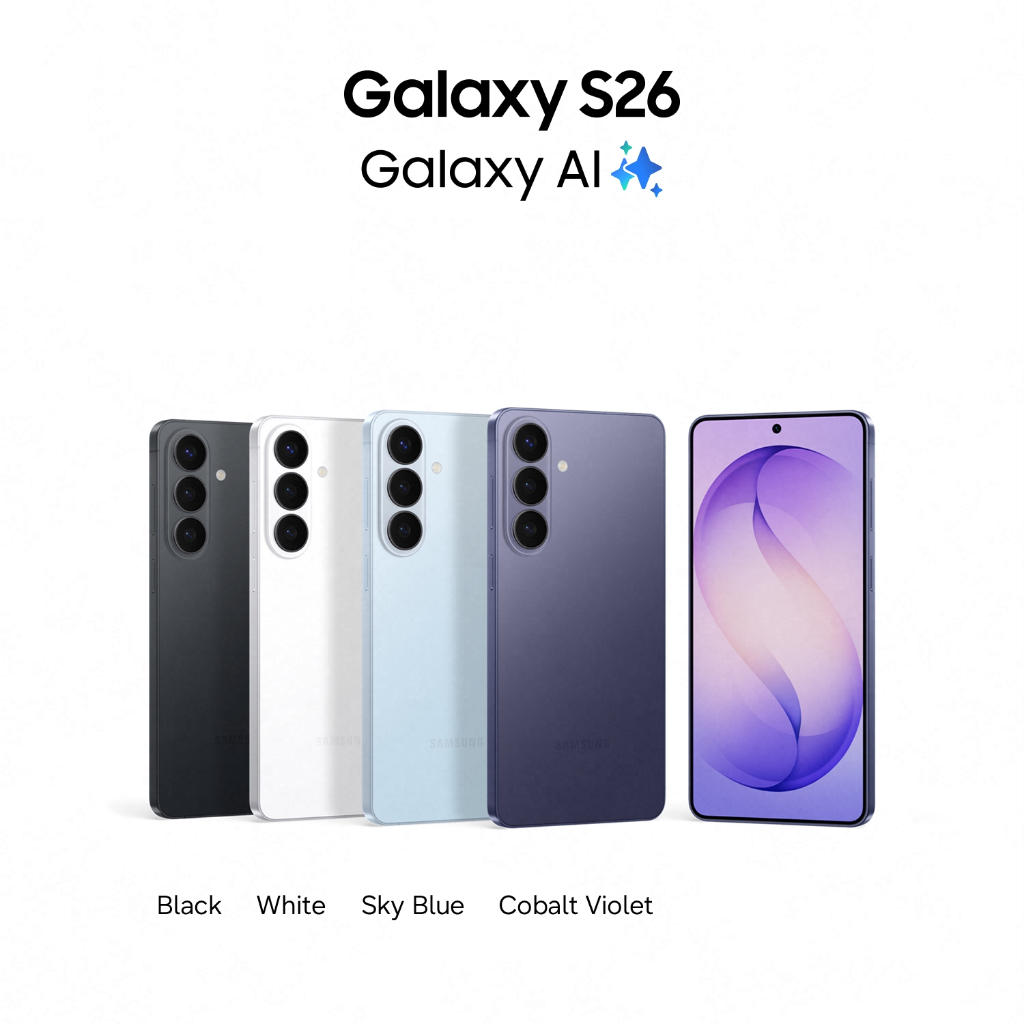
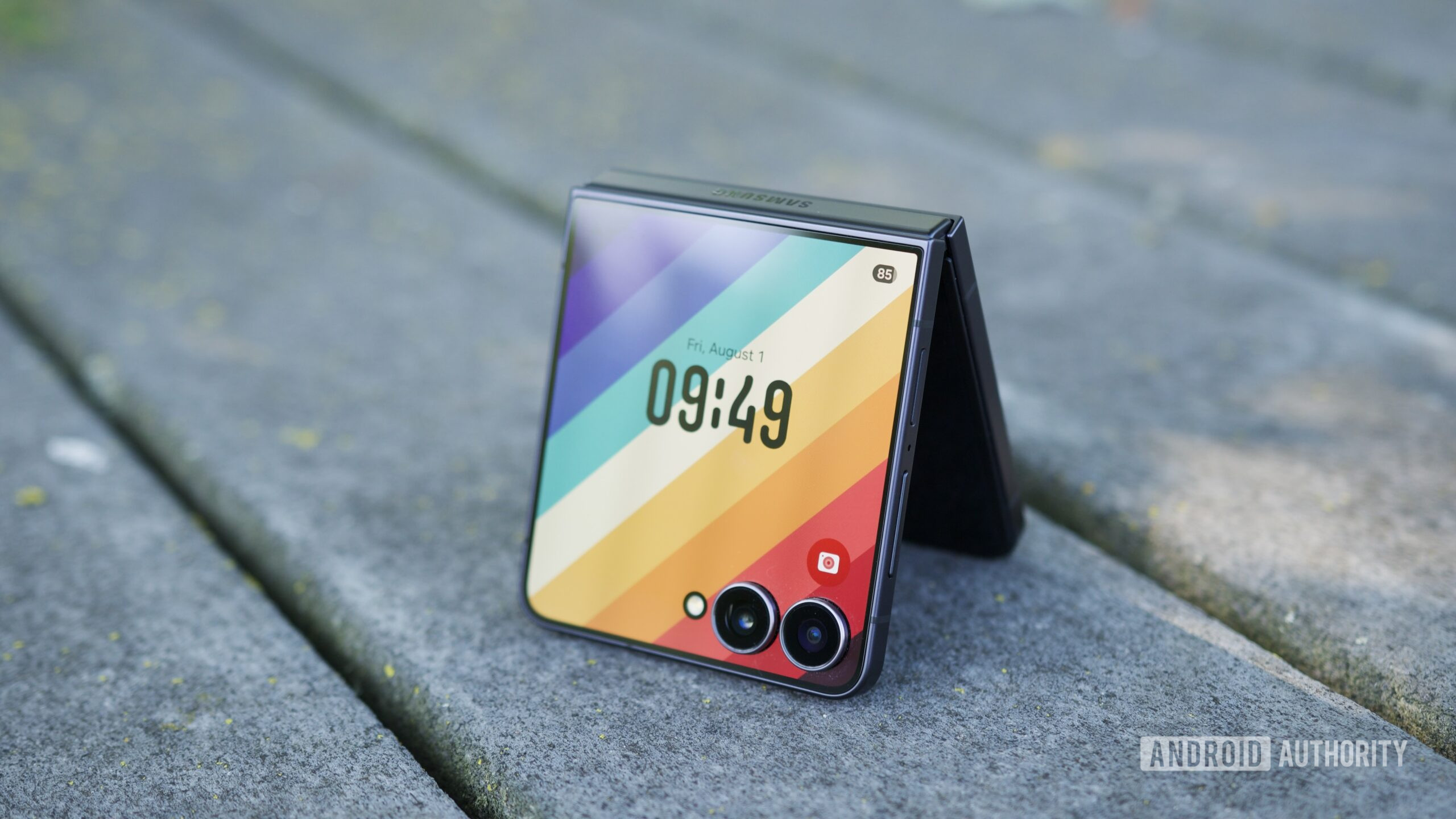
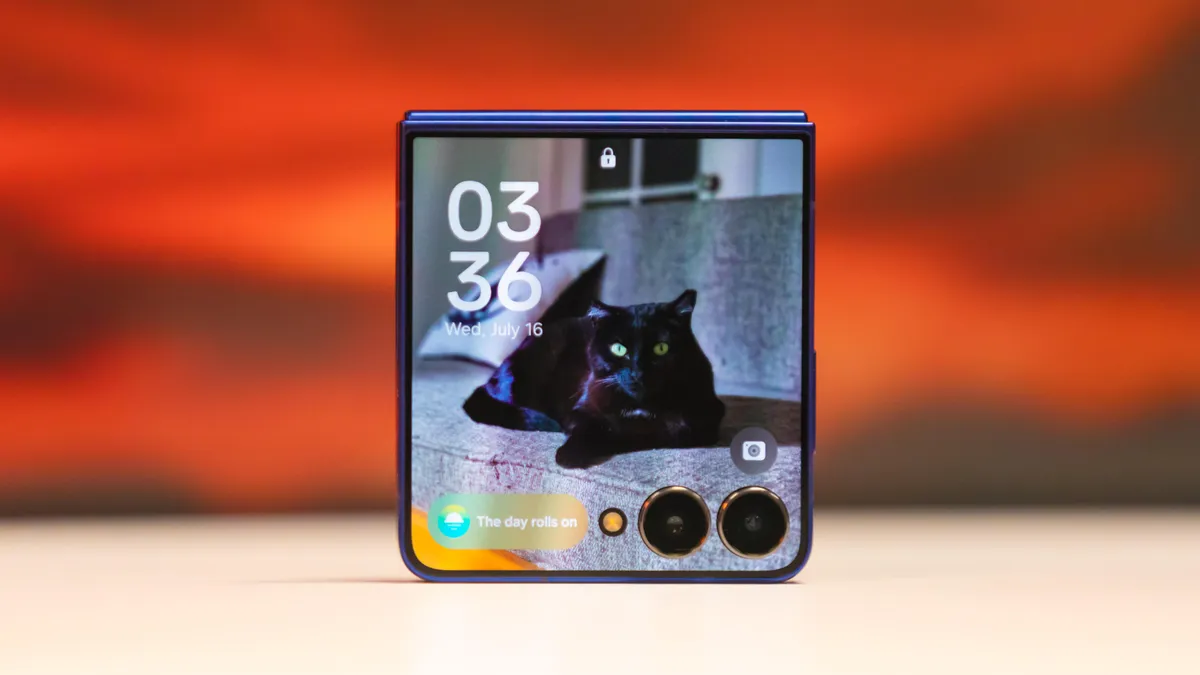
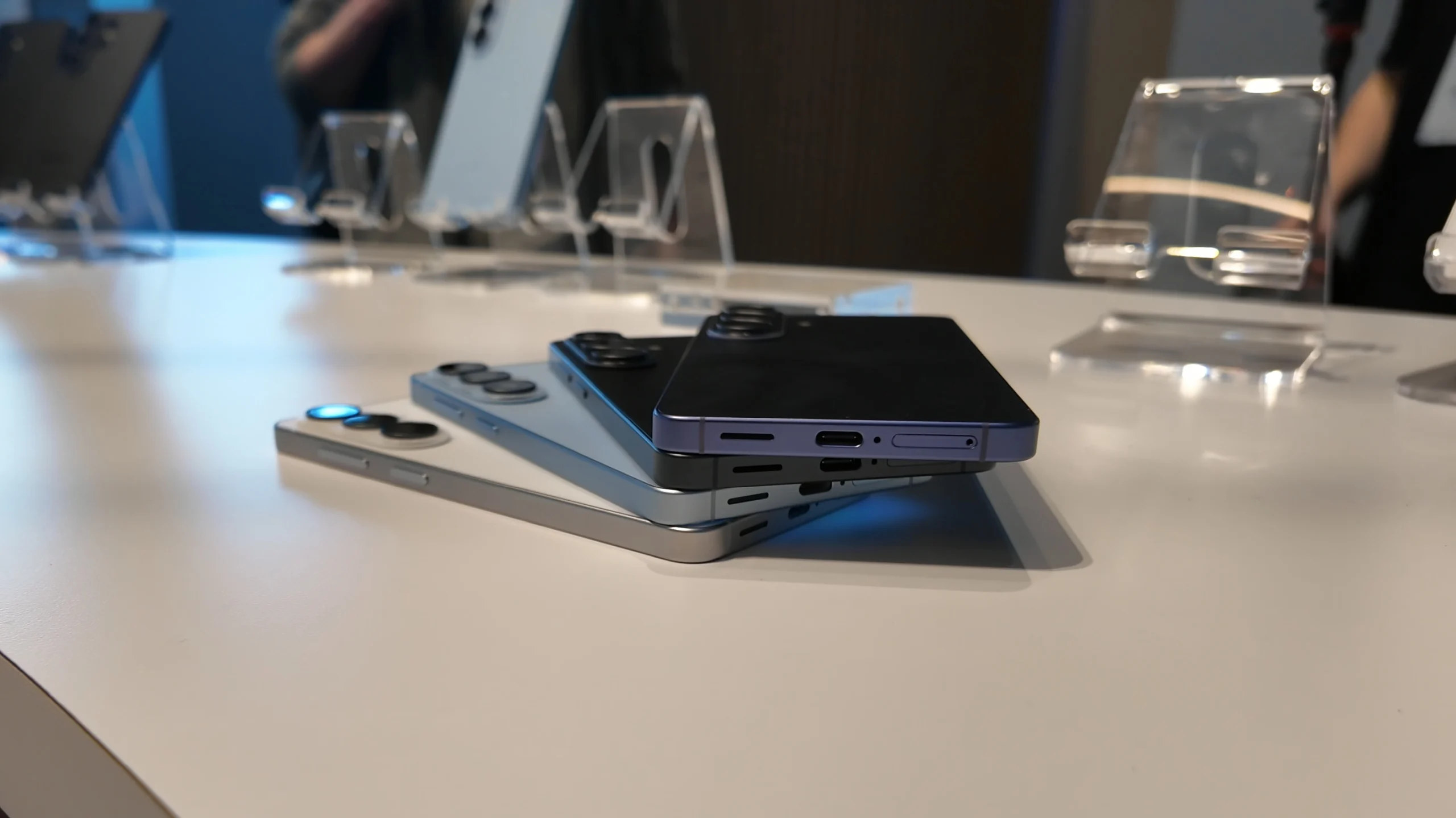
Samsung’s mobile division, Samsung MX, is living the flip side of Huawei’s bet. While the wider electronics group expects record‑breaking profits, the mobile unit may post its first quarterly loss, even with strong Galaxy S26 sales. Analysts’ estimates range from a profit of KRW 1.9 trillion to a loss of KRW 1.5 trillion, but many forecasts sit between a modest profit and a KRW 1 trillion loss. The main culprit is memory chip pricing impact rather than weak demand. In an USD 800 (approx. ₱45,000) phone, RAM costs have surged from 14% to 23% of the bill of materials, with NAND flash taking up to 15%. At those levels, the premium smartphone segment’s profitability hinges on memory costs more than on headline sales volumes. Samsung is diversifying its supply chain and chip mix for upcoming phones to blunt the shock, but it is clearly prioritizing margin defense over volume at any cost.
Opposite Strategies Reveal a Fragmented Recovery and Volatile Supply Chains
Taken together, Huawei’s shipment increase and Samsung’s potential losses show how uneven the smartphone market’s recovery has become under the weight of higher memory costs. Some brands are pulling back, cutting orders and reducing exposure to volatile supply chains; others are doubling down, hoping to turn chaos into share gains. The key fault line is how each brand weighs short‑term profitability against long‑term positioning. Huawei appears ready to absorb thinner margins now to keep its growth momentum and strengthen its ecosystem. Samsung, with far larger global obligations and a history of profitability even through crises, is signaling that premium smartphone economics can no longer ignore component inflation. This divergence should force investors and partners to ask a hard question: in a world where RAM and storage can swing from manageable inputs to margin killers overnight, which strategy is truly sustainable?
Conclusion: Memory Chips Have Become the Hidden Boss of Premium Phones
The smartphone memory chip crisis has turned a once‑boring component category into the hidden boss battle of premium phone profitability. Huawei is choosing to fight that boss with scale—pushing a Huawei shipment increase in 2026 that defies industry caution. Samsung is choosing discipline, accepting the risk of Samsung mobile division losses rather than chasing volume on compromised margins. Neither path is obviously wrong; both are rational responses to brutal memory chip pricing impact on modern flagships. But the contrast makes one thing clear: success in the next smartphone cycle will depend less on dazzling features and more on who can control, absorb, or sidestep memory costs. In that sense, future winners will not only be the brands that sell the most phones, but the ones that treat memory pricing as a strategic battleground, not a background detail.