
The leap: why these mobile camera sensors matter
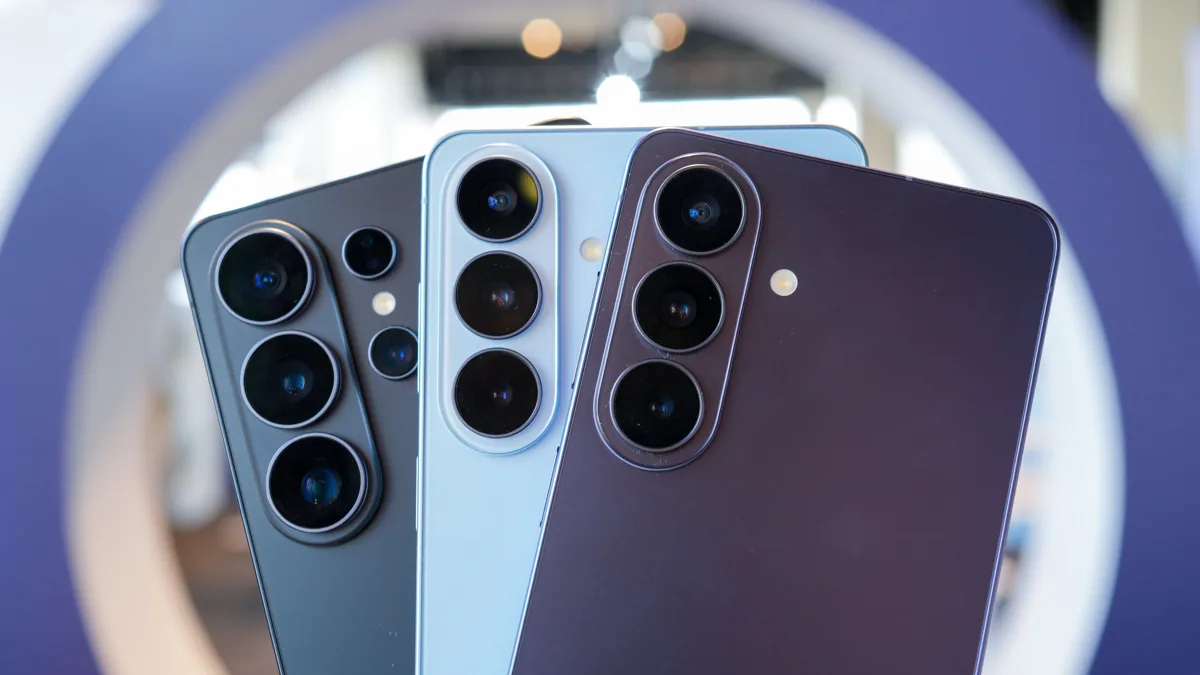
Sony’s LYTIA L910 and Lytia 610 are advanced mobile camera sensors that combine higher dynamic range, faster readout, and improved resolution to let smartphones capture cleaner HDR photos and professional-grade video in demanding lighting without relying heavily on multi-frame computational tricks. The real story behind these sensors is simple: they turn the phone in your pocket into something much closer to a compact cinema and stills camera. The L910 focuses on extreme HDR dynamic range and efficiency, while the 610 attacks high-frame-rate video and telephoto detail. Together they signal that the smartphone race is no longer about megapixels alone; it is about how reliably a sensor can handle real‑world scenes, from harsh sunlight to high-contrast night streets, in a single press of the shutter.
L910: 100 dB HDR dynamic range from a single exposure
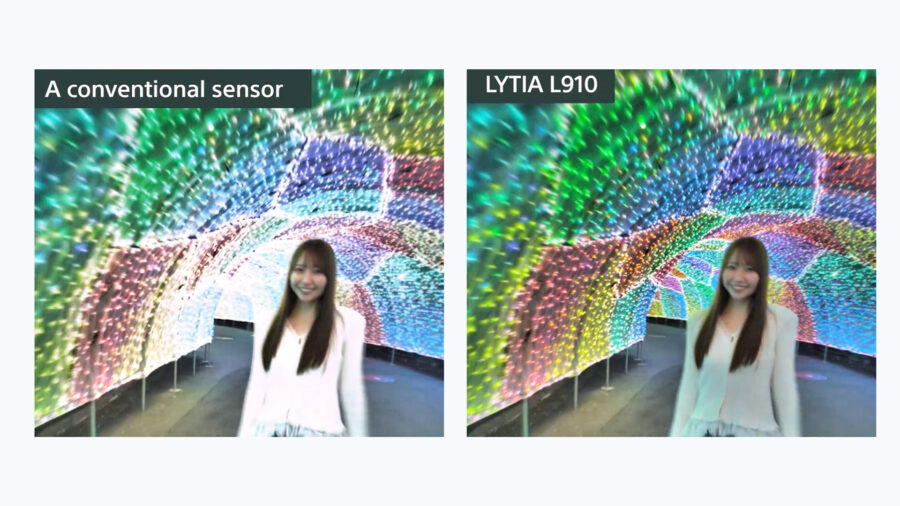
The LYTIA L910 is a roughly 50-effective-megapixel stacked CMOS mobile sensor that promises 100 dB of dynamic range from a single exposure, alongside 4K 60p HDR video recording and reduced power consumption. That single phrase—“single exposure”—is the crucial shift. Instead of stitching together multiple frames, the sensor uses a LOFIC (Lateral Overflow Integration Capacitor) structure to hold extra charge when pixels would normally clip, preserving highlight detail while avoiding motion artifacts. Sony combines this with Triple Conversion Gain HDR, reading one exposure at three different gains to tame bright areas and clean up shadows and mid-tones. According to Sony, the L910’s Ultra High Conversion Gain circuit cuts random noise by about 30% compared with its previous LYTIA 828 sensor, improving low-light performance. For mobile photographers and filmmakers, that means more usable, detailed shots in brutal contrast—think stage lighting, sunsets, city nights—without the smeary look of aggressive computational HDR.
Professional smartphone video recording: cleaner HDR and 4K 120fps
On the video side, these sensors are aimed squarely at people who treat their phones as primary cameras for streaming, social content, or client work. The L910 is designed so that high-quality 4K video recording at 60 fps can maintain high dynamic range without draining the battery thanks to faster, more efficient analog-to-digital conversion. Crucially, because its 100 dB range comes from one exposure, it suppresses motion blur, flicker, and other artifacts that plague multi-frame HDR when subjects move. The Lytia 610 tackles frame rates: its improved readout speed enables 4K 120 fps video recording for the first time on Sony’s 1/2-type mobile sensor, shrinking the gap with larger main-camera sensors and allowing smooth capture of fast action or high-quality slow motion. It also supports 4K 60 fps HDR video recording, which is ideal for high-contrast scenes where both highlights and shadows matter.
Beyond specs: real-world benefits for multi-camera phones
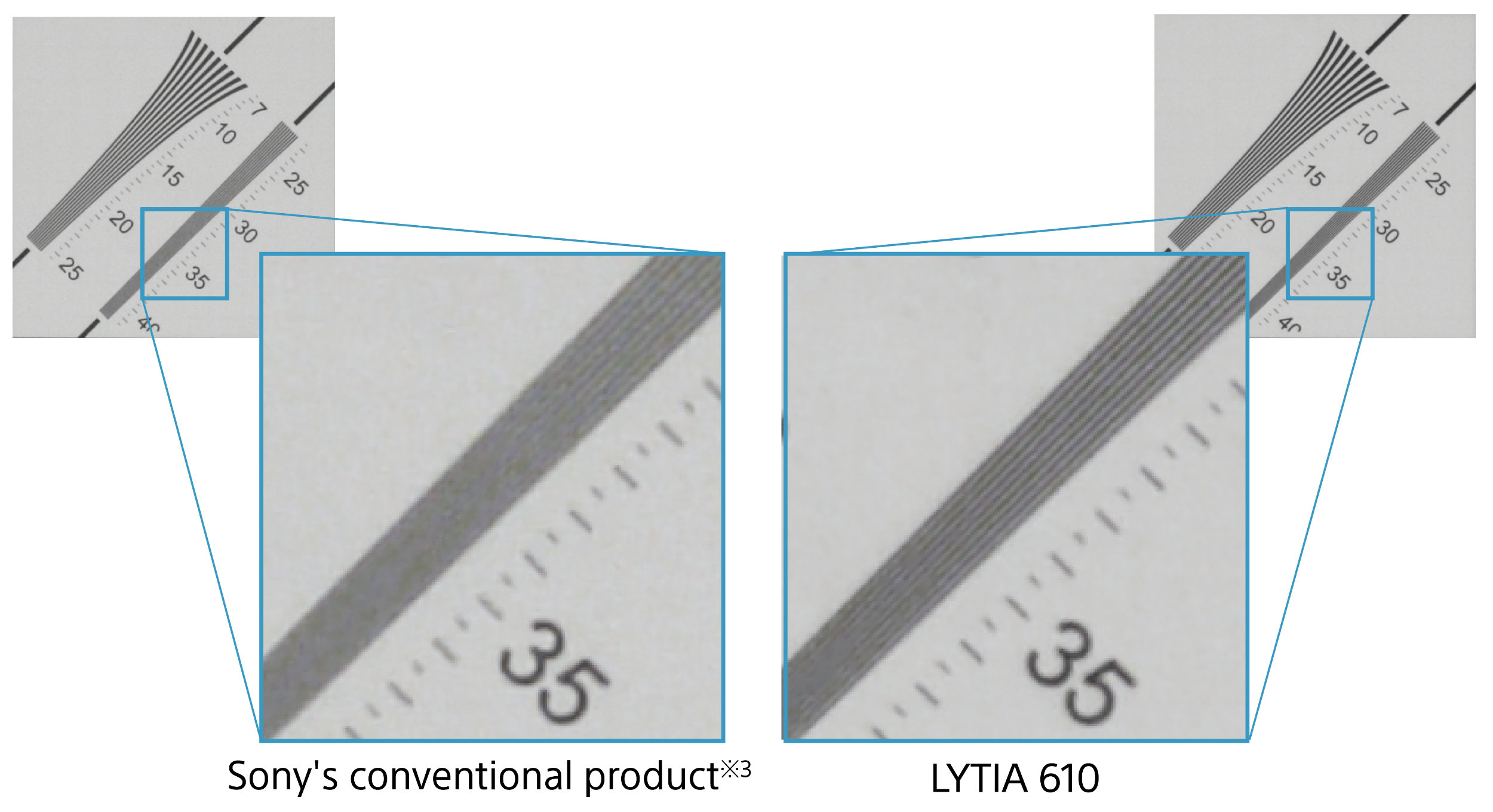
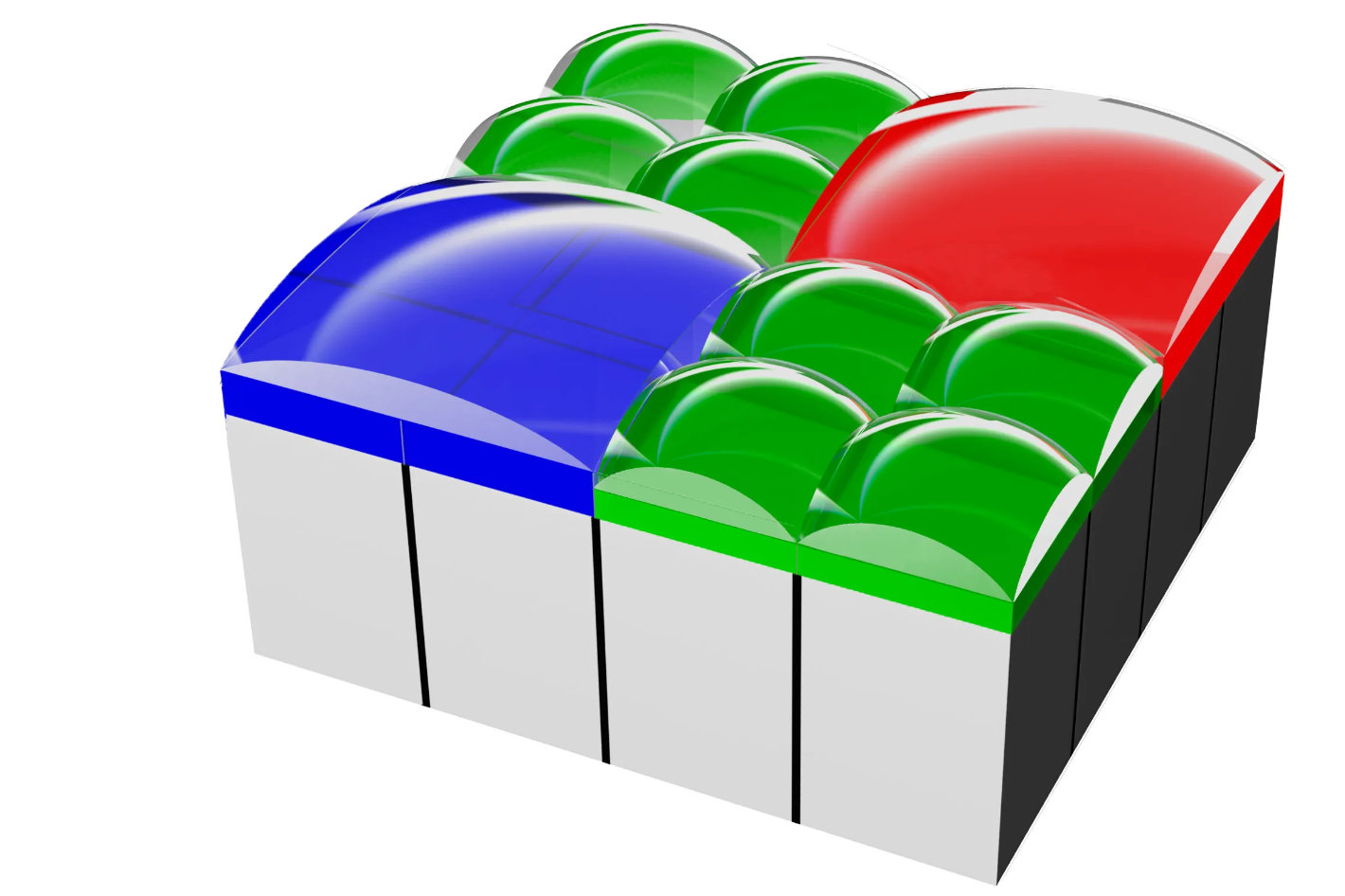
These are not lab-only upgrades; they are aimed at ordinary users who shoot a lot of video and HDR stills. Sony says its circuit design reduces conversion time and therefore sensor power draw, with the payoff of sustained 4K HDR recording at 60 fps without punishing battery life. It also says users will be able to preview images in HDR quality directly on their smartphone screens, so what they see while framing is much closer to the final capture. The Lytia 610’s RB2×2 On Chip Lens pixel structure, paired with dedicated remosaicing, brings more than a 20% boost in spatial resolution relative to a Sony sensor with the same pixel size, improving detail for telephoto cameras. Its video performance reduces differences in image quality when switching between main and sub cameras, enabling smoother transitions in multi-lens systems and a more seamless smartphone video recording experience overall.
Why now—and what comes next
Sony is positioning the L910 for the rising demand for stable, high-quality imaging in demanding lighting, driven by the continued growth of video production and live streaming on mobile devices. This is a mobile image sensor destined for smartphones, not a chip that will appear in mirrorless bodies, but the priorities—single-exposure HDR, faster readout, better efficiency—mirror trends in high-end cinema gear. The L910 is scheduled for mass-production shipment in summer 2026, so the first phones that exploit its 100 dB single-exposure HDR dynamic range are still on the horizon. The Lytia 610, meanwhile, has been announced as the industry’s first 1/2-type CMOS sensor for mobile applications with its RB2×2 OCL structure set for mass production. Independent lab tests are already being prepared for other LOFIC-based devices, and once those results land later this month, we will have a better sense of how far this new generation of HDR sensors can push computational photography. In short, phones are about to get much closer to the look and flexibility that professionals expect—and that will raise the bar for everyone.