
Unpacked is about to outgrow Samsung foldable phones
Samsung Galaxy Unpacked is the company’s flagship mobile launch event where it unveils new Samsung foldable phones, smartwatches, and other connected devices, and the upcoming show promises both the eighth‑generation Z Fold 8 and Z Flip 8 plus several surprise product announcements that expand the Galaxy ecosystem beyond traditional phones and watches. The headline act may still be foldables, but the real story is Samsung’s attempt to move Unpacked from a spec-bump ritual into an innovation stage. With the event scheduled for Wednesday, July 22, at 6 p.m. ET in London, Samsung is openly teasing a “brand new shape” for its next foldable and hinting at curveball hardware like Galaxy Glasses and a possible Galaxy Ring 2. That combination signals a strategic push: foldables remain the anchor, but ambient, AI-aware devices are the future Samsung wants you to buy into.
Foldables: wider screens, bigger batteries, but limited excitement
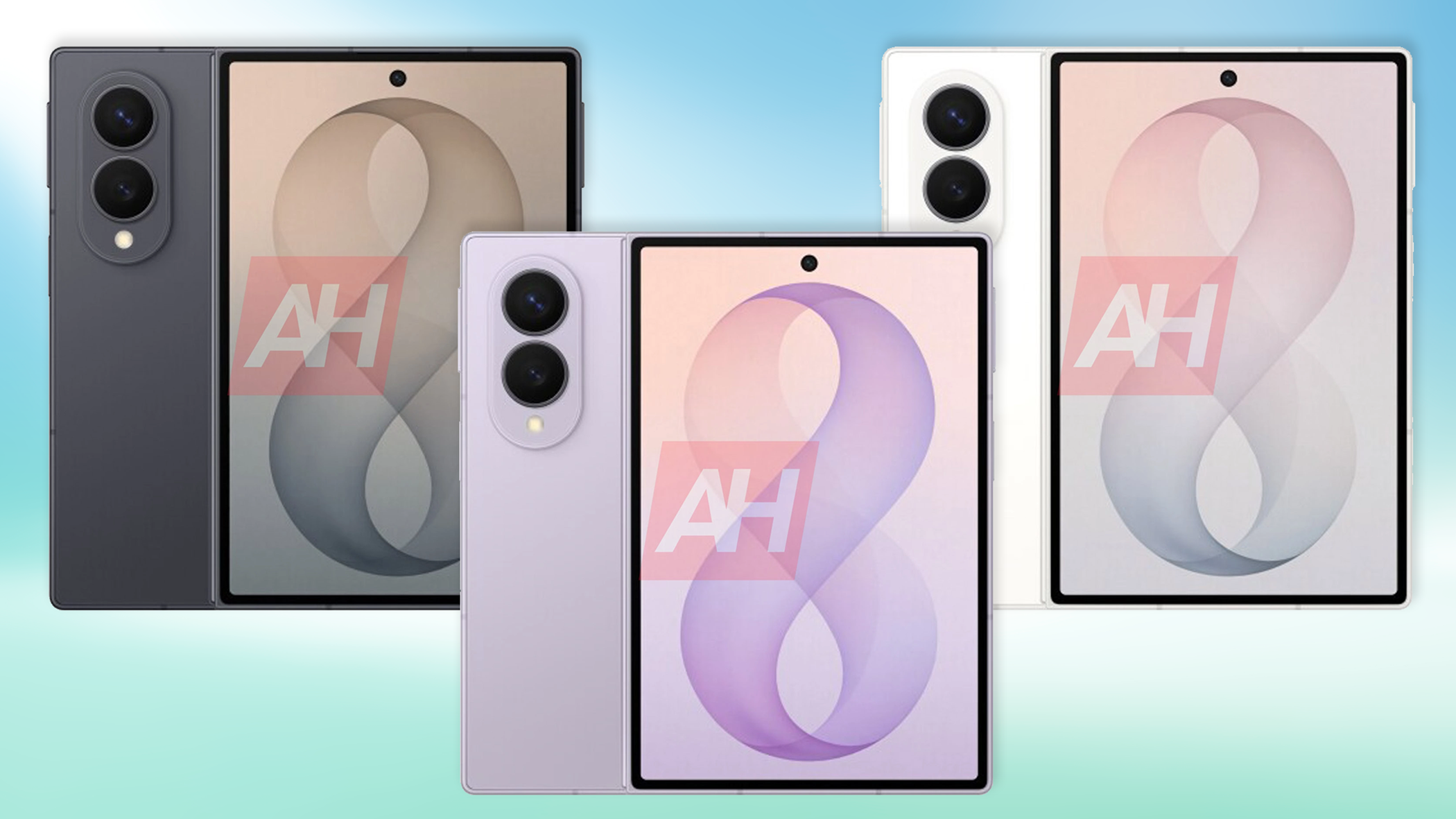
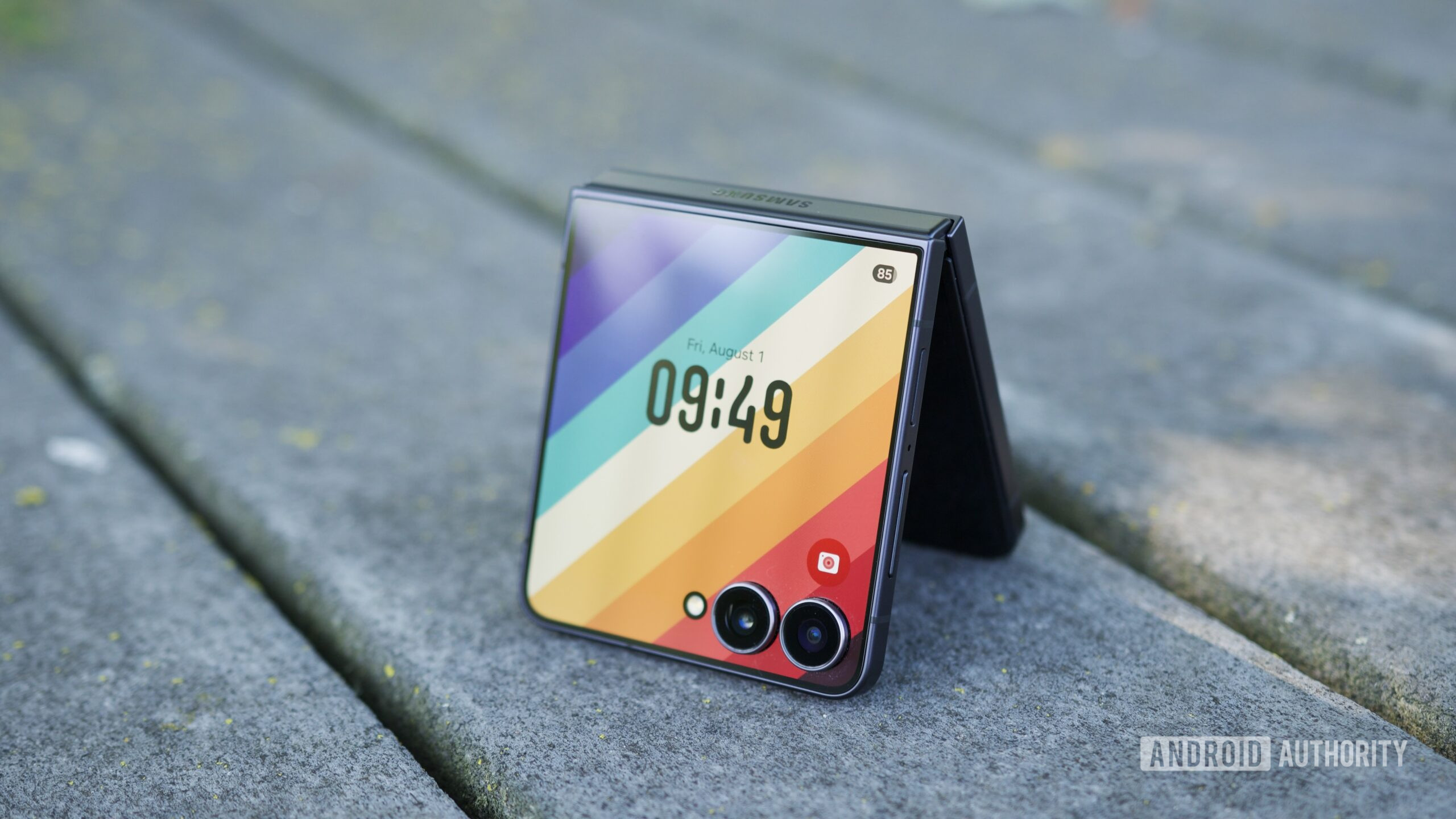
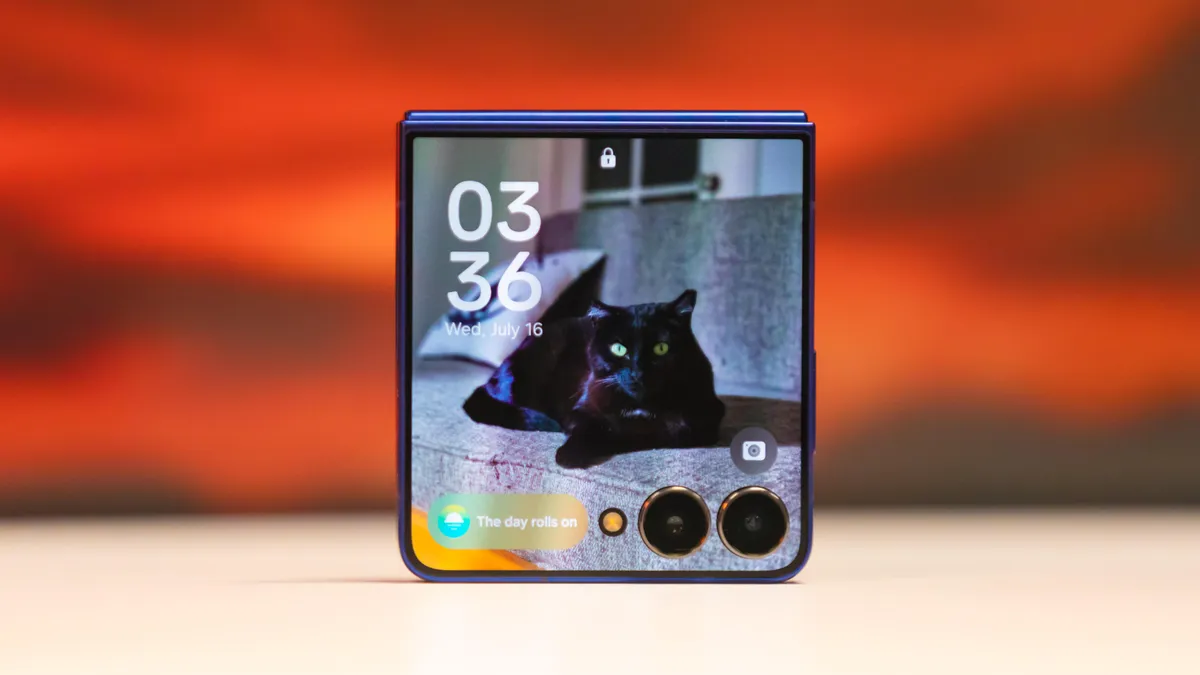
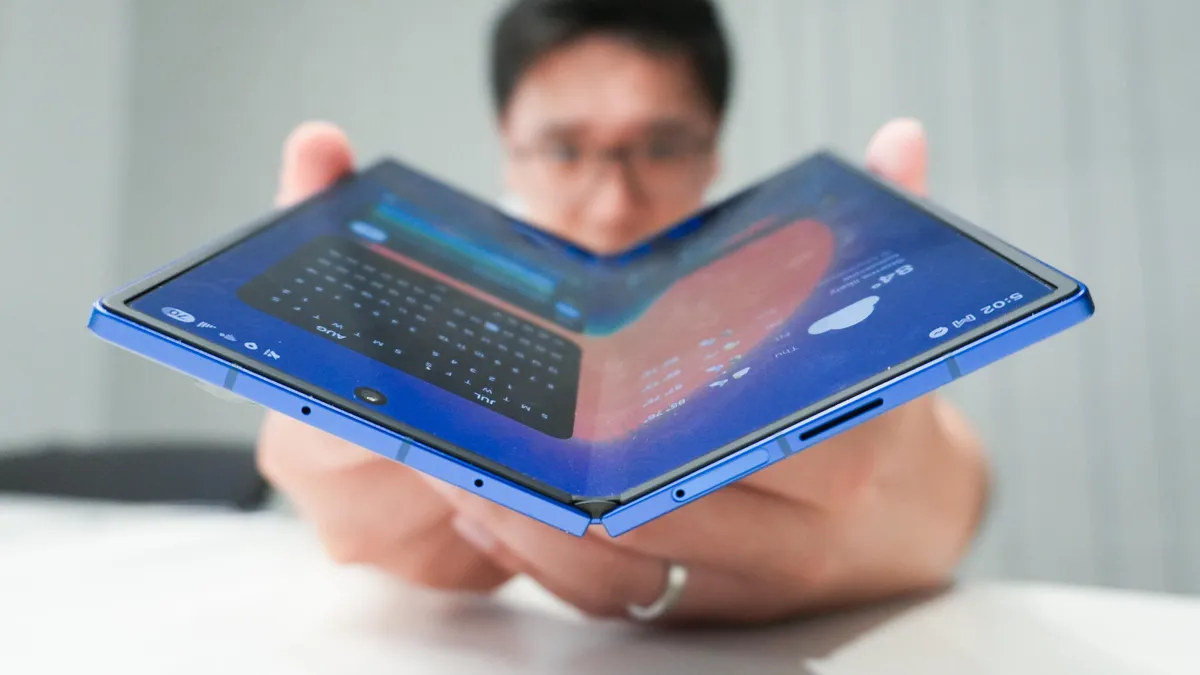
Samsung’s latest generation of foldables will include the Z Fold 8 and Z Flip 8, plus a rumored wider Fold that borrows a tablet-like aspect ratio. According to one report, “rumors suggest that the Z Fold 8 will feature a bigger battery at 5,000 mAh, a dual camera setup, and a tablet-adjacent aspect ratio.” Those are meaningful upgrades for power users, but they are iterative rather than transformative. A 5,000 mAh battery and incremental camera changes improve daily usability, not the core value proposition of owning a foldable. The “brand new shape” teaser hints that Samsung knows this and is trying to rekindle enthusiasm with design rather than pure specs. Reservation and trade-in perks, including credits and up to USD 1,230 (approx. ₱69,000) off eligible devices, underline a simple reality: to keep foldables mainstream, Samsung must soften the price and pair them with something novel enough to feel like a step into the next era.
Galaxy Glasses: the most important curveball
The most compelling surprise product announcement is the Samsung Galaxy Glasses, also referred to as Galaxy XR Glasses, which an executive said would arrive "later this year." These are not pitched as a standalone AI gadget but as eyewear with an eye-level camera that ties into the rest of the Galaxy ecosystem. Jay Kim described them as a way for AI to capture and contextualize your environment via integration with other Galaxy products, which suggests continuous sensing and ambient computing rather than occasional VR sessions. That is a sharp pivot from phones you pull out of a pocket to devices that silently watch and interpret the world around you. If Samsung delivers, Galaxy Glasses could become the linchpin of its ecosystem, turning phones, watches, and rings into satellites around a constant, camera-first interface. It also raises privacy and social questions that Samsung will need to address head-on on stage.
Watches and Galaxy Ring 2: health hardware in the wings
Alongside foldables, Samsung is expected to introduce the Galaxy Watch 9 and Galaxy Watch Ultra 2, while apparently skipping the Classic rotating-bezel design this time around. The Watch 9 is rumored to receive the familiar mix of a new processor and a more powerful battery, which matters less as a headline and more as a signal that Samsung sees durable, all-day wear as table stakes for its ecosystem. A second-generation Galaxy Ring is confirmed to be in development, but leaks suggest it may not appear at this event, with estimates pointing closer to early 2027 and potentially a reveal at a major trade show. That delay is telling: health-tracking wearables are becoming strategic, but Samsung appears willing to hold them back until they feel differentiated. In the meantime, reservation credits of USD 30 (approx. ₱1,700) and trade-in offers up to USD 1,200 (approx. ₱67,000) make it easier for existing users to upgrade into this evolving health and AI stack.
From spec bumps to an AI-first Galaxy ecosystem
Looking at all the hints together, the message of Galaxy Unpacked is clear: Samsung wants the event to be about an AI-first ecosystem, not only new Samsung foldable phones. The wider Z Fold 8 and refreshed Z Flip 8 show design and battery progress, but they are evolutionary. The more ambitious bet lies in products like Galaxy Glasses, which promise an always-on camera feed into Samsung’s AI systems and deep integration with phones, watches, and future rings. For ordinary users, the practical impact could be a shift from discrete gadgets to a mesh of devices that know where you are, what you are doing, and what you might need. That future is exciting and a bit unsettling. If Unpacked leans into transparency, explains how data is used, and shows real utility beyond novelty, Samsung could turn this year’s show into the moment Galaxy stopped being a phone brand and became a full ambient computing platform.