

Addictive design becomes a legal problem, not a UX trend
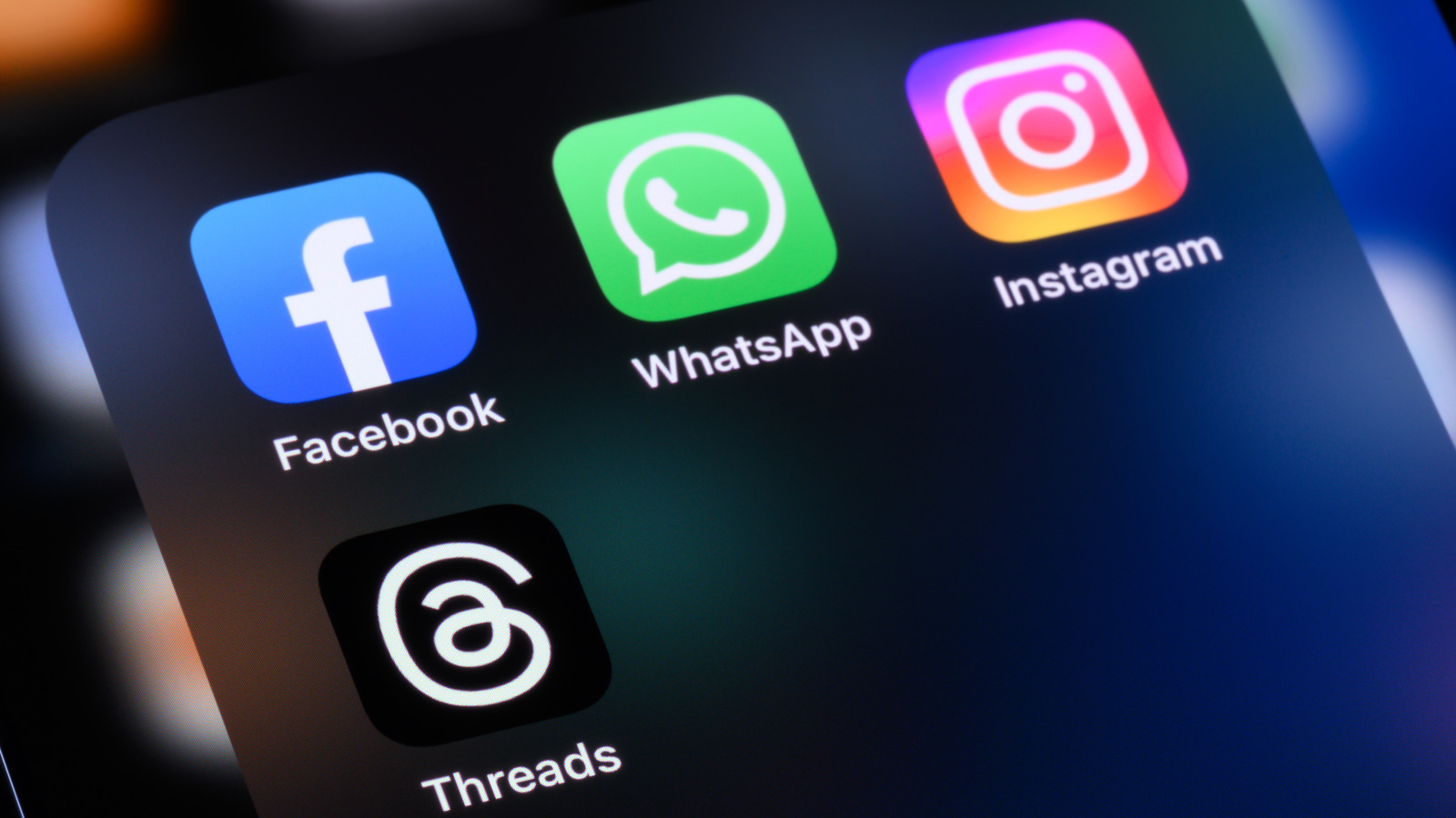
The EU’s case against Meta over Facebook and Instagram argues that design choices like infinite scroll, autoplay, push notifications, and hyper-personalized feeds are not neutral features but addictive design patterns that keep users engaged in ways that harm their wellbeing, especially minors, and therefore breach the bloc’s Digital Services Act through excessive, compulsive use of social media services.
Regulators say Meta implemented “addictive designs” on Instagram and Facebook and is in violation of the Digital Services Act’s rules on systemic risks to users’ mental and physical health. The investigation, launched in May 2024 over addiction and safety concerns for minors, zeroes in on infinite scroll, autoplay, push alerts, and personalized recommendations that nudge people to keep going long after they meant to stop. In plain terms, the doomscroll is no longer seen as a personal failing; regulators call it the product of deliberate social media design.
What the EU says Meta did wrong under the Digital Services Act
Under EU addictive design rules, the problem is not that Facebook and Instagram are popular; it is that Meta did not “adequately assess the risks of its addictive design on the physical and mental wellbeing of users, including minors and vulnerable adults.” Investigators argue that infinite scroll and autoplay keep feeds going indefinitely, while algorithmic recommendations and push notifications place the brain in “autopilot mode,” driving compulsive use.
Regulators also fault Meta for downplaying how formats like Stories and Reels can keep minors on the apps for longer sessions. Meta points to Teen Accounts, which let parents block access at night and cap screen time to 15 minutes per day, as proof it has moved. But officials say current safeguards are easy to dismiss, time-management tools do not meaningfully reduce use, and parental controls demand more technical knowledge and attention than many families can give. In other words, the EU sees a core product problem, not a settings-menu problem.
The redesign ultimatum: what users will notice first
If Digital Services Act enforcement holds, Meta Instagram redesign plans and equivalent changes to Facebook will have to move from PR talking points to product reality. The Commission’s own suggested “solution” is blunt: disable autoplay and infinite scroll by default, introduce harder-to-ignore screen time breaks, and make recommendation algorithms less focused on maximizing engagement.
That means ordinary users in the EU could see feeds that eventually hit a natural endpoint instead of an endless river of posts, videos that wait for a tap before playing, and prompts that make taking a break the easy path rather than an optional setting buried deep in menus. Facebook and Instagram “could work differently in the EU,” with infinite scroll and autoplay switched off by default and engagement-hungry recommendation systems dialed back. If this sounds like sacrilege to growth teams, that is the point: the law is telling design to stop treating attention as an infinite resource.
Billions on the line: why Meta will fight, and what happens next
The stakes explain why Meta is pushing back. Under the Digital Services Act, the EU can impose fines of up to 6% of a company’s global annual revenue for non-compliance. Based on Meta’s reported 2025 revenue of 200.97 billion, a confirmed breach could expose it to a fine of roughly USD 12.1 billion (approx. ₱678.0 billion). This is not a symbolic wrist slap; it is a direct hit to the business model that rewards addictive engagement.
For now, the findings are preliminary. Meta has the right to review the Commission’s evidence, examine the investigation files, and submit a written response. It can challenge the conclusions before any final Digital Services Act enforcement decision is taken, and the European Board for Digital Services will be consulted before regulators decide on penalties or a mandatory redesign. Until that ruling lands, nothing is ordered—no fine, no forced interface changes—but the direction of travel is unmistakable: engagement-maximizing design is now a regulated risk category.
What this means for social media regulation and app design
Whatever the final outcome, the message to the wider industry is clear: addictive design is no longer a clever UX tactic; it is a potential compliance failure. Features once celebrated at product conferences—infinite scroll, autoplay, hyper-personalized feeds—now sit in the legal firing line under EU addictive design rules. Social media regulation has moved from content moderation to the mechanics of how attention is captured and held.
That shift forces a new design question: not “what keeps users here longest?” but “what level of friction is required to respect choice and protect wellbeing?” Infinite scroll banned by default would force designers to rediscover pagination, session boundaries, and more honest affordances for stopping. Screen time breaks that cannot be easily dismissed will change what “sticky” means in practice. If Meta’s flagship apps must change their core patterns to satisfy Digital Services Act enforcement, few large platforms will be able to argue that engagement-at-all-costs UX is still a safe strategic bet.