
From $300 Experiment to the Most Wanted Android Phone
The rise and fall of the OnePlus flagship killer describes how a small smartphone brand upended premium pricing with high-end hardware at mid-range cost, then slowly abandoned that mission before exiting major Western markets and leaving a gap in affordable flagship phones that no other Android maker has convincingly filled.
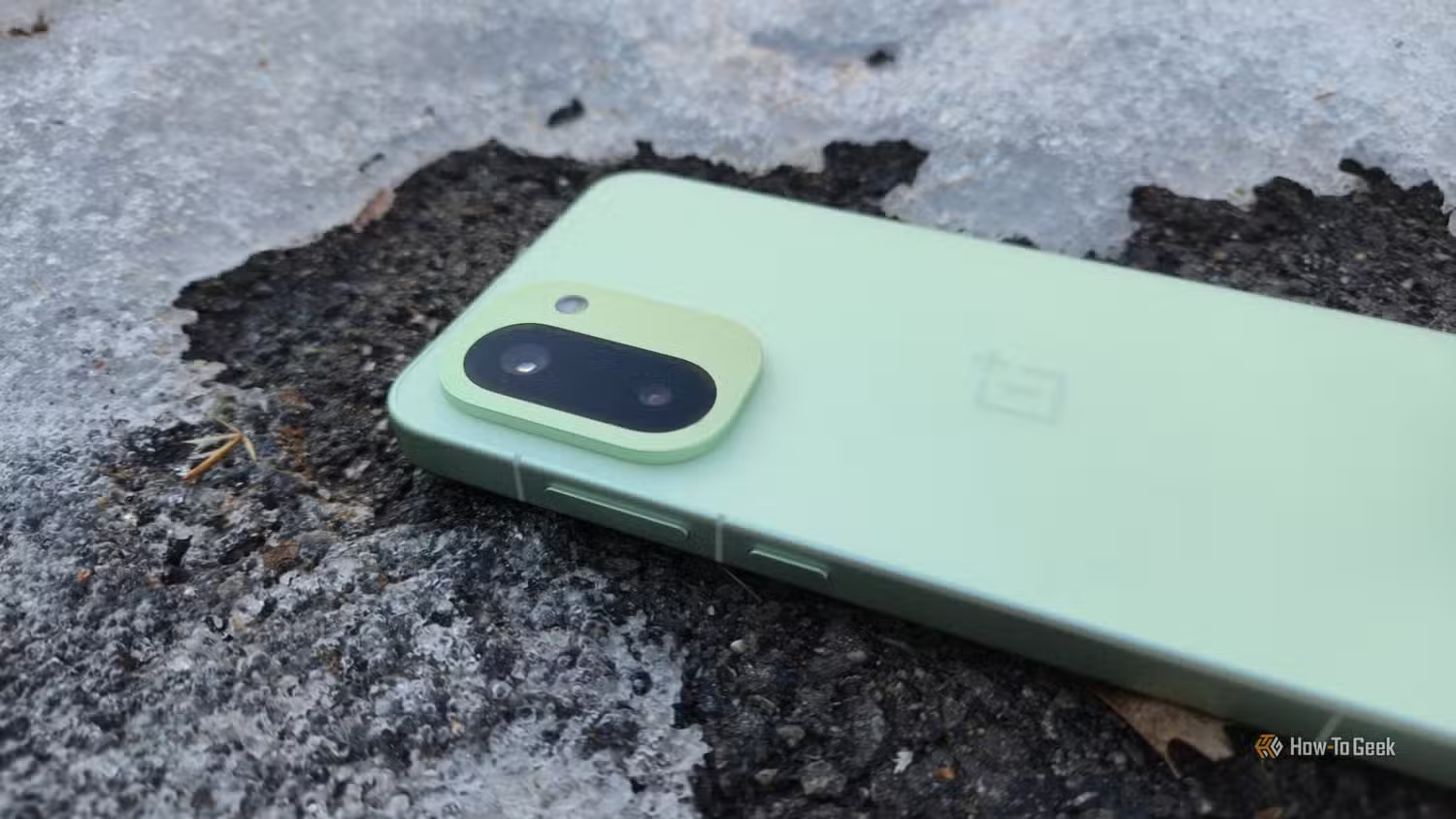
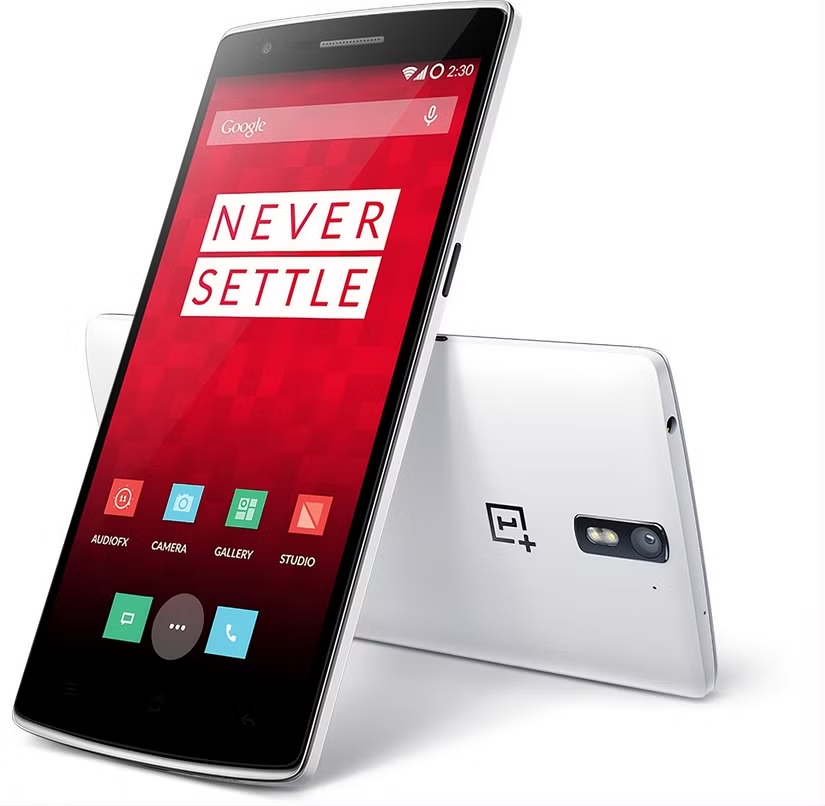
When the OnePlus One arrived in April 2014, it did something the industry insisted was impossible: it paired flagship-level specs with a mid-range price. Back then, phones like the Galaxy S5, HTC One M8, and LG G3 sat in the USD 600–700 (approx. ₱33,600–₱39,200) bracket, while the OnePlus One launched at USD 299 (approx. ₱16,800) for 16 GB and USD 349 (approx. ₱19,500) for 64 GB. That made it “pretty much exactly half of what a flagship phone from Samsung cost.” The compromise was clear—less flashy extras, weaker cameras, no microSD—but the message was louder than any spec sheet: performance was worth more to buyers than logo prestige. Among Android fans, the OnePlus One quickly became “the most highly coveted Android device of 2014.”
How the OnePlus Flagship Killer Reshaped Android
The OnePlus flagship killer was never just about cheap silicon; it was about exposing how much margin had been baked into premium phones. OnePlus marketed the OnePlus One as a “Flagship Killer,” and the label stuck because the math was undeniable: Snapdragon 801, 3 GB of RAM, a solid 1080p display, and a 3,100 mAh battery in a phone that cost about half its rivals. The software story amplified the effect—CyanogenOS delivered a near-stock, “fast and smooth” Android experience when other vendors were drowning users in bloated skins and gimmicks.
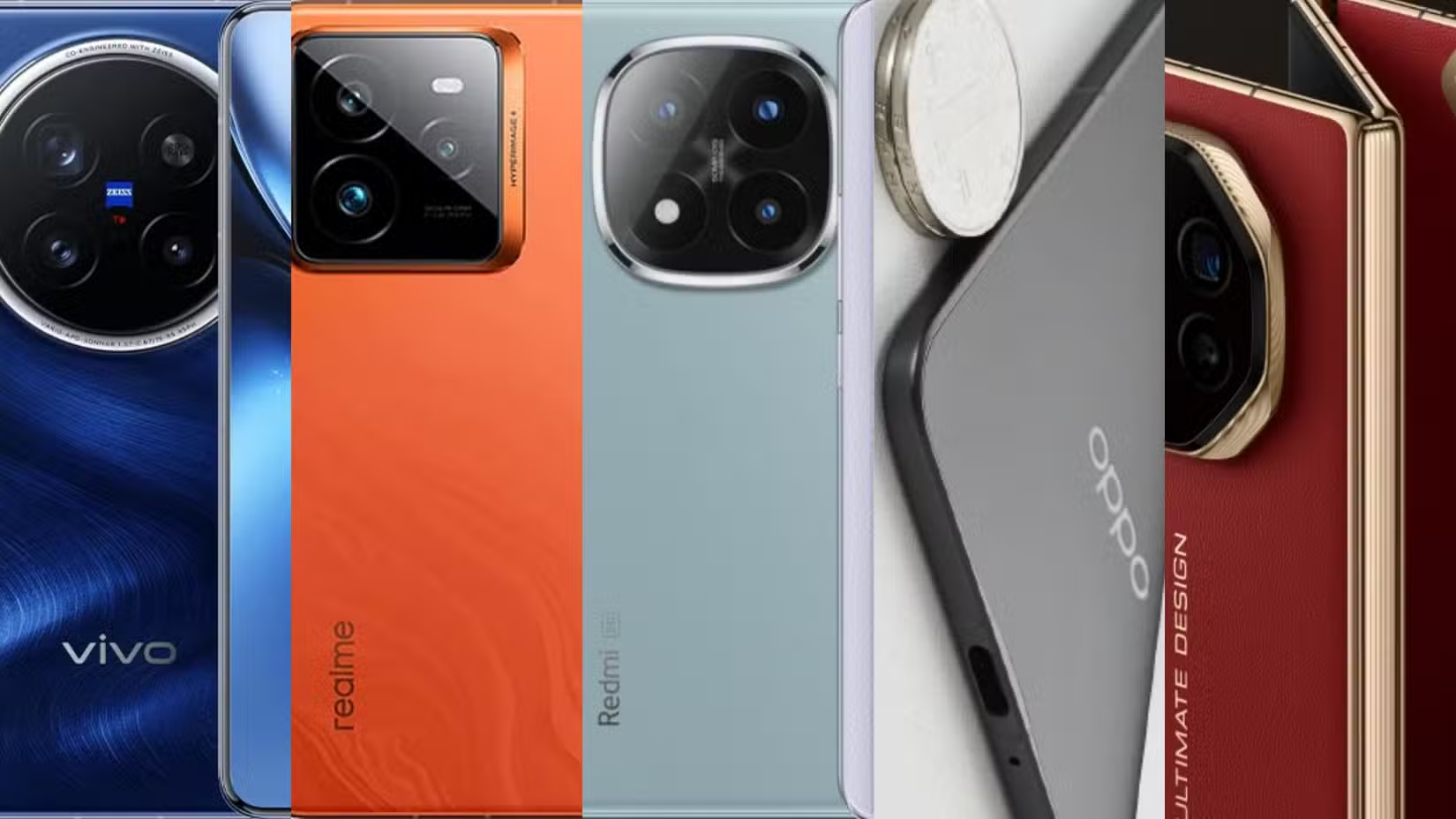
This combination of speed, clean software, and aggressive pricing created real smartphone market disruption. The OnePlus One is widely credited with making the flagship killer concept mainstream, and what followed was a wave of budget Android alternatives like Xiaomi’s Poco line, built on the same promise of high-end specs at aggressive prices. OnePlus’s invite-only scarcity and viral campaigns—like asking people to destroy their phone for a USD 1 (approx. ₱56) OnePlus One—turned a niche enthusiast device into a cult object. In the process, OnePlus forced bigger brands to rethink what consumers would accept, or at least question why “premium” had to mean “painfully expensive.”
From Cult Hero to High-End Also-Ran
The tragedy of OnePlus is that the company proved its own thesis, then slowly walked away from it. Over time, its phones improved in build and camera quality, yet prices climbed and the brand drifted from affordable flagship phones toward the same high-end niche it originally disrupted. That pivot might have looked logical on a spreadsheet—Popal notes that many companies grab attention with thin margins, then raise prices to improve profitability—but in practice it blurred what made OnePlus special. By the time cofounder Carl Pei left after internal clashes over the company’s direction, the outsider ethos that powered the original flagship killer was already fading.
Meanwhile, the practical realities of the U.S. carrier-driven ecosystem hit hard. OnePlus went from 1 million smartphone shipments in the U.S. in 2019 to just under 130,000 in 2025—a roughly 90 percent volume drop over six years, after T‑Mobile ended its partnership. In markets where about two-thirds of sales go through carriers, a brand that started life as an invite-only cult item never fully learned how to play the mainstream game. The result: the OnePlus 15 and 15R now stand as the last OnePlus phones officially sold in the U.S. and Europe.
Exit Stage Left: Why OnePlus Is Leaving and What Fills the Gap
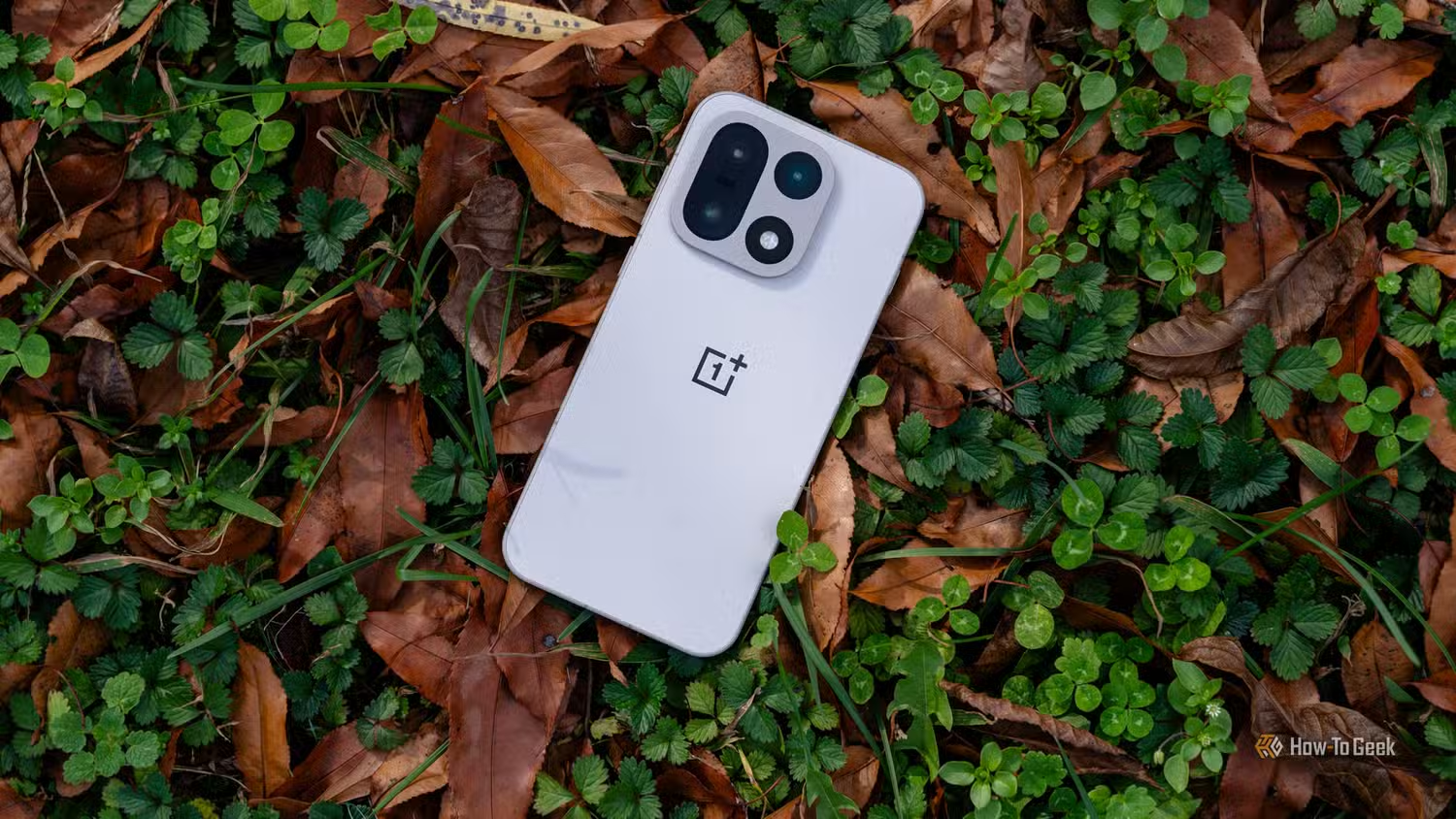
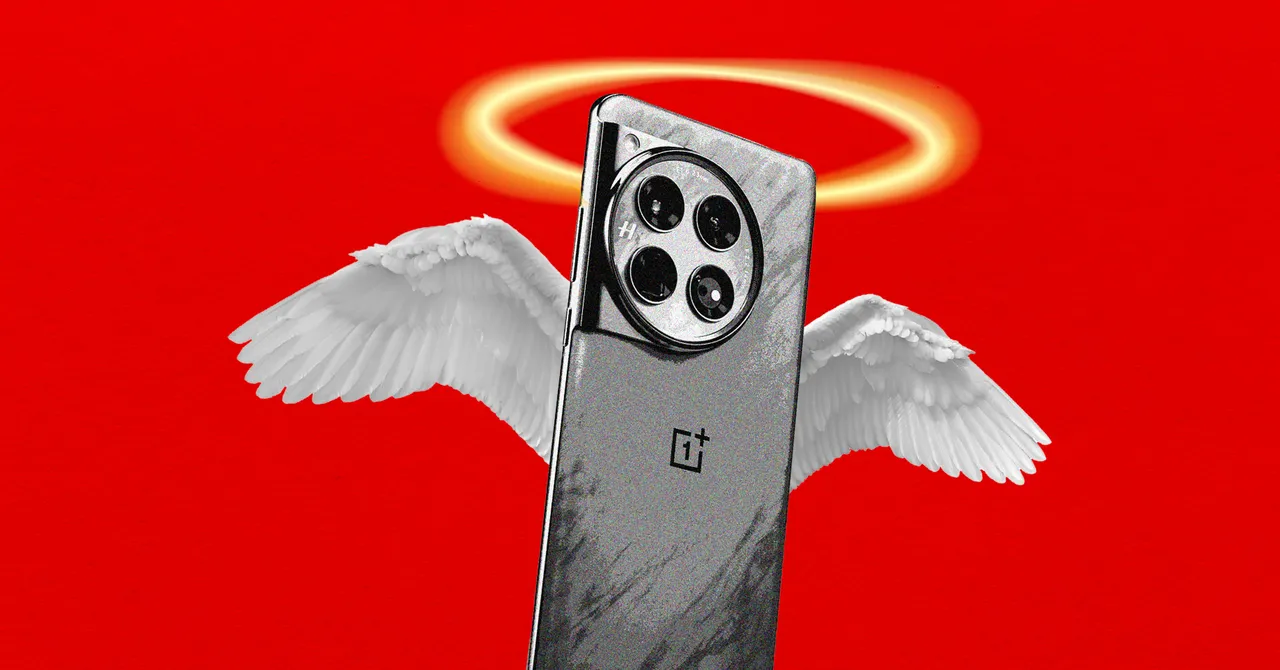
OnePlus has now announced that no new products will be released in North America and Europe, effectively ending the flagship killer era where it started. This retreat comes during a historic slowdown in phone sales: Counterpoint reports an 11 percent year-over-year decline in global smartphone shipments in Q2 2026, the lowest level for that period in 13 years, amid a memory shortage as AI data centers soak up RAM. Under that pressure, a brand built on thin margins and risky pricing runs out of room to fight. OnePlus will keep selling in Asia and may focus more on mobile gaming, while Oppo devices gradually replace it on store shelves.
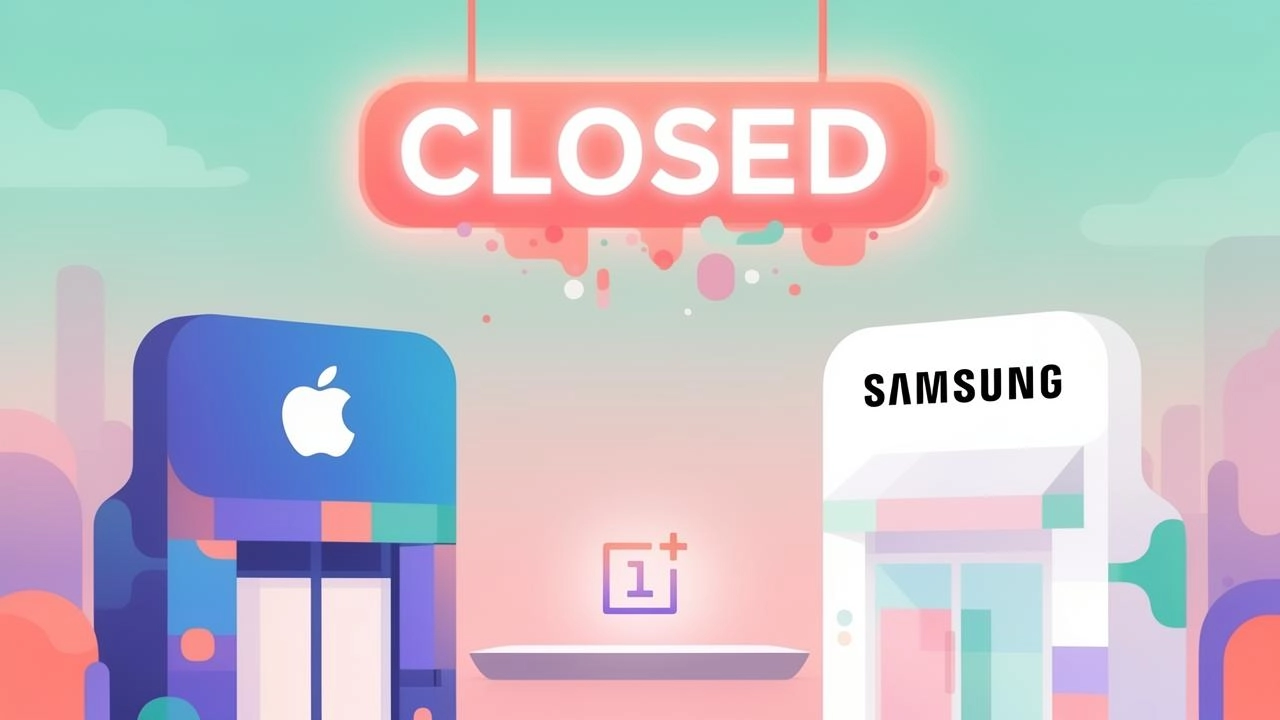
For everyday users, the impact is stark: fewer compelling budget Android alternatives and less leverage against rising flagship prices. In a U.S. market described as “basically a duopoly” between Apple and Samsung, losing OnePlus means losing a proven alternative that punched above its price. Yes, Nothing and Oppo exist, and Chinese brands still dabble in aggressive pricing, but even enthusiasts admit that the same pioneering spirit is not attached to them. Smaller brands cannot match OnePlus’s old formula—top-tier performance, quality displays, and lean software at half the going rate—while still making sustainable profit. The flagship killer playbook now looks more like a one-off moment than a repeatable model.
The Legacy and the Void OnePlus Leaves Behind
OnePlus’s exit from major Western markets is more than a corporate reshuffle; it is a clear signal that the experiment of radical value in high-end phones has been shelved. The original OnePlus One showed that enthusiasts would endure weak cameras, limited LTE bands, and shaky support if they could get uncompromised performance, clean software, and decent hardware for far less than the standard flagship price. It also proved that “flagship killer” was not marketing fluff but a real strategy that forced the rest of the industry to pay attention.
What we are left with is an uncomfortable truth: the smartphone market disruption OnePlus sparked has cooled into consolidation. The duopoly tightens, prices drift upward, and no clear successor has matched OnePlus’s balance of ambition and affordability. Future upstarts will still talk about being the next flagship killer, but they will have to do so in a world where component shortages, AI-driven demand for memory, and carrier gatekeeping make the original OnePlus formula much harder to repeat. For consumers who care about value, OnePlus’s legacy is a bittersweet reminder of what the Android ecosystem can offer when a company cares more about shaking up the market than joining the VIP section.