
Tensor G6 in a Mid-Range Pixel: Why This Leak Matters
The Google Pixel 11a is a rumored mid-range smartphone that, according to new hardware leaks, aims to combine a flagship-class Tensor G6 processor, an upgraded MediaTek modem, and brighter display technology to fix past Pixel compromises while remaining the more affordable member of Google’s phone lineup.
The headline from this leak is simple: Google looks ready to stop treating its a-series as second-class citizens. The Pixel 11a is reportedly set to use the same Tensor G6 chip expected in the main Pixel 11 line, instead of the cut-down strategy that left the Pixel 10a stuck on Tensor G4. In other words, the cheaper Pixel might finally get day-one access to Google’s latest silicon, not last year’s leftovers. That is a strategic shift, not a spec tweak. If it holds, it signals that Google views the mid-range as the real battleground against rival flagships, where AI features and long-term support may matter more than raw spec sheets.
Tensor G6 and MediaTek M90: Flagship Power, Fixed Weakness
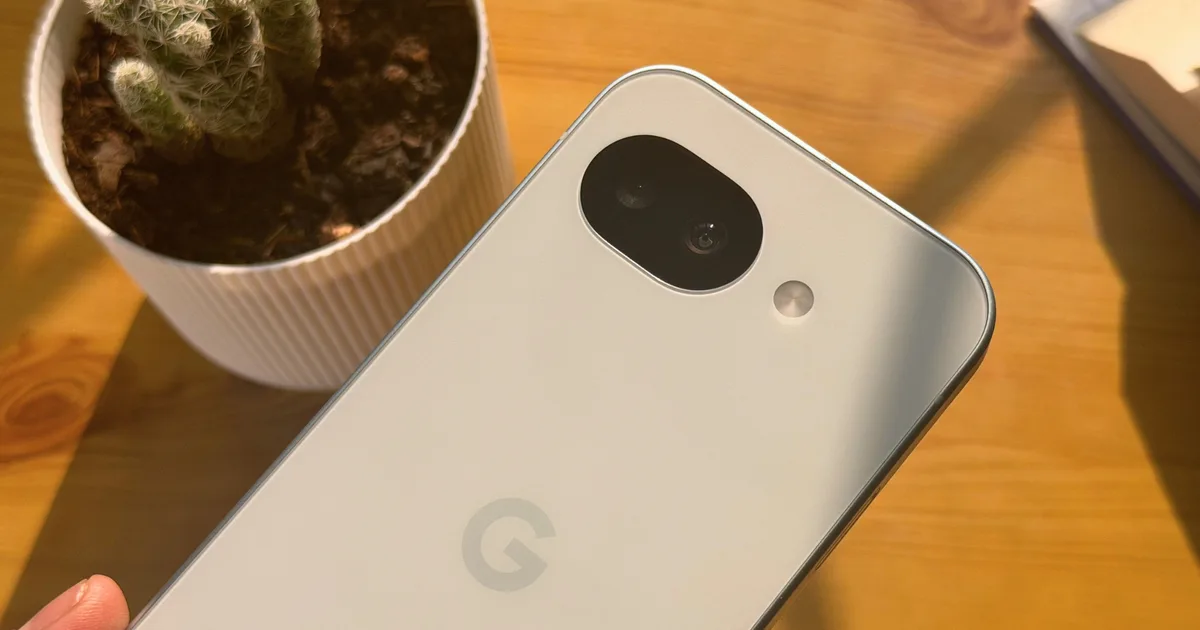
Putting the Tensor G6 chip into the Pixel 11a does more than make benchmark charts look nice; it changes what buyers can expect from a mid-range smartphone. The 11a is said to share this processor with the main Pixel 11 lineup, backed by a PowerVR C‑Series GPU, the Titan M3 security chip, and 8GB of RAM. That means AI-heavy camera tricks, on-device transcription, and Google’s software experiments should behave the same whether you spend more or less on a Pixel.
The bigger story, though, is connectivity. The Pixel 11a is tipped to ship with MediaTek’s M90 modem, as Google continues its move away from Samsung Exynos modems that have long been blamed for signal drops and battery drain. According to one report, “Pixel owners have complained about weak reception, dropped connections, and excessive battery drain for years.” A new modem does not guarantee perfection, but it finally gives Google a credible path to fix the Pixel line’s most persistent hardware flaw.
Display, Camera, and Battery: Smart Trade-Offs, Not Cheap Shortcuts
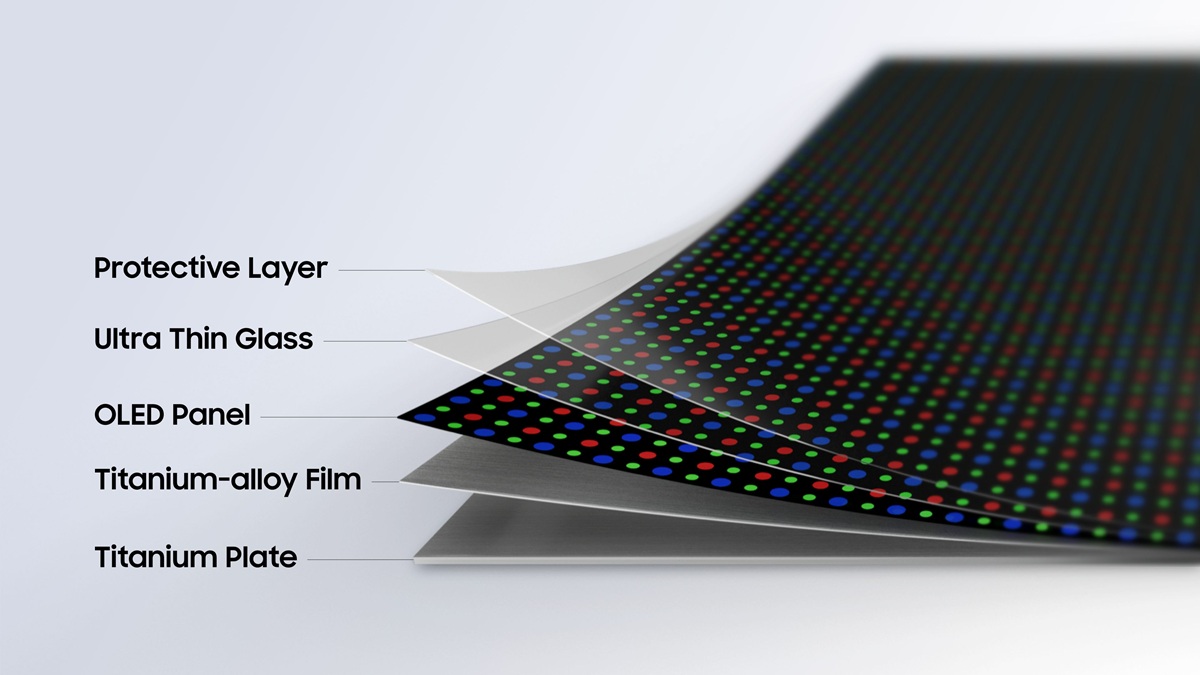
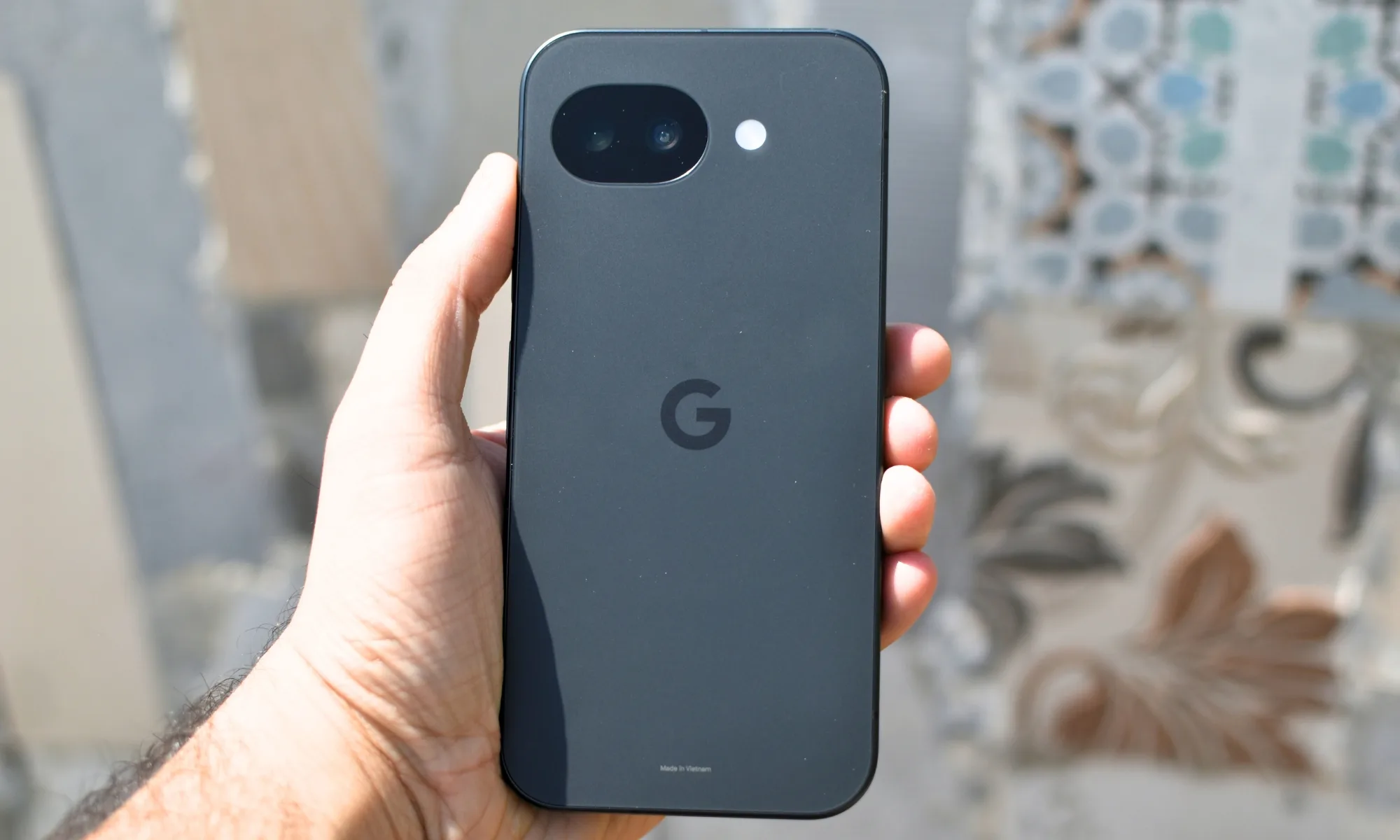
On paper, the Pixel 11a specs read like a device that knows exactly where to spend its budget. The phone is expected to keep a 6.3‑inch AMOLED panel with a 1,080 x 2,424 resolution and a variable 60–120Hz refresh rate, but with a major boost to brightness: up to 2,250 nits in HDR and 3,350 nits peak. That should make the screen noticeably easier to see outdoors, something mid-range buyers feel every day but spec sheets often hide.
Camera hardware is not radically overhauled, but the leak notes a redesigned front-facing sensor codenamed “dokkaebi,” indicating Google still treats selfies and video calls as first-class features on this tier. The only apparent downgrade is a small drop in minimum battery capacity, from 5,000mAh on the Pixel 10a to 4,870mAh on the 11a. However, the more efficient Tensor G6 architecture is expected to offset that loss. This is the kind of compromise that makes sense: you trade a marginal battery number for better efficiency and modem behavior, instead of sacrificing performance or connectivity again.
Positioning and Timing: A Mid-Range Phone Aiming Above Its Class
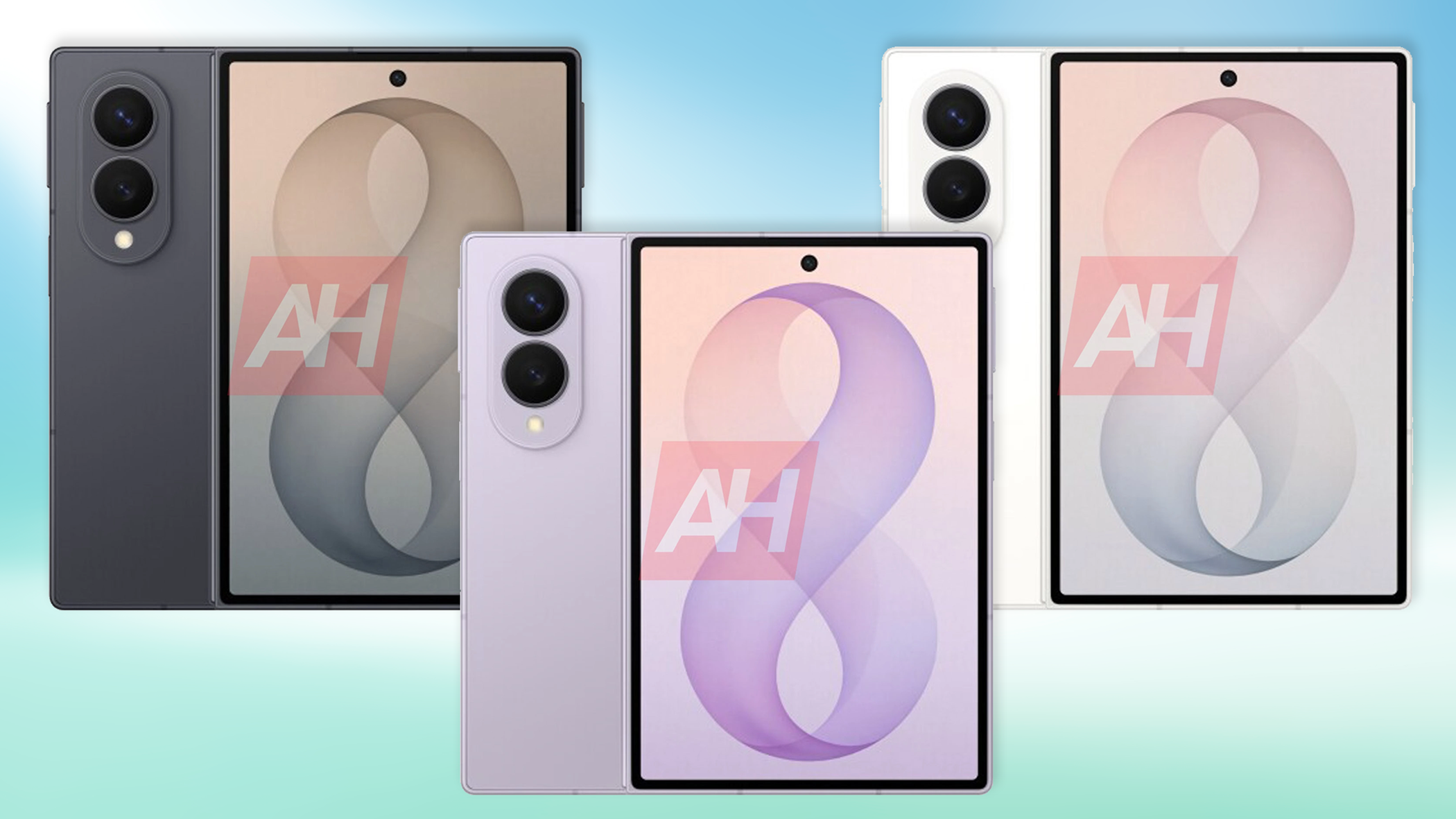
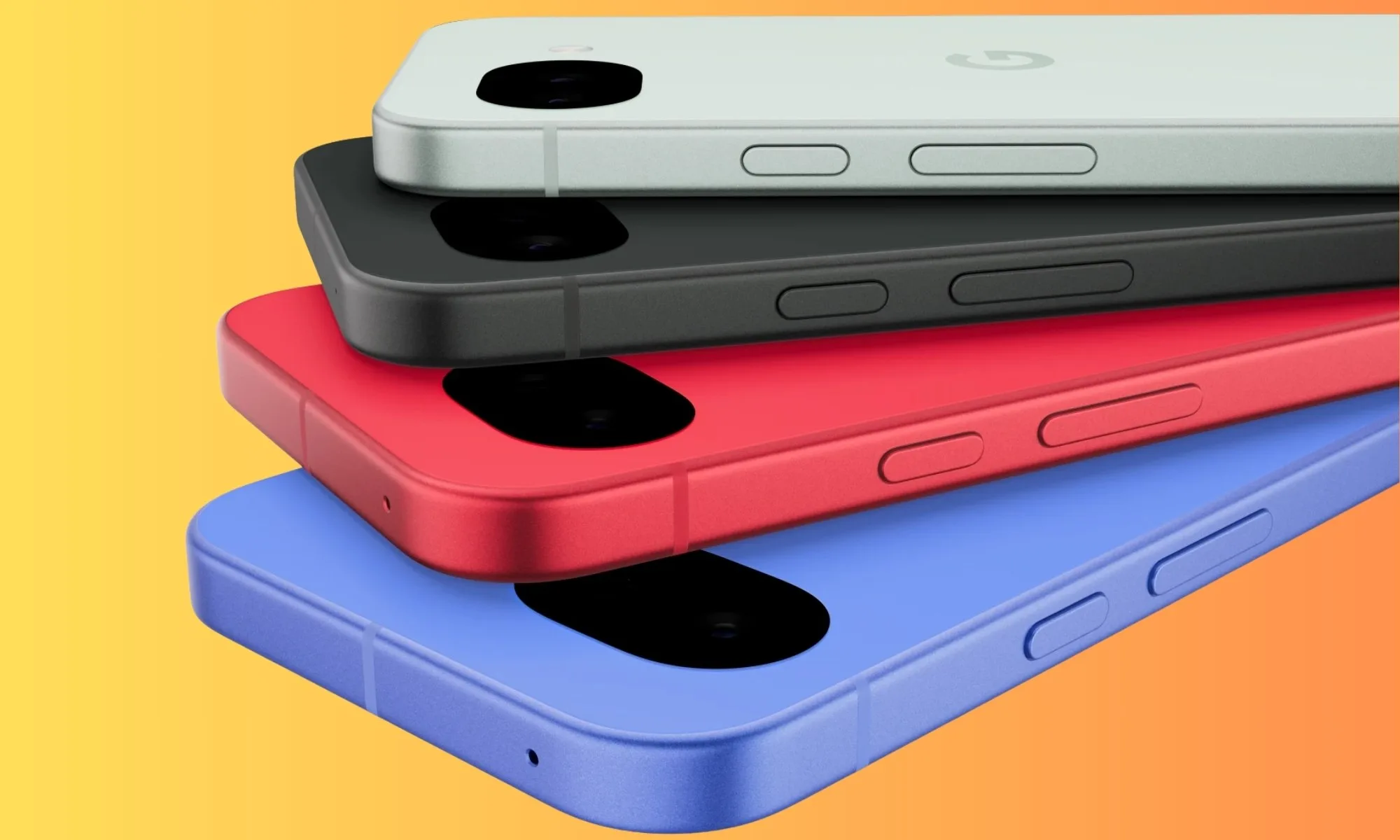
Timing matters as much as hardware. The main Pixel 11 series is less than a month away, with an event already set for August 12, where multiple Pixel 11 models and improved Face Unlock are expected. The Pixel 11a, by contrast, is tipped for a later spring 2027 debut, arriving as a follow-up once the flagship dust has settled. When it lands, it is planned to ship in three variants across different regions and in four colors: Obsidian, Fog, Olive, and Frost.
Launching the Pixel 11a in spring positions it ahead of many rival mid-range refreshes, giving Google a window where a phone with a flagship processor and improved modem can dominate conversations about value. It also hints at a longer roadmap: the same leak says design work for the Pixel 12a, codenamed “marmoset,” is already underway. In effect, Google is turning the a‑series into a predictable anchor in its lineup, not an afterthought that borrows old chips when convenient.
Conclusion: A Mid-Range Pixel That Finally Stops Apologizing
If these leaks hold, the Pixel 11a could be the moment Google’s mid-range strategy grows up. A Tensor G6 chip, a MediaTek M90 modem, a brighter 120Hz display, and a refined front camera move the phone from “budget flagship-lite” to “flagship where it counts.” Yes, the battery number ticks down, but in exchange you gain efficiency and a chance at better reception—two upgrades that change daily use far more than an extra sliver of capacity.
The broader message is clear: Google is finished recycling old silicon in its a-series. Instead, it is betting that giving mid-range buyers flagship power and reliable connectivity is the way to stand out against premium rivals. If Google can deliver on modem stability and continue improving biometrics, the Pixel 11a will not just be a cheaper Pixel 11; it will be the Pixel most people should buy.