
A Flip-Phone Hinge That Makes Smartphone Gaming Feel Handheld Again
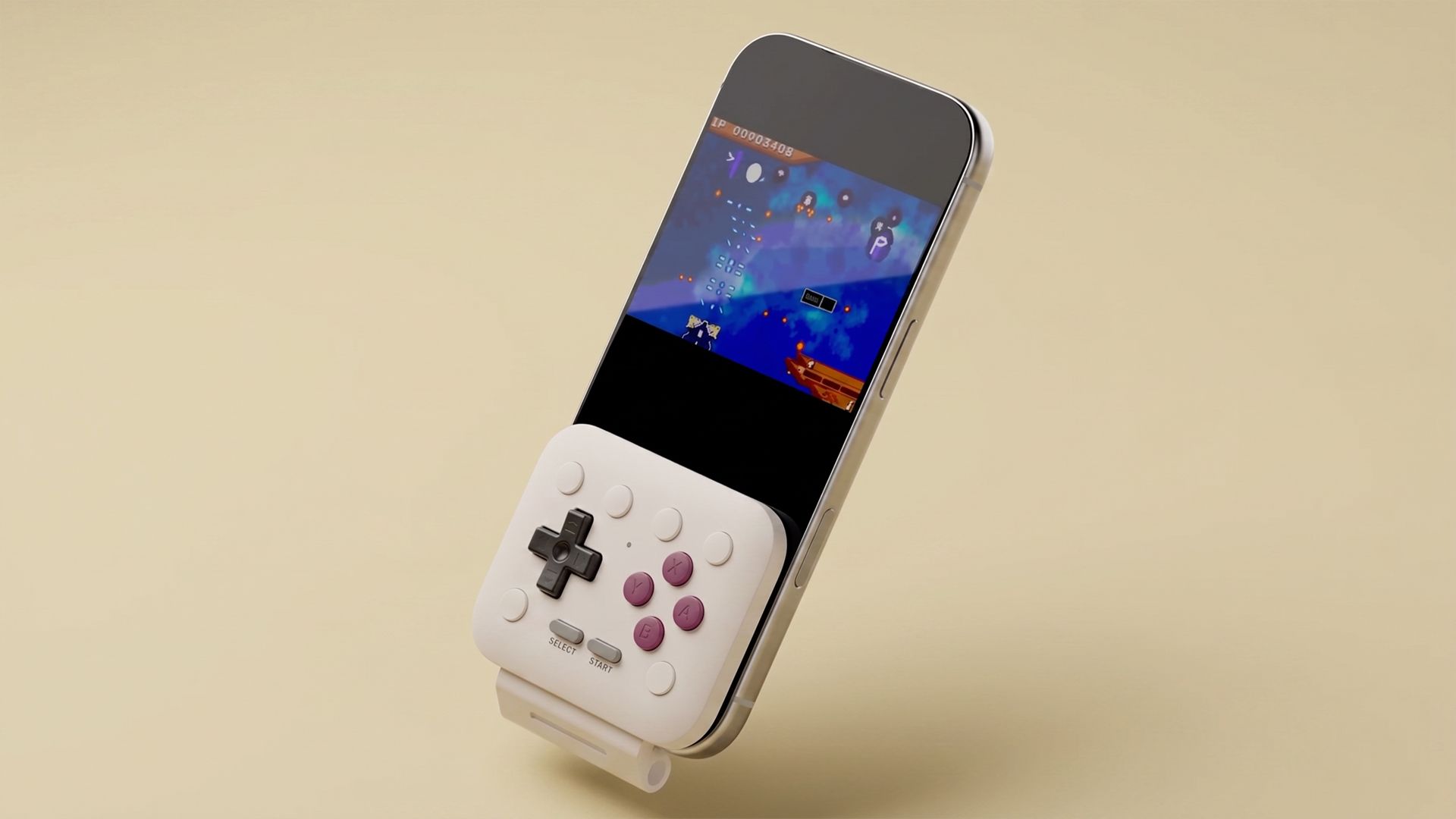
The 8BitDo FlipPad is a smartphone gaming controller that clips to the bottom of your phone, using a retro flip phone design and USB-C connection to turn modern iOS and Android devices into compact handhelds tailored for portable game emulation. That is the real appeal: instead of another flat Bluetooth pad, you get something that behaves like a tiny Game Boy add-on. The hinge lets the controller fold down when you want full-screen use, then swing back up to deliver D-pad and face buttons as soon as you launch a classic platformer or RPG. For anyone tired of juggling clamp mounts or awkward grip shells, this is a rare case where nostalgia directly improves practicality.
Design: Nostalgic Flip, Modern Ports, Proper Buttons
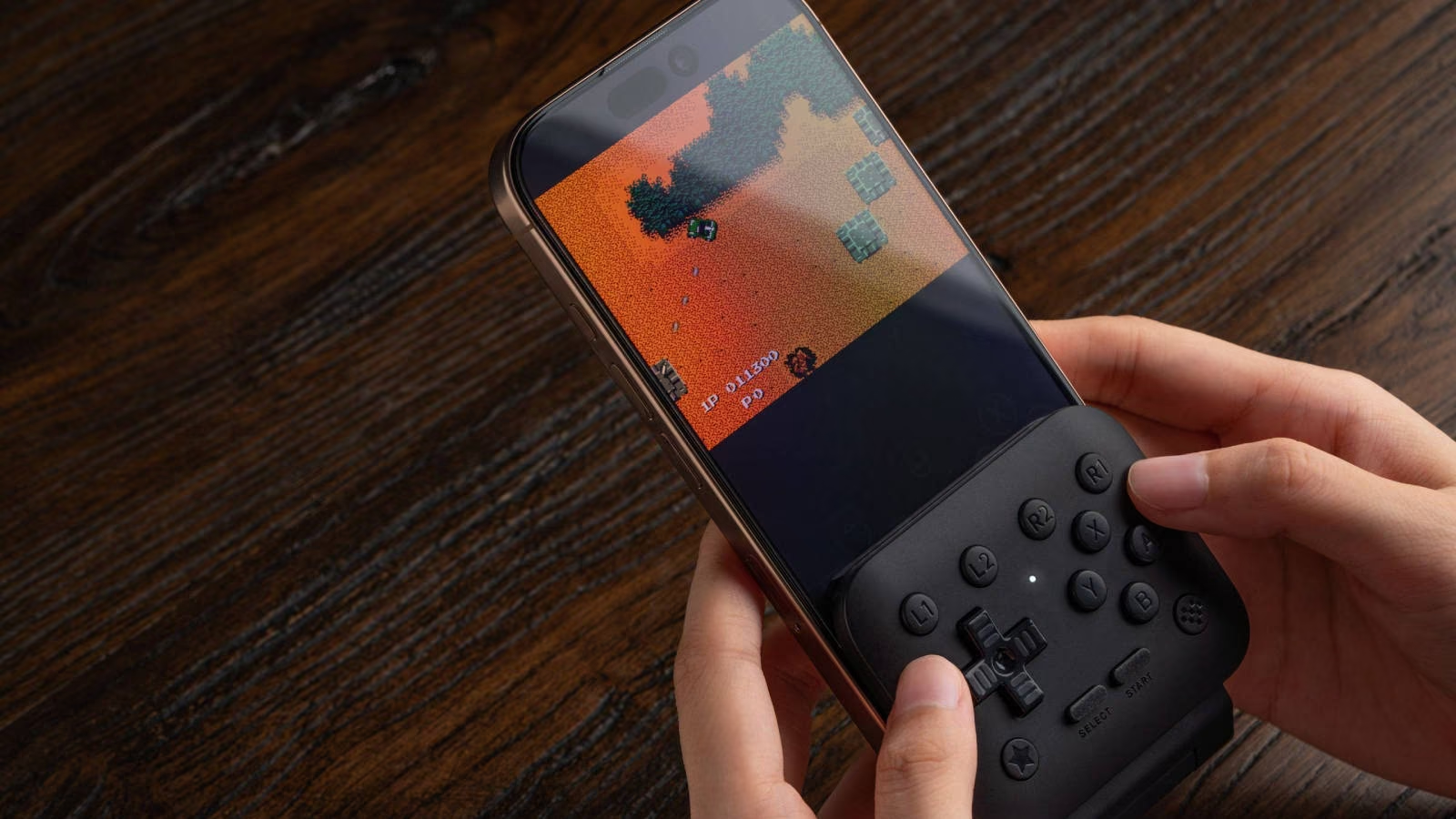
The FlipPad leans aggressively into nostalgia by using a hinge reminiscent of classic flip phones from the 90s, rated for over 6,000 open and close cycles. It wraps around the bottom of your phone, adding a D-pad and main buttons along with L1/R1 and L2/R2 on the front panel, acting as bumpers and triggers for more advanced systems. Unlike many wireless pads, it connects via USB-C rather than Bluetooth, promising lower latency that suits twitch-heavy retro platformers and action games. According to Retro Game Corps, the controller can flip down so you can use the full phone screen without removing it, a small but vital detail for day-to-day practicality. At 31.5 grams and measuring 96.5 × 29 × 102.5 mm, it is light and pocketable enough to live in your everyday carry without feeling like a second handheld console.
Price, Pre-Orders, and Platform Support
Where FlipPad gets bold is in how accessible it aims to be. Pre-orders opened with a price of about USD 29.99 (approx. ₱1,700), or about $30 (around £22), placing it below many competing compact controllers. That matters because this is not a luxury gadget; it is a gateway for curious players to dip into handheld-style retro gaming without buying a dedicated console. According to Retro Game Corps, pre-orders began around mid-July, with shipments planned from July 30, aligning with 8BitDo’s own expectation to start shipping at the end of July. Compatibility is sensibly narrow but modern: iOS 16.2 and above, and Android 13 and above. You are clearly meant to pair it with the phone you already own, fire up your preferred emulation apps, and let the hardware fade into the background as the games take over.
Who FlipPad Is For—and Where It Falls Short
Why It’s Exciting
- Ideal for players running emulation software on their phones who want physical Game Boy-style controls.
- USB-C connection reduces latency compared with typical Bluetooth smartphone gaming controllers.
- D-pad-centric layout suits Game Boy, Game Boy Color, SNES, and 16-bit era systems.
Where It’s Limited
- You must provide your own emulators and ROMs; nothing is included onboard.
- No thumbstick, so 3D games and twin-stick shooters are poorly suited.
- Recommended to stick to games playable on the top half of the phone screen, which can limit UI-heavy titles.
FlipPad is unapologetically targeted at retro gaming fans who want their phone to feel more like a classic handheld than a streaming box. If your library leans toward Game Boy, SNES, or other D-pad-first systems, it hits a sweet spot of portability and control. If you live in modern 3D games or rely heavily on thumbsticks, it will feel constrained. There is a deliberate trade-off here: the design favors era-specific authenticity over all-purpose coverage. That clarity is a strength, but buyers should treat it as a specialized tool, not a universal replacement for full-size gamepads.
Why FlipPad Matters for the Future of Phone-Based Retro Play
The most persuasive thing about the 8BitDo FlipPad is not a single spec; it is the idea that smartphone gaming hardware can embrace character again. Instead of yet another generic slab, you get a playful, flip-phone inspired hinge that invites you to open and close it like a tiny clamshell console. It shows that the path to better portable game emulation is not always more power or more buttons, but smarter shapes that fit how we actually use our phones. By keeping the price down and the footprint small, 8BitDo turns nostalgia into something accessible rather than purely collectible. If more accessories follow this lead—purpose-built, opinionated, and affordable—your smartphone could become the most flexible retro machine you own, without ever ceasing to be a phone.