
Profitless Growth: When Record Flagship Sales Still Hurt
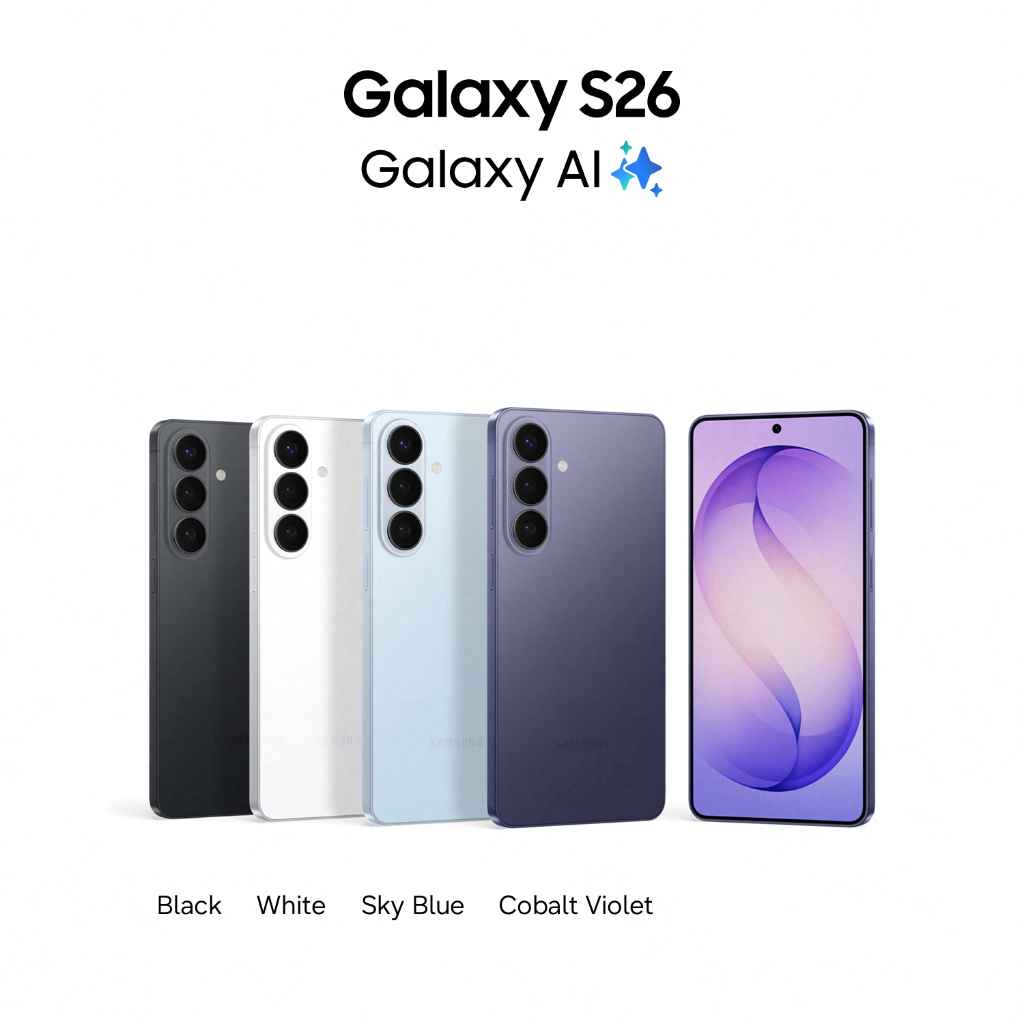
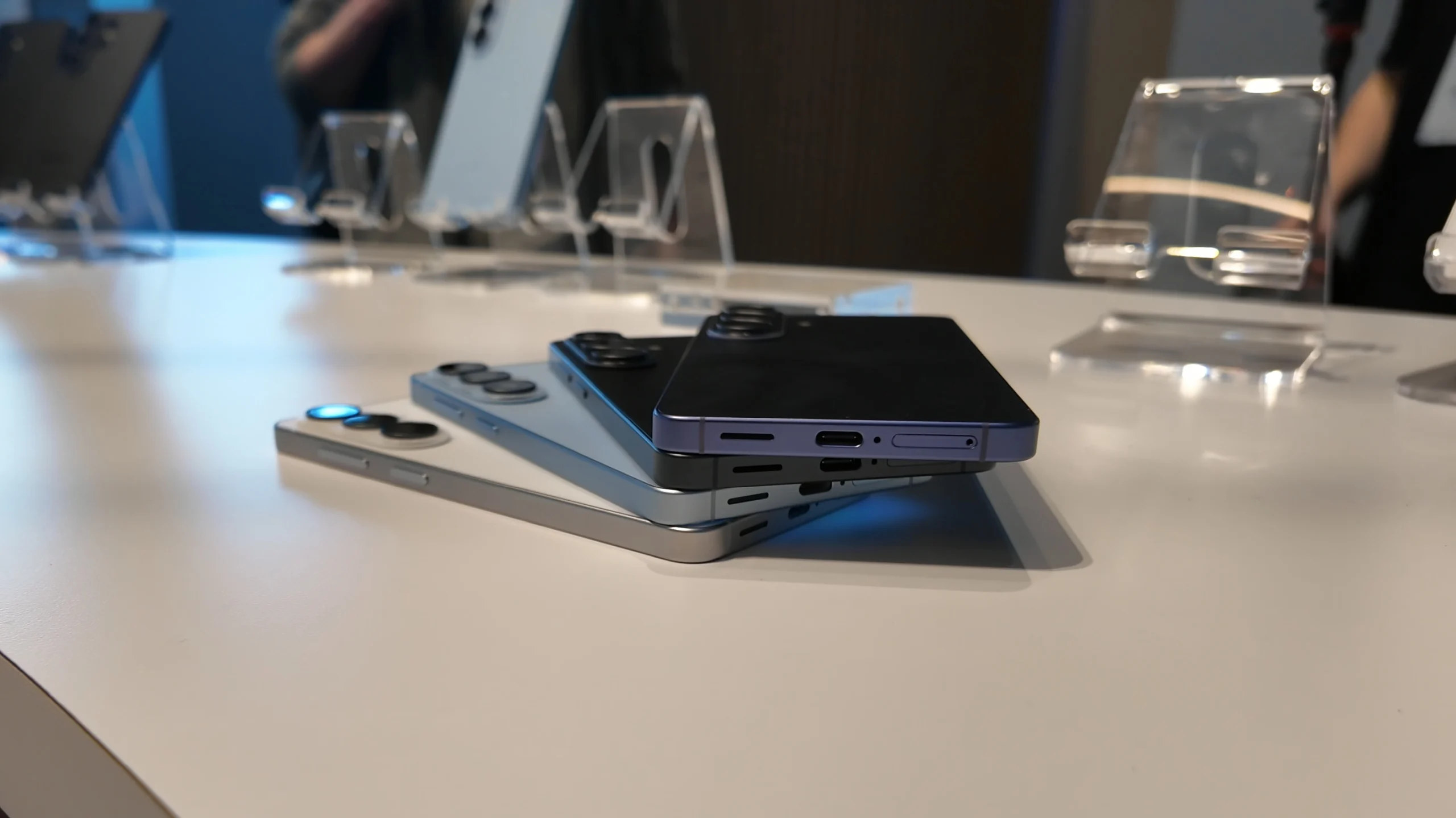
The smartphone profitability crisis is a widening gap between healthy sales of premium devices and shrinking or negative margins, driven by soaring memory chip prices and intensifying supply chain pressure that together decouple shipment growth from sustainable profit. This gap is now impossible to ignore. Samsung’s mobile division, Samsung MX, may post its first-ever quarterly loss even as the Galaxy S26 delivers strong sales. Analysts estimate earnings for the unit could swing from a profit of KRW 1.9 trillion to a loss of KRW 1.5 trillion. Most forecasts cluster between a modest profit of KRW 500 billion and a loss of KRW 1 trillion, underlining how fragile smartphone margins have become. The uncomfortable truth: unit growth no longer protects premium brands from component inflation. In this environment, pricing power and cost control matter more than headline shipment numbers.
How Memory Chip Prices Broke the Old Smartphone Math
The main villain in Samsung’s looming loss is not weak demand; it is memory. The potential loss at Samsung MX is “a direct result of the astronomical rise in memory chip prices”. RAM in an USD 800 (approx. ₱44,800) phone has jumped from 14% to 23% of the bill of materials, while NAND flash now eats up to 15%. Those are margin-killing shifts in a mature market where retail prices cannot climb as fast as component costs. Analysts say “the rising memory chip prices are eating away at Samsung's profits”, and the pain is not limited to one brand: this same cost surge “has put intense pressure on all smartphone brands”. In other words, the classic formula—add more storage and RAM, raise the price a little, bank the difference—has stopped working. Memory suppliers are capturing the upside that smartphone makers once kept.
Huawei’s Contrarian Bet: More Shipments in a Squeezed Market
Against this backdrop, Huawei is taking the opposite path: increasing exposure instead of retreating. It plans to boost smartphone shipments by 20% or more this year, aiming to sell over 60 million units as it ramps up both chip and phone production. This is happening “amid the rising cost of components and memory chips,” which has pushed other Android brands such as Honor, OPPO, vivo, and Xiaomi to cut shipment targets for the year by 15–30%. Memory shortages and high component prices are “constantly holding brands back from growth,” but Huawei “is making efforts to bring breakthroughs in its smartphone and chipset segments regardless of unfavorable conditions”. Instead of protecting margins by scaling back, it is doubling down on volume and vertical integration. That is a high-risk, high-reward move: if it controls enough of its component stack, expanded shipments could translate into far better bargaining power than more cautious rivals enjoy.
Decoupling Profits from Volume in the Premium Tier
Samsung’s experience makes the broader shift in the premium smartphone segment clear: profitability is decoupling from volume. The Galaxy S26 series has performed strongly, yet Samsung MX could still report a loss—the first quarterly loss in the division’s history. Even during the Note 7 battery crisis, the unit managed to stay in the black. The difference now is structural cost pressure, not a one-off scandal. Memory component shares in an USD 800 (approx. ₱44,800) device—23% for RAM and 15% for NAND—leave far less room to fund marketing, distribution, and R&D without sacrificing margins. This is why some analysts now talk about a smartphone profitability crisis rather than a demand crisis. Premium brands can sell millions of high-end phones and still watch earnings slide if they lack differentiated silicon, proprietary software ecosystems, or services that generate money beyond the initial hardware sale.
Strategic Divergence: Who Wins the Next Phase of the Smartphone Business?
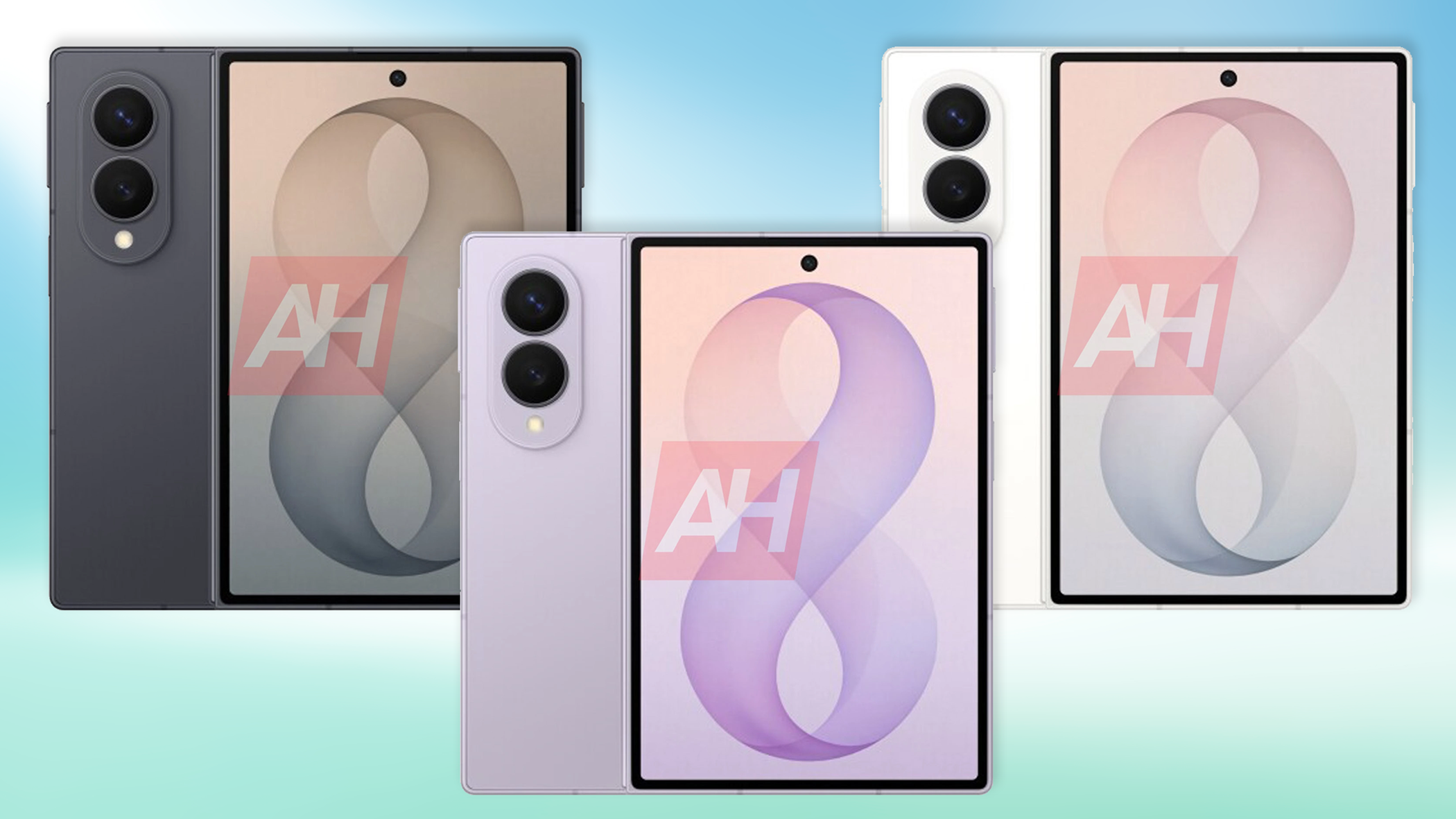
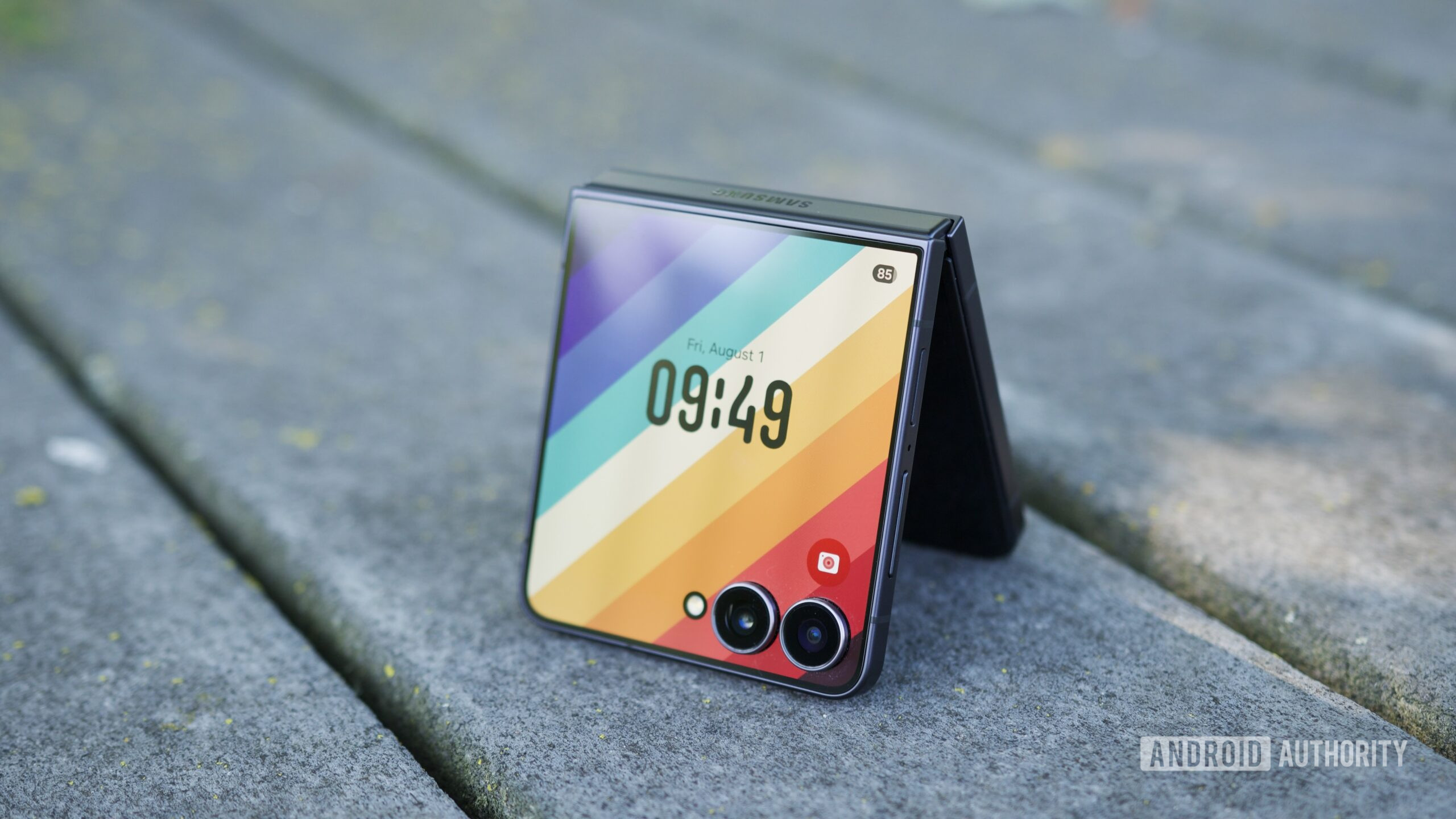
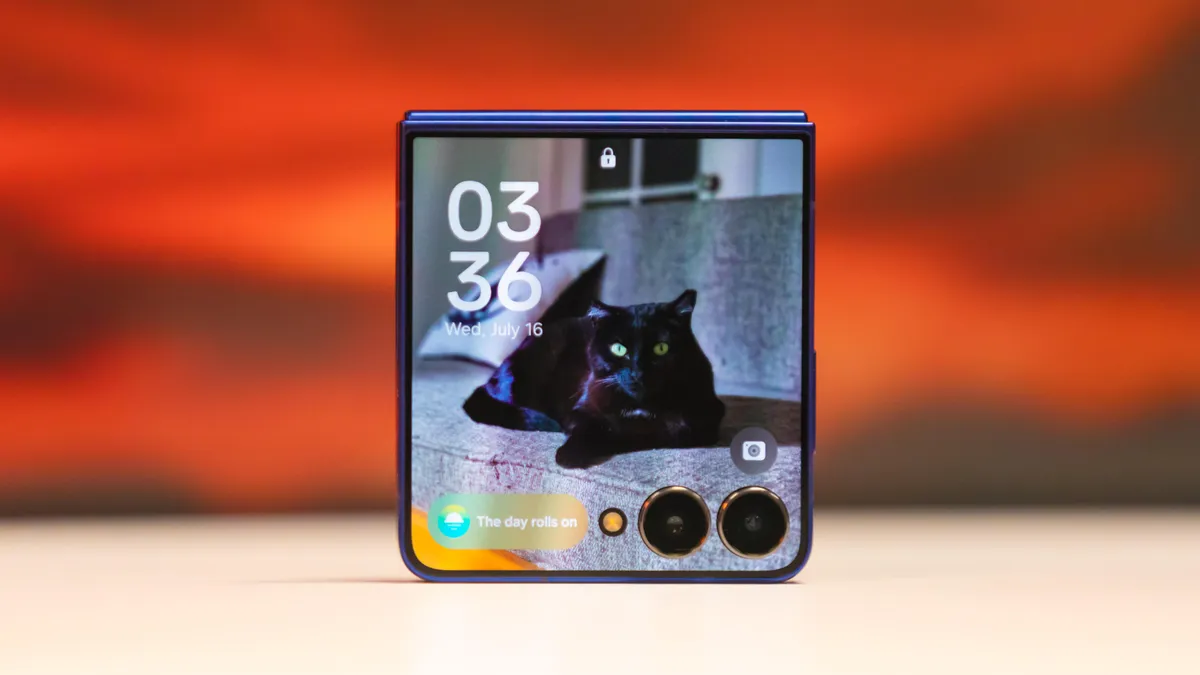
Facing this new reality, Samsung is trying to rewire its cost base. To mitigate rising prices, it is diversifying its supply chain for upcoming phones, including a split approach on the Galaxy Z Flip 8: Qualcomm Snapdragon chips in some markets and its own Exynos 2600 elsewhere. It is also expanding its foldable lineup from two models to three, hoping a broader portfolio can better spread fixed costs and attract higher-margin niches. Huawei, in contrast, is chasing scale, planning more than 20% shipment growth while many competitors pull back. Both strategies are responses to the same supply chain pressure; both accept that component vendors now command more power than before. The likely winners in this phase will not be those who sell the most phones, but those who reshape their supply chains fast enough to turn expensive memory into a manageable cost instead of an existential threat.