
Qi2 Magnetic Charging on Android: From Niche to Expectation
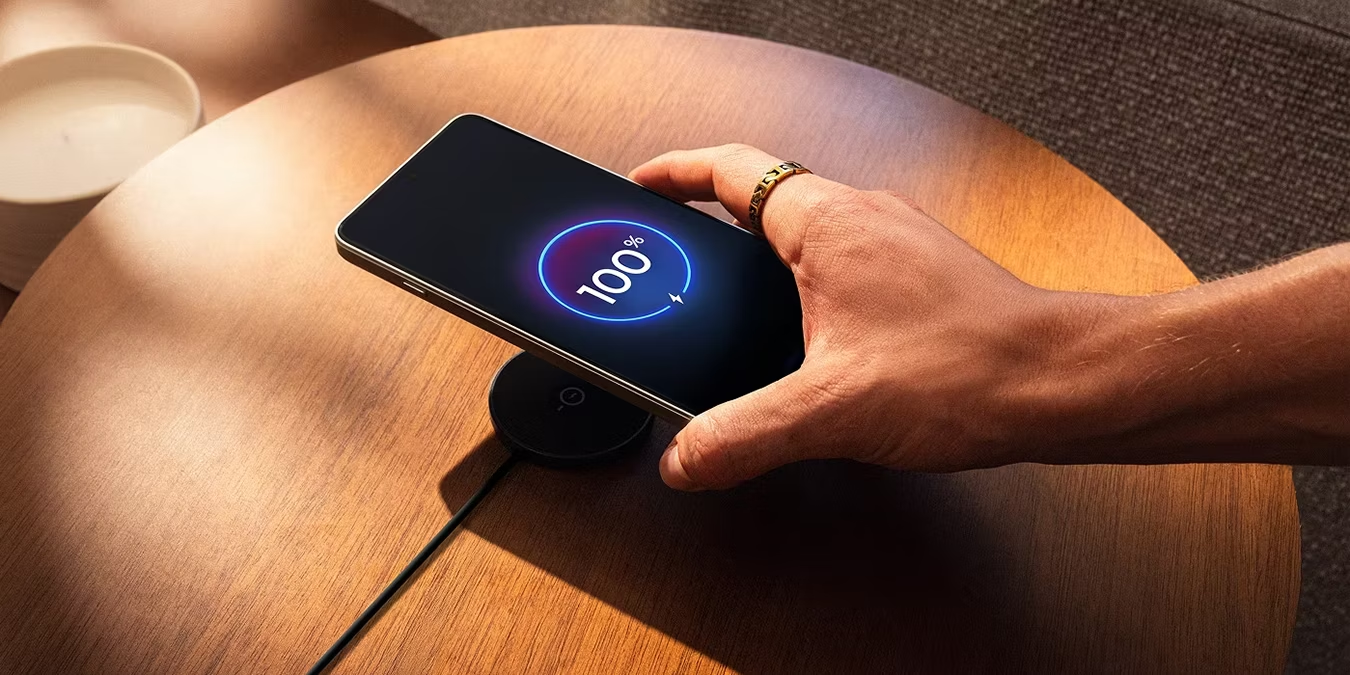
Motorola Qi2 magnetic charging on the Edge 70 Max is a built-in ring of magnets around the wireless charging coil that locks Qi2 chargers in place, enabling faster, more reliable Android wireless charging alignment without extra magnetic cases or stick-on rings, turning a formerly niche feature into a practical daily convenience for magnetic charging phones.
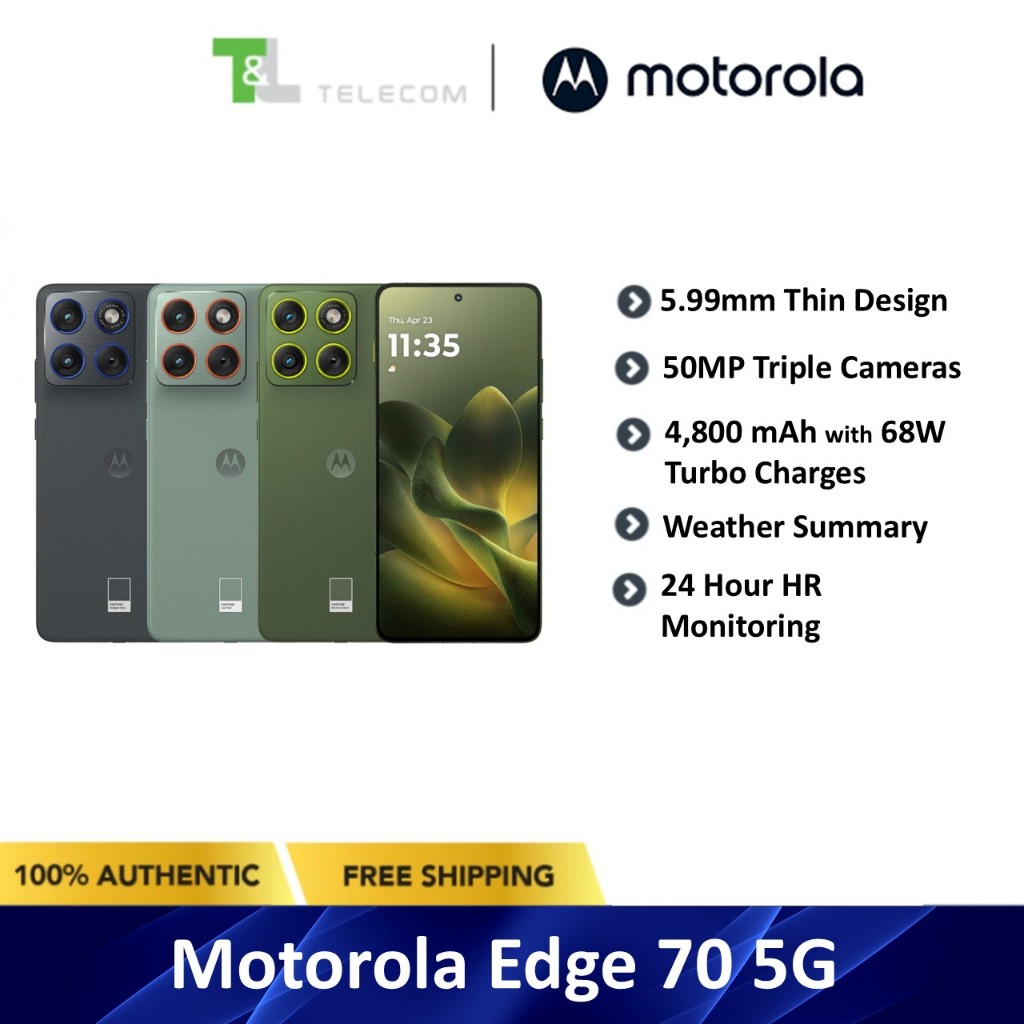
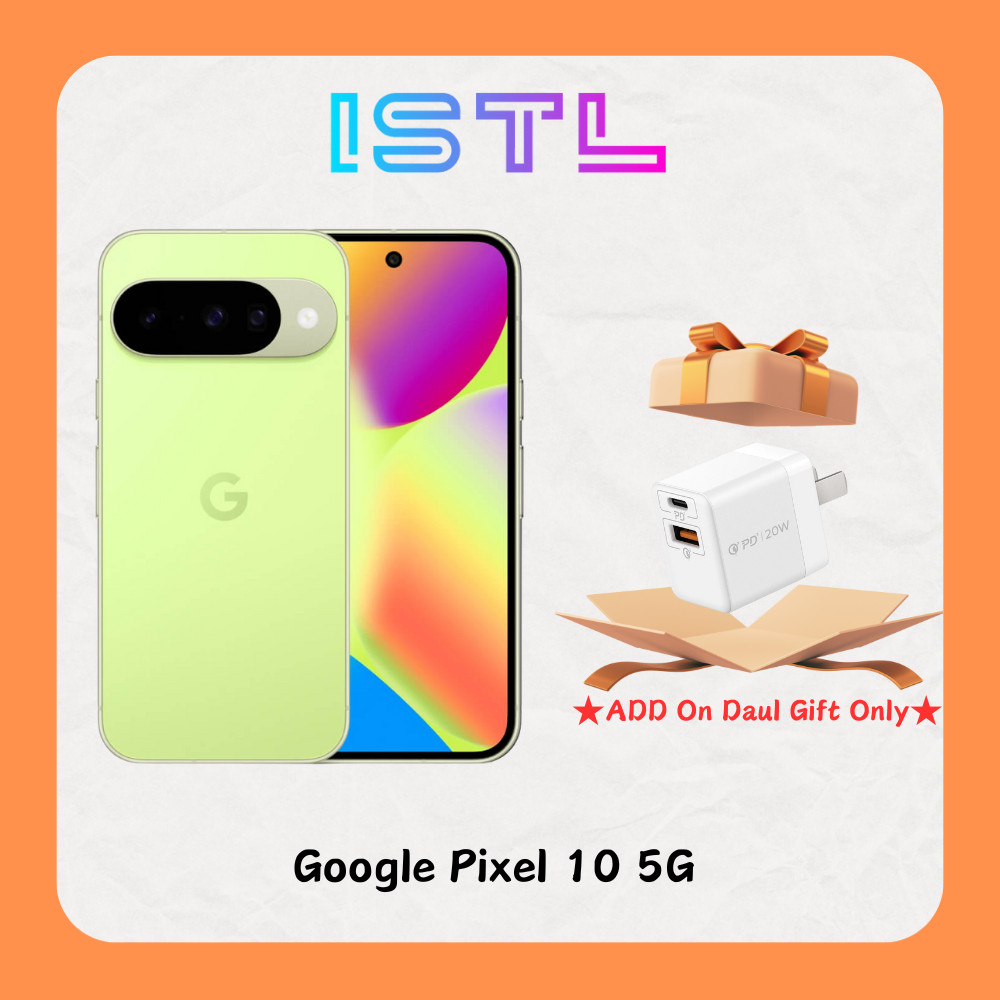
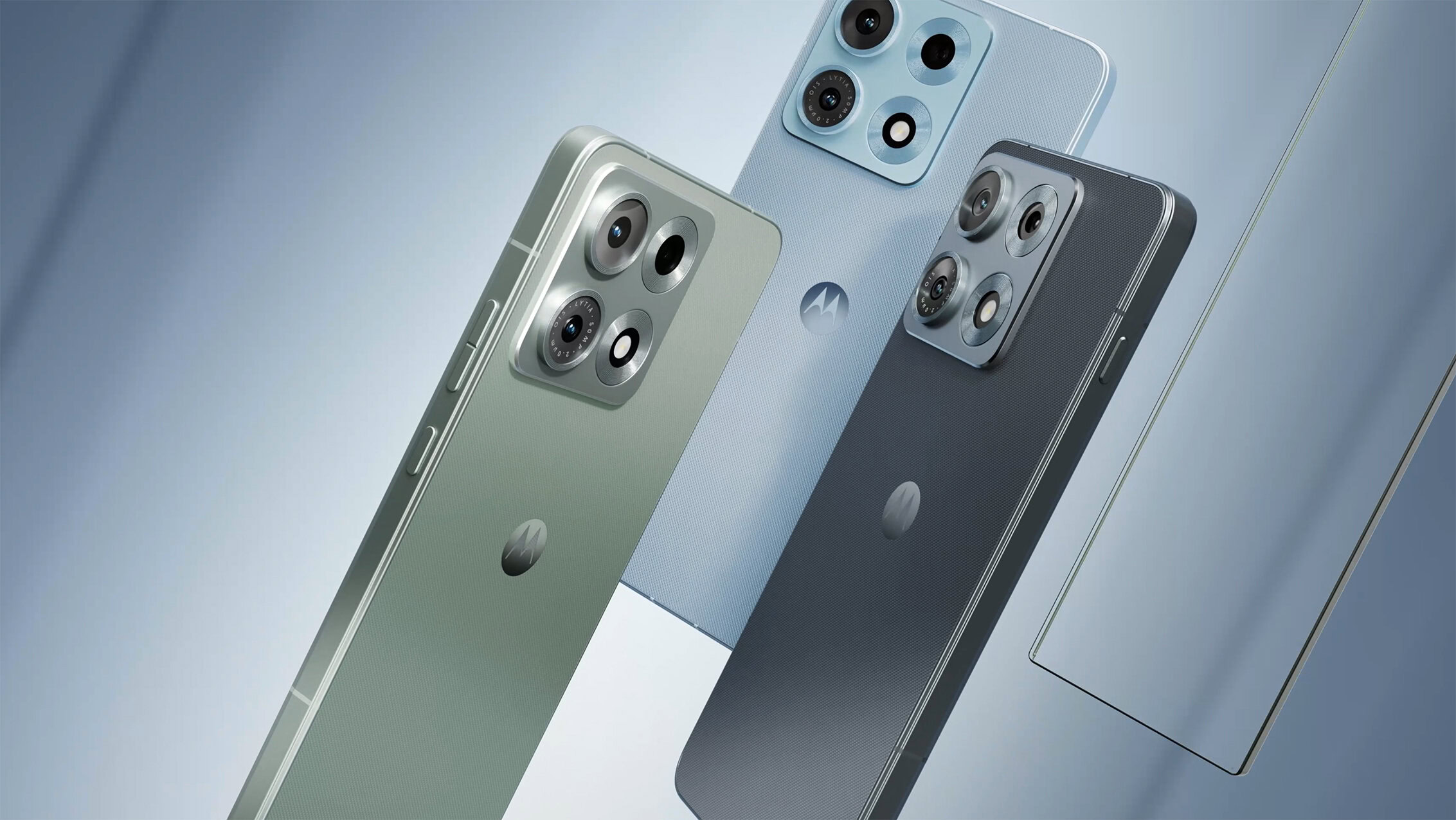
Motorola has launched the Edge 70 Max, a step-down flagship powered by Snapdragon 8 Gen 5, and its most important feature is unapologetically clear: real Qi2 magnets under the glass. Until now, Google’s Pixel 10 series was the only mainstream Android line with native Qi2 support, while most rivals hid behind "Qi2 Ready" labels that still required magnetic cases. Motorola’s move is more than a spec bump. It signals that magnetic charging on Android should no longer feel like an experiment reserved for one brand’s ecosystem.
Why Built‑In Qi2 Magnets Matter More Than Marketing Labels
Most Android phones that promise magnetic wireless charging secretly rely on one extra piece: a special case with magnets baked in. That design punts responsibility to accessory makers and leaves users juggling compatibility charts. The Motorola Edge 70 Max skips that step, putting the magnets where they belong—in the phone—so its headline feature is built‑in Qi2 magnets with no case required. That is the difference between a standard that lives on spec sheets and one that changes how you charge every day.
With real magnets built into the frame, you can snap on a wireless charger, a car mount, or a magnetic wallet right out of the box, without shopping for a compatible case or worrying whether a stick‑on ring will peel off over time. Motorola itself leans into this practical angle, promising that 25W Qi2 magnetic wireless charging delivers “no cables, no clutter” and fast, routine charging. It is a quiet rebuke to every Android brand that treated Qi2 as a logo instead of a lived experience.
The Edge 70 Max: A Serious Phone, Not a One‑Trick Charger
Qi2 would be a lot less interesting if it arrived on a forgettable device, but the Motorola Edge 70 Max is not a gimmick phone. It pairs its 25W Qi2 magnetic wireless charging with a 7,100mAh battery, Motorola’s largest yet in this series, plus 90W wired charging for those times you do reach for a cable. That battery size beats what you get in many current Android flagships, meaning less time tethered to any charger at all.
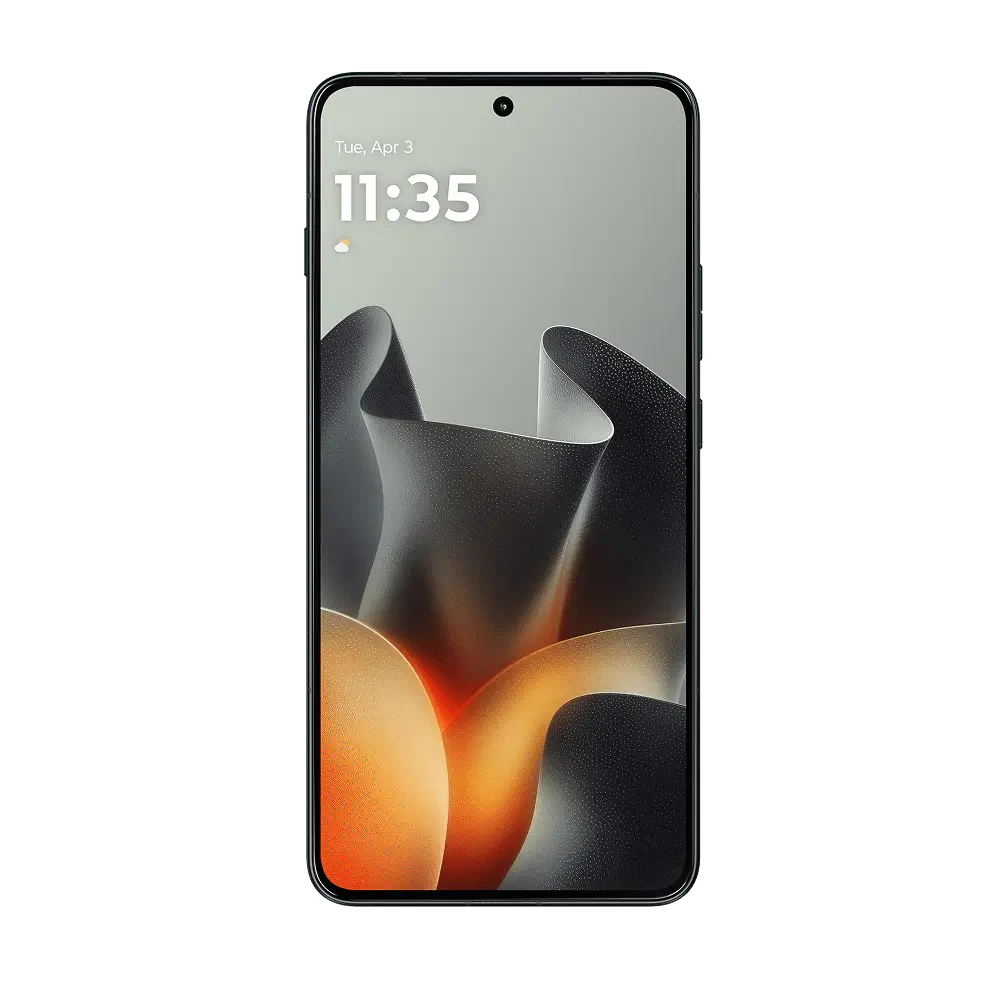
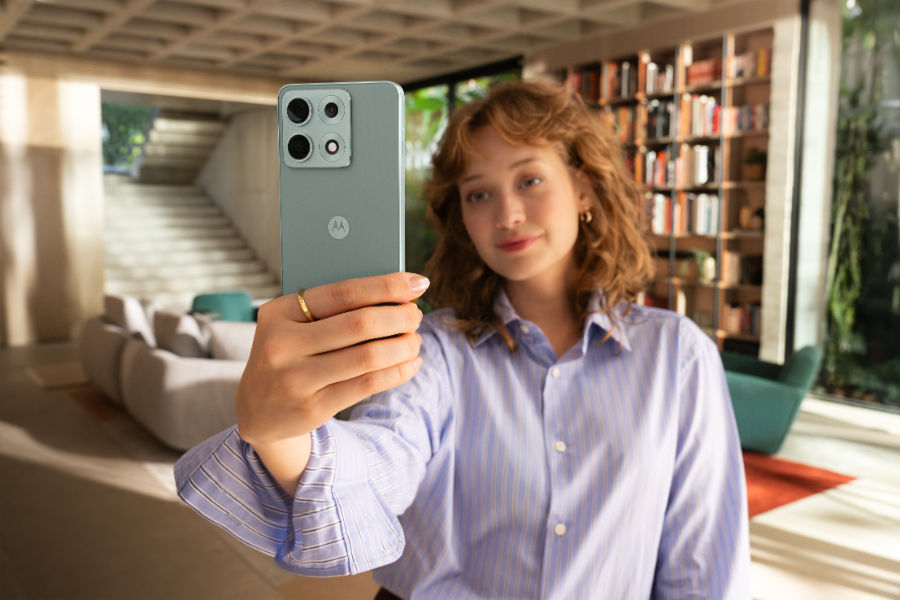
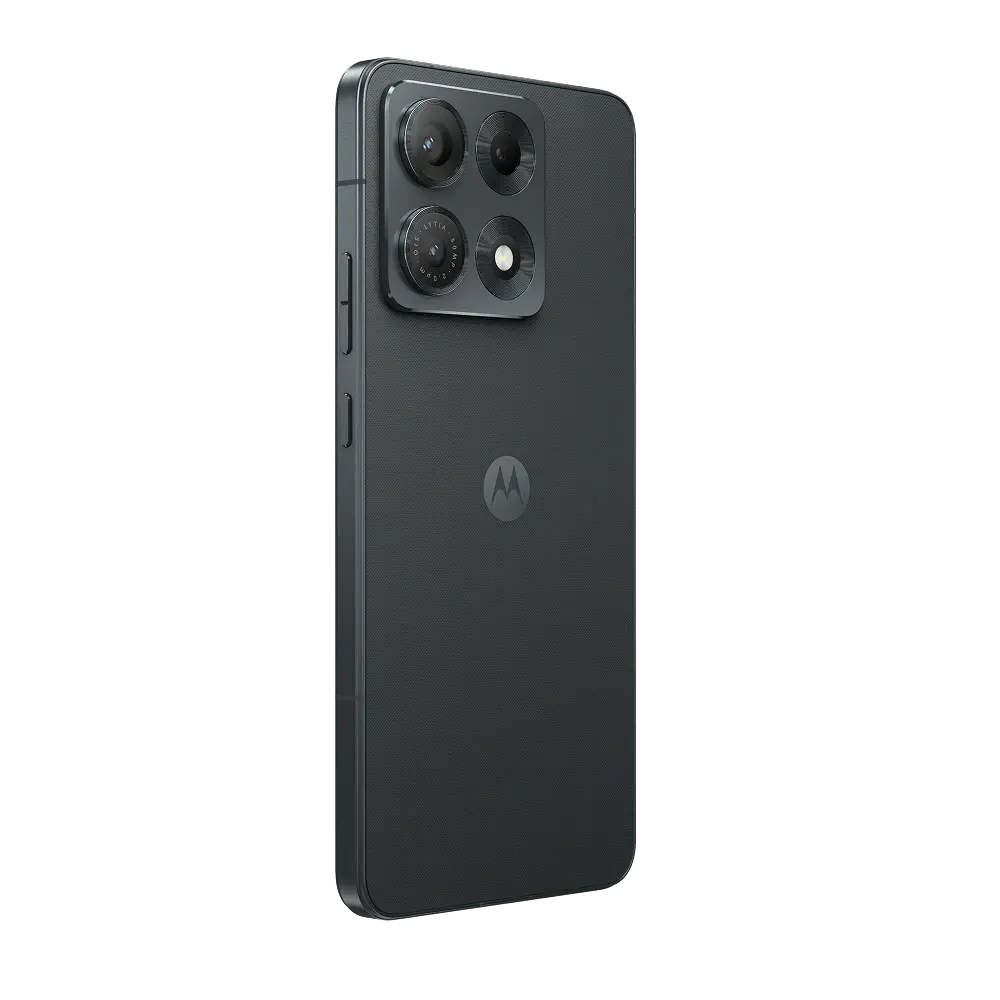
The rest of the hardware backs up the charging ambition: a 6.82‑inch Quad HD+ AMOLED display with a 144Hz refresh rate, 8GB of RAM, 256GB of UFS 4.1 storage, IP68/IP69 durability, and cameras built around a 50MP primary sensor, 8MP ultrawide, and 32MP selfie lens. According to one early spec rundown, the phone ships with Android 16 and promises multiple OS updates plus five years of security patches. In other words, this is a complete Android wireless charging flagship that happens to make magnets the star.
From Pixel and Skyline to an Emerging Qi2 Club
Motorola’s move matters because, until now, native Qi2 magnetic charging on Android was a tiny club. Only Google’s Pixel 10 series and the HMD Skyline offered case‑free magnetic charging before the Edge 70 Max joined them. Other big players leaned on the softer "Qi2 Ready" badge while still requiring an add‑on magnetic case, a bit like calling a phone "5G ready" when it cannot reach advertised speeds without extra hardware.
The Edge 70 Max is also the first non‑Pixel, non‑iPhone to fully support the latest Qi 2.2.1 standard under the MPP25 profile, enabling that 25W magnetic charging. That spec detail matters because it draws a clear line between previous half‑steps and full‑fat Qi2 implementation. Motorola’s Android wireless charging story is no longer about keeping up with other magnetic charging phones—it is about making them look late to their own party.
Conclusion: Users Should Start Expecting Magnets, Not Applauding Them
Despite the popularity of magnetic charging on rival platforms, Android manufacturers have been slow to adopt Qi2 in a meaningful way. Motorola’s Edge 70 Max shows how overdue that hesitation has been. Here, the benefits are obvious: cleaner nightstands, easier car mounting, more reliable alignment, and fewer accessory hoops to jump through.
The key takeaway is simple: magnetic charging phones on Android no longer need to feel experimental or brand‑locked. With a full Qi 2.2.1 implementation and 25W Motorola Qi2 magnetic charging baked into a capable flagship, the Edge 70 Max sets a new baseline for Android wireless charging. Users should stop treating magnets as a novelty feature and start demanding them as standard equipment on any phone that dares to call itself premium.