
Is Today’s GPU Market Worth Buying Into?
Today’s graphics card market is defined by AI-driven memory demand, volatile pricing, and a surprising return of older GPUs at aggressive deals, making real-time GPU price tracking essential for buyers who want solid gaming performance without overpaying in a distorted hardware economy. Right now, the headline news is clear: the RTX 3060 at its original MSRP and the AMD RX 9070 GRE’s first major discount are both worth a serious look for budget and mid-range builds. The RTX 3060 12GB has resurfaced at US retail at its February 2021 MSRP of USD 329 (approx. ₱19,000), and that old price suddenly makes sense again in a market where newer “budget” cards are constrained by VRAM. On the mid-range side, the RX 9070 GRE has dropped from a USD 549 (approx. ₱31,700) launch MSRP to an effective USD 499 (approx. ₱28,800) after a promo code, undercutting its main Nvidia rival.
In one quotable sentence: “The best budget GPU in 2026 seems to be the one made in 2021,” referring to the RTX 3060’s renewed value at its launch price. If you’re shopping today, the deal verdict is positive: these cards are not fire-sale anomalies, but logical buys in a market skewed by AI where paying extra for thin-VRAM newer models often makes less sense than choosing proven hardware with healthier memory buffers.
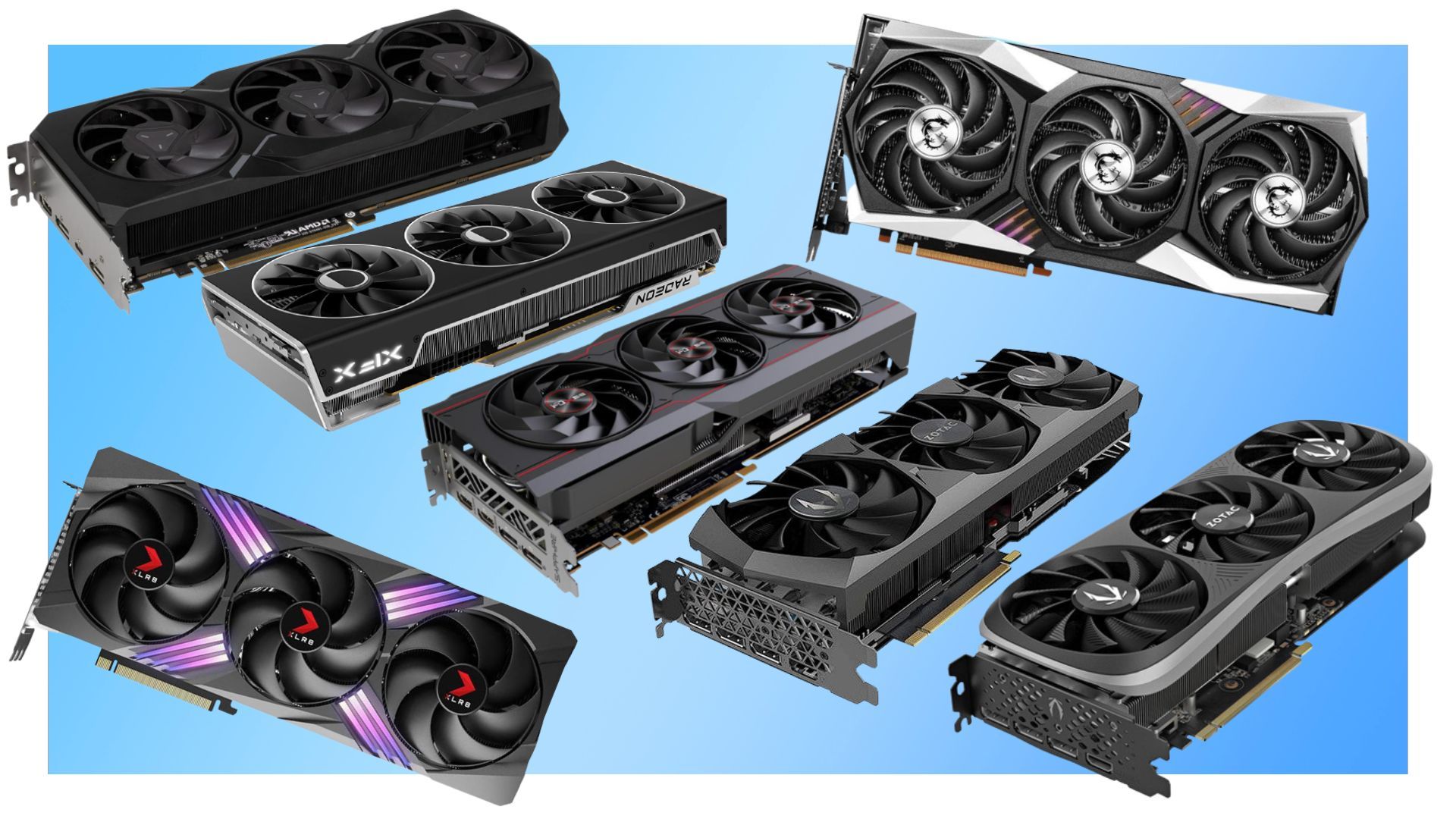
RTX 3060 Deals: Why a 12GB Ampere Card Still Makes Sense
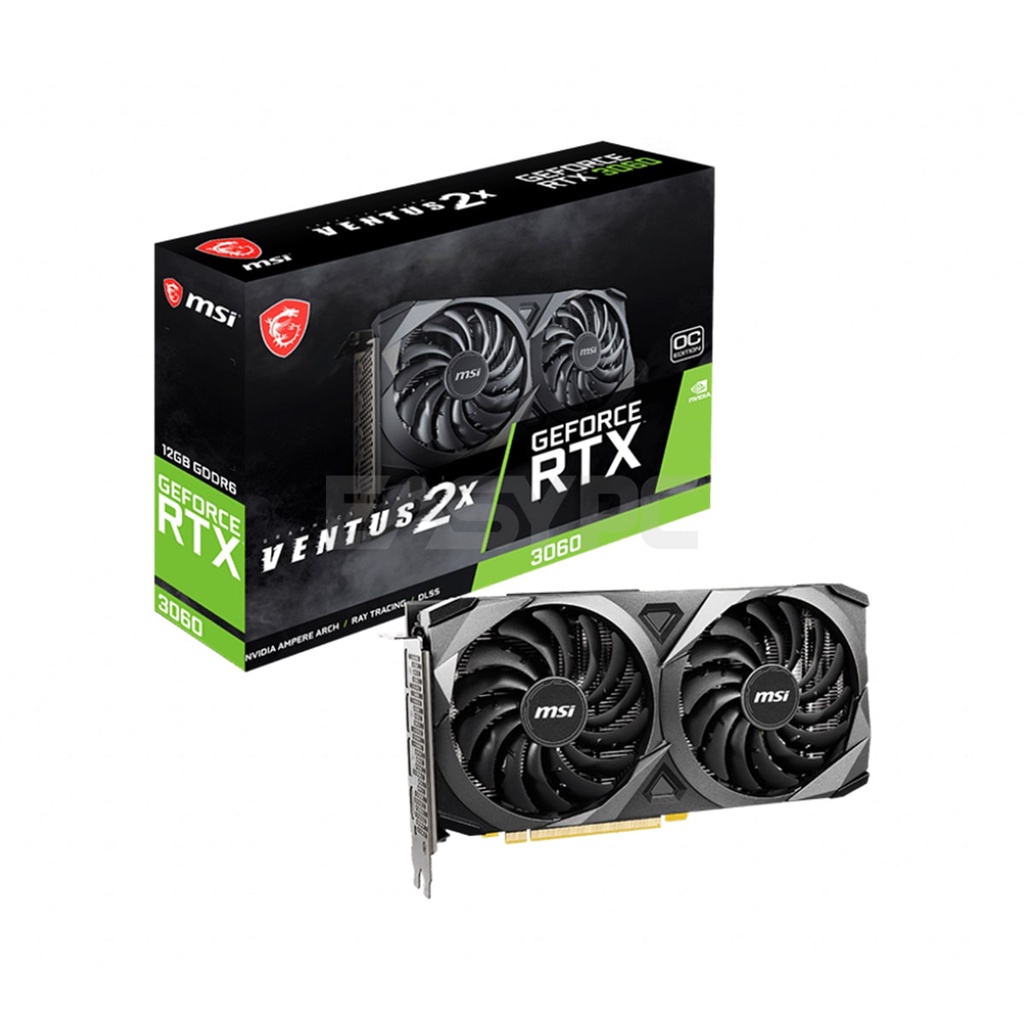
The Nvidia RTX 3060 12GB has reappeared at retail with the same USD 329 (approx. ₱19,000) MSRP it launched with in February 2021, and that price now looks competitive instead of dated. A new MSI Ventus RTX 3060 12GB listing at USD 329 (approx. ₱19,000) on Newegg puts this card back into the spotlight for budget graphics cards shoppers who care about VRAM and long-term usability. Built on the mature Ampere architecture and paired with GDDR6 memory, the 3060 belongs to a different cost structure than today’s GDDR7-heavy designs pushed for AI margins. It offers a 12GB buffer that modern 8GB-limited “budget” cards can struggle to match in newer AAA titles and mixed gaming-plus-creation workloads.
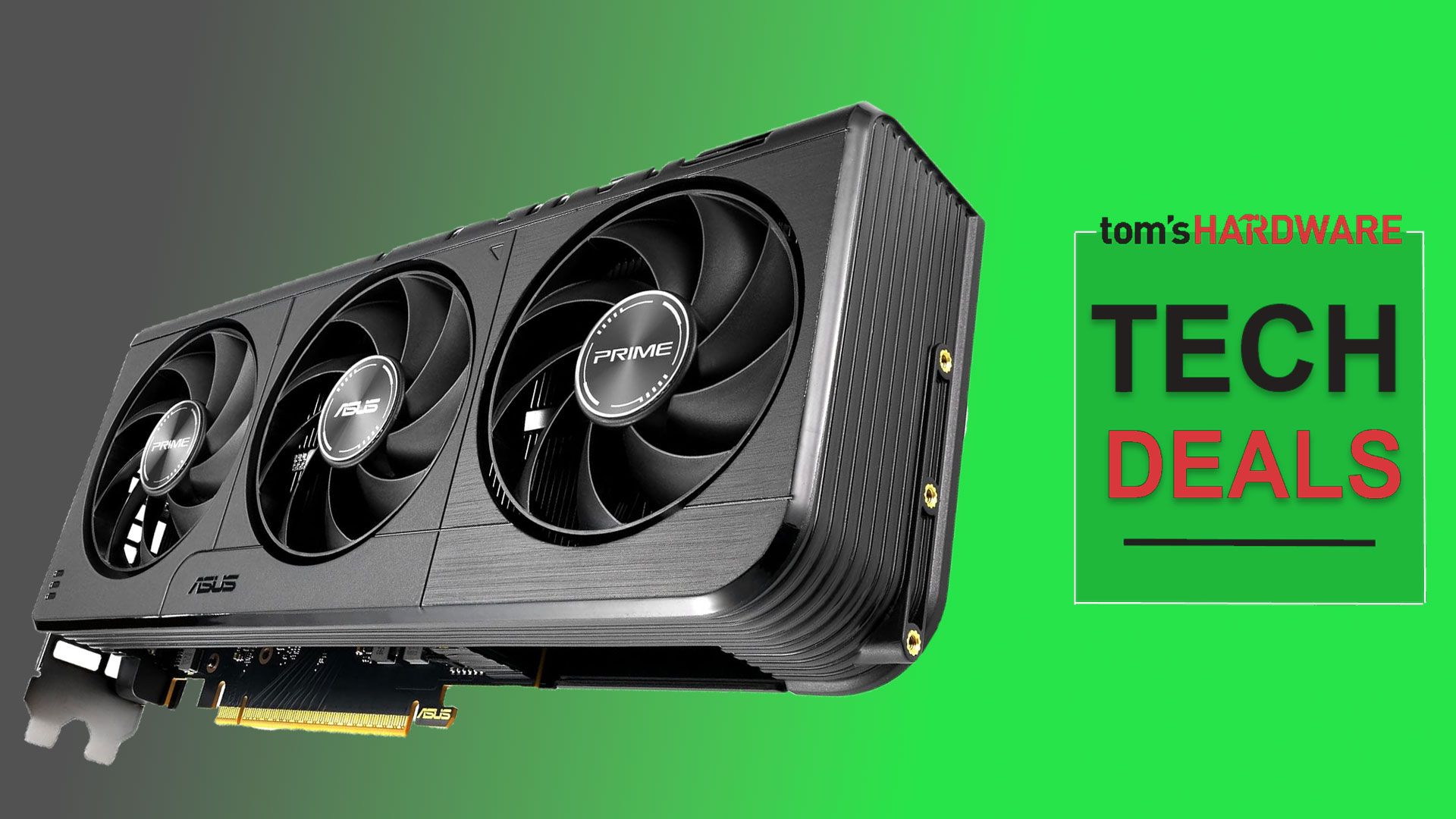
Yes, the RTX 5060 is 40–60% faster depending on the game, with newer encoders and Blackwell features. But the 5060’s 8GB VRAM is its Achilles’ heel in 2026, and “frames per dollar” is no longer the only metric that matters when games and tools lean harder on memory. The RTX 3060’s value is that it sits on the right side of the VRAM curve at a known-good price, making it a smarter choice than several newer budget-tier cards for 1080p and light 1440p gaming, plus occasional AI or creator workloads where memory capacity matters more than bleeding-edge features.
AMD RX 9070 GRE and Mid-Range 1440p Value
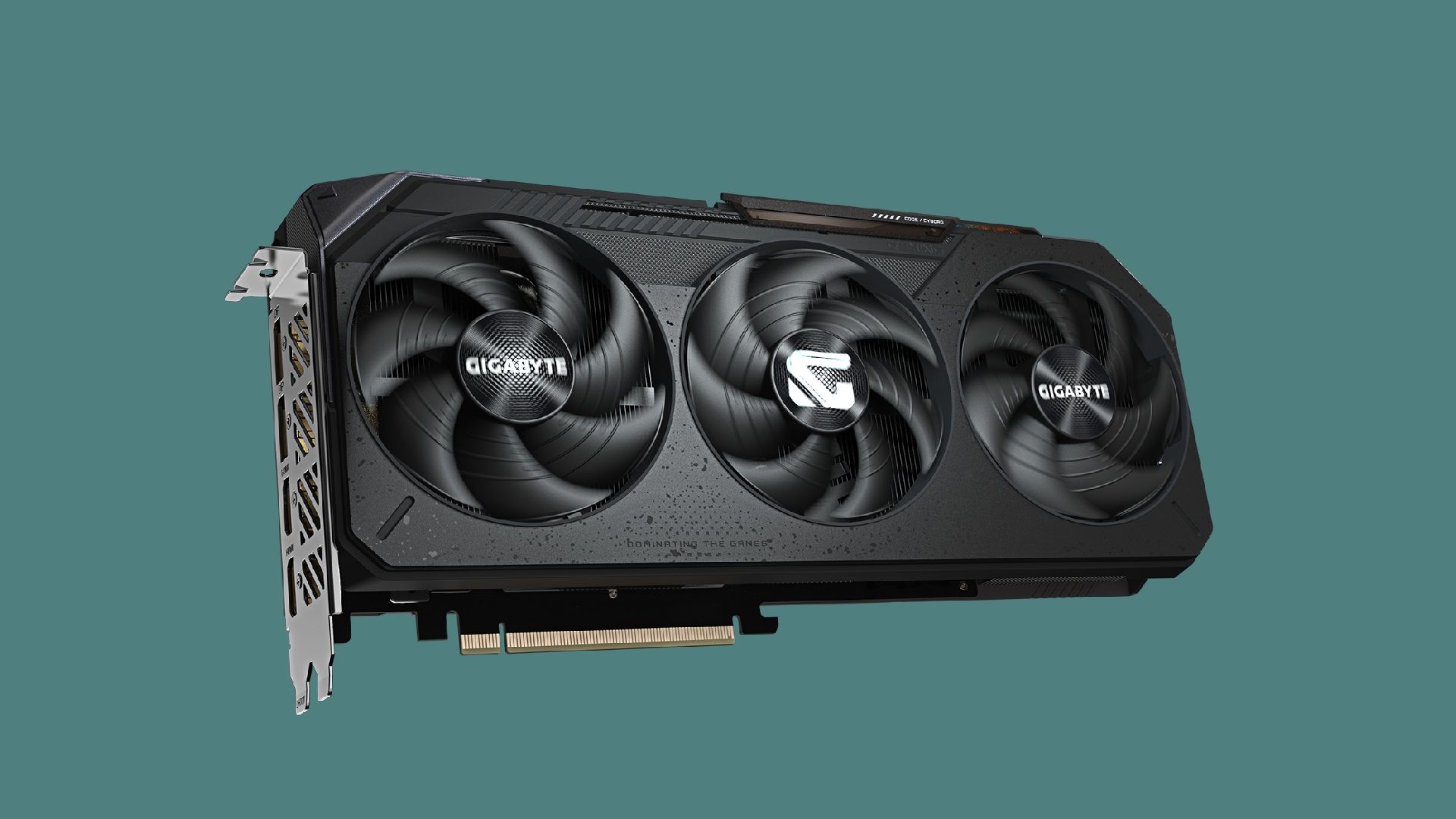
If you are targeting high-refresh 1080p or 1440p gaming, the AMD Radeon RX 9070 GRE is one of the best deals in the mid-range right now. It launched globally at a suggested MSRP of USD 549 (approx. ₱31,700), but the Gigabyte Gaming Radeon RX 9070 GRE is now available for USD 499 (approx. ₱28,800) at Newegg when you apply a USD 50 (approx. ₱2,900) promo code revealed via email. That 9% price reduction directly challenges Nvidia’s mid-range dominance because the RX 9070 GRE now competes with the RTX 5060 Ti 16GB, which sells for well over USD 500 (approx. ₱28,900) according to current GPU price tracking, while still undercutting it.
Technically, the RX 9070 GRE is built on AMD’s RDNA 4 architecture and uses the Navi 48 GPU with 48 compute units, 12GB of GDDR6 at 18 Gbps on a 192-bit bus for 432 GB/s of memory bandwidth, and a 220W TDP that matches the standard RX 9070. In testing, it averages 120 FPS at 1080p and 86.6 FPS at 1440p in a raster-only 11-game suite, putting it comfortably ahead of the RX 9060 XT 16GB and RTX 5060 Ti 16GB in those resolutions. It is less convincing at 4K and weaker at ray tracing, where you will likely lean on FSR 4 upscaling and frame generation to offset performance losses, but for pure raster 1440p, the current AMD RX 9070 price makes this GRE model a standout mid-range option.
Older and Used GPUs: Still Viable for Budget and Retro Builds
Beyond headline cards, older and even used GPUs remain viable for budget gaming and retro builds, especially when AI demand keeps pushing up prices on new VRAM-heavy models. The RTX 3060 itself is proof: a modest Ampere GPU tuned with GDDR6 that still has real-world relevance because of its 12GB capacity and accessible price point. Many prior-generation GPUs can be harder to find new from first-party retailers and often show up through third-party sellers on big marketplaces, which means buyers need to be vigilant about seller legitimacy and return policies. According to ongoing GPU price tracking guides, older cards from Nvidia, AMD, and Intel can still undercut newer SKUs by a meaningful margin, especially in the low-end and entry-level brackets where raw performance demands are modest.
For retro or lightweight 1080p builds, these older GPUs are sensible if you cross-check current pricing against the newest generation to avoid overpaying. The advice is simple: treat older models as value plays only when they fall significantly below the price of equivalent or faster current-generation cards. For truly budget graphics cards, Intel Arc options are also noted as worth considering for cheap systems, though availability and driver maturity should always be checked. When you factor in the market’s regression where a card like the RTX 3060 resurfaces as the “best budget GPU,” it is clear that the secondary market and prior generations are now core parts of any rational buying strategy.
AI-Driven Volatility: Why Ongoing GPU Price Tracking Matters
The current GPU market is heavily shaped by AI and data center demand for memory, which has led to rising prices on gaming graphics cards and unpredictable supply for VRAM-heavy models. Large AI orders soak up GDDR and GDDR7 capacity, while Nvidia is reported to allocate memory based on the profit per GB it can earn, making some consumer GPUs harder to find at sensible pricing. This backdrop explains why 12GB cards like the RTX 3060 and 16GB mid-range models can feel scarce or overpriced compared with their performance tier, and why a discounted AMD RX 9070 GRE stands out so strongly in the mid-range.
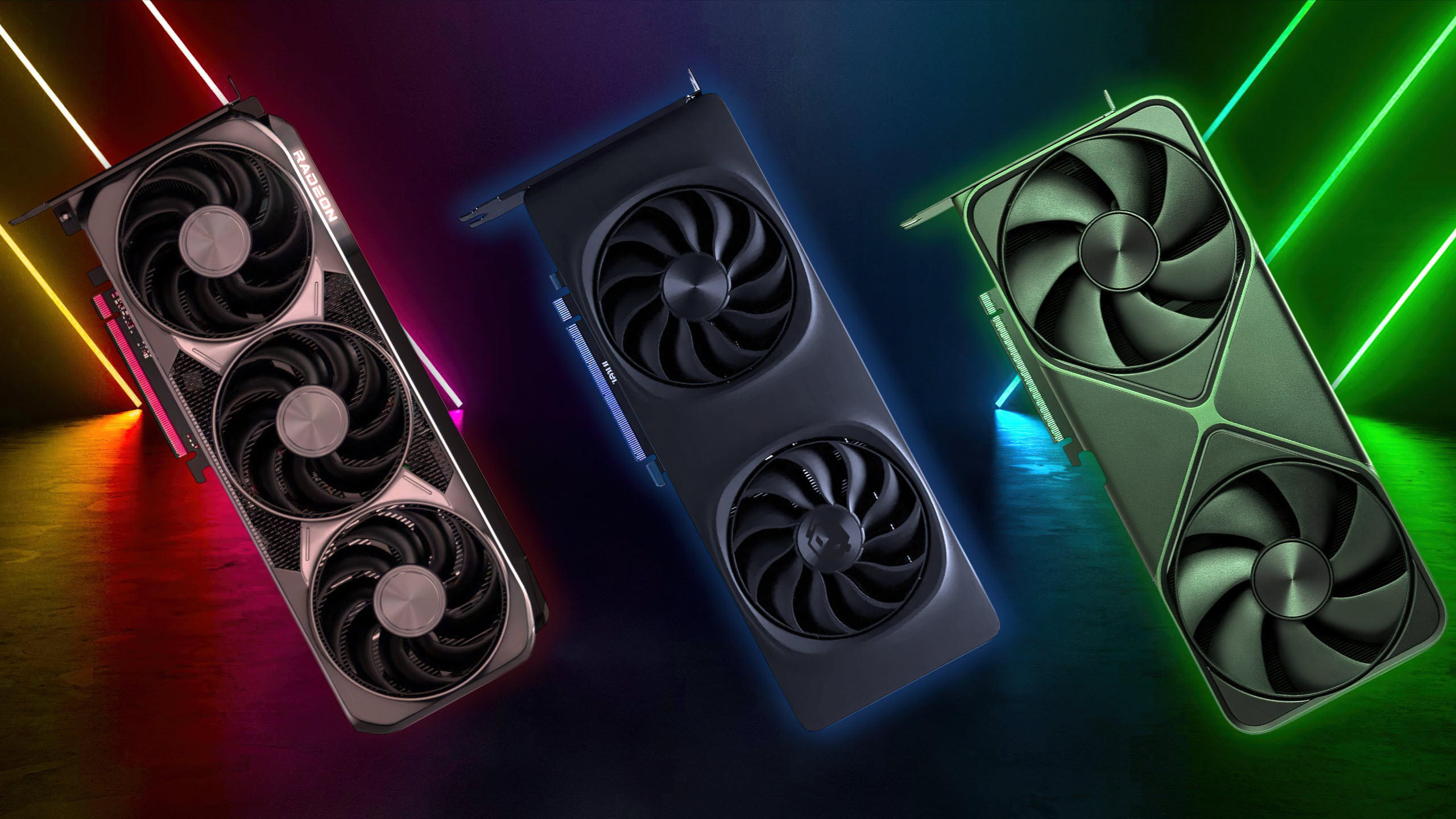
To stay ahead of this volatility, buyers need active GPU price tracking across multiple retailers rather than trusting a single storefront. Comprehensive indexes now monitor the lowest prices for recent Nvidia, AMD, and Intel cards across two generations, listing the best available deals regardless of brand so that you can see whether a sale price is truly competitive or still inflated. One quotable takeaway from this environment is that “GPU price indexes help buyers understand if they are getting a good deal, or if they’re better off paying a little extra for the very latest graphics cards.” In a market where AI economics often trump gamer needs, staying informed is as important as the hardware choice itself.
- Buy the RTX 3060 if you want a budget GPU with 12GB VRAM at a proven USD 329 (approx. ₱19,000) price point and can live without the latest Blackwell features.
- Skip the RTX 3060 if you prioritize maximum frame rates and modern encoders over VRAM capacity, and are willing to pay more for an RTX 5060 or similar newer card.
- Buy the AMD RX 9070 GRE if your focus is high-refresh 1080p or 1440p raster performance and you can use the USD 50 (approx. ₱2,900) promo code to bring it down to USD 499 (approx. ₱28,800).
- Skip the AMD RX 9070 GRE if you want strong native 4K or heavy ray tracing performance, where its weaknesses and reliance on FSR 4 will bother you.
- Buy the older or used GPUs if you are building a budget or retro gaming PC and find prices significantly below equivalent current-gen cards from major brands.
- Skip the older or used GPUs if third-party seller listings look questionable, or if prices are close to modern cards with better efficiency, features, and warranty support.