

The Galaxy Z Fold 8 Wide: A Foldable Meant to Be Used Closed
The Galaxy Z Fold 8 Wide is a rumored Samsung foldable phone that refines the book-style design with a shorter, wider body, aiming to deliver a more conventional outer display and a squarer inner screen that feels closer to a tablet, while sitting alongside a taller Ultra model as part of a refreshed Galaxy Z Fold lineup.
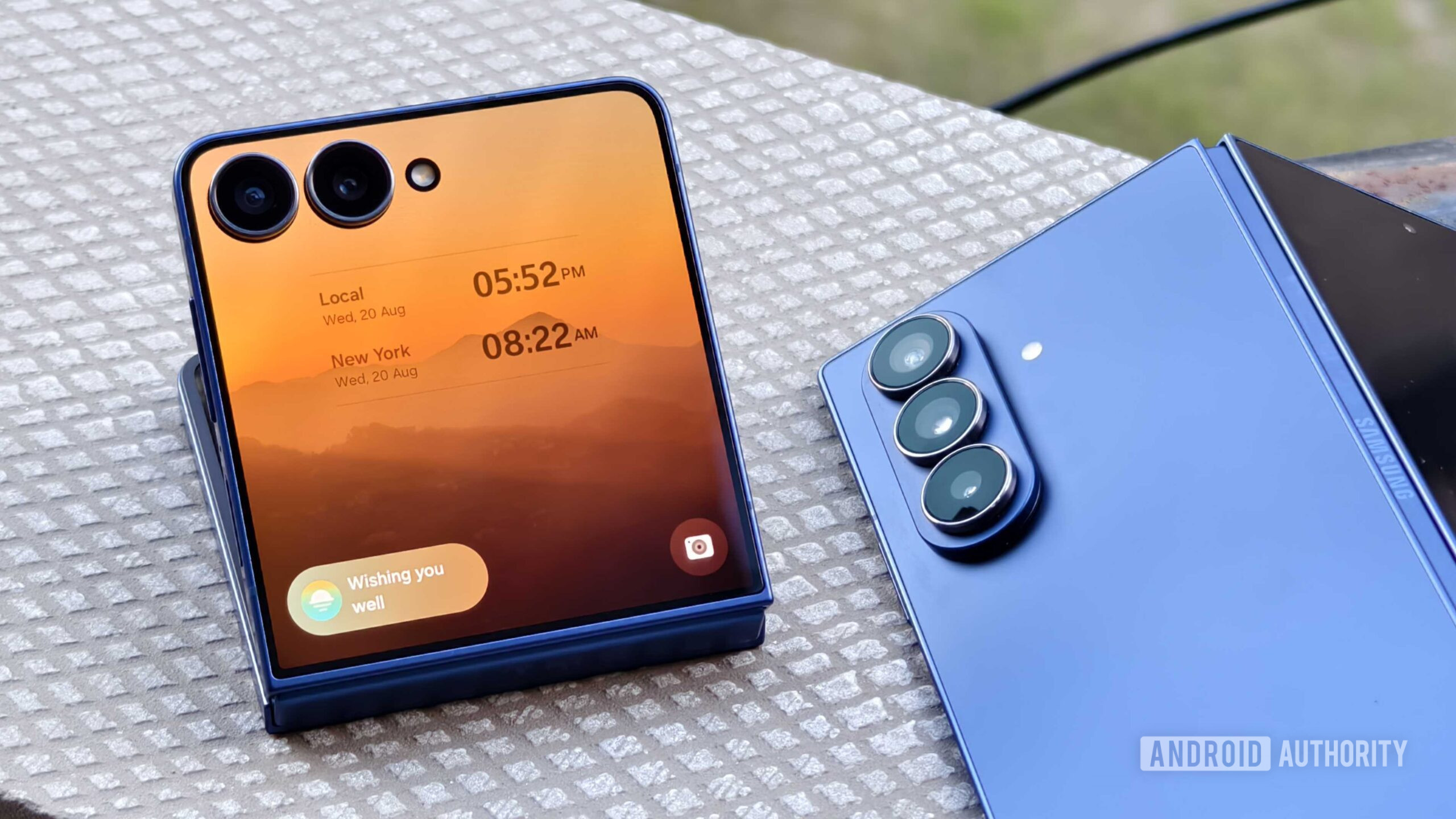
Samsung’s next foldable is not only about another spec bump; it is about admitting that the tall, skinny Fold formula has limits. Reports point to a passport-style device with a cover screen that resembles a traditional smartphone, a 5.5‑inch 16:10 outer display and a 7.6‑inch inner panel with a 4:3 aspect ratio, all in a body that weighs about 200 grams and measures 4.5mm open and 9.7mm folded. That layout directly tackles the cramped feeling of earlier Folds when closed, especially for typing and browsing, where the narrow cover screen often made the phone feel like a compromise instead of a daily driver. In other words, the Wide concept signals that Samsung wants its foldable to be practical first and futuristic second.
| Spec | Galaxy Z Fold 8 Wide (rumored) | Positioning |
|---|---|---|
| Cover display | 5.5" 16:10, up to 120Hz | More usable as a main phone screen |
| Inner display | 7.6" 4:3, up to 120Hz | Closer to tablet for work and split-screen |
| Weight | About 200g | Lighter, everyday carry friendly |
| Thickness | 4.5mm open / 9.7mm folded | Slimmer foldable profile |
| Battery | 4,800mAh | Sized for two displays |
Naming Shake-up: ‘Wide’ vs Ultra Shows Who Each Fold Is For
The most telling part of the Z Fold design leak is not the hinge or the bezels; it is the name. Most leaks refer to the device as the Galaxy Z Fold 8 Wide, but Samsung may market it simply as the Galaxy Z Fold 8, reserving the Galaxy Z Fold 8 Ultra label for the taller, more traditional successor to the current Fold 7. This split is a clear signal that Samsung sees two distinct audiences in foldables: a mainstream crowd that wants a more familiar phone that happens to open into a tablet, and a spec-chasing crowd that is happy to pay more for big cameras and bigger batteries.
According to leaked information, the shorter, wider model is expected to feature a dual rear-camera system led by a 50‑megapixel primary sensor, Qualcomm’s Snapdragon 8 Elite processor and a 4,800mAh battery. The renamed Galaxy Z Fold 8 Ultra, by contrast, is tipped to carry a 200‑megapixel main camera, the Snapdragon 8 Elite Gen 5 for Galaxy and a 5,000mAh battery, positioning it clearly as the flagship. This is not a subtle differentiation; it is Samsung drawing a line between a more affordable but still high-end Wide workhorse and a halo Ultra device. Strategically, this mirrors what happened in the slab phone world: the Fold brand is evolving into a family with tiers, not a single all-or-nothing product.
Design Leaks Hint at a Foldable That Finally Feels Like a Normal Phone
The Z Fold design leak shows a passport-style Galaxy Z Fold 8 Wide with proportions that look far more like the phones people already use. Renders point to a wider outer screen and a squarer inner panel, plus a lighter body than previous models. These changes are not cosmetic; they directly address the biggest usability complaint about Samsung’s existing book-style foldables, which can feel awkward when closed. Earlier Fold models often forced users to open the device for any serious typing or browsing because the narrow cover screen was a poor stand-in for a standard smartphone experience.
By adopting a 4:3 inner aspect ratio, Samsung is effectively saying the Fold should be more than a stretched phone—it should be a credible mini tablet. An inner screen like this would provide extra horizontal space for documents and split-screen apps, while video and games would already be in landscape view, reducing the need to rotate the phone after opening them. The expected weight of about 200 grams and the 4.5mm open, 9.7mm folded thickness also show a push toward a slimmer, more comfortable foldable that does not feel like a brick in your pocket. If those numbers hold, the Galaxy Z Fold 8 Wide could be the first Samsung foldable that feels equally natural whether it is open or closed.
Power, Cameras and Price: What Regular Users Will Notice First
On paper, the Galaxy Z Fold 8 Wide is not a watered-down Fold. Current information points to Qualcomm’s Snapdragon 8 Elite Gen 5 for Galaxy, paired with 12GB of RAM and storage options of 256GB, 512GB and 1TB. That is top‑tier hardware aimed at people who want their foldable to handle serious multitasking. One UI 9 is expected to ship on the device, alongside Wi‑Fi 7 and UWB support, with Samsung promising more "personal and adaptive experiences" on its upcoming software. For a phone that leans on an inner 4:3 display for documents and split-screen, that combination should be more than enough power.
The trade‑offs show up in the camera and the price. The Galaxy Z Fold 8 Wide is tipped to use a 50MP main and 50MP ultrawide camera, plus a 10MP selfie camera on each display, but no dedicated telephoto lens. That absence will limit optical zoom compared with the Fold 8 Ultra, meaning camera enthusiasts who care about zoom are being steered toward the more expensive model. Cost is also a barrier: the base configuration is reportedly starting at USD 1,899 (approx. ₱106,000), which brings the phone close to USD 2,000 (approx. ₱112,000) before accessories or extra storage. European pricing hints at similar premium positioning, even with taxes included. For ordinary users, the question is blunt: does the comfort of a wider design and tablet‑like inner screen justify paying flagship money for a foldable that still makes camera compromises?
Why Samsung Is Widening the Fold Now—and What Comes Next
The timing of the Galaxy Z Fold 8 Wide is no accident. According to leaked information, the new model is reportedly intended to compete directly with Apple’s long‑rumoured foldable smartphone, often called the iPhone Fold or iPhone Ultra in rumors. Samsung knows that once Apple enters a category, the conversation changes from early adopters to mainstream buyers. A wider Fold that behaves more like a regular phone when closed is Samsung’s pre‑emptive move to lock in users who might otherwise wait to see what Apple does. It is also a way to show that foldables are no longer experimental hardware—they are part of a clear, multi‑tier product strategy.
Galaxy Unpacked 2024 takes place in London on July 22 at 2 p.m. BST, and that event will be the moment Samsung answers the biggest open questions: whether the Fold 8 Wide is a distinct model or simply the new standard Fold, and how it sits next to the renamed Fold 8 Ultra. Preorders could open around the event, with one e‑commerce listing pointing to an early August retail release. With S Pen support, crease reduction and regional availability still unconfirmed, the launch will clarify whether Samsung is serious about turning the Wide form factor into the default foldable experience or keeping it as a niche option. For now, the message is clear: Samsung is no longer content with one kind of foldable user, and the Galaxy Z Fold 8 Wide is its bid to make folding phones feel normal—and worth their premium—for more people.