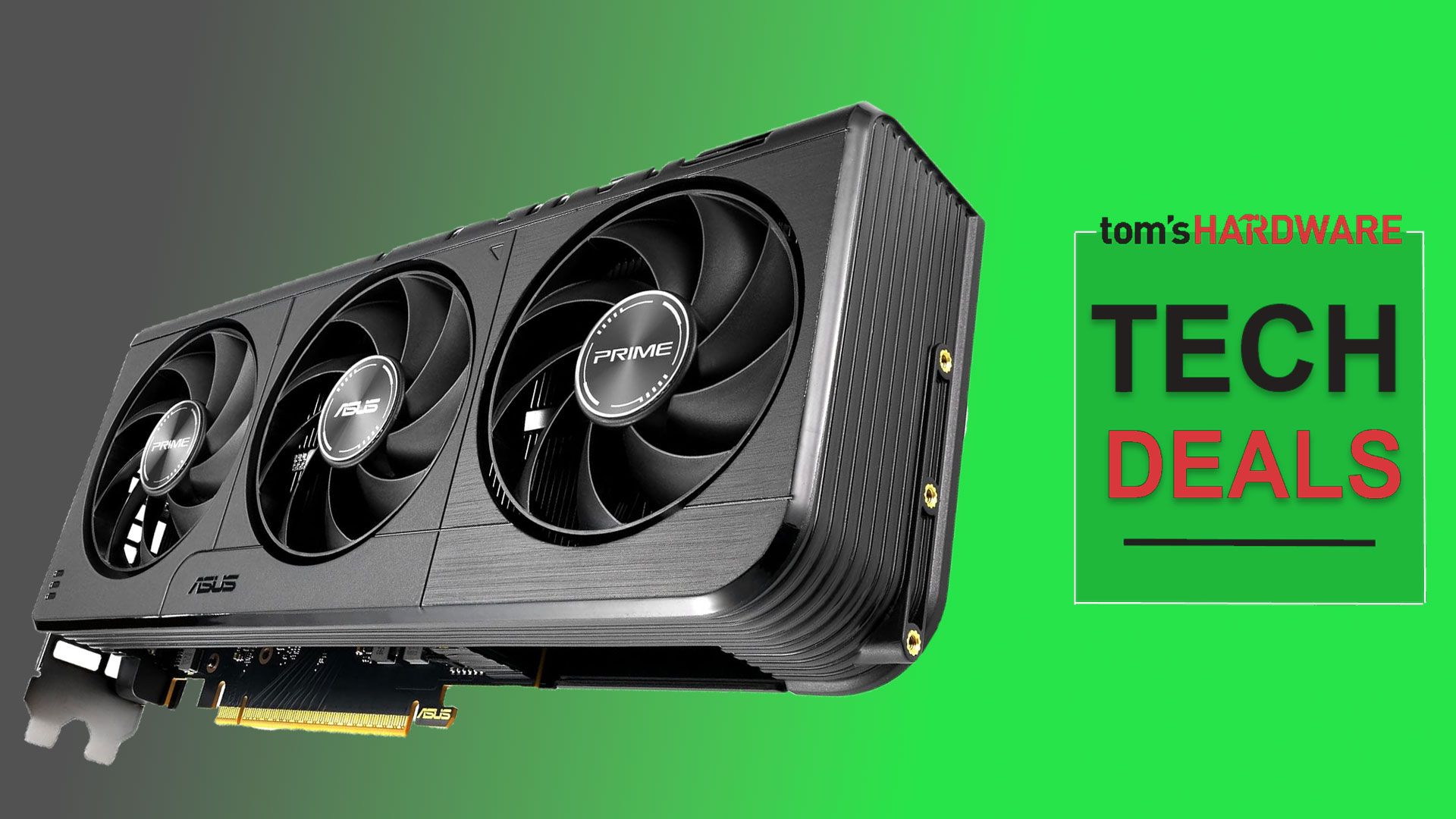

The best budget GPU deal right now: RTX 3060 12GB
An affordable gaming GPU is a graphics card that delivers smooth 1080p or 1440p performance at high settings for modern games while offering strong performance-per-dollar, reasonable power use, and enough VRAM to remain usable for several years of new releases without constant settings compromises. For most people hunting the best budget GPU deals, the Nvidia RTX 3060 12GB at its returned launch price is the clear winner. Sixty-six months after release, it has reappeared at retail for USD 329 (approx. ₱19,300), matching its February 2021 MSRP to the dollar. That alone would be notable, but what makes it compelling is that this older card often makes more sense than Nvidia’s latest budget option, the RTX 5060, because it combines solid 1080p performance with a 12GB VRAM buffer that helps it age well in modern games and light productivity workloads.
When you compare RTX 3060 vs RTX 5060, the newer card is undeniably faster in raw frames, leading by roughly 40–60% depending on the game. However, the RTX 5060 ships with only 8GB of VRAM, which has become a limiting factor as modern AAA games now hit an “8GB filtering wall” even at 1080p and 1440p. VRAM is less about peak benchmark scores and more about how a GPU ages, because it governs texture quality, frame generation overhead, and the working sets of current console ports over years three and four of ownership. For those reasons, the RTX 3060 can be a better choice for builders whose workloads stretch beyond gaming into areas where the extra 4GB of VRAM improves longevity, local AI inference, and light productivity tasks.
Why older used GPUs now beat many new budget cards
Current entry-level launches have made best budget GPU deals harder to find, but used graphics cards value has never been better. GPU manufacturers stopped launching quality budget GPUs a long time ago, so the sweet spot has shifted to previous generations and the second-hand market. If you have around USD 150 (approx. ₱8,800) to spend on a pre-owned graphics card, e-commerce marketplaces remain strong places to hunt for deals. In many cases, an older mid-range or high-end model will outperform a brand-new budget card at the same price, while also offering more VRAM and better support for 1440p gaming with upscaling. According to Valve’s latest hardware survey, the RTX 3060 remains one of the most common GPUs among PC gamers, which underlines how attractive its balance of price and capability still is today.
Used and refurbished older GPUs provide significant savings without major performance trade-offs for 1440p gaming. For example, buying a used RTX 2080 Super or GTX 1080 Ti for around USD 150 (approx. ₱8,800) can deliver excellent performance in today’s titles, often beating new budget cards that cost far more. At roughly half the cost of many modern mid-range options, a used RTX 2080 Super can outpace them in rasterized performance while still holding 70–80 FPS at 1080p high settings in demanding games and remaining playable at 1440p with upscaling. Used GPUs are keeping budget gaming alive, and at USD 50–60 (approx. ₱2,900–₱3,500), even decade-old cards like Polaris-based models still make sense for retro and classic titles on a cheap PC connected to a 4K TV.
Top used picks: RTX 2080 Super and GTX 1080 Ti
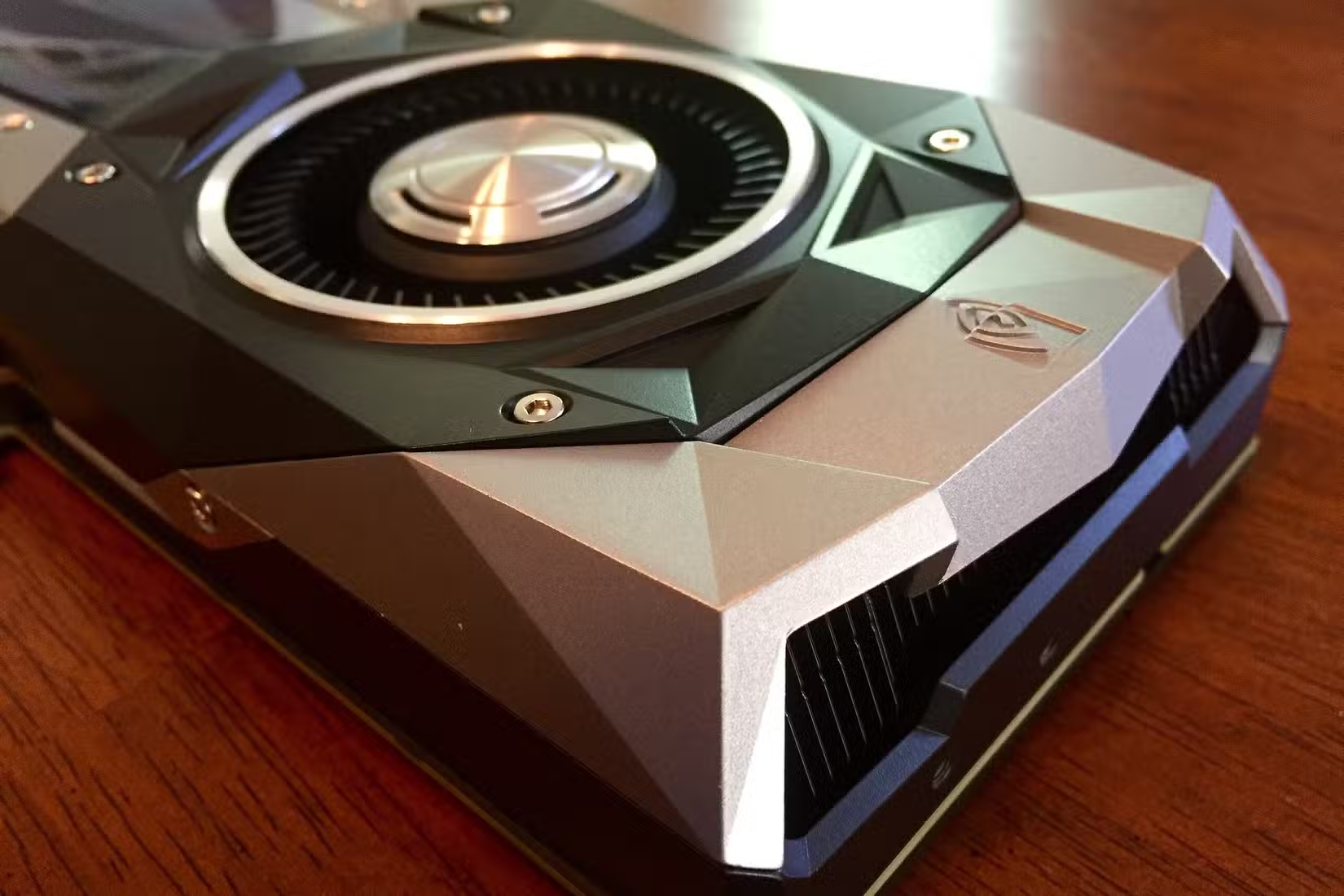
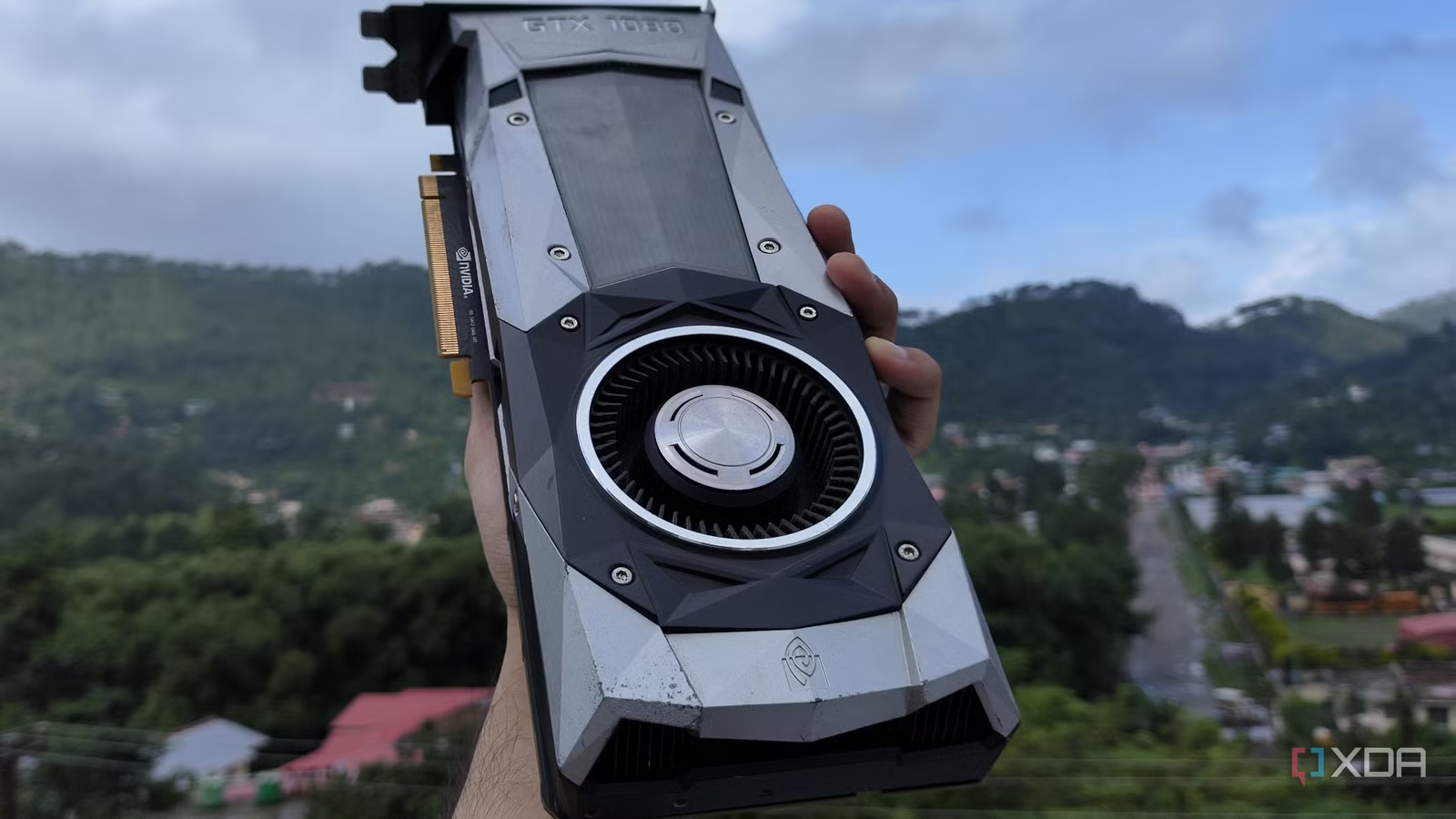
If you are focused on gaming performance per dollar and open to used hardware, two cards stand out: the RTX 2080 Super and GTX 1080 Ti. The RTX 2080 Super typically sells for around USD 150 (approx. ₱8,800) on the used market. At that price it delivers high-end 1080p performance, with around 70–80 FPS in demanding games at 1080p high before any upscaling, and well over 100 FPS once features such as DLSS are enabled. It can even reach 60–70 FPS at 1440p in some modern games when you pair it with upscaling. The main downside is its 8GB VRAM, which can become a limit at 1440p in newer releases, and its aging Turing architecture struggles with modern ray tracing implementations, so you often need to turn RT off to keep frame rates playable.
If you cannot find an RTX 2080 Super in your area or you want more than 8GB of VRAM, the legendary GTX 1080 Ti remains a viable affordable gaming GPU in today’s market. It is commonly available used for around the same USD 150 (approx. ₱8,800) price point, and in raw performance it is only about 10% slower than the RTX 2080 Super. Its 11GB of VRAM helps with higher-resolution textures and larger workloads, and it still performs commendably in modern games at 1080p and 1440p when you disable ray tracing and rely on techniques like FSR upscaling and frame generation to stay above 60 FPS. Its major cons are lack of ray tracing and DLSS support, no mesh shaders for certain new engines, and the fact that driver support has ended, so you should not expect future performance improvements.
| Spec / Trait | RTX 2080 Super (used) | GTX 1080 Ti (used) |
|---|---|---|
| Typical used price | USD 150 (approx. ₱8,800) | USD 150 (approx. ₱8,800) |
| Relative performance | Baseline 100% at this tier | Around 10% slower than RTX 2080 Super |
| VRAM capacity | 8GB GDDR6 (can limit 1440p in new titles) | 11GB GDDR5X helps in VRAM-heavy games |
| Key strengths | Great 1080p and decent 1440p with upscaling; DLSS; entry-level RT in older games | Strong raster performance; large VRAM; solid 1440p with upscaling in many titles |
| Major drawbacks | Aging Turing RT; 8GB VRAM can be overwhelmed at higher settings | No RT or DLSS; no mesh shaders; drivers no longer updated |
Value, longevity, and when to pick new over used
The best budget GPU deals today are less about chasing the newest generation and more about evaluating total cost of ownership over several years. VRAM was never really a performance spec to begin with; it was, and it continues to be the longevity spec, because it determines how a card ages through years three and four. Budget builders should weigh not only purchase price but also how long a GPU will cope with modern textures, ray tracing buffers, and frame generation overhead without forcing painful compromises. For someone who mainly plays at 1080p, a used RTX 2080 Super or GTX 1080 Ti around USD 150 (approx. ₱8,800) offers exceptional used graphics cards value. For a buyer who also wants creator performance, local AI inference, or heavy multitasking, paying more for the 12GB RTX 3060 instead of the faster-on-paper RTX 5060 can yield a better overall experience and lifespan.
There are downsides to older cards you must factor into that total cost. Some aging GPUs no longer provide an excellent 1080p experience, even if average FPS remains above 60; weak 1% lows can make modern titles feel stuttery and compromised at medium settings. Older architectures also lose out on new driver optimizations and features, as seen with Pascal’s lack of mesh shader support and ended driver updates, which hurts performance in cutting-edge games. That is why the best strategy is targeted: for pure gaming value on a tight budget, a high-end used card such as an RTX 2080 Super or GTX 1080 Ti is the best choice; for balanced gaming, VRAM headroom, and light workloads, the RTX 3060 at its revived MSRP is the standout affordable gaming GPU, even though it is technically older than Nvidia’s current budget-tier release.
- Buy the RTX 3060 12GB if you want a new card with strong 1080p performance, 12GB of VRAM, and better longevity for gaming plus light productivity at around USD 329 (approx. ₱19,300).
- Skip the RTX 3060 12GB if you only care about maximum frames today and are willing to accept 8GB of VRAM on a faster RTX 5060 for higher raw performance.
- Buy the RTX 2080 Super if you can find it used around USD 150 (approx. ₱8,800) and want one of the best 1080p experiences with DLSS and acceptable 1440p via upscaling.
- Skip the RTX 2080 Super if you need flawless ray tracing in the newest titles or worry about its 8GB VRAM at higher resolutions and settings.
- Buy the GTX 1080 Ti if you need more than 8GB of VRAM at this price, value strong raster performance, and are comfortable running games without ray tracing.
- Skip the GTX 1080 Ti if you want ongoing driver improvements, modern features like DLSS and mesh shaders, or care about performance in the latest RT-heavy engines.