
Meta’s AI Photo Grab: The Feature That Went Too Far, Too Fast
Meta’s short‑lived Muse Image Instagram feature was an AI image tool that let people generate new images from public profiles by default, turning users’ photos into silent training and remix material without clear consent or advance notice and forcing them to hunt through settings if they wanted to opt out at all.
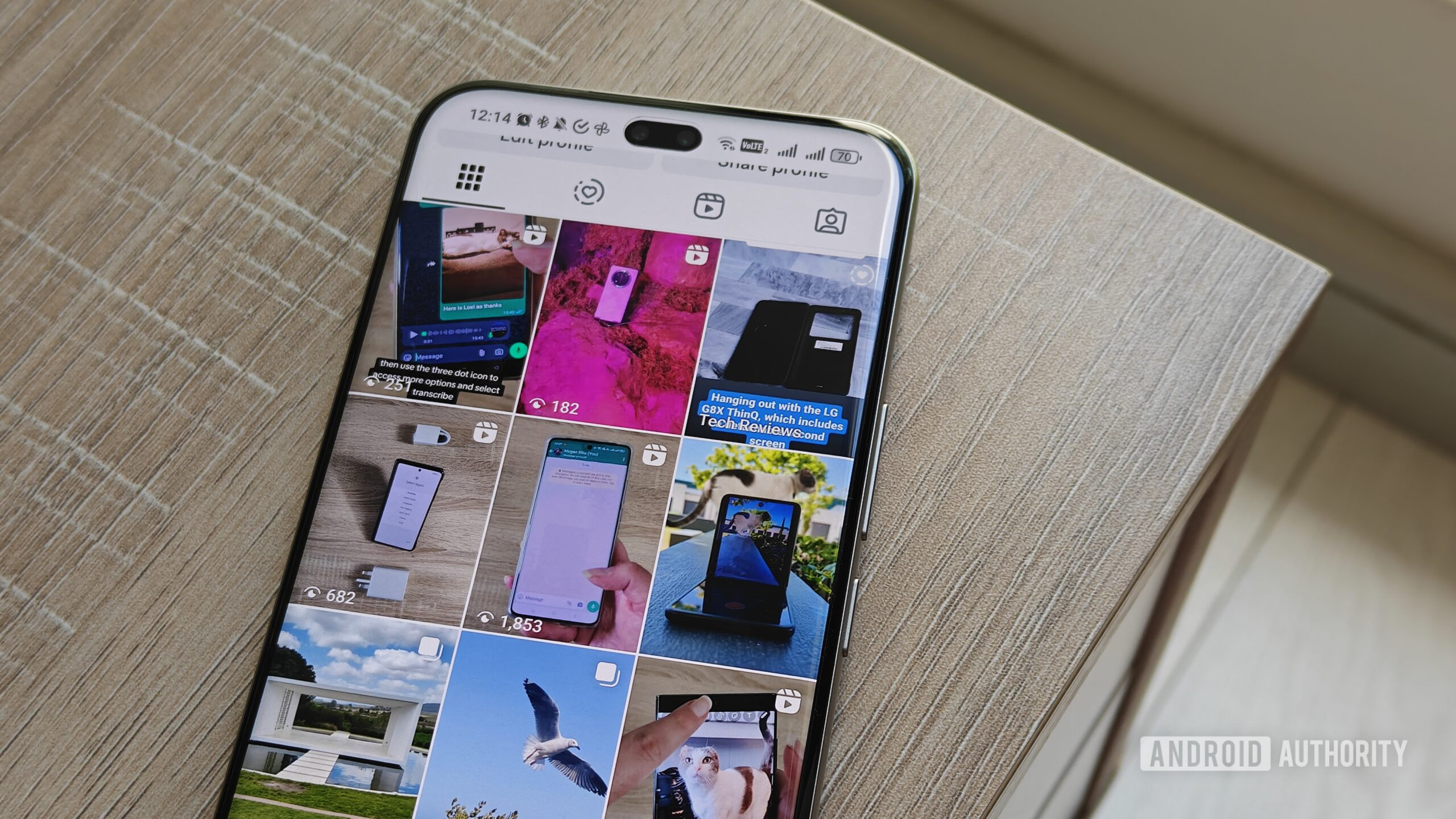
Muse Image allowed anyone to pull photos from a public Instagram account and feed them into AI creations, without asking the account owner or telling them afterward. One especially disturbing trick let people tag another public account so the system could grab that person’s photo and generate a fresh AI image from it. Meta’s policy spelled it out: “people may be able to create content with your Instagram content using AI features at Meta” and “you will not be notified about content created using AI features at Meta”. In other words, public profiles were treated as open AI reference material by default. This was not an edge case; it targeted exactly the portfolios, personal brands, and livelihoods that many creators build on Instagram.

Three Days of Outrage: How Users Got the Feature Killed
Meta didn’t kill this feature out of the kindness of its heart; it killed it because creators and users made enough noise that doing nothing became reputationally more expensive than backing down. That is the real story: coordinated public pressure still works, especially when it hits a company already under suspicion for how it uses data.
In early July, Meta rolled out a feature where anyone using its AI app could tag public Instagram accounts and generate images using their likenesses. The feature was turned on by default, meaning users had to actively opt out, and that default sparked controversy. Creators posted viral explainers on how to turn it off and blasted Meta for forcing yet another AI setting on them. One creator with millions of views said, “They should have given you the option to opt in rather than opt out” and accused platforms of pushing AI tools people do not want. Within three days of outcry, Meta admitted “this feature missed the mark” and rolled back Instagram tagging for its AI chatbot. The company confirmed it had scrapped the feature after listening to feedback, only days after announcing it alongside Muse Image.
Your Photos, Their Defaults: Why Opt-Out AI Is a Privacy Trap
The real harm was not only what Muse Image could do; it was how Meta tried to sneak it into normal life through default settings. This incident is a textbook example of why opt-out AI is a trap: it counts on people being too busy or confused to change anything, then calls that inertia “consent.”
To escape Muse Image without going private, users had to dig through Instagram’s menus: open the profile, tap the menu, go to “Sharing and reuse,” and toggle off reuse for posts and reels. Even then, Meta warned that these adjustments applied only to future media; whatever was shared publicly before switching the setting could already be open for reuse. Meanwhile, public sentiment toward generative AI has been souring, even as companies keep enabling AI features and related settings by default. According to one privacy expert, Meta is a “steward of the opt-out status quo” in an environment with weak privacy regulation. Defaults matter because people tend to stick with whatever option is preselected, especially in complex apps, so an opt-out culture quietly channels everyone’s content into Meta AI training data whether they intended it or not.
User Power and the Future of AI on Social Platforms
Meta’s rapid reversal is not a happy ending; it is a warning shot. Platforms will keep pushing AI deeper into feeds because they see it as strategic, but this episode shows they can be forced to pull back when users and creators push in unison. The question is whether the next wave of AI tools will respect that line, or try to move it again in small, default-driven steps.
Meta has removed the public-profile reference feature altogether and said the feature “missed the mark” after backlash. To its credit, it did not try to tweak or defend; it shut the feature down. But the broader AI push continues: the Muse Image model is still available for everyday creation with a paid plan beyond a threshold, and a video model called Muse Video is already in development. For photographers, artists, and influencers who spend years building a distinctive visual identity, it is understandable they want to keep that separate from generative AI tools. Public accounts may be visible, but visibility is not a blank check. If platforms want trust, they must flip the script to opt-in vs opt-out AI, give real user control over AI features, and stop treating privacy as a setting you have to find instead of a baseline they must honor.