
Regulators Have Decided Addictive App Design Is No Longer Acceptable
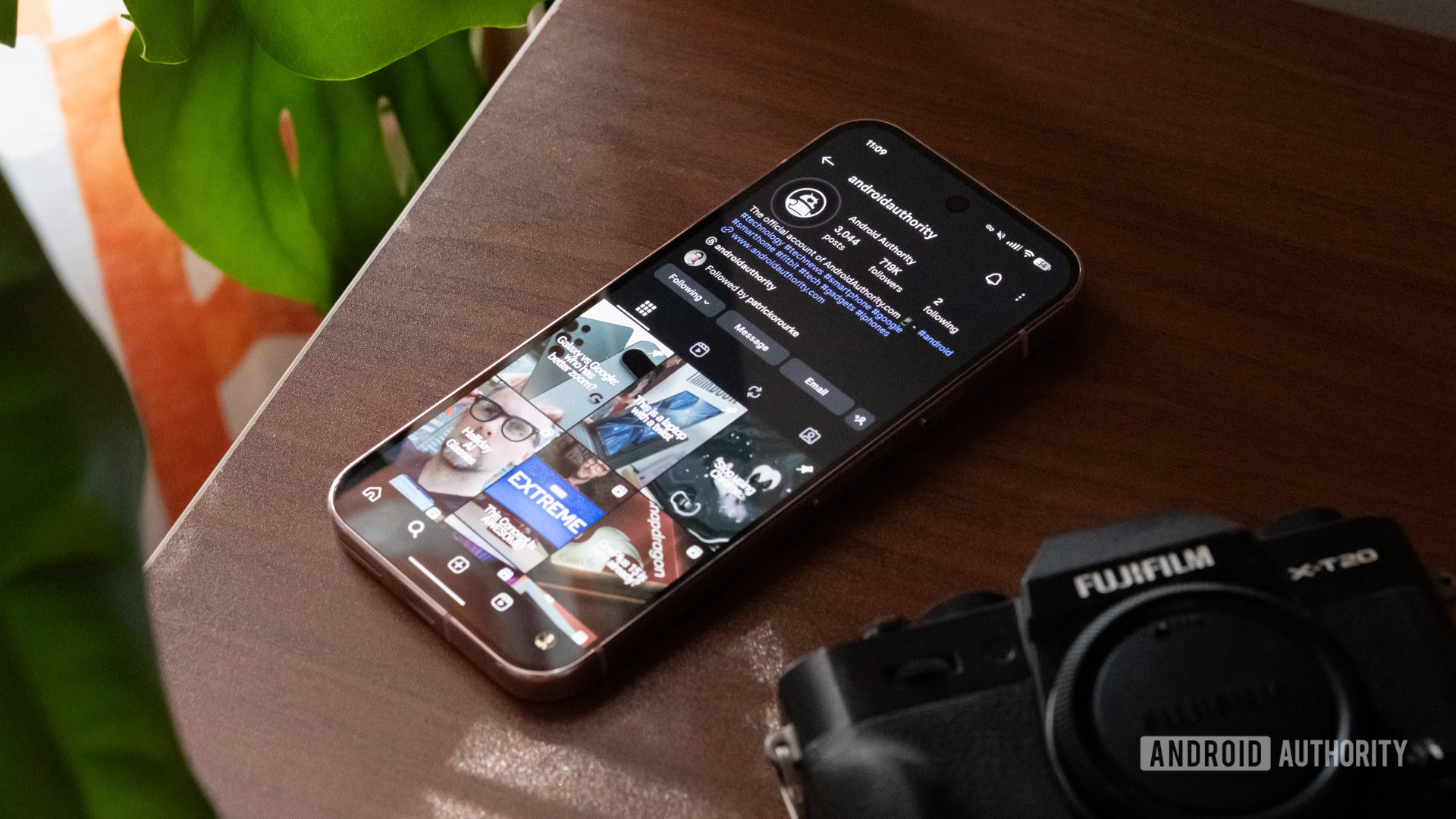
Addictive app design refers to intentional product choices—like infinite scroll, autoplay, and hyper-personalized recommendation algorithms—that keep users engaged far beyond their original intent, encouraging compulsive usage patterns, undermining self-regulation, and, according to regulators, harming the physical and mental wellbeing of frequent users and vulnerable groups through constant, frictionless exposure to social content. Today, this design philosophy is running headfirst into social media regulation. The European Commission says Meta did implement addictive designs for Instagram and Facebook and is in violation of the Digital Services Act, after opening an investigation in May 2024 into features such as infinite scroll, autoplay, push notifications, and highly personalized recommendation systems. This is not a technical complaint about minor UI choices; it is a direct challenge to the engagement-at-all-costs model that has defined major platforms for a decade.
Infinite Scroll, Algorithmic Feeds, and Notifications Are Now Legal Risk
The features under scrutiny are the very mechanics that made these platforms feel effortless—and addictive. Infinite scroll ensures there is always another post waiting; videos autoplay without a conscious decision; notifications repeatedly tempt users to return; and recommendation systems learn what will hold attention, then deliver more of it. Regulators argue that together these patterns let users keep consuming content without actively choosing to do so, fueling doomscrolling and unhealthy habits. In its preliminary findings, the Commission concluded Meta did not adequately assess the risks of this addictive design on the physical and mental wellbeing of users, including minors and vulnerable adults, and failed to account for how formats such as stories and reels contribute to compulsive use. In other words, the very success metrics of these platforms—time spent, repeat opens, rapid engagement—have become potential evidence of harm.
What an Instagram and Facebook Redesign Could Look Like
The Commission’s proposed cure to addictive app design is not subtle. It believes Meta must implement major design changes: disabling autoplay and infinite scroll by default, adopting more explicit screen time breaks, and shifting algorithms away from pure engagement maximization. If these preliminary findings are upheld, users could see a noticeably different experience on Instagram and Facebook. Features like autoplay and infinite scrolling may no longer be enabled by default, recommendation algorithms could be tuned to focus less on maximizing engagement, and stronger prompts encouraging users to take breaks could become part of the experience. For users, that means friction will be intentionally built back into the apps—scrolling might pause, feeds may feel less hyper-tailored, and notifications could lose some of their engineered urgency. For designers and growth teams, this is a direct constraint on the tools they rely on to drive retention.
The Cost of Non-Compliance: Fines and Forced Friction
This is not a symbolic warning. If the Commission’s findings are confirmed, Meta could face fines up to 6 percent of its total annual turnover. Another report notes that, depending on the seriousness and duration of violations, the penalty could reach up to 6% of global annual revenue and may be reportedly as high as USD 12 billion (approx. ₱672,000,000,000). Meta can still fight the findings; it will be able to examine the investigation files, review the evidence, and formally respond before any final decision is made, with the European Board for Digital Services also weighing in. But the direction of travel is clear: social media regulation is shifting from abstract principles to concrete product requirements. A quotable takeaway from the situation is this: “If the Commission’s preliminary findings are upheld, Meta could be required to redesign key parts of both apps in Europe and reportedly face fines of up to USD 12 billion (approx. ₱672,000,000,000).”
From Doomscrolling Prevention to a New Social Media Contract
The real story here is not one company’s legal troubles; it is the start of a different social contract around attention. Regulators are effectively saying that platforms can no longer offload the entire burden of self-control onto users while designing feeds to erode that control. Current safeguards such as screen-time reminders and parental controls have been judged too easy to dismiss or too hard to use, especially for families without technical expertise. That criticism matters beyond any one app: it sets a standard that doomscrolling prevention must be built into core design, not bolted on as an optional tool. Users should expect future social platforms to feel slightly less smooth and more interruptive, as friction is deliberately added to protect wellbeing. If attention extraction was phase one of social media, regulation-driven redesign is phase two—and it will redefine what “good” product design looks like.