
Hair Growth Supplements: From Hopeful Hype to Measurable Outcomes
Hair growth supplements clinical study research refers to trials that track quantifiable changes in hair, such as linear growth rate, anagen hair count, total density and scalp coverage, over several months in real users to determine whether nutraceutical formulations deliver statistically significant improvements compared with their own baseline or a control group. Right now, the key takeaway is blunt: most hair products still sell promise, but a small group of nutraceuticals is starting to offer measurable proof. That shift matters for anyone staring at thinning edges or slow-growing lengths and wondering if another bottle of capsules or serum is worth it. When a supplement can show faster linear growth, more actively growing hairs and visible coverage gains, it moves from wishful thinking into the territory of evidence-backed treatment—and that should change how we buy, and what we demand from brands.
Inside Nutrafol’s Six-Month Trial: What the Numbers Say
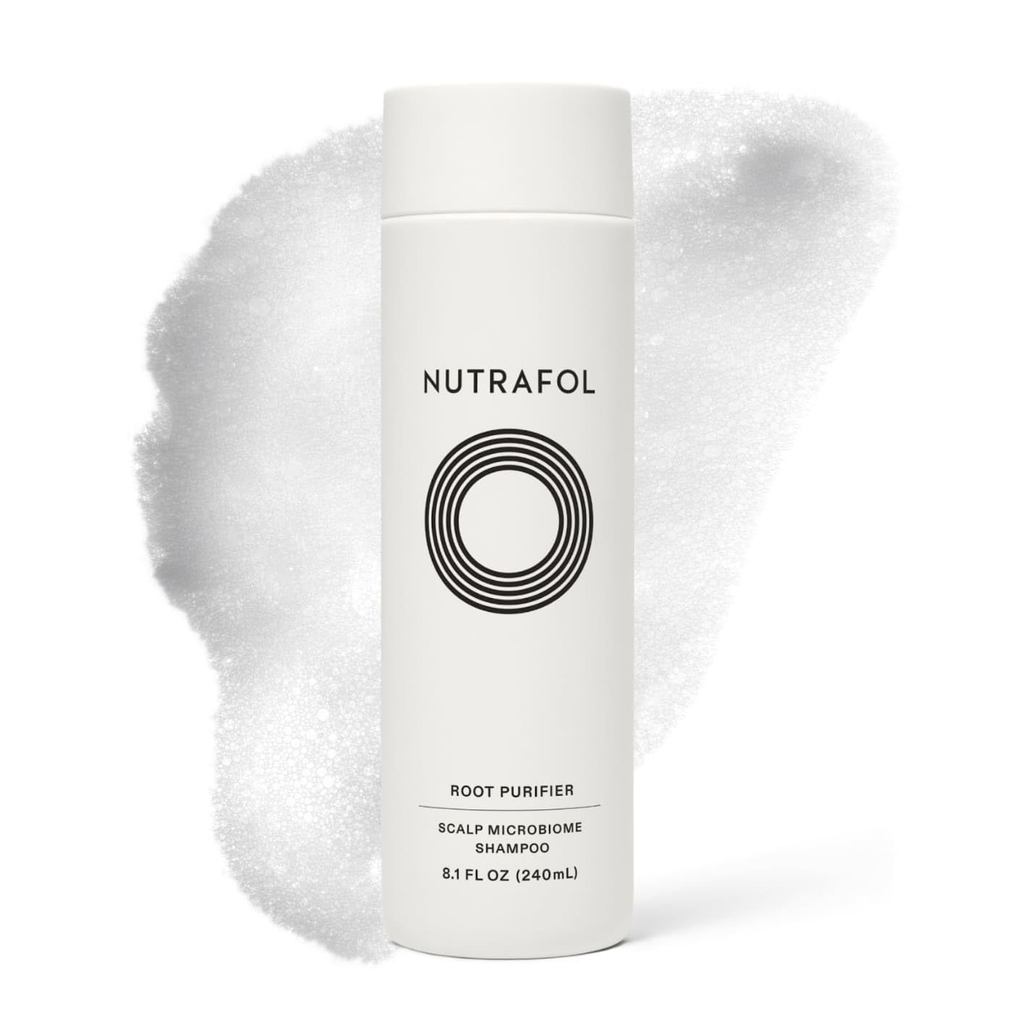
One hair growth supplements clinical study now stands out as a line in the sand for nutraceutical hair growth evidence. A new peer-reviewed, six‑month trial followed 180 women aged 18–70 taking life‑stage‑specific hair growth nutraceutical formulations, including options for postpartum and menopause. The results were not cosmetic fluff: hair grew between 19% and 37% faster than baseline, with statistically significant improvements in linear hair growth rate, anagen (actively growing) hair count, total hair count, terminal hairs and scalp coverage. According to principal investigator Dr Raja Sivamani, “Measuring linear hair growth rate is rarely done because the technical demands are significant,” yet this metric was successfully captured and improved in the study. The findings were first presented at a major world congress for hair research before publication in a medical journal, then added to a portfolio of 26 clinical studies, including three randomised, placebo‑controlled trials on the same formulations. This is dermatologist recommended hair growth backed by data, not marketing copy.
Why Peer-Reviewed Endpoints Should Guide Your Supplement Choices
Clinical endpoints like linear hair growth rate are rare in hair research, largely because they are technically demanding and expensive to measure. That scarcity makes every rigorous nutraceutical hair growth evidence study unusually valuable for consumer decision‑making. Women facing thinning from hormonal shifts, ageing, nutritional factors, postpartum recovery or lifestyle stress are not short of products—they are short of reliable proof. A recent clinical review in a major dermatology journal underscored the trend: nutritional and lifestyle interventions are gaining traction as adjunctive approaches to androgenetic alopecia, but higher‑quality clinical evidence is still essential. In this landscape, a supplement brand that is dermatologist‑recommended and can point to peer‑reviewed improvements in growth rate and scalp coverage deserves to be treated differently from one relying on testimonials alone. Consumers should start asking a simple question before buying: what endpoints did this product improve, and where are they published?
Serums, Before-and-After Photos, and the Limits of Anecdote
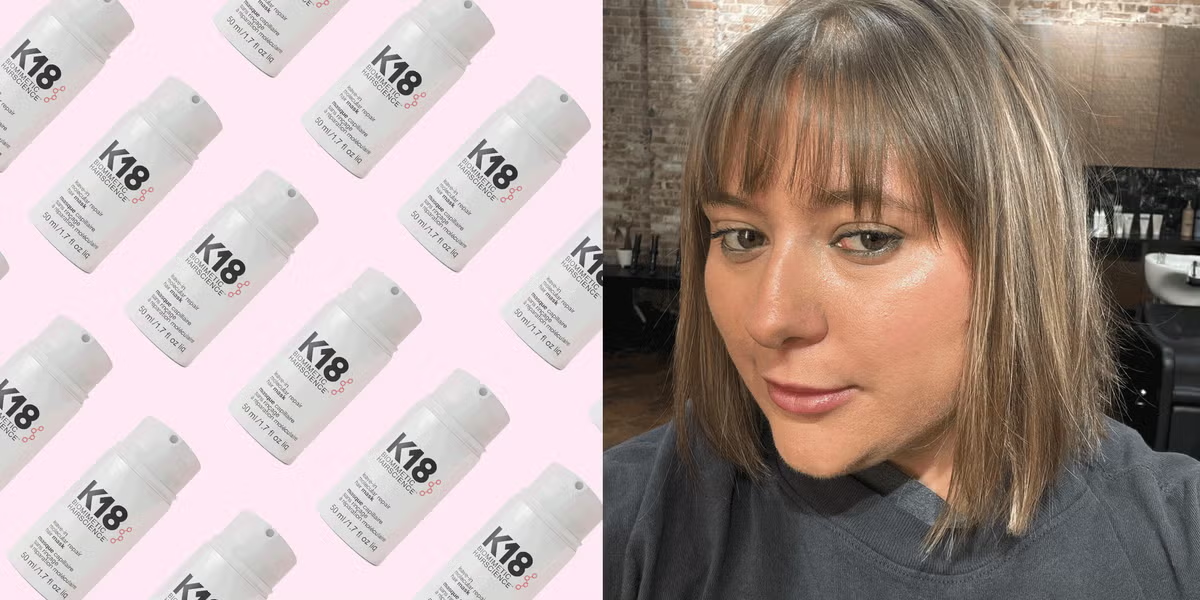
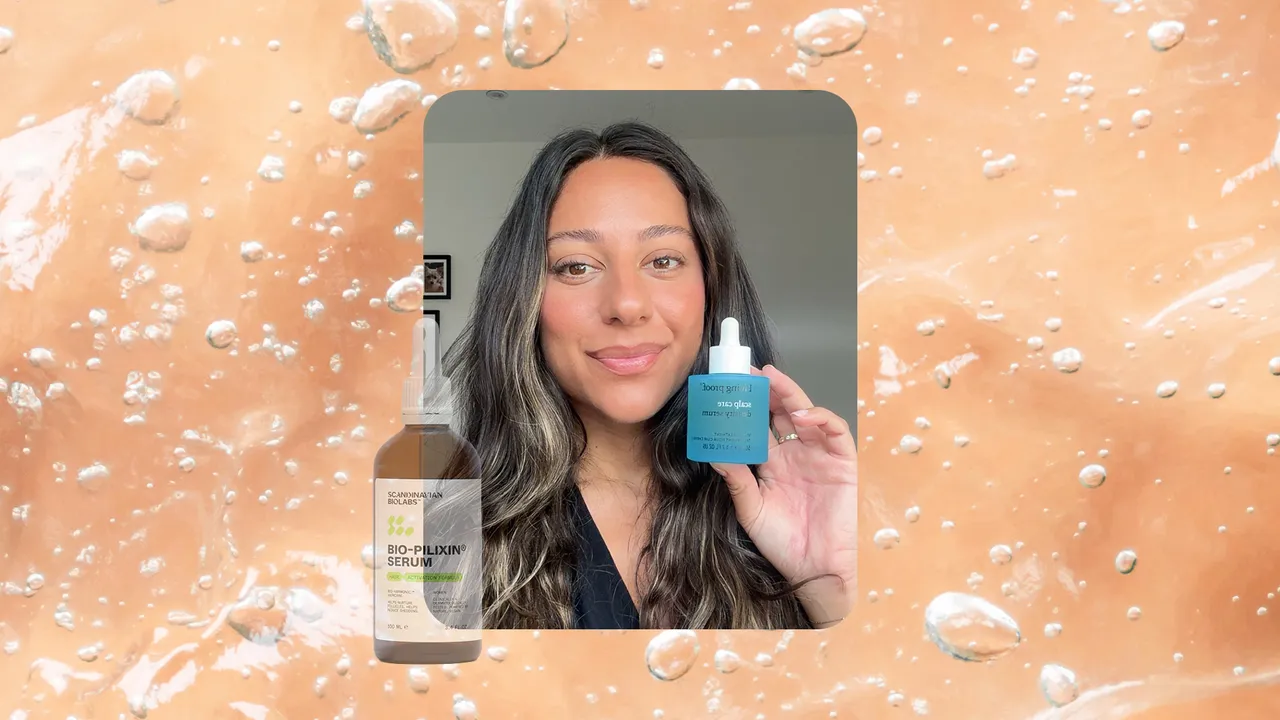
Topical serums are the other side of the hair growth story, and here the evidence looks more like patchwork than clinical tapestry. One long‑time beauty journalist describes testing multiple hair growth serums with colleagues over weeks and months, scrutinising full ingredient lists, scalp feel, ease of use, and perceived changes in thickness, fallout and regrowth. Their hair growth serum results include videos and before‑and‑after photographs, and ongoing trials across more editors with different hair types and concerns. In her case, consistent serum use alongside trims, masks and reduced heat styling helped her reach the longest and healthiest hair she has had, though she is clear it was not a quick fix and recommends starting at least six months before a big event. These real‑world trials show varying efficacy across products, but they remain anecdotal. They are useful for gauging texture, tolerability and lifestyle fit—not for proving that one formula can compete with a supplement backed by hard endpoints like linear hair growth rate or scalp coverage.
How to Use Emerging Evidence to Plan Your Next Six Months of Growth
The practical lesson in all this is simple: treat your hair growth plan like a six‑month project and build it on the best available proof. Hair thinning affects millions of women, and nutraceutical interventions are gaining attention as evidence‑based partners to established dermatological treatments. A dermatologist recommended hair growth supplement with peer‑reviewed gains in linear growth and scalp coverage is a different proposition from an untested capsule, and it can reasonably anchor a regimen. Around it, you can layer topicals whose hair growth serum results are backed by thoughtful, transparent consumer testing—including multi‑editor before‑and‑after documentation, ingredient vetting and long‑term use. Look ahead: brands are expanding clinical programmes, and independent testers are widening their panels and video evidence over time. The more we demand quantified endpoints instead of marketing promises, the more likely we are to see the next generation of hair products prove—not claim—their worth.