

Flex Titanium: A New Kind of Foldable Display Architecture
Flex Titanium is Samsung’s new foldable display architecture that uses an ultra-thin titanium alloy film and titanium support plate beneath the OLED to increase stiffness, reduce microscopic deformation at the fold, and make the central crease less visible while keeping the panel slim and flexible for everyday folding.
This is not a cosmetic tweak; it is Samsung admitting that the foldable phone crease was more than a minor quirk and needed a structural fix. The company’s Flex Titanium display panel is built specifically to cut down that unsightly line running down the inner screen on the Samsung Galaxy Z Fold 8 and its larger Ultra sibling. In my view, this is Samsung finally treating the crease as a design failure, not a badge of early-adopter courage. By reworking the internal stack rather than relying on software tricks or tougher plastic, Samsung is putting hardware engineering where user complaints have been for years.

How Flex Titanium Physically Reduces the Foldable Phone Crease
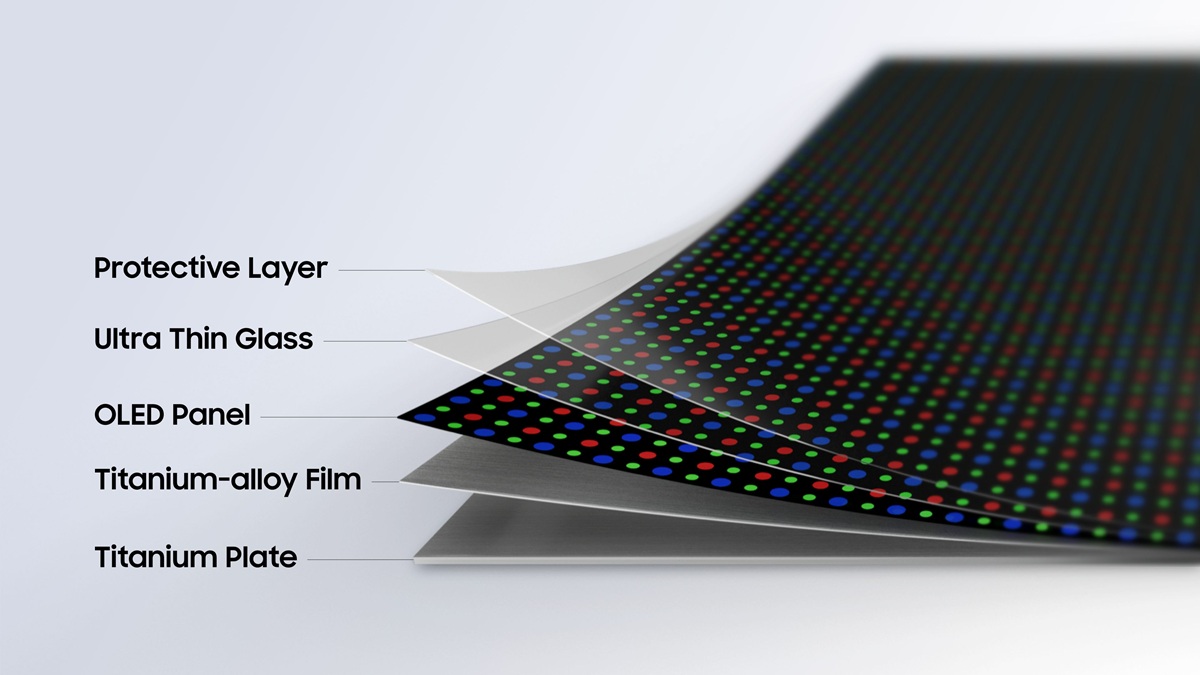
Flex Titanium attacks the foldable phone crease by changing what sits underneath the OLED, not the OLED itself. Instead of plastic-based polymer films, Samsung now uses a high-elasticity, high-rigidity titanium alloy film directly under the panel, paired with a titanium plate that supports the entire display module. According to Samsung, the titanium alloy film is about 20 times stiffer than the plastic films it replaces while being under 30% of the thickness of a human hair. That means the layer that flexes thousands of times is far less prone to tiny permanent deformations, which are exactly what turn into a visible crease over months of use.
The titanium plate beneath the film eliminates air gaps between the display module and adhesive, so the screen is more stable when unfolded while remaining flexible when folded. In plain terms, the display is better supported where it needs to be flat and more controlled where it needs to bend. That balance matters: you do not want a soft hinge zone that collapses into a trench, and you also do not want a rigid spine that risks cracking. Flex Titanium’s dual-layer structure targets that compromise directly.
Why This Is Different from Earlier Plastic-Based Foldables
Earlier Samsung foldables were built around plastic-based polymer films and more forgiving support layers, which helped them bend but made them vulnerable to long-term warping at the hinge. Flex Titanium flips that logic by prioritizing stiffness and precise support, then restoring flexibility through careful machining and ultra-thin metal processing. The titanium alloy film is dramatically stiffer than plastic while thinner than most hair strands, so Samsung can increase structural integrity without making the display thicker.
The titanium plate beneath it is drilled with micro-holes in the folding area, and in this generation those holes are smaller and paired with a stronger adhesive structure. That means the plate behaves differently depending on whether the phone is open or closed: flat and supportive when unfolded, yet able to flex in a controlled way when folded. Where older designs tolerated a bit of slack at the fold, this architecture tries to engineer that slack out. To me, this is the most important distinction: Samsung is treating the crease as a mechanical precision problem, not a simple materials swap.
What Flex Titanium Means for Galaxy Z Fold 8 Users
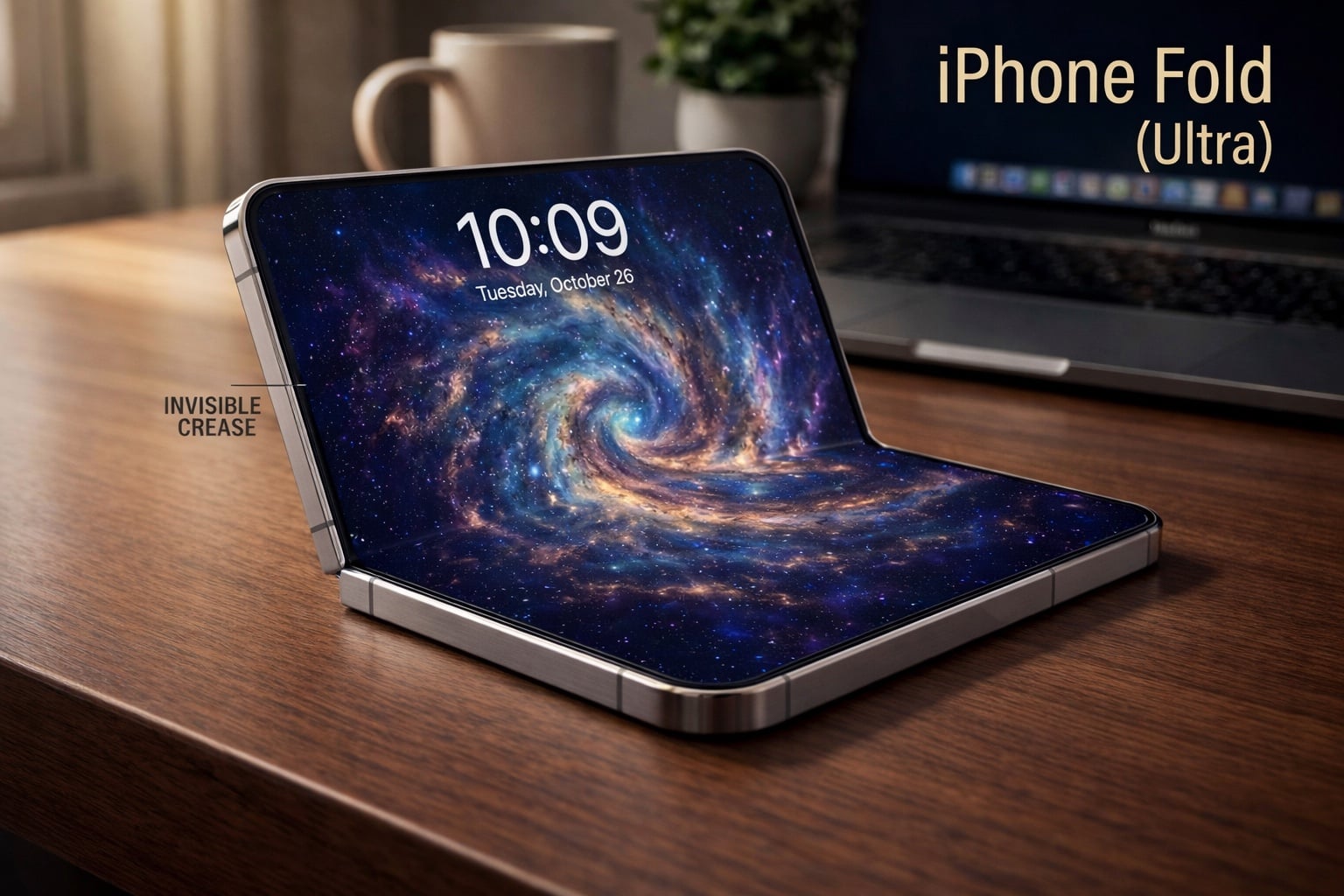
For Samsung Galaxy Z Fold 8 buyers, Flex Titanium’s advantages should be visible from day one and, more importantly, months in. Samsung says the new architecture offers a better viewing experience with improved durability and reduced crease visibility. Early footage of the Z Fold 8 Ultra already points to a central crease that is nearly invisible even after repeated folds. If that holds up in real-world use, reading, gaming, and multitasking on the inner screen will feel much closer to a traditional tablet, instead of constantly reminding you where the hinge lives.
There is a practical durability angle too. The titanium alloy film’s higher rigidity helps suppress microscopic deformations during folding and protects the panel from external impacts. At the same time, Samsung has tuned the display stack with a high-resolution design and new organic materials to increase picture quality while cutting power consumption. That combination—cleaner visuals, better power efficiency, and less visual distraction down the middle—turns Flex Titanium from a spec sheet bullet into a daily quality-of-life upgrade. This is the kind of hardware change that might finally silence the most stubborn crease complaints.
A Shift in Samsung’s Foldable Display Strategy
Flex Titanium is more than a new marketing name; it marks a shift in how Samsung engineers its foldable display technology. The company describes this system as the product of rethinking its display design approach based on seven generations of foldable development and user feedback. Instead of iterating on plastic films and minor hinge tweaks, Samsung is rebuilding the internal architecture around titanium—an aerospace-grade material that was previously considered too hard and elastic to use in a component this thin.
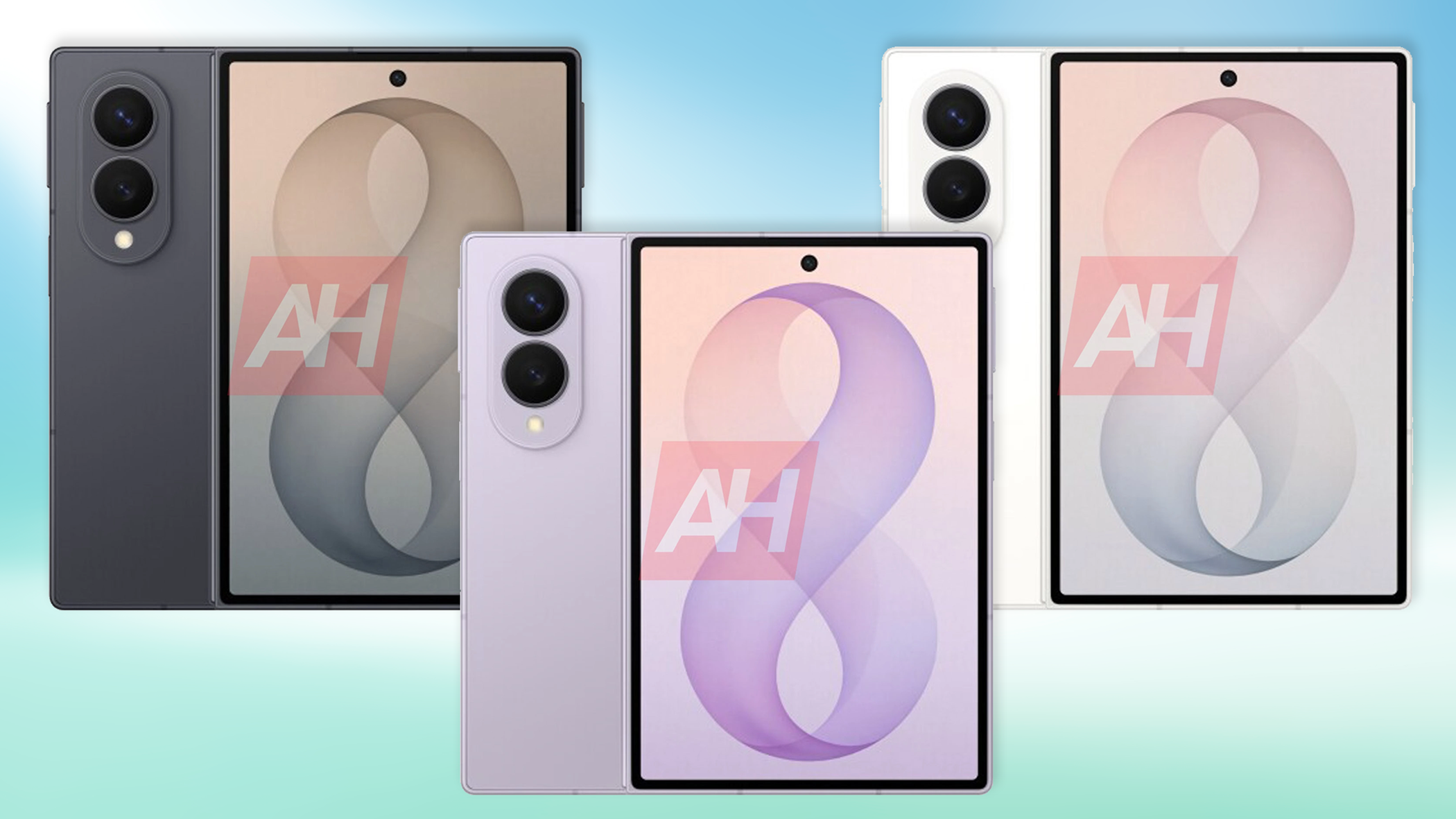
The fact that the Samsung Galaxy Z Fold 8 and the new Z Wide Fold will be the first products with Flex Titanium shows how central this approach has become to Samsung’s foldable roadmap. Alongside the clamshell Z Flip 8, these models are expected to define the next wave of foldable design. In my opinion, the stakes are clear: if Flex Titanium meaningfully reduces the foldable phone crease while improving durability, it will cement Samsung’s lead in display technology; if it does not, rivals who already advertise subtler creases will gain ground. Either way, the crease is no longer a tolerated flaw—it is the battleground for the next generation of foldables.