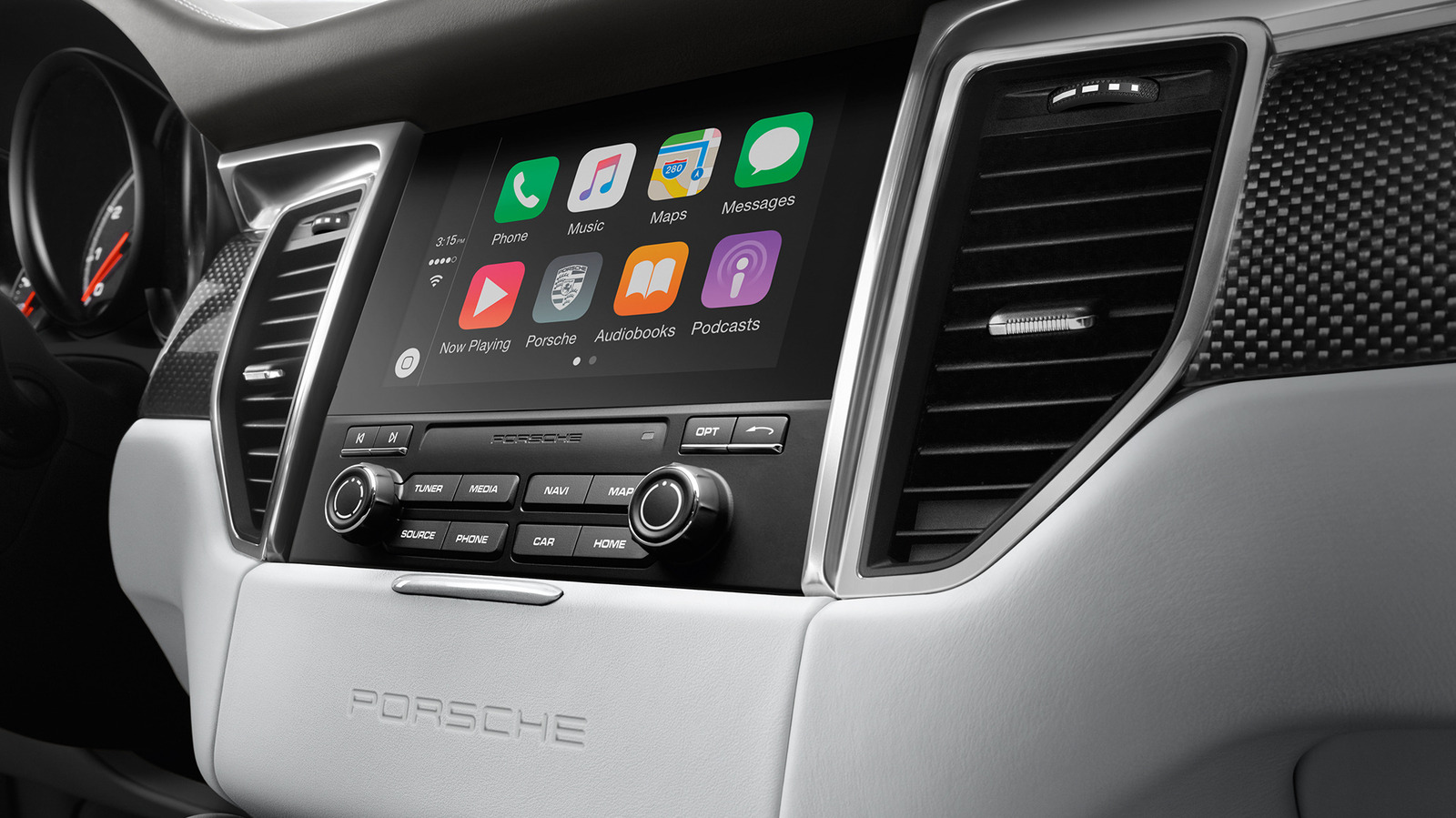

CarPlay Video Playback: A Long‑Promised Upgrade With Parked‑Only Reality
CarPlay video playback refers to the ability to view video content on a car’s infotainment display through Apple’s in‑car platform, whether by mirroring an iPhone screen or using native video functions, and it depends on specific hardware support and automaker integration to work safely while the vehicle is parked. That matters because drivers have been asking for proper car infotainment video for years, yet Apple has moved cautiously, prioritizing safety and hardware requirements over entertainment flash. The company did introduce video mirroring to CarPlay screens from an iPhone using AirPlay with iOS 26.4, but that was a partial step rather than a full streaming experience. In effect, Apple is saying: yes, your dashboard can be a screen for movies and shows—but only when the car is standing still, and only if the automaker invests in the right components.
From AirPlay Mirroring to Real Car Infotainment Video
Apple’s first serious push into CarPlay video playback came through iOS 26.4, which added the option to mirror an iPhone’s video to the car display via AirPlay. The idea is straightforward: you enable AirPlay inside supported apps, select your vehicle’s CarPlay infotainment system as the target, and whatever video plays on the phone should appear on the dash. In practice, though, this has felt more like a lab demo than a mainstream feature. The reality is that most CarPlay systems do not yet allow mirroring from an iPhone, even though wireless CarPlay already uses AirPlay as its underlying Wi‑Fi streaming layer. This gap between technical possibility and shipping products shows how slow the auto industry has been to embrace full in‑car entertainment, even as passengers live in a streaming‑first world.
The Hidden Hardware Barrier: Resolution, Codec, and Memory
The biggest obstacle to everyday CarPlay video playback is not Apple’s software; it is the hardware inside most dashboards. Developers have found that CarPlay video mirroring only works on displays with a minimum resolution of 1,920 x 1,080, yet many factory head units still fall short of that. On top of resolution, video streaming playback generally needs H.265 or HEVC codec support and at least 4GB of memory, another spec line that many older CarPlay systems miss. According to the source, these requirements help explain why demonstrations are rare outside developer simulations and why Apple has avoided promoting the feature aggressively. The message to drivers is clear: if your infotainment hardware is dated, you are unlikely to see dashboard video, no matter how current your iPhone software is.
Parked‑Only Viewing and Why Automakers Hold the Keys
Even where the hardware is capable, Apple is not willing to let video playback run wild while the vehicle moves. At its developer conference in 2025, the company said automakers must implement CarPlay video functionality themselves so that their systems can meet extra hardware demands and reliably detect when the vehicle is parked. This puts car infotainment video squarely in the hands of manufacturers. They decide when the screen can become a streaming surface and when it must remain focused on driving. So far, not one automaker has publicly announced support for this video functionality. That silence is telling: safety regulators watch in‑car screens closely, and brands are wary of being first to turn the dashboard into a mini‑cinema, even if playback is restricted to park.
What This Means for the Future of In‑Car Entertainment
For ordinary users, the impact today is limited: most CarPlay systems seem to block iPhone mirroring, and the parked‑only policy means video will be a feature for waiting in lots, charging stations, or pickups rather than commutes. This missing vehicle support may explain why Apple has kept its messaging low‑key around CarPlay video and focused more on navigation and voice features. Yet the direction is clear. As new models roll out with higher‑resolution displays, modern codecs, and enough memory, car infotainment video will feel less like a hack and more like a designed experience. Apple has drawn its line: video belongs in the car, but only under tight conditions. The next move is up to automakers. Until they embrace the specs and parking detection Apple requires, CarPlay video playback will remain a promising idea, not a standard part of the drive.