
A strategic reset: why the Galaxy Z TriFold delay matters
Samsung’s latest foldable smartphone news centers on a strategic shift in its experimental lineup, as a delayed Galaxy Z TriFold 2 and an accelerated slidable phone project reveal how rising component and memory costs are reshaping the roadmap for Samsung foldable phones and their future form factors.
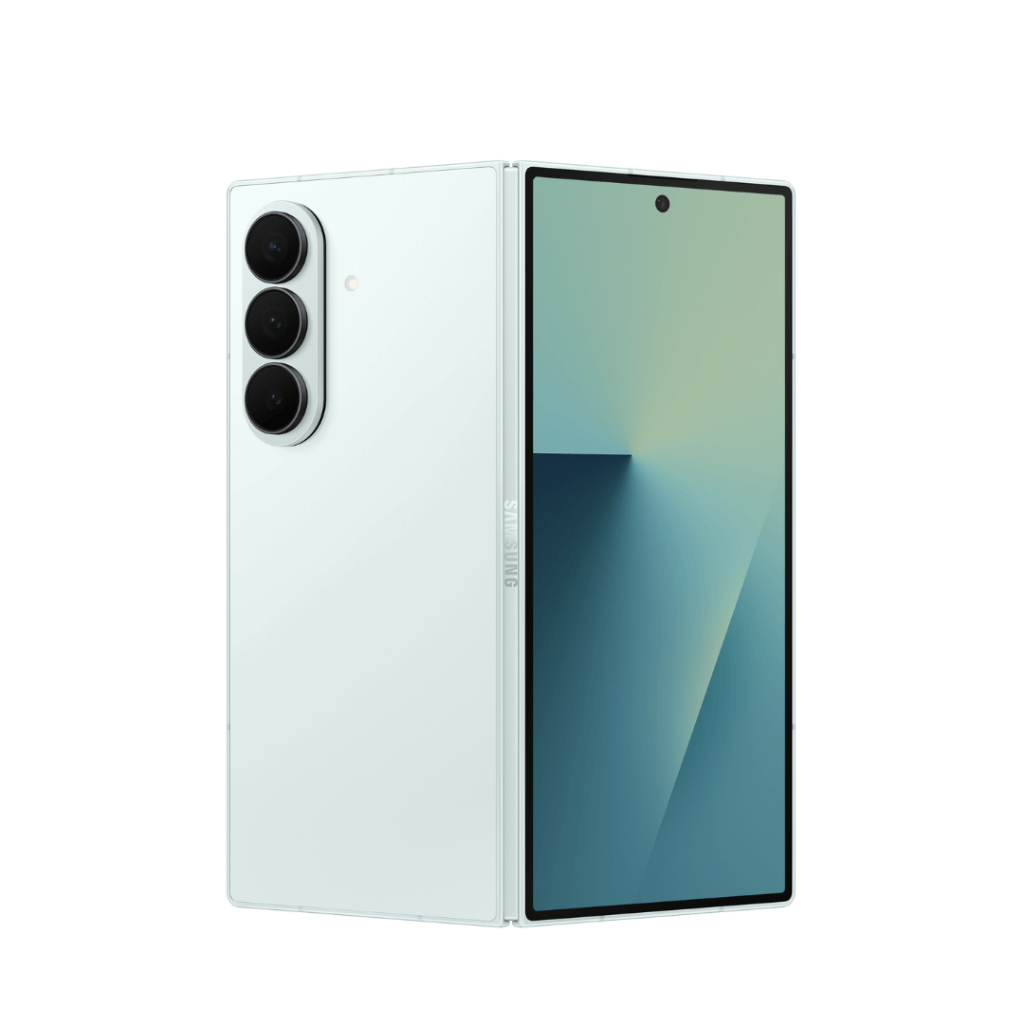
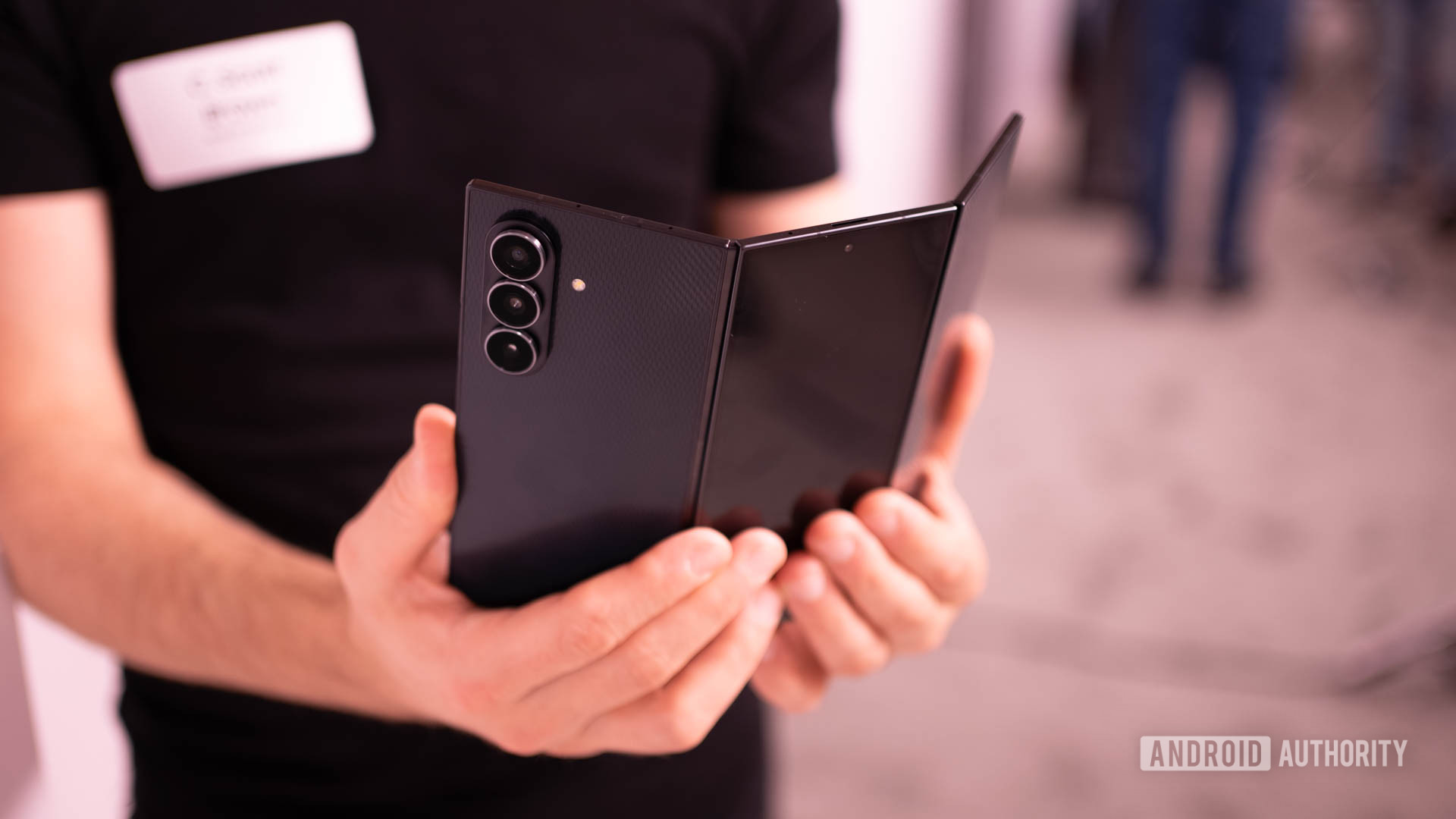
According to a well-known Korean leaker, Samsung is now likely to push back the launch of the rumored Galaxy Z TriFold 2 while its long-rumored slidable smartphone could arrive earlier than expected. This is not a minor scheduling hiccup; it is a clear signal that the company is reordering its priorities under real economic pressure. The second-generation TriFold is still being developed with a new hinge design, but “recent issues such as costs” are said to make a delay highly likely. In other words, the most ambitious experiment in Samsung’s foldable portfolio is being throttled not by lack of imagination, but by the bill of materials. That should concern enthusiasts who hoped the TriFold would become the new halo product for Samsung foldable phones.
| Device | Thickness (folded) | Weight |
|---|---|---|
| Current Galaxy Z TriFold | 12.9mm | 309g |
| Galaxy Z Fold 7 | 8.9mm | 215g |
Cost, not curiosity, is calling the shots
The uncomfortable truth is that the Galaxy Z TriFold delay is a financial decision dressed in engineering clothes. Samsung is reportedly redesigning the TriFold 2 with a completely new hinge that reduces both thickness and weight by making nearly every hinge component similar in thickness. A slimmer, lighter design would make a future TriFold considerably easier to carry and use. But hardware elegance is expensive, and those “recent issues such as costs” are a reminder that bleeding-edge design must answer to the spreadsheet.
At the same time, rising memory prices are forcing Samsung to rethink how it sells high-end devices. As Samsung prepares to launch its next-generation foldable smartphones, rising memory prices may be reshaping one of its most popular pre-order promotions. Sources say Samsung Electronics will no longer offer its free double-storage upgrade for the Galaxy Z Flip 8, Galaxy Z Fold 8 Ultra, and Galaxy Z Fold 8; instead, it will cover half of the price difference between the 256GB and 512GB versions. For the Galaxy S26 series, that gap was 253,000 won, and customers will now be required to pay 50% of the price difference, estimated at approximately 126,500 won. Enthusiasts accustomed to free upgrades are about to feel how much memory inflation hurts.
Why the slidable phone is suddenly in the fast lane
While the TriFold cools its heels, the Samsung slidable phone is moving up the queue, and that is not an accident. The leaker claims Samsung’s slidable phone has gained momentum and is now expected to launch sooner than previously expected. A separate report has Samsung targeting the first half of 2028 for its first commercial rollable or slidable smartphone using a rollable OLED panel. Unlike today’s foldables, a slidable phone expands by pulling part of its display out from inside the chassis rather than unfolding around a hinge.
Strategically, this makes sense. A slidable handset can deliver tablet-like screen real estate while keeping a more familiar smartphone silhouette when closed. That likely means fewer hinges, fewer structural complications, and potentially more predictable costs than a triple-panel device. In plain terms, Samsung appears to believe it can commercialize a slidable form factor sooner and at a more acceptable cost than a refined TriFold 2. If that proves true, the slidable could become the new poster child for Samsung foldable phones without the weight and bulk that made the first TriFold “substantially bulkier” than the Galaxy Z Fold 7.
Premium foldables meet Flex Titanium and harsher math
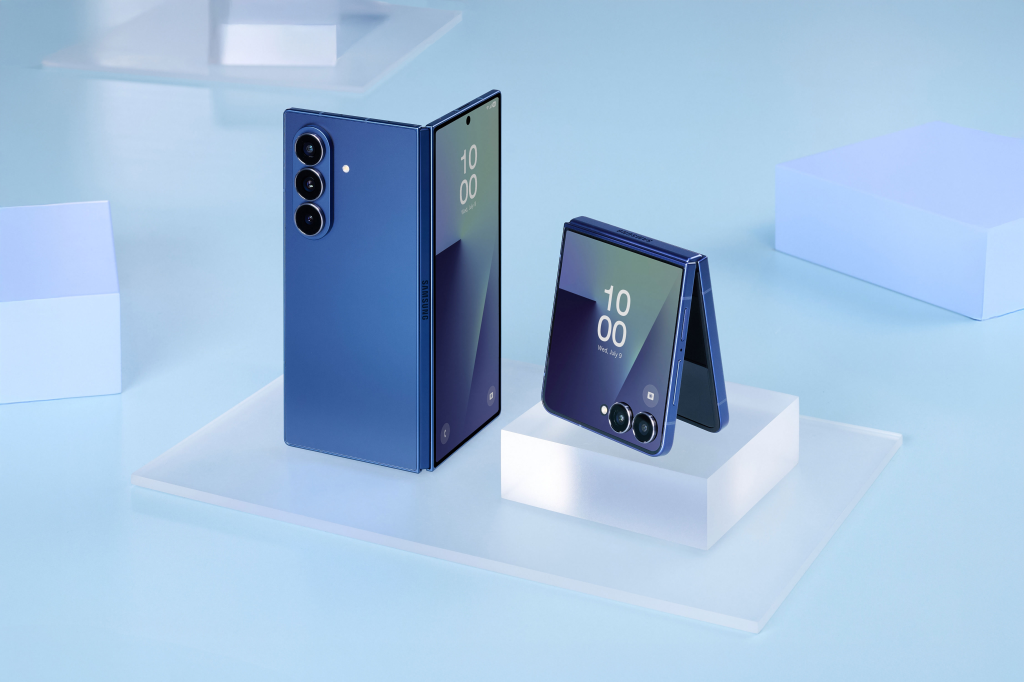
Even as Samsung experiments with TriFold and slidable concepts, its mainstream premium foldables are quietly being hardened for the next round of competition. Samsung has introduced new Flex Titanium display technology for its upcoming foldable smartphones, replacing the plastic film between the OLED panel and titanium backplate with a titanium alloy film. This alloy is said to provide 20 times greater stiffness than conventional polymer films and, combined with a redesigned titanium plate, aims to improve durability, support, flexibility, and crease reduction during folding. Flex Titanium is expected to be adopted in this year’s book-style foldable smartphones, including the Galaxy Z Fold 8 and the new passport-style “Wide Fold.”
At the same time, Samsung Electronics already raised the prices of the Galaxy S26 series by 99,000 won for 256GB and 209,000 won for 512GB models compared with the previous generation. When you combine tougher materials, lighter designs—the Galaxy Z Fold 8 is expected to weigh around 201g, giving it a portability edge over heavier rivals—and more expensive memory, the pattern is clear. Samsung is trying to make its foldables more durable and more practical while still protecting margins. The free lunch of early-adopter perks is over; the company expects customers to co-fund the progress they demand.
The new bargain: innovation, if you can afford it
Viewed together, the Galaxy Z TriFold delay, the accelerated slidable roadmap, and the changed pre-order incentives tell a blunt story. Samsung’s roadmap for next-generation form factors may be shifting, with the company prioritizing its slidable device over a follow-up to the Galaxy Z TriFold. The driver is not lack of ambition; it is the need to balance a premium foldable portfolio expansion with economic feasibility.
Enthusiasts will lament the slower path to a refined TriFold 2, but it is hard to fault Samsung for refusing to ship a heavy, costly niche device in a market where memory alone is expensive enough to kill beloved promotions. If anything, this moment forces a healthier reality: foldable smartphone news should not only celebrate wild prototypes, but also scrutinize who pays for them and how. For now, Samsung foldable phones are becoming lighter, tougher, and more expensive—while the most radical ideas wait for the numbers to add up.