
Mid-Range GPUs Are in a Price War—and Gamers Finally Win
The current wave of GPU price drops is a market correction where mid-range cards are finally falling to sensible levels as AMD undercuts Nvidia and older hardware returns as credible budget alternatives, giving gamers more meaningful choice at 1080p and 1440p instead of paying inflated launch premiums or compromising on weak memory configurations.
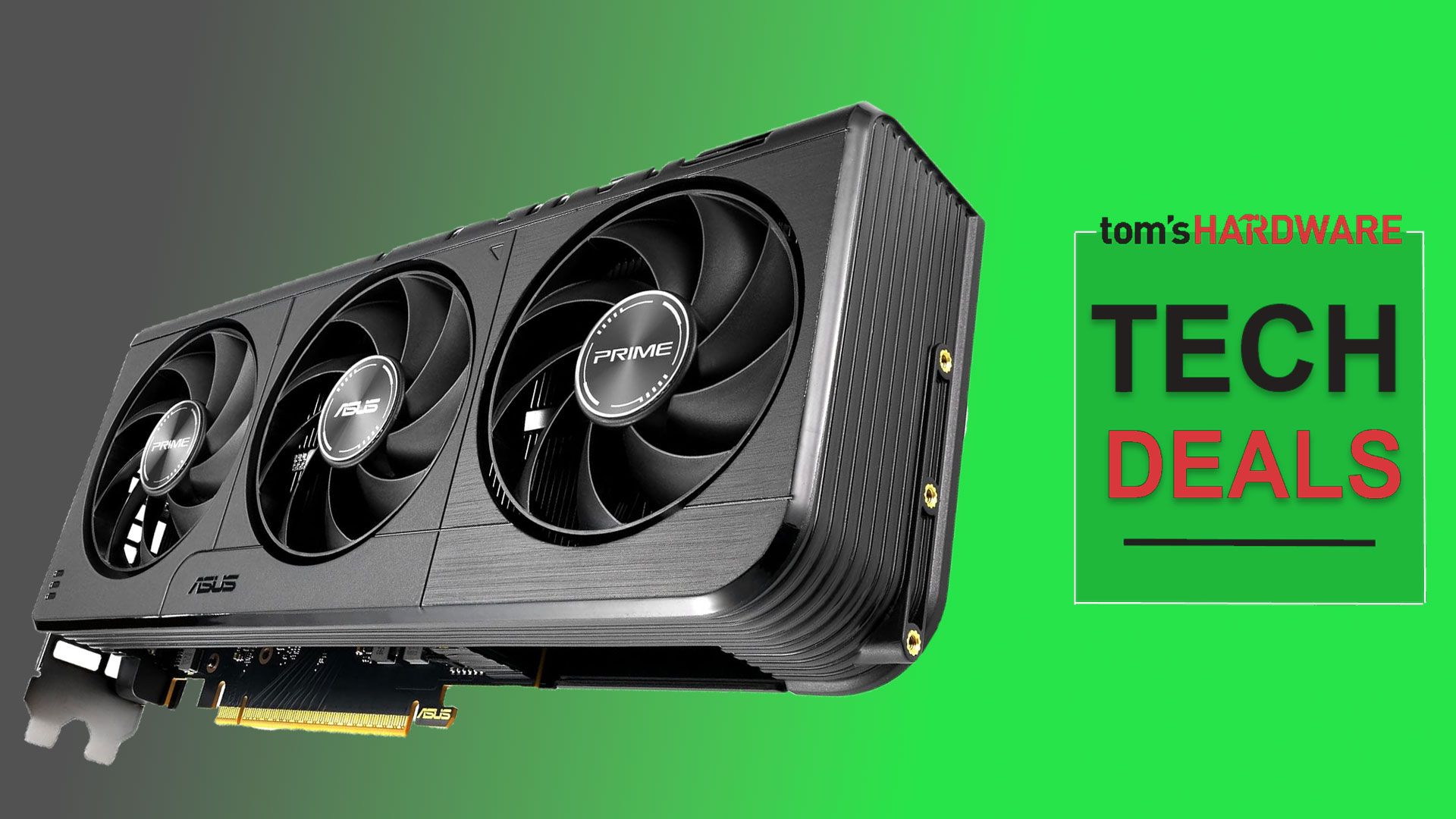
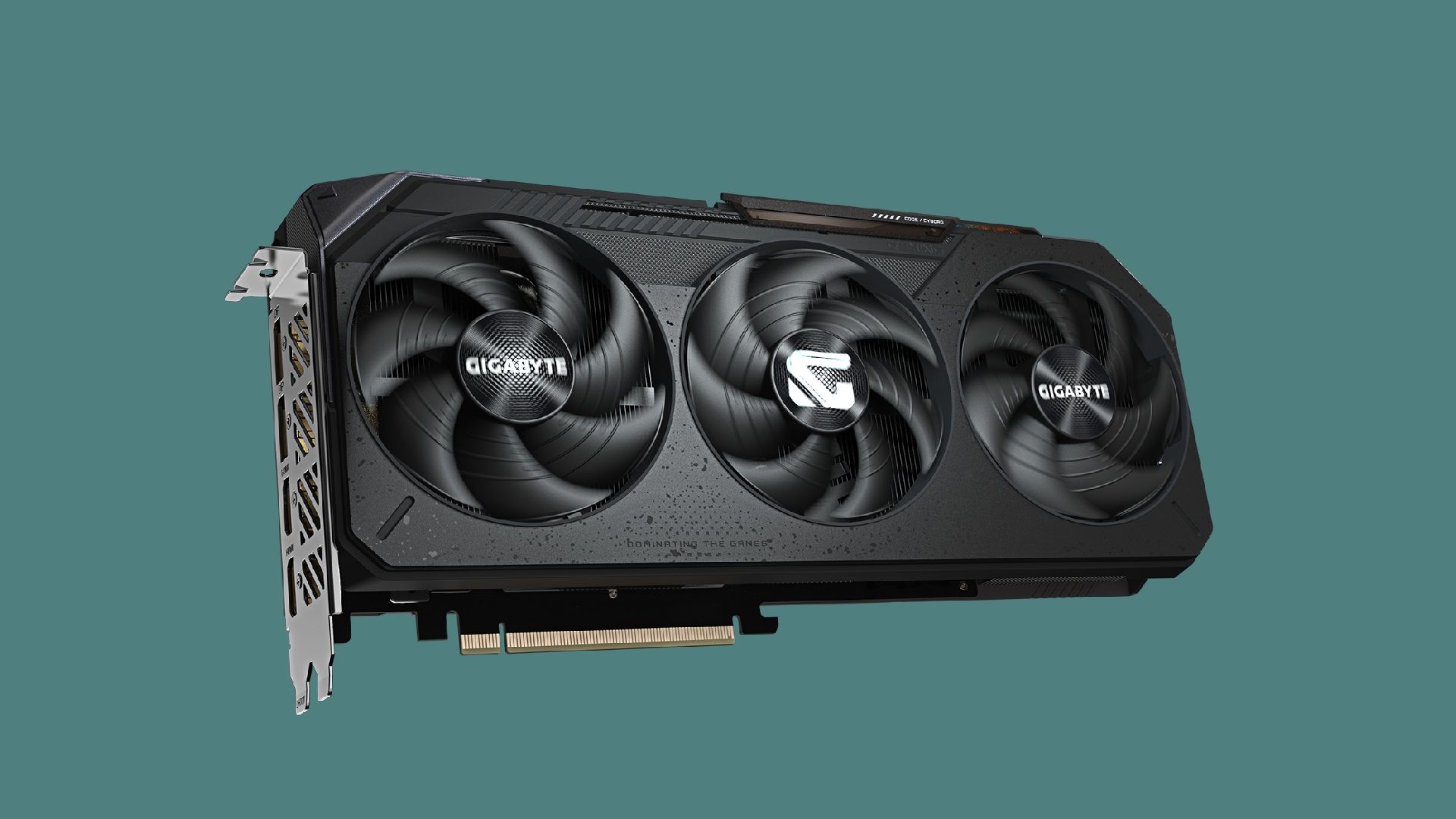
The clearest sign of this reset is AMD’s Radeon RX 9070 GRE, which went global last month at an MSRP of USD 549 (approx. ₱30,800) and has already dropped to USD 499 (approx. ₱28,000) for a Gigabyte model via a promo at a major retailer. This is the first price cut since launch and it lands the card squarely in the heart of the mid-range. AMD positions the RDNA 4-based RX 9070 GRE as a 1440p workhorse that averages 120 FPS at 1080p and 86.6 FPS at 1440p across an 11-game raster test suite. In other words, this is not a clearance-bin part—it is a modern card being priced aggressively on purpose.
AMD Undercuts Nvidia’s Mid-Range with RX 9070 GRE
AMD is not nibbling at Nvidia’s heels; it is swinging directly at the mid-range where most gamers spend their money. The RX 9070 GRE uses the same Navi 48 GPU as the RX 9070 and RX 9070 XT, with 48 compute units, 12GB of GDDR6 on a 192-bit bus, and a 220W TDP. That spec sheet is not glamorous, but it is practical: plenty of VRAM and bandwidth for 1440p, which is where high-refresh panels now dominate. In performance terms, it sits between AMD’s RX 9060 XT 16GB and RX 9070, giving users a middle step that used to be missing.
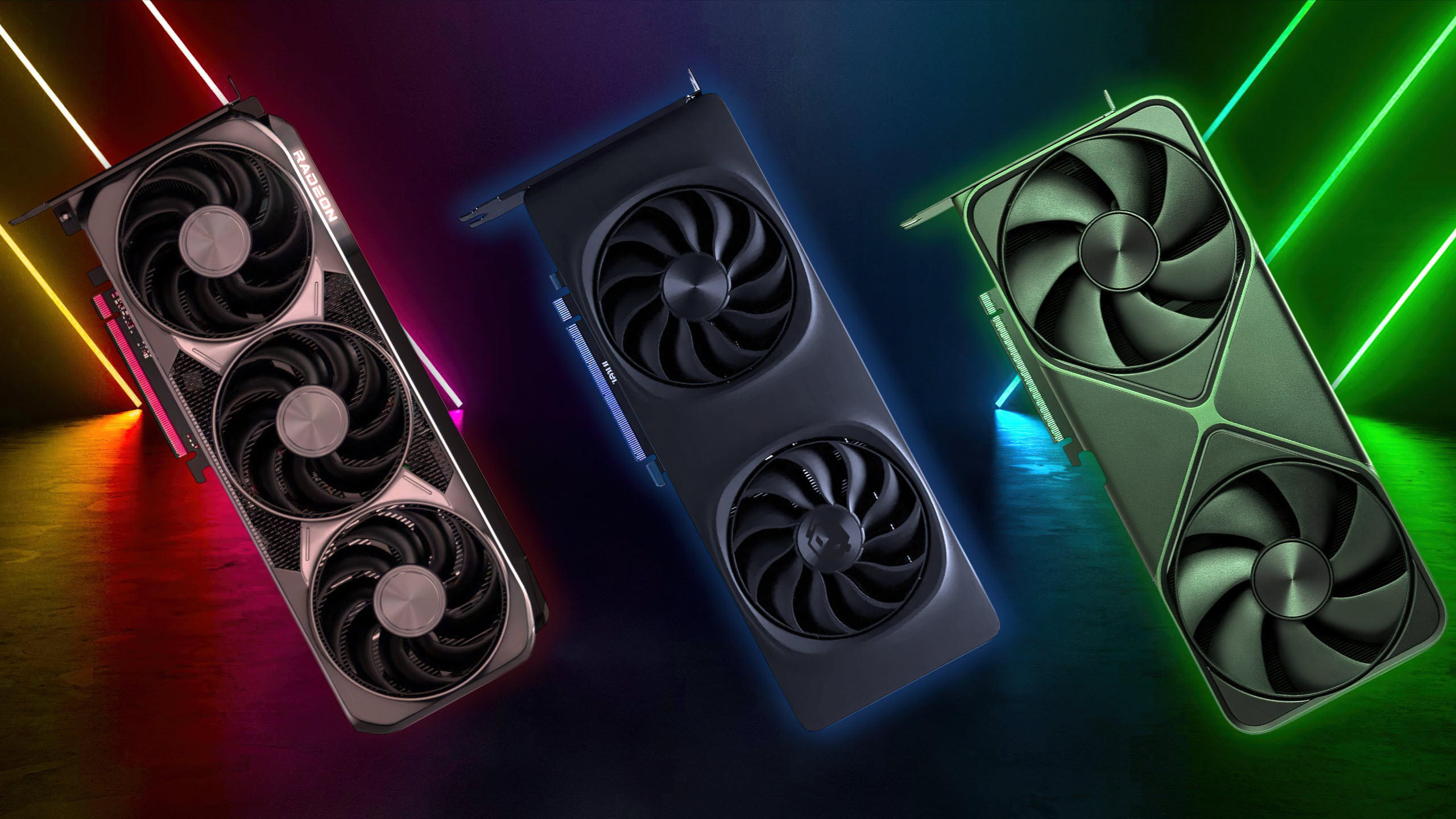
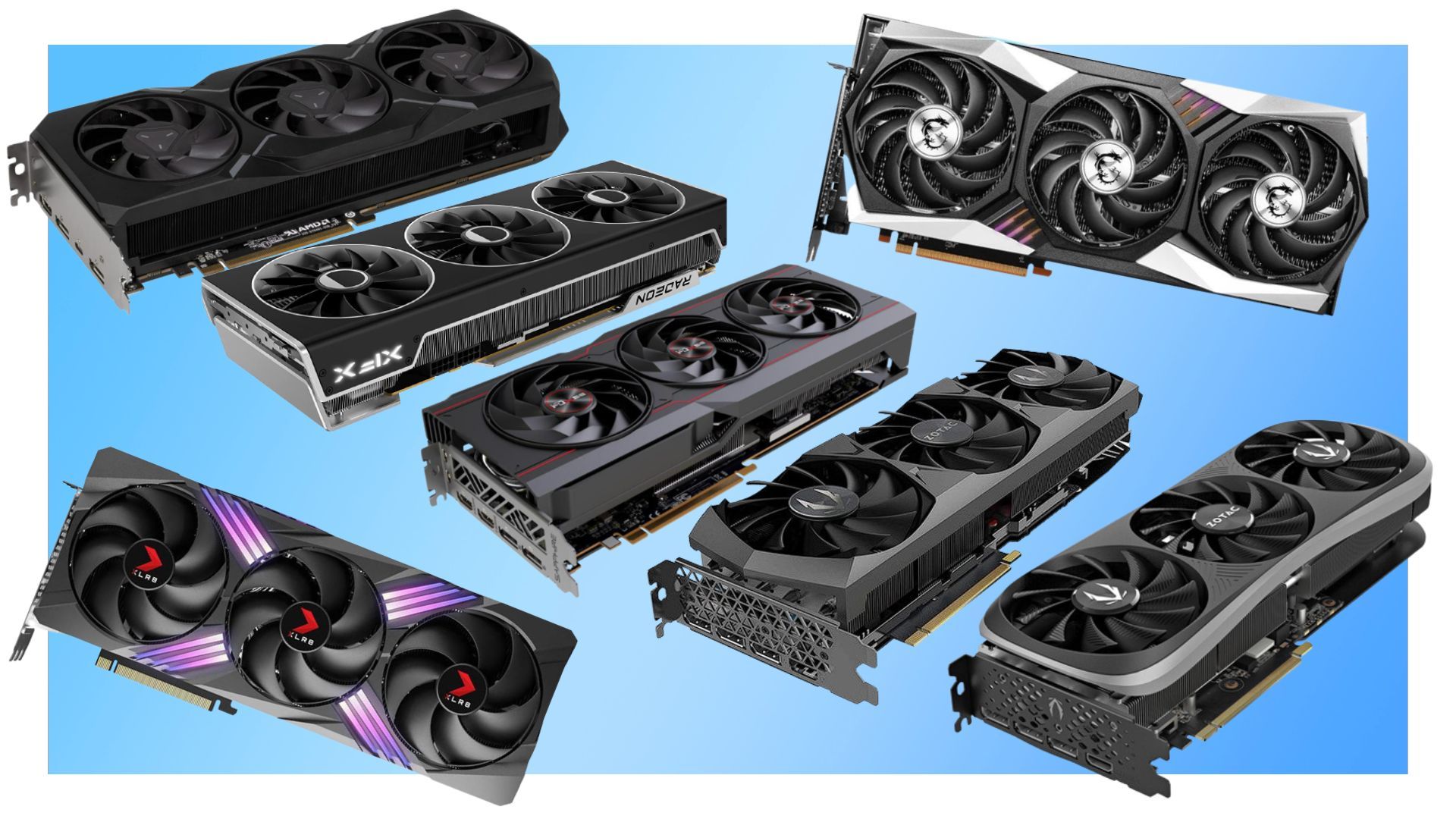
The real story is AMD vs Nvidia pricing. At its discounted USD 499 (approx. ₱28,000) level, the RX 9070 GRE goes head-to-head with Nvidia’s RTX 5060 Ti 16GB, which currently sells for well over USD 500 (approx. ₱28,000). That means AMD is offering more memory and strong 1440p frame rates for less money. AMD’s broader stack—RX 9060, RX 9070, and RX 9070 XT with MSRPs of USD 269 (approx. ₱15,100), USD 549 (approx. ₱30,800), and USD 599 (approx. ₱33,600) respectively—already undercuts many comparable Nvidia cards. This is not altruism; it is a power play to seize mid-range share while Nvidia chases AI margins. For gamers, that translates into the best GPU price drops 2026 has seen in this performance band.
The RTX 3060’s Comeback Exposes Nvidia’s Budget Missteps
While AMD leans on new silicon, Nvidia’s most interesting budget graphics cards story is a blast from the past. Sixty-six months after release, the RTX 3060 12GB has reappeared at retail with its original February 2021 MSRP of USD 329 (approx. ₱18,500). Earlier this month, a new MSI Ventus RTX 3060 12GB was spotted at exactly that price on a major store. In a market that spent years spiraling from shortages and scalpers, seeing a popular mid-range GPU land back at its launch price is surreal—and very telling.
The uncomfortable outcome for Nvidia is that this five-year-old Ampere card is a more convincing deal than its newest budget GPU, the RTX 5060. The 5060 is "undeniably the faster card" in raw performance and can beat the 3060 by 40–60% depending on the game. But its 8GB VRAM buffer is out of step with modern workloads. Meanwhile, the RTX 3060’s 12GB and mature GDDR6—less distorted by AI demand than GDDR7—make it better suited to longer-term gaming, local AI inference, and light productivity. According to one analysis, "the best budget GPU in 2026 seems to be the one made in 2021". That is a damning verdict on Nvidia’s current budget lineup.
Legacy Cards and Intel Pressure Nvidia’s Budget Tier
Nvidia’s newest budget GPUs are now squeezed from both sides: by AMD’s underpriced RDNA 4 parts and by resurrected legacy hardware that hits a better value curve. The RTX 5060 family does offer new Blackwell features, newer encoders, and access to the latest frame generation tools. Yet when a cheaper RTX 3060 gives you 12GB of VRAM, decent gaming performance, and wider utility across workloads, it is clear that raw speed is not the only metric that matters. Modern AAA games and AI tools increasingly punish 8GB buffers, and Nvidia’s insistence on squeezing memory capacity to protect margins has opened a gap competitors can exploit.
At the lower end, Intel’s Arc series has quietly become impossible to ignore for budget graphics cards builders. Current price indices note that Arc GPUs have "hit a price sweet spot that has been abandoned by Nvidia and AMD, especially for 1080p gaming". The same tracking tools advise buyers to compare older-gen prices with current offerings to judge whether a deal is real or if it is smarter to pay slightly more for newer tech. When older Nvidia cards and affordable Arc boards undercut RTX 50-series entrants, Nvidia’s budget offerings cease to be the default choice and become one option among many.
AI, Memory, and the New Logic of GPU Price Drops
Behind these graphics card deals lies an ugly but important backdrop: AI demand has warped the memory market. The memory industry is "besieged by insanely large memory orders for AI data centers and AI GPUs," which has pushed up gaming GPU prices overall. Nvidia is reportedly allocating memory based on how much revenue it can squeeze per gigabyte of VRAM, starving some consumer models while overfeeding high-margin AI parts. This strategy explains why some RTX 50-series cards ship with constrained VRAM and why mid-range pricing stayed stubbornly high until competition forced adjustments.
To counter this chaos, price tracking tools now act as AI-era compasses. One major index continuously lists the lowest prices for every recent GPU from Nvidia, AMD, and Intel, cataloging best U.S. prices, lowest-ever prices, and launch MSRPs for cards like the RTX 5090—currently with a best listed price of USD 3,979 (approx. ₱223,200) and an MSRP of USD 1,999 (approx. ₱112,000). These tools reveal where the market is correcting and where artificial scarcity persists. For GPU price drops 2026 buyers, using such trackers is no longer optional; it is the only way to tell a real bargain from a manipulated listing.
The conclusion is blunt: the mid-range no longer belongs to a single brand. AMD’s RX 9070 GRE price cuts, Nvidia’s RTX 3060 comeback, and third-party GPU price indices have given power back to buyers. If you are patient, compare AMD vs Nvidia pricing carefully, and stay open to older or alternative cards, you can land graphics card deals that would have been unthinkable during the mining and AI bubbles. The era of paying whatever a logo demands is over; the era of smarter, data-driven GPU shopping has begun.