

OLED and 8,000mAh: Redmi Note 17’s Aggressive Value Play
The Redmi Note 17 series is a family of budget and mid-range smartphones that pairs a large OLED display with a massive battery, aiming to make features common in higher-priced devices available to buyers spending under USD 200 (approx. ₱11,200) and competing with other sub-USD 200 (approx. ₱11,200) phones on value rather than raw performance. This matters because the budget segment has been stuck with smaller batteries and basic LCD screens, forcing users to choose between endurance and display quality. By putting a 7-inch OLED panel and an 8,000mAh battery in the standard Note 17 while keeping its price under USD 200 (approx. ₱11,200), Xiaomi is not following the usual budget formula—it is rewriting it. The series has been fully unveiled with two phones, with the Pro model targeting mid-range buyers and the standard version doubling down on aggressive specs-for-price.
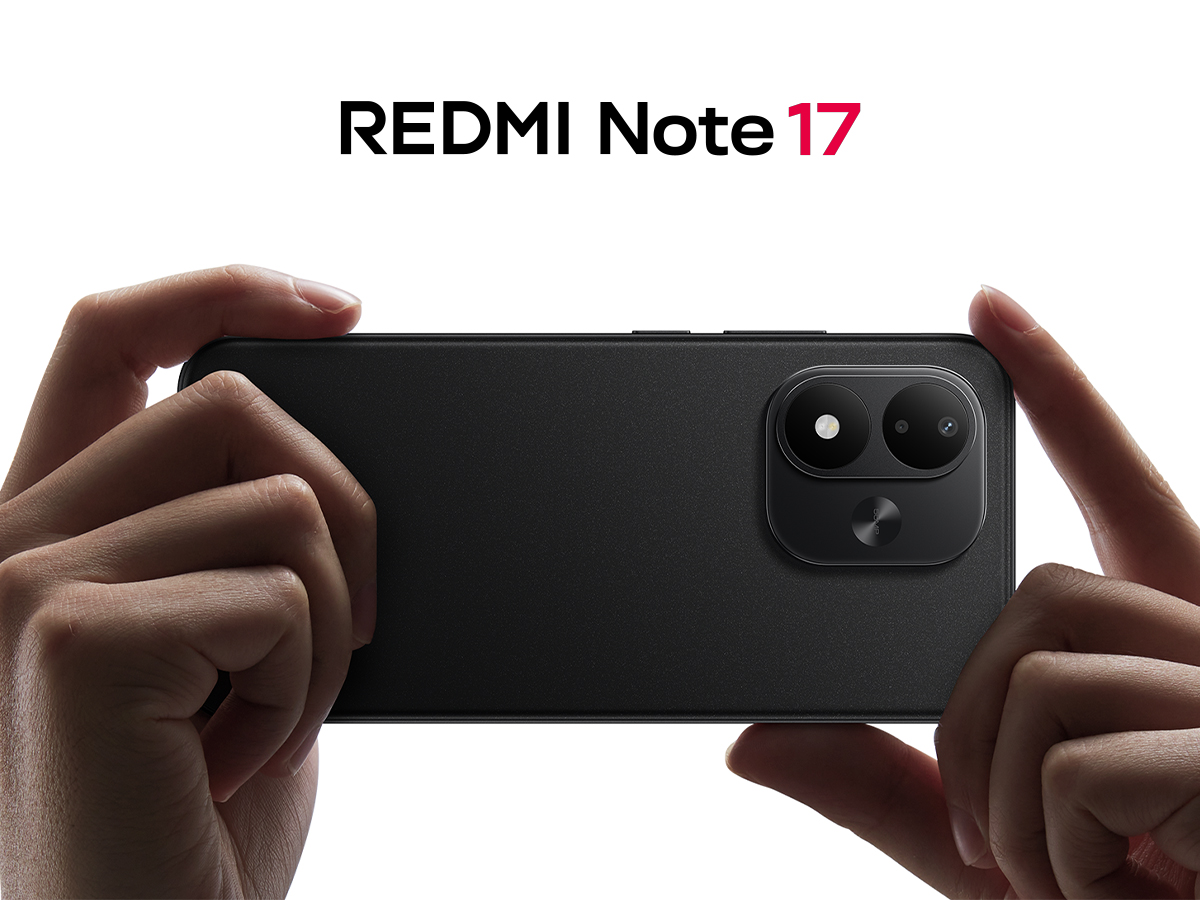
Redmi Note 17 Specs: Big Screen, Modest Power, Giant Battery
On paper, the Redmi Note 17 specs look like a deliberate trade: display and endurance over raw horsepower. The standard model comes with a 7-inch OLED display at 2396x1080 resolution, 120Hz refresh rate, and a claimed peak brightness of 1,800 nits, plus a 2,160Hz touch sampling rate for responsive input. That is the sort of panel configuration often associated with more expensive devices, yet this phone is "coming in under USD 200 (approx. ₱11,200)" in its home market. Under the hood sits the Snapdragon 4 Gen 4, an entry-level SoC matched with up to 8GB of RAM and 256GB of storage, which reinforces that this is not a performance-first phone. You also get microSD card expansion up to 2TB, NFC, and an IP65 water-resistant rating, signaling that Xiaomi wants budget buyers to feel less like they are settling and more like they are opting into a carefully balanced feature set.
Battery-Centric Design: Redmi Note 17’s 8,000mAh Statement
The Redmi Note 17 battery strategy is blunt: give budget users far more capacity than they are used to and treat endurance as a headline feature, not an afterthought. With an 8,000mAh pack, the standard Note 17 leaps far beyond its predecessor’s 5,800mAh capacity, a numerical jump that signals a shift in priorities. This is paired with 45W fast charging and 22.5W reverse charging, turning the phone into a kind of everyday power bank for other devices. The camera setup—a single 50MP rear sensor and an 8MP selfie camera—looks basic next to the battery stats. But that is the point: Xiaomi is betting that buyers in this price tier care more about screen and uptime than about multi-camera gimmicks. In a market where brands often chase spec-sheet buzzwords, Redmi’s choice to center value on battery life and display quality is refreshingly direct.
Redmi 17 4G: Global Budget Companion with Different Trade-offs
The Redmi 17 4G extends the family’s reach as a budget-oriented model that appears on multiple regulatory databases, pointing to an upcoming global launch and confirming broader ambitions beyond the initial Note 17 release. Renders and leaks outline a 6.9-inch display at 1,600 x 720 resolution with 120Hz refresh, a MediaTek Helio G91 Ultra chipset, up to 6GB of RAM, and up to 256GB of storage, plus a 50MP main camera and 8MP front camera. Its battery is no slouch at a reported 7,500mAh with 45W wired charging, modestly above the Redmi 15 4G’s 7,000mAh and 33W charging. The phone is said to support NFC and a side-mounted fingerprint scanner and weigh 232 grams. European pricing leaks put the 4GB/128GB variant at EUR 250 (approx. ₱16,000) and the 256GB version at EUR 280 (approx. ₱17,920), positioning it as a more expensive companion that trades the Note 17’s OLED for a different balance of specs.
Verdict: A New Baseline for What Budget Phones Should Offer
Taken together, the Redmi Note 17 specs and pricing show a clear philosophy: if budget phones are where most people buy, then budget phones should feel less compromised. By offering a 7-inch OLED, IP65 water resistance, NFC, and a huge 8,000mAh battery under USD 200 (approx. ₱11,200), Xiaomi is raising expectations for what "affordable" can mean in the sub-USD 200 (approx. ₱11,200) bracket. Meanwhile, the Redmi 17 4G’s regulatory appearances and leaked EUR 250–280 (approx. ₱16,000–₱17,920) price points suggest Xiaomi wants a global footprint for this strategy, even if that model trades OLED for a lower-resolution display and slightly smaller battery. The message is unmistakable: battery size and display quality are becoming central to value, not perks reserved for premium tiers. Competitors that keep shipping dim LCDs and modest batteries in the same price bands will look outdated next to the Note 17. Buyers should start demanding this level of endurance and screen quality as the new minimum.