
From AI Toy to Serious Editor
Google Vids is an AI video creation and editing tool that now uses conversational prompts and personal avatars so people can generate, refine, and appear in videos without touching a traditional editing timeline or camera.
The key shift is this: Google Vids is no longer a cute generator for slide-style clips, it is turning into a place where the whole edit happens. Google has plugged its multimodal Gemini Omni model into Vids, allowing users to create or edit videos from natural language prompts, whether they start with text and images or an existing clip. Instead of scrubbing a timeline, creators can tell the system to swap backgrounds, fix lighting, or add effects with conversational prompts. This is not a side feature; it is Google rewriting the editing workflow so description becomes the main interface.
Conversational Video Editing Changes the Default Workflow
Conversational video editing is more than voice control; it is a new mental model for how edits happen. With Gemini Omni, people can start with a simple text prompt in natural language and add image references, like photos or sketches, to generate a video that matches their vision. When the result is close but not right, they keep talking to the tool instead of diving into nested menus. The model is friendlier to conversational text, so editors can describe what they want to see and let the AI handle the technical steps.
This matters because most potential creators are blocked by software, not ideas. Traditional AI video creation tools often felt like demos; they produced a clip, then pushed users back into conventional software to fix the problems. Here, the loop stays in one place: generate, review, talk to adjust. That makes Google Vids AI editing feel less like a gimmick and more like a realistic alternative to entry-level editing suites.

Personal Avatars Turn the Creator Into a Configurable Asset
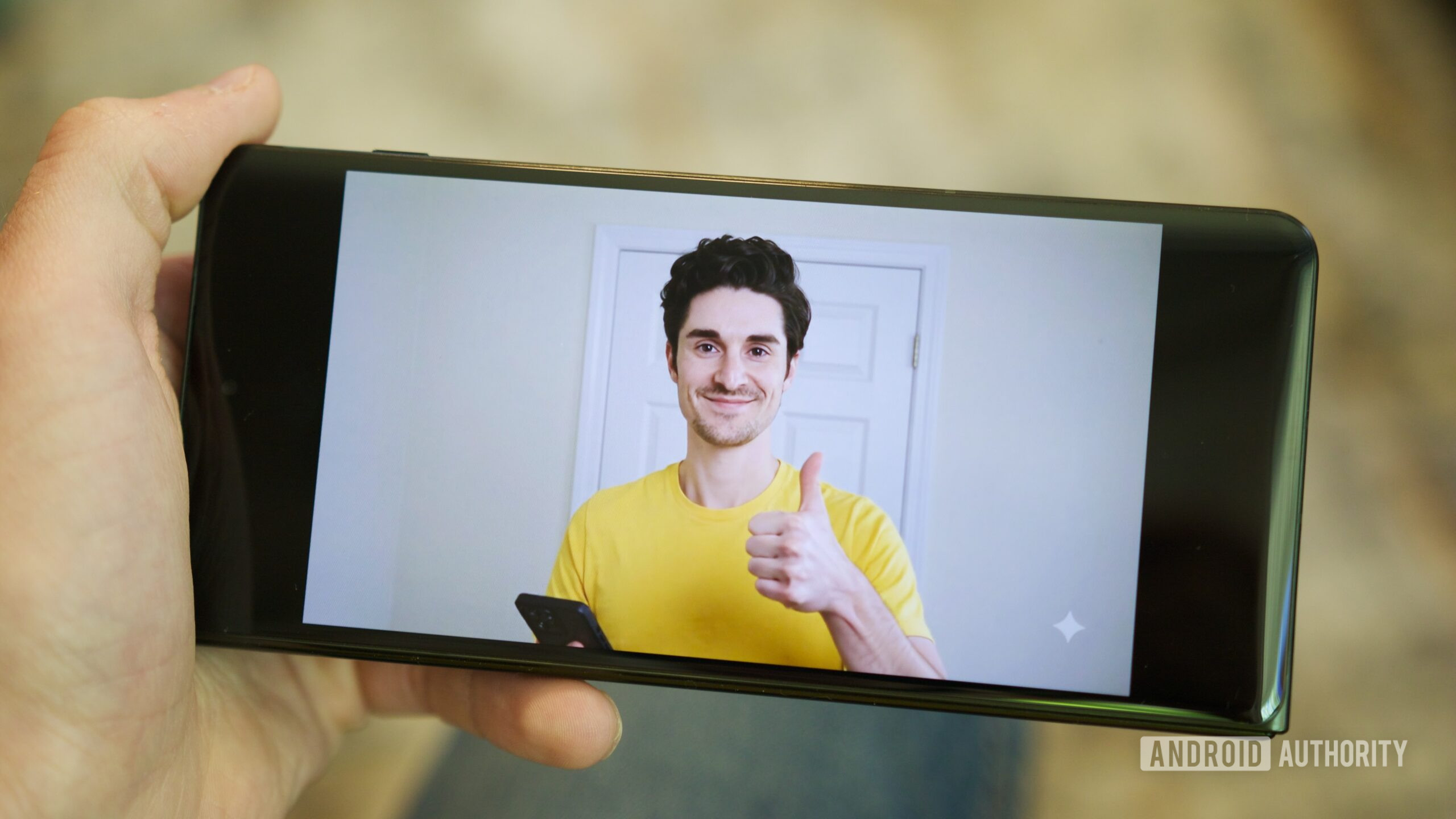
The most disruptive part of these updates is not the editing; it is the creator’s new ability to be present without being present. Google is adding personal avatars to Vids, letting users appear in videos without stepping in front of a camera. After uploading a single selfie and a short voice recording, Vids creates a digital version of the user that can deliver any typed script. In practice, that means creators can record a virtual version of themselves once and reuse it for endless takes, formats, and languages.
Critics will point out that this essentially allows people to deepfake themselves, and they are right; Vids personal avatars essentially allow the user to deepfake themselves. The important nuance is control. Avatars are restricted to the account holder’s likeness, tied to their Google account, and limited to users over 18 in supported regions. Every AI-made clip also ships with an invisible SynthID watermark that can be used to verify its source. That blend of power and guardrails is exactly what professional creators have been waiting for.
AI Video Tools Are Quietly Growing Up
What makes these changes notable is not a single flashy feature, but the sense that AI video creation tools are learning from their early missteps. Google Vids started out as a workplace presentation tool, yet these updates make it more of a standalone video generator and editor. Instead of spitting out one-off clips, the system now supports the full cycle: script, generate, edit, re-edit, all guided by natural language. Gemini Omni allows users to create anything from any input, including audio, video, photos, and text, and mixes these inputs to match the user’s vision.
You can see the same maturing arc in Google’s broader AI stack. While some high-profile experiments across the industry have stumbled, Vids is a reminder that capability does not advance evenly; some parts of AI are quietly becoming reliable tools. For working creators, the meaningful question is no longer whether the AI can generate video, but whether it saves time. With conversational controls that skip the timeline, avatars that cut reshoots, and built-in provenance tools, the answer is increasingly yes.
The New Creative Baseline: Talk, Don’t Tinker
The big picture is clear: AI video is moving from novelty to infrastructure. Google Vids AI editing shows what happens when you treat language as the primary editing surface, not an add-on. Instead of fiddling with keyframes, creators and teams can brief the system in plain English and iterate conversationally. For many, this will be the first time video feels as fast as writing.
There are open questions about overuse of avatars and the risk that feeds fill with synthetic faces. But the direction of travel is set: if you work with video, your future tools will listen as much as they render. In that future, the creators who benefit most will not be the ones who know every keyboard shortcut; they will be the ones who can describe, clearly and precisely, what they want to see on screen.