
The core problem: Pixels are stable again, but gaming still stutters
The Pixel gaming performance bug is an ongoing issue where some Google Pixel phones exhibit lag, stutter, and degraded frame rates in popular games after recent Android and firmware updates, even though general system stability problems such as boot loops and app crashes have been officially patched. Google’s July Pixel update is being sold as a clean reset after Android 17’s rocky rollout, but for many players, it feels more like a partial repair than a full fix. The update focuses on reliability: it addresses a serious system issue that left some Pixel devices failing to start up or stuck in repeated restart cycles. That is not a small win—phones that no longer boot are useless—but it leaves a very specific group out in the cold: people who bought a Pixel to play games smoothly.
According to Google’s own bulletin, this July release is the first monthly patch since Android 17 reached stable status and is available for devices from the Pixel 6 series through the Pixel 10 lineup, including tablets and foldables. Yet the same update that restores basic usability for some has not restored confidence for those dealing with gaming slowdown. In effect, Google has fixed the worst Pixel device crashes and boot failures while leaving a quieter, but still miserable, problem for gamers to troubleshoot on their own.
What the July update fixed—and what it ignored
The July Patch is a classic example of a targeted fix that leaves collateral damage. On paper, its achievements are clear: the biggest improvement is a fix for a system issue that caused some Pixel devices to fail to start or get trapped in restart cycles. That alone eliminates a major class of Pixel device crashes that had people staring at a frozen Google logo instead of a lock screen. The update also cleans up several smaller annoyances, such as apps that unexpectedly close or refuse to launch and widgets that display the wrong colors or contrast settings. Even cosmetic oddities, like wallpaper effects overlaying the main subject of an image, have been addressed, alongside display quirks such as misaligned navigation buttons on the Pixel 10 Pro Fold.
But all of this stability work sits in a separate lane from gaming. The bulletin itself underlines a familiar pattern: major operating system upgrades introduce fresh bugs even as they ship new features. That is exactly what Android 17 has done. While boot loops and display issues received direct attention, gaming performance did not. Google has prioritized making Pixels start, stay on, and show the right visuals; it has not yet prioritized making them play games smoothly. For players, that gap is not a detail—it is the main story.
Player reports: lag, overheating, and broken expectations
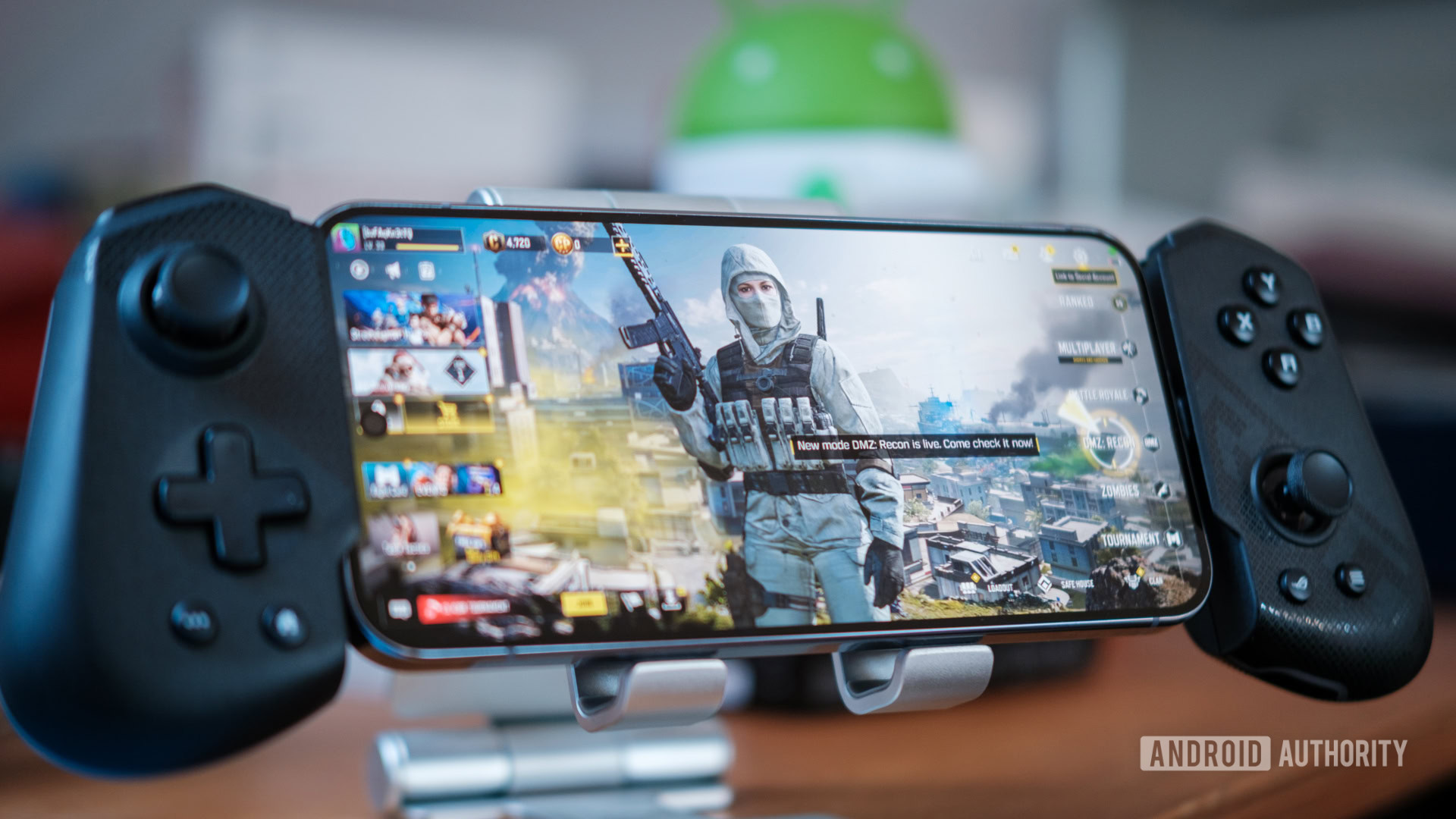
If the July patch is supposed to be a reassurance, Pixel gamers are not convinced. Reports from Pixel 10 Pro owners describe “massive” performance issues during gaming after a recent update, with games becoming laggy even when all other apps are closed. Others say battery life has taken a hit and the phone now overheats following last month’s Android 17 update. The pattern is hard to ignore: multiple players are seeing problems in titles that are neither new nor especially demanding, such as Brawl Stars, Clash Royale, and Hill Climb Racing 2. One commenter goes as far as saying the June update “absolutely destroyed” gaming on their Pixel 10 Pro in Clash Royale and that the July update did nothing to repair it.
Meanwhile, some other Pixel owners report no trouble running the same games. That inconsistency is almost worse than a universal bug; it suggests that the Pixel gaming performance bug may depend on specific combinations of hardware, settings, or usage patterns. It also leaves players in a frustrating limbo. If your device is one of the unlucky ones, you are stuck reading success stories that do not apply to you while your own matches lag and your battery drains faster than it did before. The result is a growing sense that Google Pixel update issues are being solved unevenly: boot loops for everyone, gaming fixes for no one in particular.
Why gaming issues feel separate—and what players can try now
The split between what Google fixed and what gamers feel points to a simple, uncomfortable reality: these gaming-specific issues appear to be separate from the general stability fixes in the July update. Boot loops, app crashes, and display quirks are system-level defects; the Pixel gaming performance bug looks more like a combination of Android 17 changes, device-specific tuning, and perhaps aggressive power or thermal management. That would help explain why some phones crawl while others cruise through the same games. It also fits the official messaging that, even after this patch, some Pixel owners are waiting for fixes for battery drain and other performance problems and that cleanup work may continue in future quarterly updates.
In the meantime, players are left improvising their own “Android gaming lag fix” routines: limiting background apps before gaming sessions, lowering in-game graphics settings where possible, disabling optional visual effects, or keeping an eye on temperatures to see whether overheating correlates with frame drops. None of this is satisfying; users should not have to treat a flagship phone like a fragile dev kit. Yet until a Pixel-specific patch tackles gaming performance head-on, these small adjustments may be the only practical tools gamers have.
Conclusion: Google fixed the crash, not the experience
The July Pixel update proves that Google can move fast when devices stop turning on. It fixed a serious boot loop issue, reduced app crashes, and tidied up a range of visual bugs across the Pixel 6 through Pixel 10 family, tablets, and foldables. But it did not fix what matters most to many Pixel 10 Pro owners who play games: smooth, reliable performance. They still report lag, overheating, and declining battery life in everyday titles, and say recent software updates—including Android 17—have made things worse, not better.
That split decision should worry anyone invested in Pixel as a gaming device. Stability without performance is like a console that always boots but drops frames in every match. Future Google Pixel update issues will keep surfacing as Android evolves, but this episode sends a clear message: gamers are no longer content to wait for incidental fixes that piggyback on security patches. They need explicit, gaming-focused updates that treat their complaints as first-class bugs, not side effects.
![[New Arrival] Google Pixel 10 Pro 5G Dual Sim Smart Phone | Shopee Philippines](https://img.milik.ai/product/2026/07/18/b762ea51-c9ba-4131-8979-cc63495f1f0f.jpg)