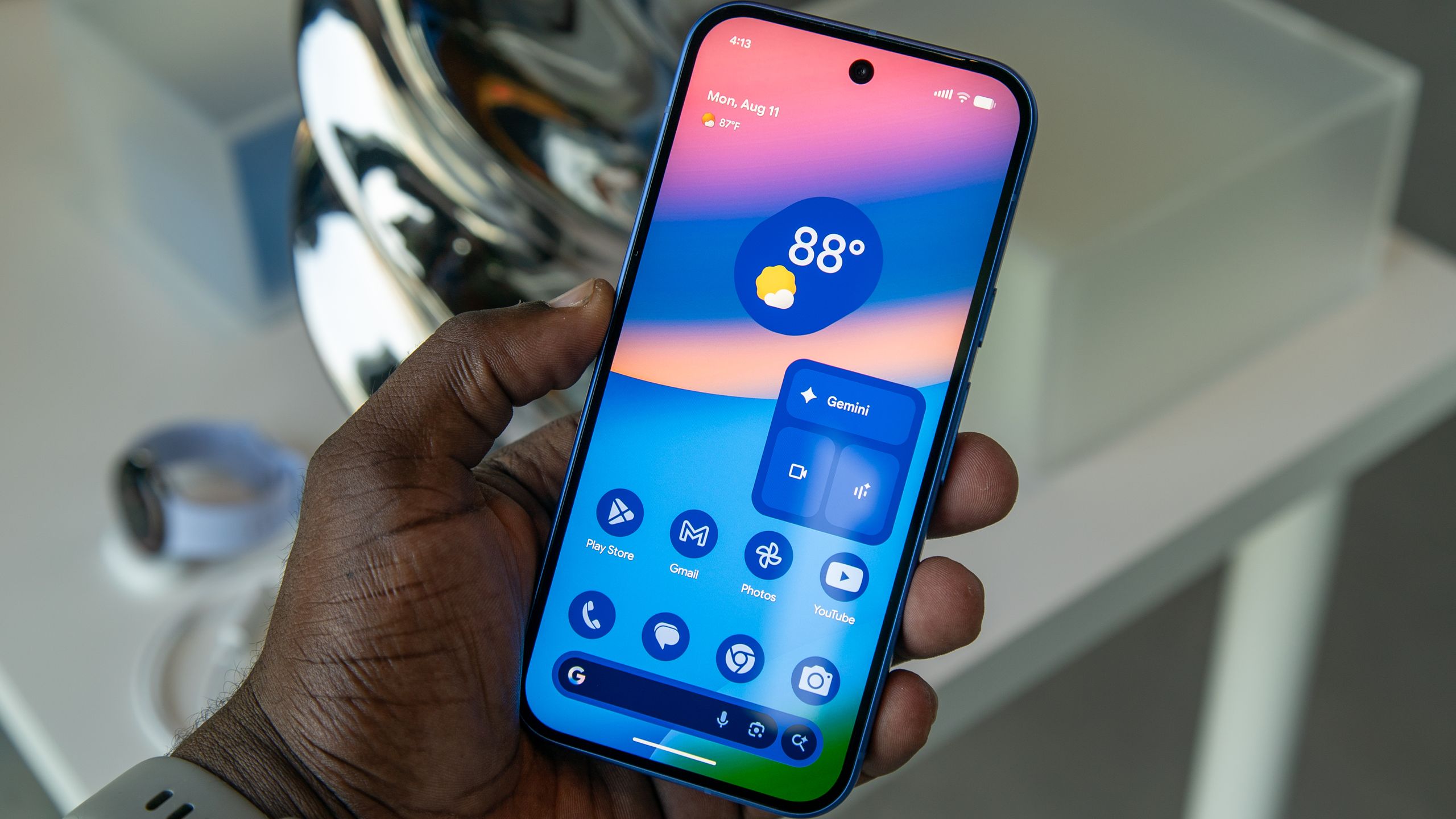


Flex Titanium: A New Backbone for Galaxy Foldable Innovation
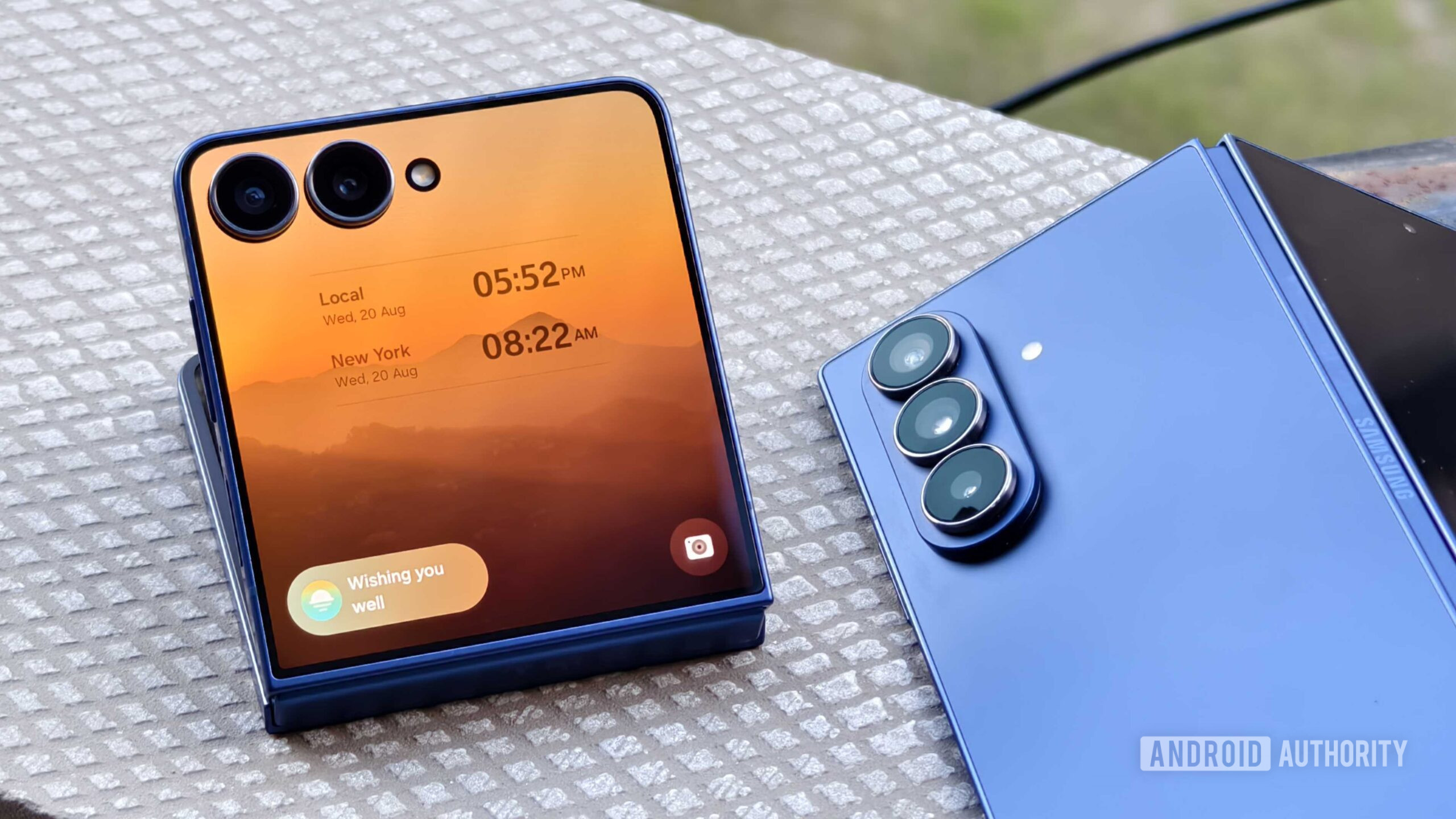
Flex Titanium display is Samsung’s newly developed foldable screen structure that replaces traditional support layers with two titanium-based components beneath the OLED panel, aiming to create slimmer, tougher, and more durable Galaxy foldable phones by improving stiffness, crease visibility, and long-term resistance to daily folding and unfolding. This is not a cosmetic tweak; it is a deliberate attempt to fix the core weaknesses that have held foldables back. Early foldable phones asked users to accept thicker devices, prominent creases, and constant worry about fragility as the price of innovation. Flex Titanium flips that bargain by attacking those pain points at the structural level. By redesigning the internal support system instead of merely refining the hinge or outer frame, Samsung is signaling that the era of experimental foldables is over. The next generation is supposed to feel like a mature product, not a science project.
How Two Titanium Layers Reinvent Samsung Foldable Technology
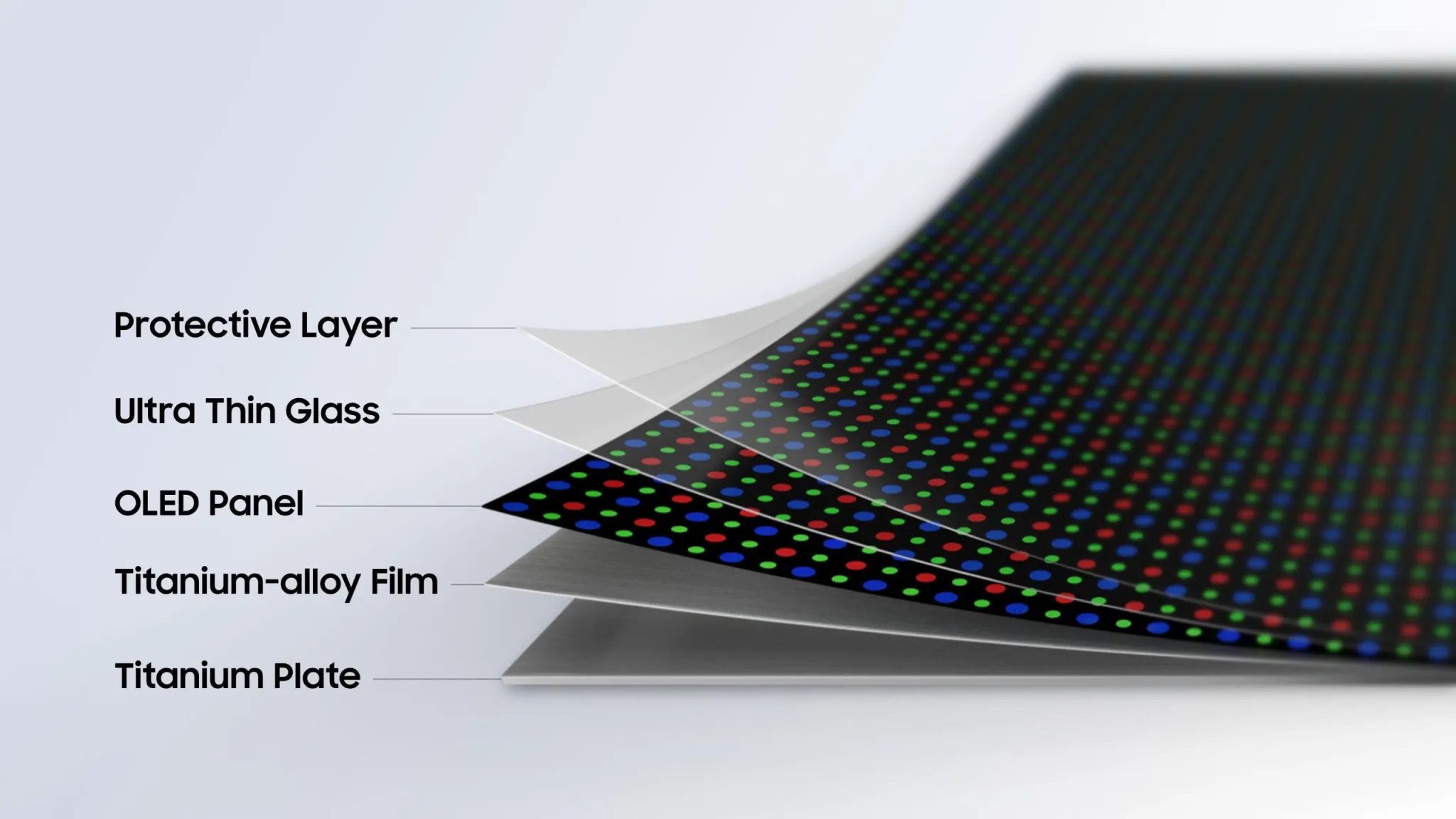
The promise of Flex Titanium comes from a deceptively simple idea: swap out the old support stack for titanium. The new display structure combines two titanium-based components—a titanium-alloy film and a titanium plate—under the OLED panel. The titanium-alloy film sits directly beneath the OLED display, providing support while staying thin enough to avoid adding bulk; Samsung says it offers higher mechanical stiffness than conventional polymer film. According to one report, this film is formed through an ultra-precise rolling process and is only about a third the thickness of a human hair, yet roughly twenty times stiffer than the usual polymer films. Beneath the overall display module is a flexible titanium support plate. Engineers designed it to give more stable support when the device is unfolded while allowing the screen to withstand repeated folding without failing or deforming. Together, these layers create a structural spine that aims to be both strong and bend-friendly.
Thinner Phones, Fewer Creases: Why Titanium Matters in Daily Use
Titanium is not new to demanding environments; it is prized for strength and corrosion resistance in spacecraft, satellites, and Mars rover wheels. Bringing that material into foldable phones is a statement: Samsung wants foldables to feel like reliable everyday tools, not fragile prototypes. The titanium-alloy film and support plate boost durability without adding bulk, delivering strength and flexibility while keeping devices slim. Practical outcomes matter more than material science buzzwords. This setup blends titanium-based materials with modern OLED design so users get a display that can handle daily wear and also look and feel better—say goodbye to deep creases and that nagging worry about fragility. The flexible titanium plate uses a micro-patterned hole design and removes air gaps between display components, improving bonding and longevity and making the fold line less visible. In short, Flex Titanium targets exactly what has made many people hesitate about foldables: thickness, visible creases, and doubts about durability.
From Experimental to Everyday: What Flex Titanium Means for Durable Foldable Phones
Foldable phones will not go mainstream until they stop feeling like compromises. Flex Titanium is Samsung’s attempt to cross that line. The company positions this display as its newest foldable technology meant to make the next wave of Galaxy foldables slimmer, tougher, and more durable. It directly addresses long-standing durability concerns—phones wearing out too soon or developing ugly creases—by rebuilding the screen’s support system. Beyond titanium, Samsung is also upgrading the display itself, with higher resolution, next-generation organic OLED materials, and improved power efficiency for crisper visuals, nicer colors, and better battery life. Flex Titanium claims to deliver enough change to "change how people think about foldable phones," with devices expected to be sturdier, look better, and make more sense for day-to-day life. If those claims hold up, this will mark a meaningful step in Galaxy foldable innovation, turning durable foldable phones from niche curiosities into credible primary devices.
What to Expect from the Next-Generation Galaxy Foldable Lineup
The most important detail for buyers is simple: Flex Titanium is not a distant concept; it is headed to real hardware. Samsung has introduced Flex Titanium as a new display technology that will be used in its next-generation Galaxy foldable smartphones. The company has confirmed that Flex Titanium will debut with its upcoming Galaxy foldables, with more information promised at the next Galaxy Unpacked event. Independent reports echo this expectation, noting that while Samsung has not named specific models, "pretty much everyone expects" Flex Titanium to launch with the new foldable lineup. That timing matters. After seven generations refining the compromise between toughness and flexibility, Samsung is now turning that work into a central selling point. The message is clear: future Galaxy foldables are meant to be slimmer without sacrificing strength, and Flex Titanium is the backbone of that promise. If you have been waiting for foldables to feel truly durable, this is the generation to watch.