
Wide Foldables: From Odd Experiment to Default Strategy
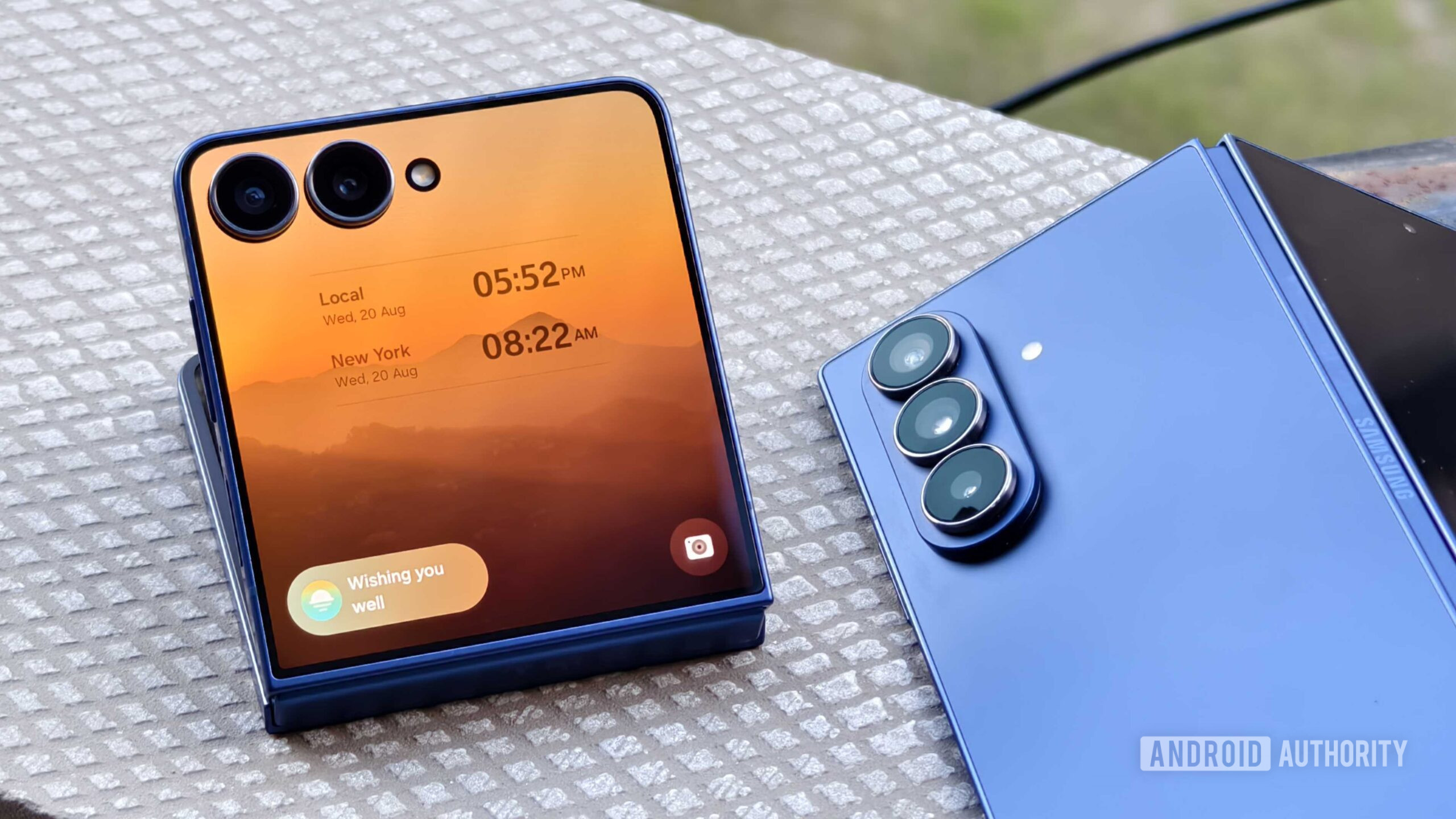
Wide foldable phones, built around a shorter, passport-style body and a tablet-like 4:3 aspect ratio when opened, mark a shift from novelty folding screens toward everyday usability, prioritizing comfortable grip, more natural reading and video experiences, and making book-style foldables feel like practical devices rather than tech demos. That transformation is no longer hypothetical. Samsung is producing its first 4:3 ‘Wide Fold’ at the highest volume of any foldable or flip in its lineup, committing an initial 2.8 million panels — more than its existing Fold-type at 2 million and Flip-type at 1.5 million units. When a market leader bets its biggest foldable run on a new form factor, it is not testing; it is declaring where it thinks the future is. The wide, passport-style foldable is moving from side project to primary strategy.

Why 4:3 And Passport-Style Fix What Foldables Got Wrong
The old book-style foldables tried to be two devices at once: a tall, awkward phone when closed and a nearly square mini-tablet when opened. That compromise pleased enthusiasts but left most people unconvinced. The new passport style foldable narrows that gap. Samsung’s Wide Fold pairs a 7.6‑inch outer display with a 5.4‑inch inner panel in a 4:3 layout that feels like holding an open notebook, with less cropping of web pages and photos and better readability. According to industry insiders, “the 4:3 ratio is praised for offering a comfortable grip akin to holding an open book or notebook, along with superior readability since less of the screen is cropped when viewing web pages or photos.” A tablet-like 4:3 aspect ratio also serves video and gaming far better than the squarer screens of early foldables, making the inside display feel closer to a compact tablet than a stretched-out science experiment.
Apple’s Wide Foldable Is Quietly Dictating Everyone’s Roadmap
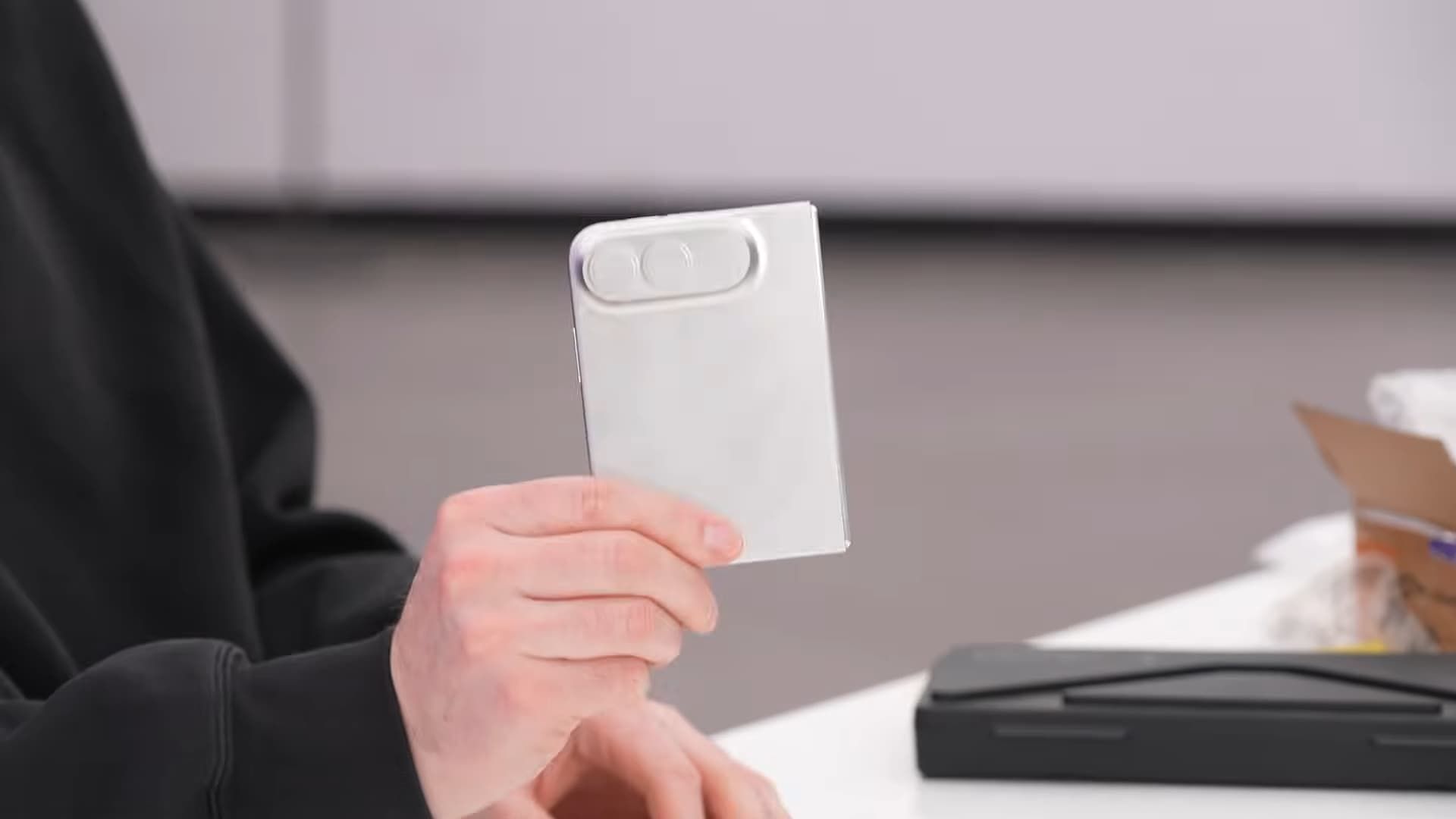
Samsung’s pivot to a Galaxy Z Fold wide design is not happening in a vacuum; it is happening in Apple’s shadow. Apple is expected to unveil its first foldable iPhone with a 4:3 aspect ratio this September, with a 7.58‑inch outer display and 5.35‑inch inner display, and forecasts of around 10 million units shipped. As rumors of a shorter, wider iPhone Ultra form factor gained momentum, news followed that Samsung would launch both a standard Galaxy Z Fold 8 Ultra and a wide version, effectively mirroring Apple’s layout to compete head‑on for users tempted by Apple’s passport-style foldable. One industry insider is blunt: “With Apple — the most influential player in the IT industry — making a 4:3 ratio foldable, it is effectively being accepted as the market standard.” Apple has not merely joined the foldable phone design race; it has forced rivals to redesign their playbooks around its chosen aspect ratio.
Production Volume, Pricing Pressure, And What Users Actually Get
Samsung is signaling mainstream confidence in the passport style foldable by assigning the Wide Fold the highest share of its annual Galaxy Z production, even while keeping ratios similar for the first three months to watch demand before shifting toward the wide model over the year. It plans 5.5 to 6 million Galaxy Z units in total and expects demand to concentrate on the new 4:3 foldable. At the same time, European prices are climbing, with expectations of 1,299 euros for the Flip8, 1,999 euros for the wide-type Fold8, and 2,199 euros for the Fold8 Ultra, with the Ultra 1TB potentially reaching 2,799 euros. The primary cause cited is a memory semiconductor supply shortage driven by AI demand. Samsung’s response is to pile on specs — a less visible crease, a 200‑megapixel‑class camera, and a 5,000mAh battery — to blunt price resistance that now sits at laptop levels, supported by storage upgrades and card discounts for early buyers.
Beyond Flip vs Fold: The New Passport-Style Category
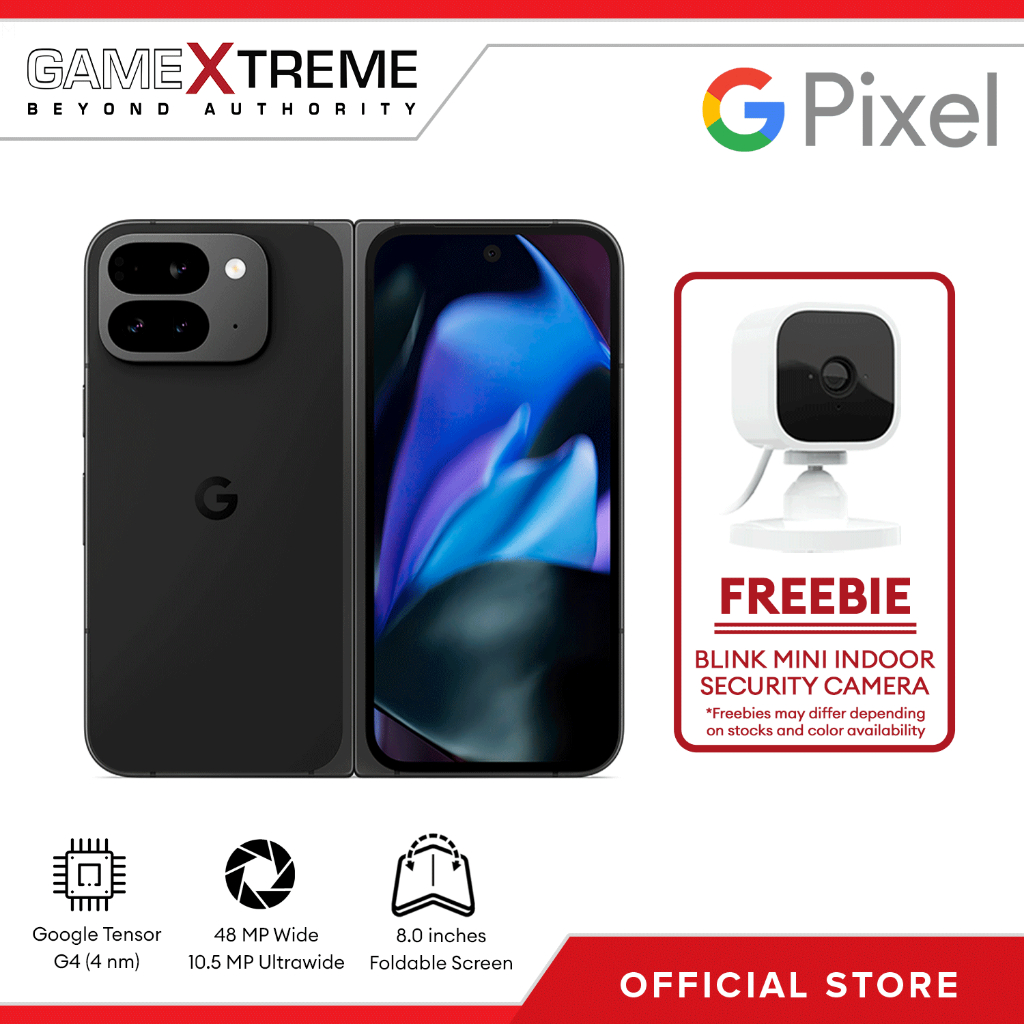
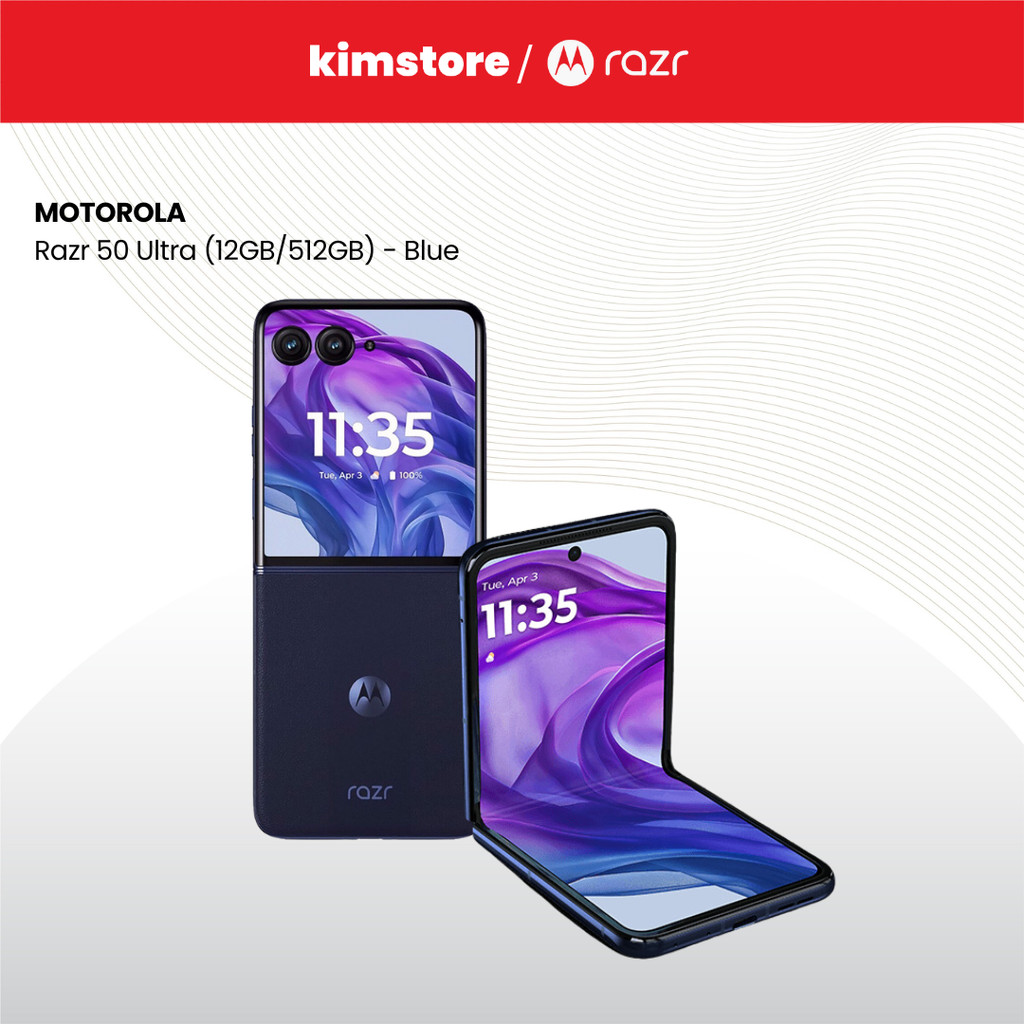
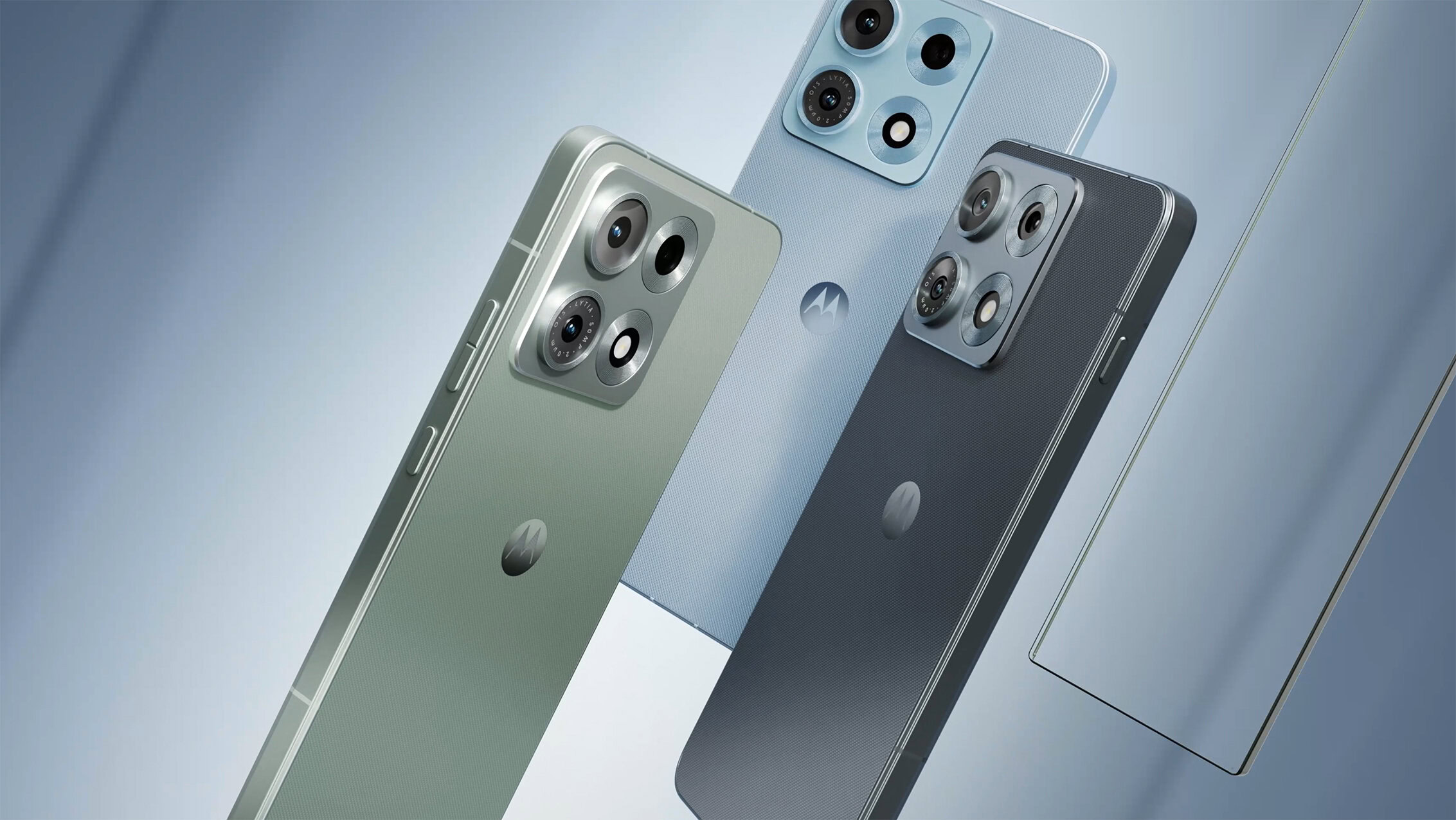
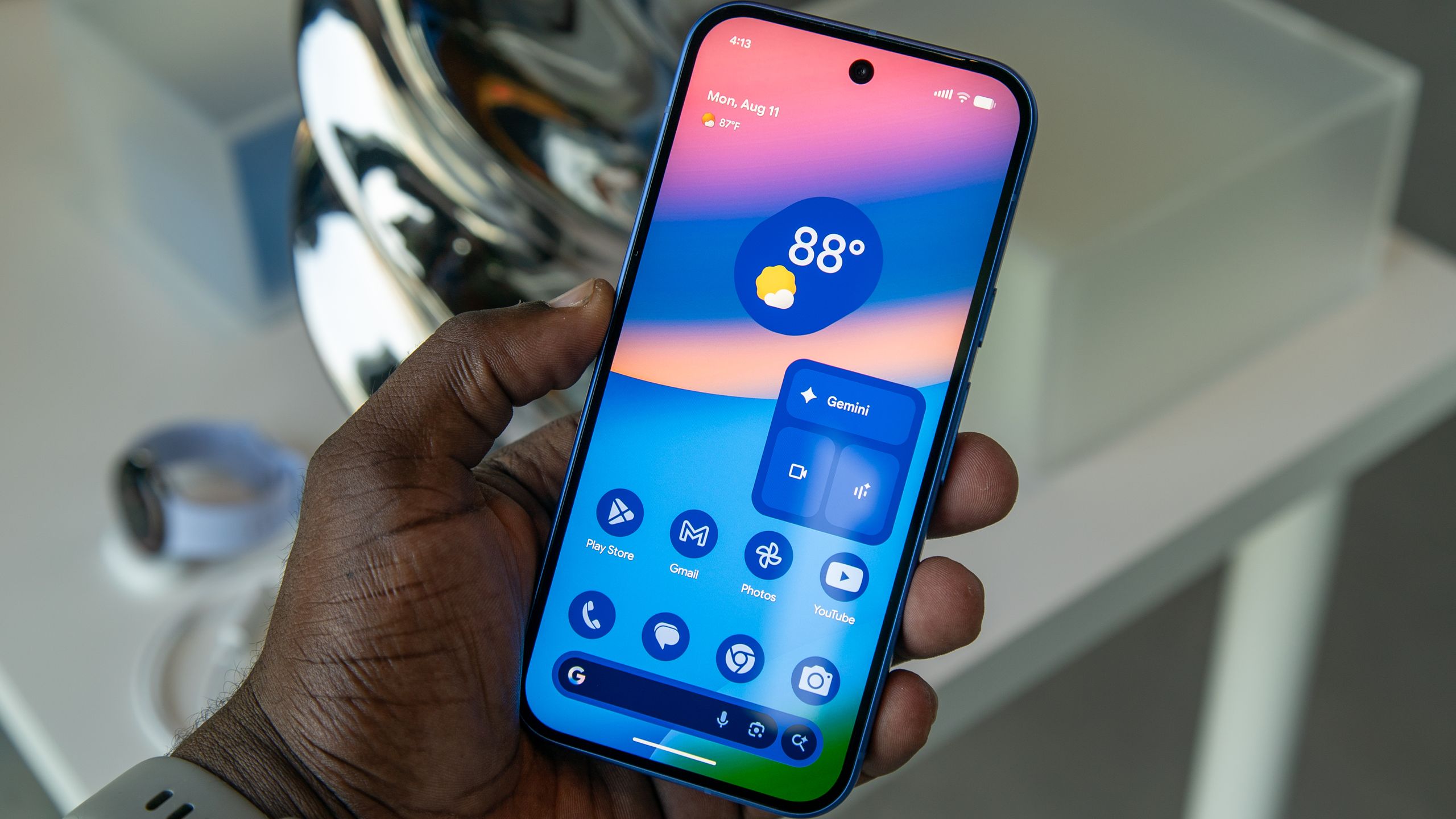
The wide foldable phones arriving this year are not simple iterations of the classic flip vs fold split; they are the birth of a distinct passport-style category. Samsung’s Wide Fold, described explicitly as a ‘passport-type’ device, is shorter and wider than previous book-style foldables in both open and closed states — a shape meant to feel like a small book more than a stretched remote control. While Google sticks to a more traditional Pixel Fold layout and Motorola pushes its own horizontally folding razr fold with big camera and battery upgrades, the design narrative is clearly shifting toward 4:3, tablet-like interiors as the default target. The whole point of these devices is no longer to prove that screens can bend; it is to make the unfolded experience so useful that the closed compromise is acceptable. The passport-style foldable is the future, and this year’s production bets make it hard to argue otherwise.