
The takeaway: Samsung’s foldable price gap is the real story
Samsung foldable pricing refers to the evolving cost structure of Galaxy Z Fold devices, including leaked launch prices for the Galaxy Z Fold 8 and Z Fold 8 Ultra and current discount levels on the Galaxy Z Fold 7, and highlights how narrowing or widening price gaps reshape whether buyers should upgrade now or wait for the next generation of foldable phones.
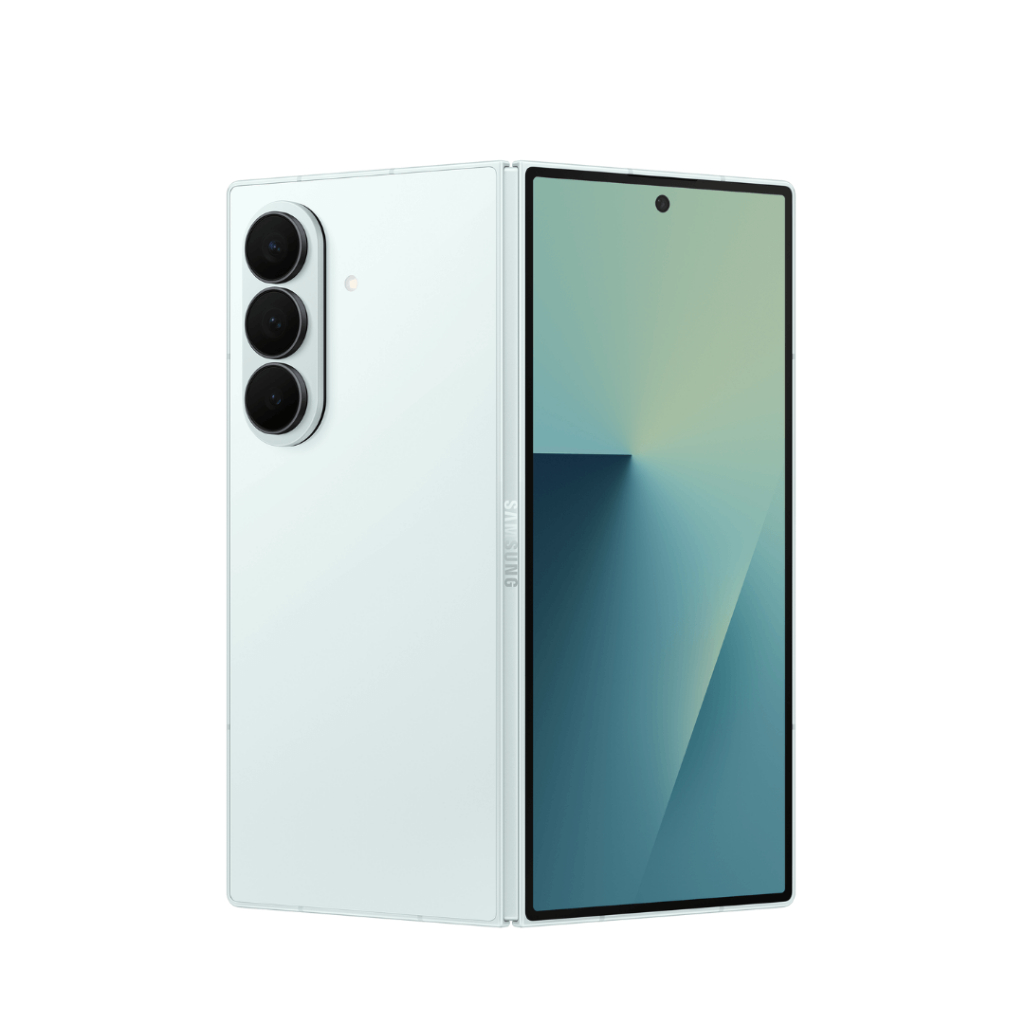
The key takeaway is simple: the value gap between the current Galaxy Z Fold 7 and the upcoming Galaxy Z Fold 8 generation looks smaller than ever, and that changes what “buying early” should cost. A Korean outlet reports that the Galaxy Z Fold 8 Ultra’s US price will exceed USD 2,000 (approx. ₱117,000), with USD 2,099 (approx. ₱122,000) considered likely. The same report tips the Galaxy Z Fold 8 at USD 1,899 (approx. ₱110,000) for 256GB. Meanwhile, Amazon is selling the Galaxy Z Fold 7 for USD 1,499.99 (approx. ₱87,000), down from its USD 1,999.99 (approx. ₱117,000) list price, a USD 500 (approx. ₱29,000) cut and 25% off. That spread sets up an unusually tight and strategic decision window.
Leaked Galaxy Z Fold 8 prices: modest hike, big implications
On paper, the reported Galaxy Z Fold 8 prices look like routine premium inflation; in practice, they signal Samsung testing how far early adopters will bend. Industry sources say the Z Fold 8 Ultra is likely to land at USD 2,099 (approx. ₱122,000), about USD 100 (approx. ₱5,600) more than the Galaxy Z Fold 7’s USD 1,999.99 (approx. ₱117,000) launch price. The standard Z Fold 8 is tipped to start at USD 1,899 (approx. ₱110,000) for 256GB.
According to the Korean outlet cited in the report, Samsung is still doing a “final review” of this price and its broader strategy before the July 22 launch. That caveat matters: it suggests the company is acutely aware that a RAM supply crunch and earlier price increases on the Galaxy S26 family have already tested customer patience. In other words, these aren’t wild hikes; they are controlled probes to see whether a relatively small increase can fund higher component costs without scaring off foldable loyalists.
The Z Fold 7 discount deal: a rare, real foldable phone saving
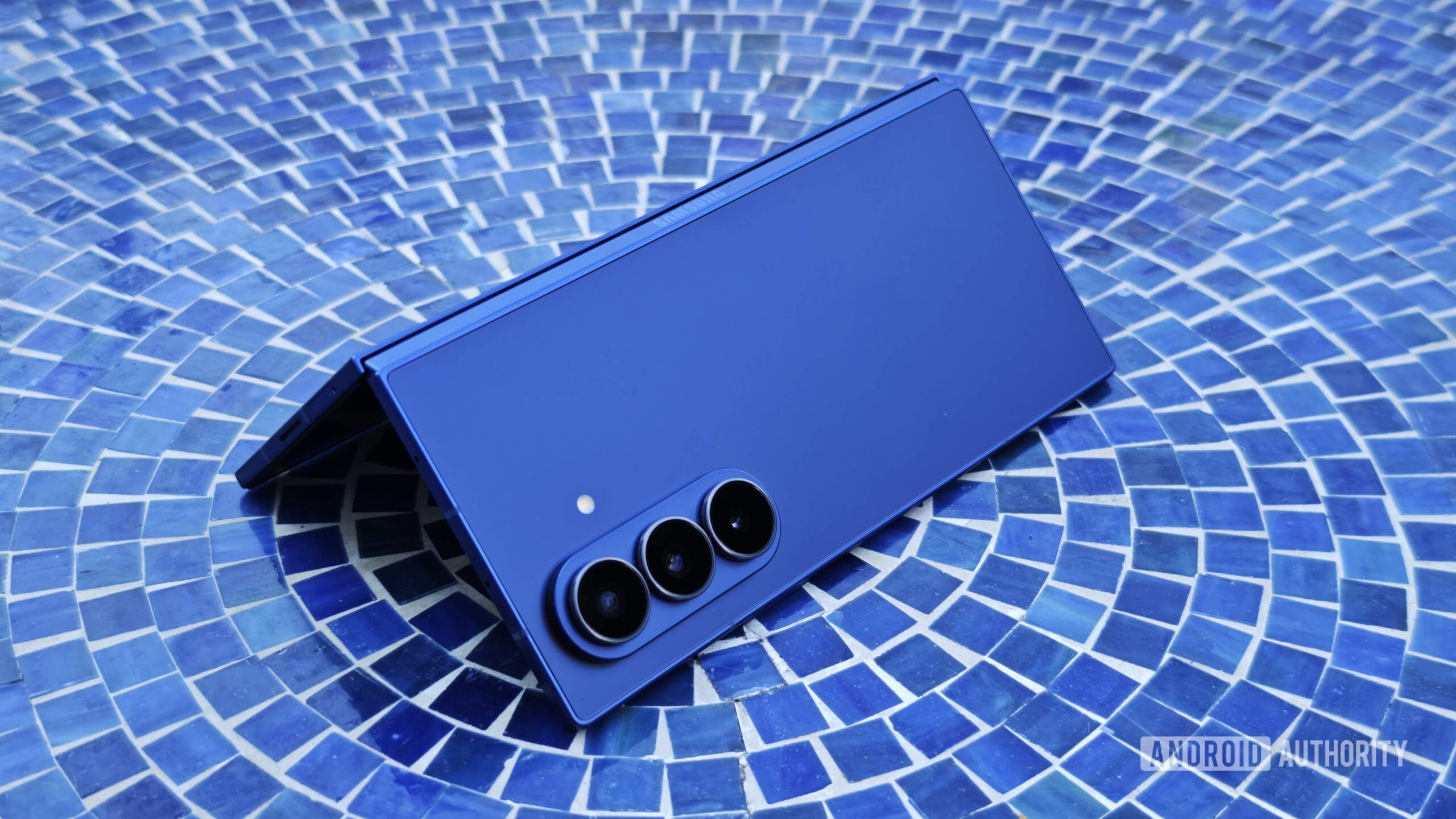
While Samsung weighs those price tweaks, retailers are doing something buyers can feel today: cutting hundreds off current hardware. Amazon’s offer of the Galaxy Z Fold 7 at USD 1,499.99 (approx. ₱87,000), down from USD 1,999.99 (approx. ₱117,000), is a USD 500 (approx. ₱29,000) discount and 25% off the recommended price. The deal was only briefly beaten by a slightly lower Prime Day price, and is otherwise described as the best discount seen so far and a rare chance to save this much on Samsung’s premium foldable.
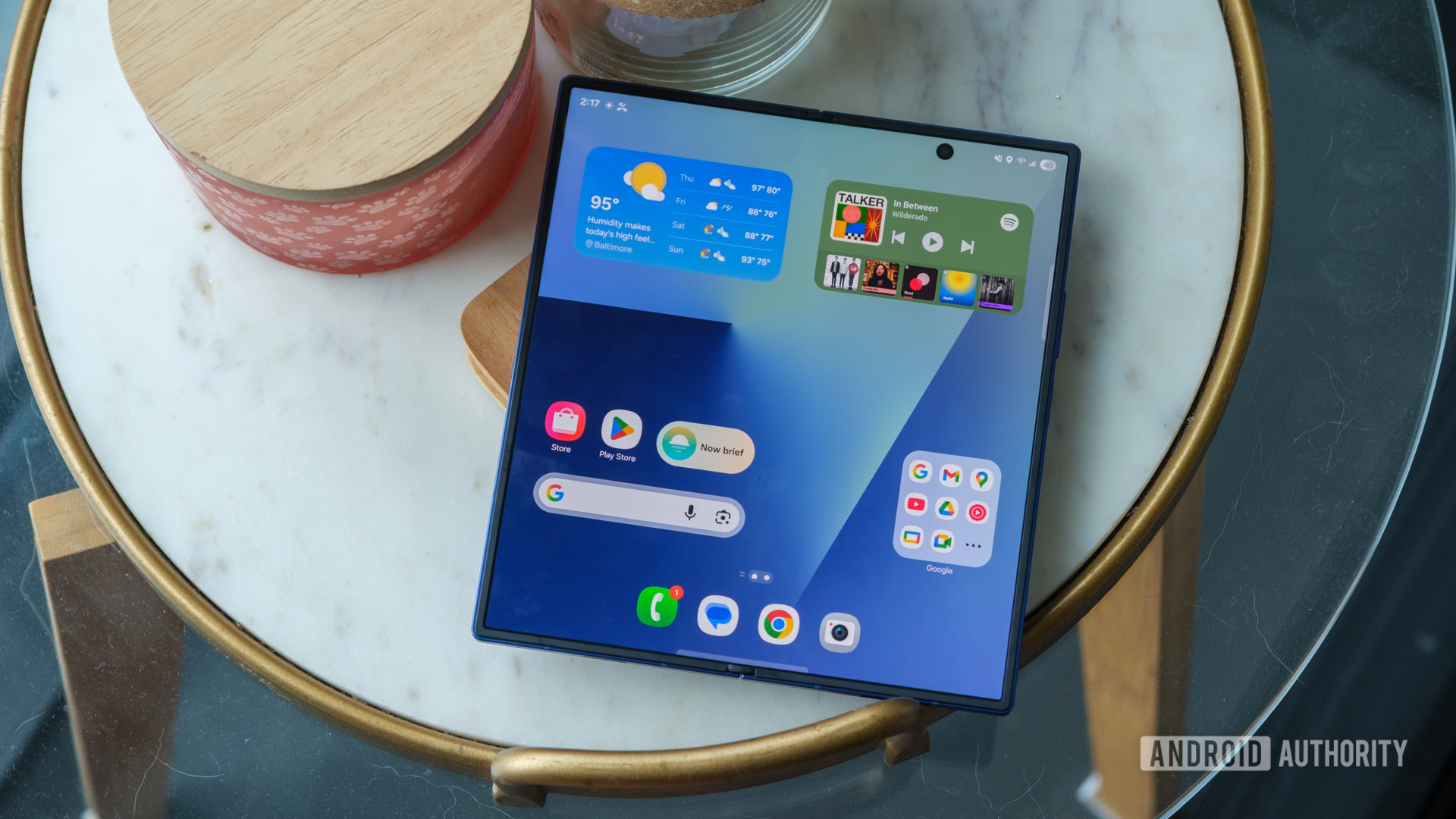
This isn’t a clearance of an outdated experiment; the Z Fold 7 is described as one of the most impressive foldables you can buy, thanks to an 8.0‑inch inner display for apps, videos, reading, and split‑screen work. Samsung’s multitasking‑focused software makes it a clear productivity and media machine, backed by a Snapdragon 8 Elite for Galaxy chip and a standout 200MP main camera. In short, these foldable phone savings aren’t on a compromised device; they’re on hardware that still defines the category.
Feature shifts: how the Fold 8 could change the experience
Price is only half the decision; the other half is how much better the Galaxy Z Fold 8 experience will be. The new model is expected to bring a 4:3 internal screen, making it more ideal for video playback than previous Galaxy Fold designs. That alone speaks to Samsung’s recognition that many buyers treat foldables as portable entertainment tablets as much as productivity tools. The Z Fold 8 is also effectively confirmed to run a Snapdragon 8 Elite Gen 5 for Galaxy, with leaks pointing to a 4,800mAh battery and dual 50MP rear cameras.
The Z Fold 8 Ultra goes further: the same next‑gen chip, a 5,000mAh battery, and a camera stack rumored to include a 200MP main sensor, 50MP ultrawide, and 10MP 3x telephoto. On paper, that Ultra looks like the spiritual successor to the Z Fold 7’s camera‑centric pitch, but with more headroom for power users. The practical question is whether those refinements justify paying close to full launch price when the Z Fold 7 now sits in a heavily discounted sweet spot.
Conclusion: value, not novelty, should drive your foldable choice
Samsung will pull the curtain back on the Galaxy Z Fold 8, Z Fold 8 Ultra and their clamshell sibling on July 22, after finalizing its pricing strategy. Between now and that date, the smartest lens for buyers is not “latest versus last‑gen” but “value versus use case.” The leaked Galaxy Z Fold 8 price of USD 1,899 (approx. ₱110,000) and likely USD 2,099 (approx. ₱122,000) tag for the Ultra sit uncomfortably close to the Z Fold 7’s original launch cost, while the current USD 500 (approx. ₱29,000) discount on the Z Fold 7 delivers rare, concrete foldable phone savings.
If you want maximum spec bragging rights and can tolerate price creep, the Fold 8 lineup will probably be your target. But if what you need is a big screen for multitasking, a powerful Snapdragon 8 Elite chip, and a 200MP camera at a meaningfully lower out‑of‑pocket cost, the present Z Fold 7 discount deal is harder to argue against. In a maturing foldable market, the bold move isn’t always waiting; sometimes it is buying the right device at the right price while everyone else chases the next announcement.