
What the Google Health Outage Was—and Why It Matters
The Google Health outage was a server-side failure in Google’s Device Sync / Pairing infrastructure that stopped fitness trackers and smartwatches from transferring data into the Google Health app, causing widespread Fitbit syncing issues, Pixel Watch connection problems, and Health Coach disruptions for all affected users. This was not a minor glitch; it severed the link between wearables and the cloud that people depend on to understand their health. Google confirmed a widespread Google Health outage that prevented devices from syncing and pairing, describing the incident on its status dashboard as “Sync not working for all users.” In other words, the fitness app was effectively down, even though the mobile app and web API still appeared available. That contradiction—apps opening but data frozen—left many users misdiagnosing the problem as a Bluetooth or phone issue, wasting time on wrong fixes.
How the Failure Unfolded and What Users Experienced
The outage began at 04:20 PDT on July 15, with Google only publicly acknowledging the problem at 05:41 PDT. During that window, reports poured in as users discovered their fitness app was down. Some said their devices would not sync; others found missing sleep scores or trackers that seemed to have disconnected from their phones. Health Coach users could not use chat features, matching later status updates that confirmed Health Coach Ask and Summaries were unavailable. Importantly, this was not an isolated Bluetooth or phone compatibility issue; Google itself pointed to the syncing infrastructure as the culprit. The result was a quiet but disruptive failure: other parts of the Google Health app continued working, yet people saw old information because their latest wearable data never arrived. For anyone tracking sleep, recovery, or chronic conditions, stale data is more than an annoyance—it undermines a daily health workflow built on timely metrics.
Behind the Scenes: Cloud Dependence and a Platform in Transition
This Google Health outage did not happen in a vacuum; it landed in the middle of Google’s broader transition from the Fitbit app and services to the new Google Health platform. There is no evidence that the migration itself caused the incident, and Google has not explained what triggered the outage. Still, the timing is telling. As more features move into Google Health, the Device Sync / Pairing layer becomes a single point of failure for everything from basic step counts to Health Coach summaries. According to Google’s status dashboard, the mobile app and web API stayed available while the device sync systems failed, revealing how many users now sit at the mercy of back-end services they never see. Your tracker or smartwatch will still collect information locally while the cloud is unavailable, but that data will not appear in Google Health until syncing resumes—and the amount stored on-device depends entirely on the hardware you own.
The Fix, the Missteps, and How to Respond Next Time
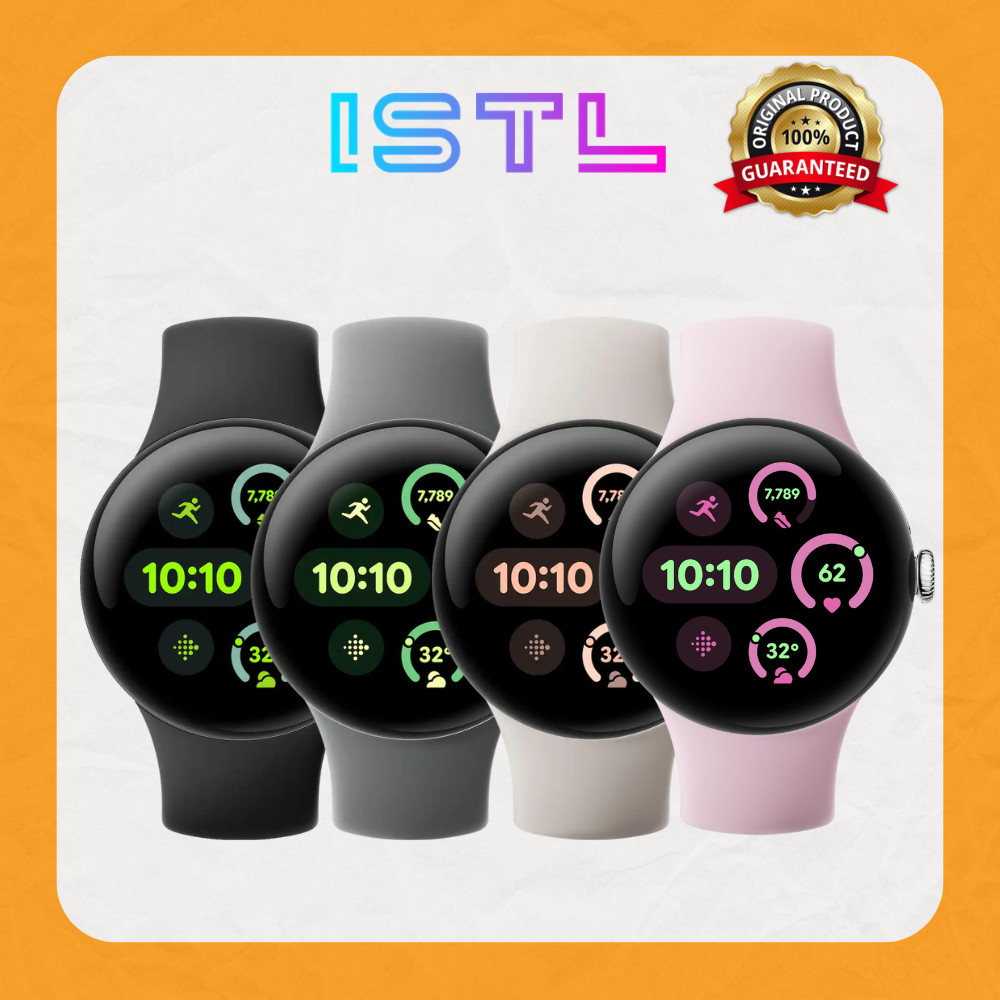
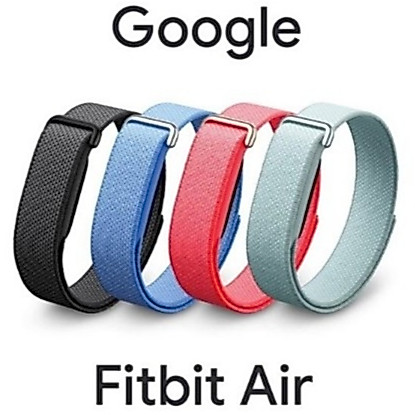
By the afternoon, Google restored the Device Sync / Pairing service, and the status page confirmed the syncing and pairing issue had been fixed. Fitbit and Pixel Watch users should now sync normally, though delayed data may take a little longer to appear. Yet the outage revealed a second, human problem: when cloud fitness goes down, people instinctively reset devices and reinstall apps. One user even reset a Pixel Watch before realizing the issue was on Google’s side. Another reported a Fitbit Air that had become unpaired and would not reconnect. That is the worst possible reaction during a service-wide failure. Guidance from within the Google Health product team was clear: do not reset or unpair your device, do not delete or reinstall the Google Health app, and avoid clearing app data unless Google explicitly tells you to. Those steps turn a temporary cloud outage into a long-term pairing headache.
Lessons for a Future Built on Cloud-Based Fitness Ecosystems
This incident is a warning about how dependent health tracking workflows have become on cloud-based fitness ecosystems. When a single service outage can freeze sync for all Google Health users and break access to Health Coach features, it is clear that convenience has outpaced resilience. Your smartwatch still collects data while the cloud is down, but the insight you bought into—historical trends, summaries, coaching—vanishes until servers recover. For users, the practical takeaway is blunt: treat outages as a service problem first, not a hardware failure. Check status dashboards before you factory-reset anything, keep devices charged and paired, and expect delayed data instead of instant metrics during recovery. For Google, this outage should be a prompt to communicate faster, explain causes, and build visible safeguards around critical services like Device Sync / Pairing. A fitness app down should not mean your entire health history feels out of reach.